


Pentagon Plans 10,000 Troops for Mideast, Park Debates Escalation
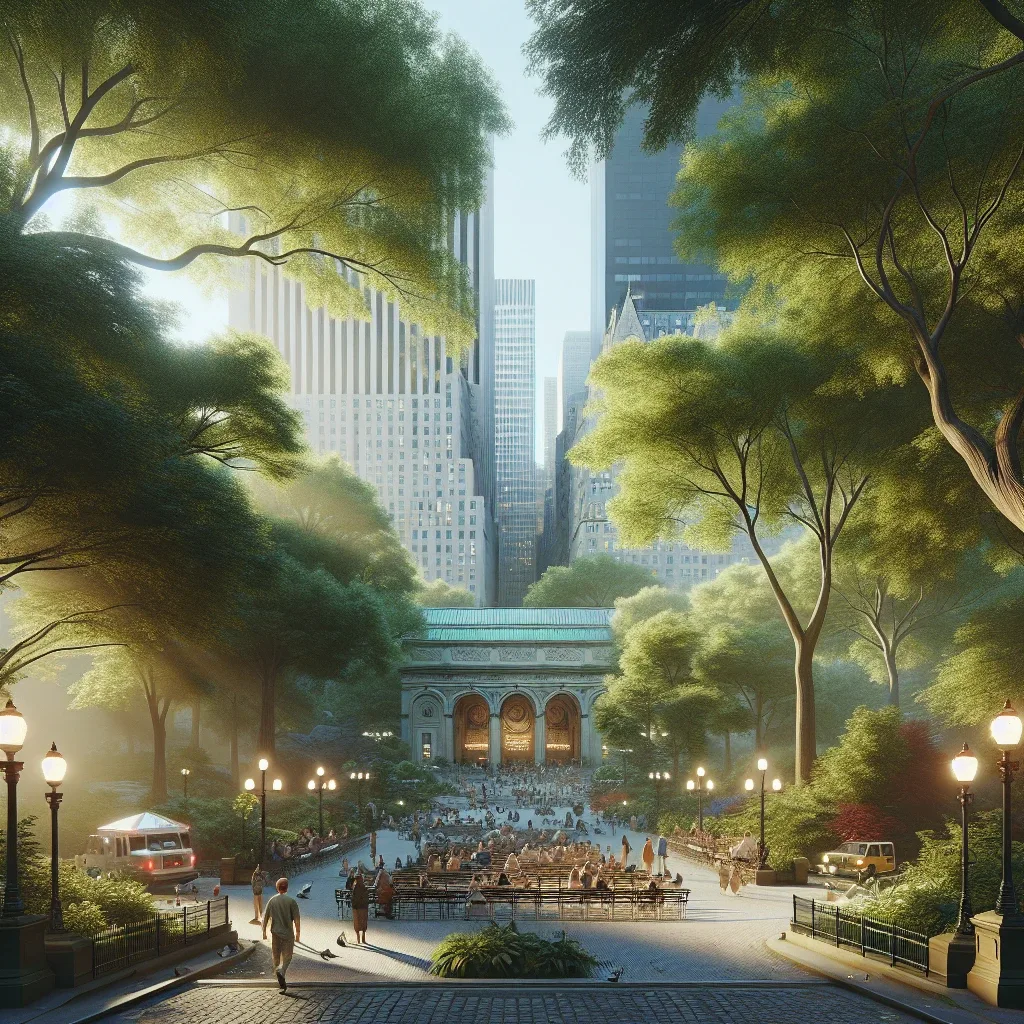
NEW YORK — The Pentagon is planning to deploy up to 10,000 additional ground troops to the Middle East, a move intended to bolster President Trump's military options in the region. This significant deployment is proceeding even as the President has paused strikes on Iran's energy sector for peace negotiations, which were extended to April 6, 2026.
Mediators involved in the talks noted that Iran did not request this extension, a detail that contradicts President Trump's public assertion. The dichotomy between diplomatic efforts and increased military presence has sparked intense debate, with repercussions felt even in the tranquil setting of Central Park.
Central Park Chess Players Argue Troop Buildup Costs
At the iconic chess tables near 65th Street in Central Park, the planned troop buildup has become a heated topic of discussion among players. One veteran, engaged in a spirited match, voiced a common concern: “More boots on the ground means higher taxes – we’re footing this bill while jogging here.”
This sentiment highlights local residents' apprehension about the economic burden of prolonged military engagements and the potential redirection of federal funds away from domestic needs. The park's chess area, known for its lively intellectual exchanges, now reflects the city's broader geopolitical anxieties.
Manhattan Dog Owners Discuss Escalation Risks in The Ramble
Manhattan dog owners, gathering in The Ramble section of Central Park, are organizing informal talks to discuss the risks of military escalation in the Middle East. These impromptu groups share concerns about the humanitarian implications and the broader instability that increased troop deployment might bring.
The community's desire for peaceful resolutions over military confrontation is evident in these discussions, underscoring a prevailing hope for diplomatic success. The Ramble, typically a serene escape, now serves as a backdrop for profound public discourse on international policy, as detailed in reports like this recent overnight news update.
Local Businesses Brace for Potential Oil Shocks
Beyond direct military costs, local businesses in and around Central Park are bracing for potential oil shocks that could result from increased tensions in the Middle East. Park food trucks and surrounding cafes are already considering the possibility of rising operational costs due to higher fuel prices.
Some businesses have even begun posting subtle signs, hinting at potential price adjustments for their goods and services. This preemptive action reflects a very real fear of economic instability trickling down to local consumer markets, directly impacting daily life in New York City.
Public Support for Diplomacy Over Deployment
Across Central Park, from casual strollers to organized community groups, there is a clear consensus among many residents favoring diplomacy over military deployment. This preference aligns with a long-standing New York tradition of advocating for peaceful resolutions to international conflicts.
Advocacy groups are reportedly planning peaceful demonstrations in the coming weeks, potentially using Central Park as a focal point to call for de-escalation and continued peace talks. The collective voice of Manhattan residents underscores a strong desire for global stability and a resolution that avoids further military intervention.
Strategic Implications and Contradictory Claims
The Pentagon's decision to prepare for such a substantial troop deployment concurrently with peace talks raises questions about the administration's overarching strategy. The discrepancy between President Trump's claim of an Iranian-requested extension and the mediators' denial further complicates the narrative.
Analysts suggest this dual approach may be intended to exert pressure during negotiations while simultaneously preparing for contingencies, as further elaborated in the discussion about Trump's military options. The international community watches closely for signs of genuine diplomatic breakthroughs versus continued military posturing.
Frequently Asked Questions About Global Events and Local Impact
New Yorkers often wonder how major global geopolitical events, such as military deployments or international disputes, can directly affect their daily lives. The impact can be multifaceted, ranging from economic consequences like fluctuations in gas prices and supply chain disruptions, which affect consumer goods, to social impacts like increased civic engagement and public debate. Residents often react by organizing protests, vigils, or community discussions in prominent public spaces like Central Park. Local governments also monitor these global developments for potential security implications or economic shifts that might require local policy adjustments, reflecting the interconnectedness of global and local affairs.
Related Articles
More in Park Events →
Central Park Lists José Julián Martí Run, Judith Wolfe Program October 7, 2026
Central Park highlights two key events for October 7, 2026: a José Julián Martí fitness run and a Judith Wolfe Kids & Family program, enriching park activities.
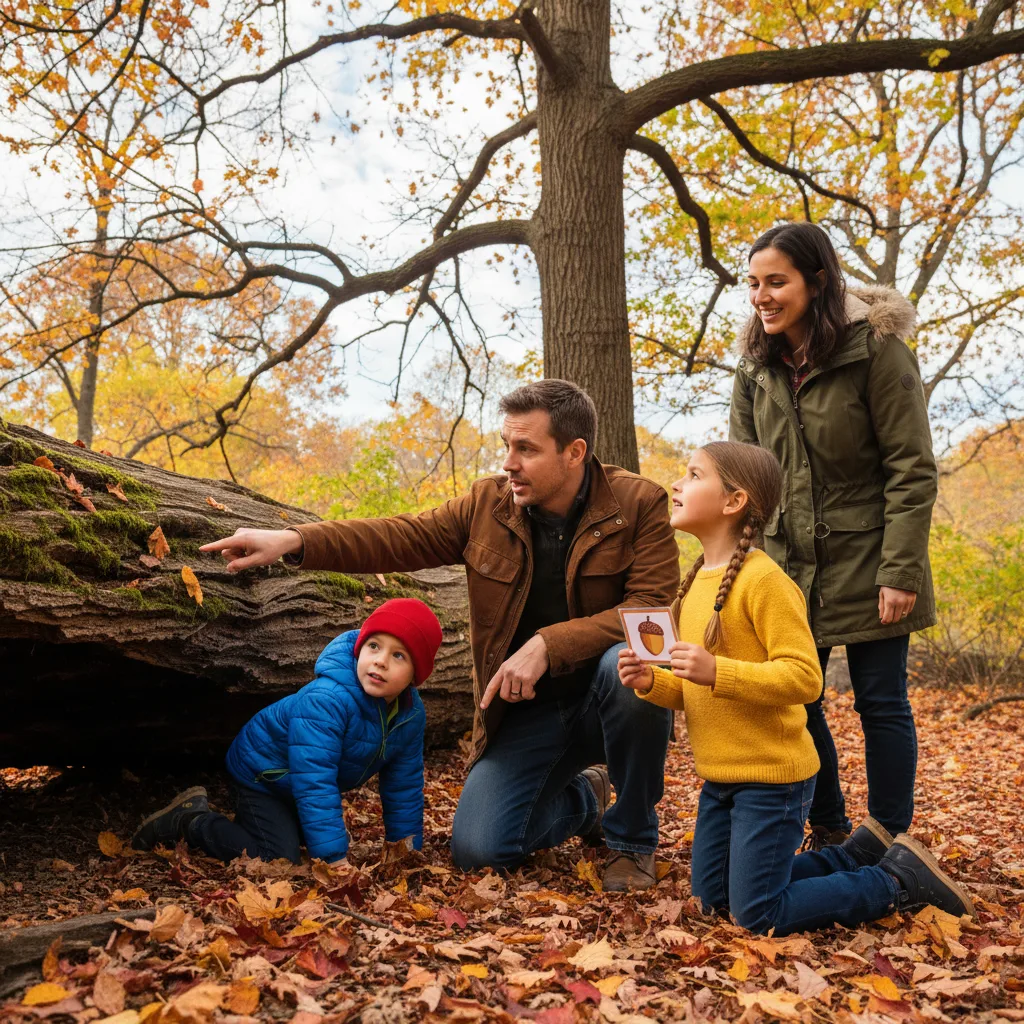
Central Park Celebrates October 2026 with Fall Foliage and Family Fun
Central Park offers a robust October 2026 calendar, featuring the new "Wonder in the Woods" family scavenger hunt on Oct 3 and the Film Festival Oct 6-9. Discover fall foliage and diverse events.

Central Park Conservancy Announces Wonder in the Woods Family Event
Central Park Conservancy announced "Wonder in the Woods," a free family scavenger hunt in the North Woods on October 3, 2026. This event connects locals with nature, offering a unique fall park experience for all ages.
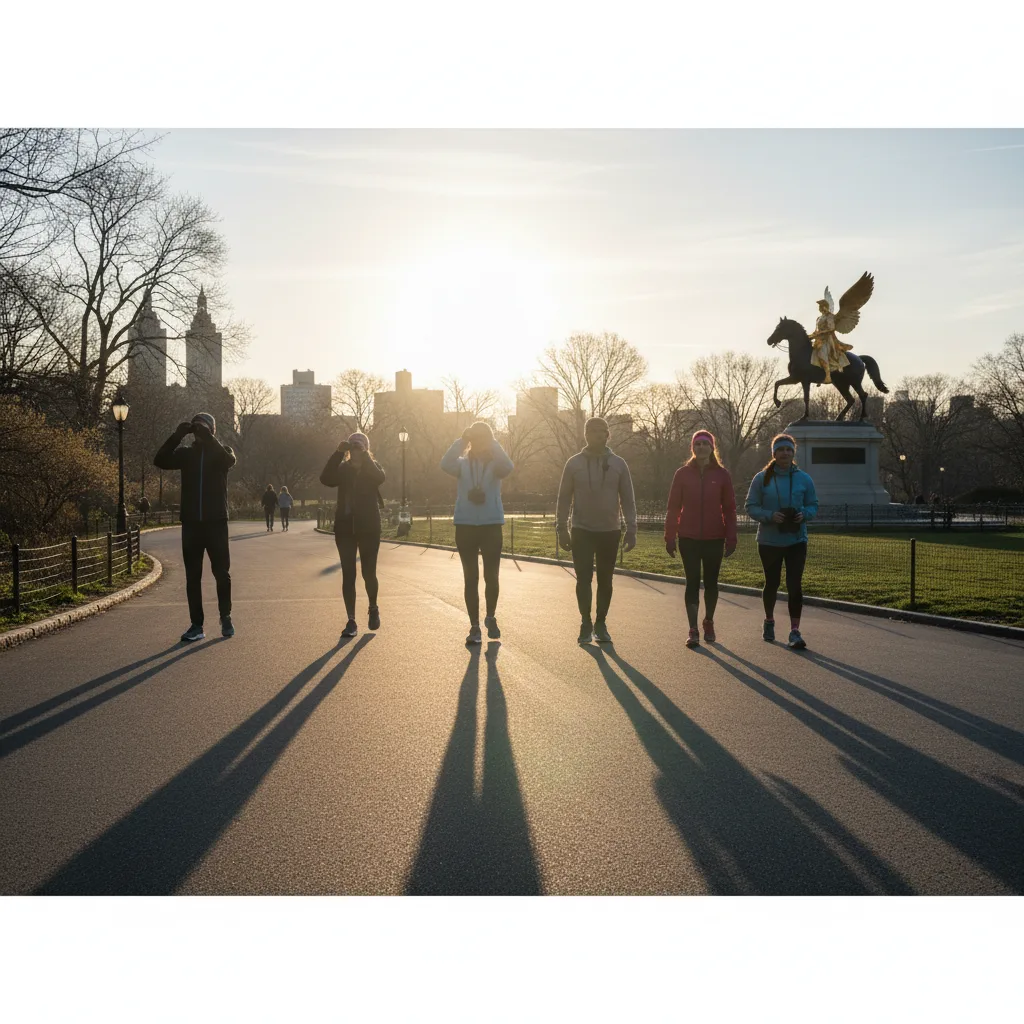
Central Park Boathouse Offers Sunrise Wellness Walk October 3, 2026
CentralPark.com highlights a Sunrise Wellness Walk and bird watching tour at the Boathouse on October 3, 2026. This offers locals a unique way to start their day, connecting with nature and fitness in the park.
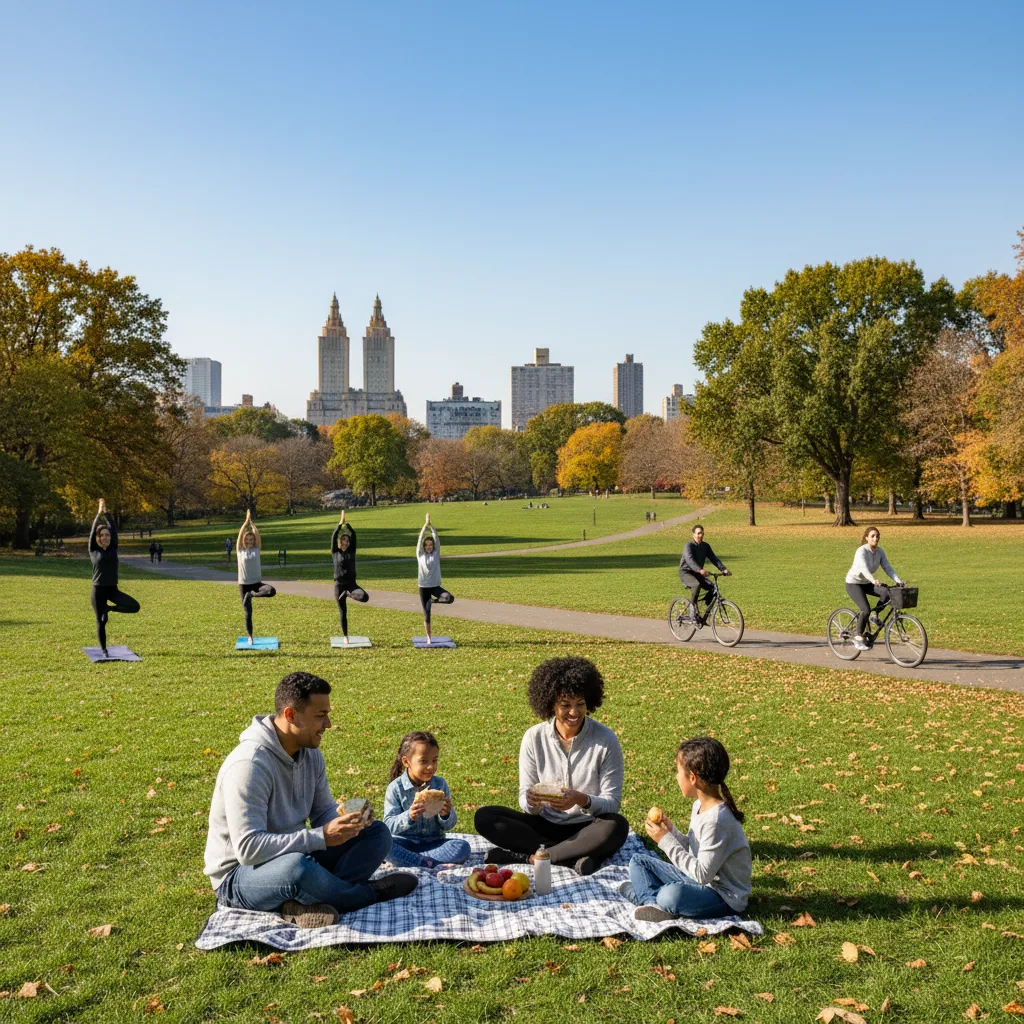
Patch Calendar Confirms Central Park Events for October 2, 2026
Patch's Central Park calendar confirms a diverse schedule of Central Park events for October 2, 2026. This resource helps locals plan their day in the park.
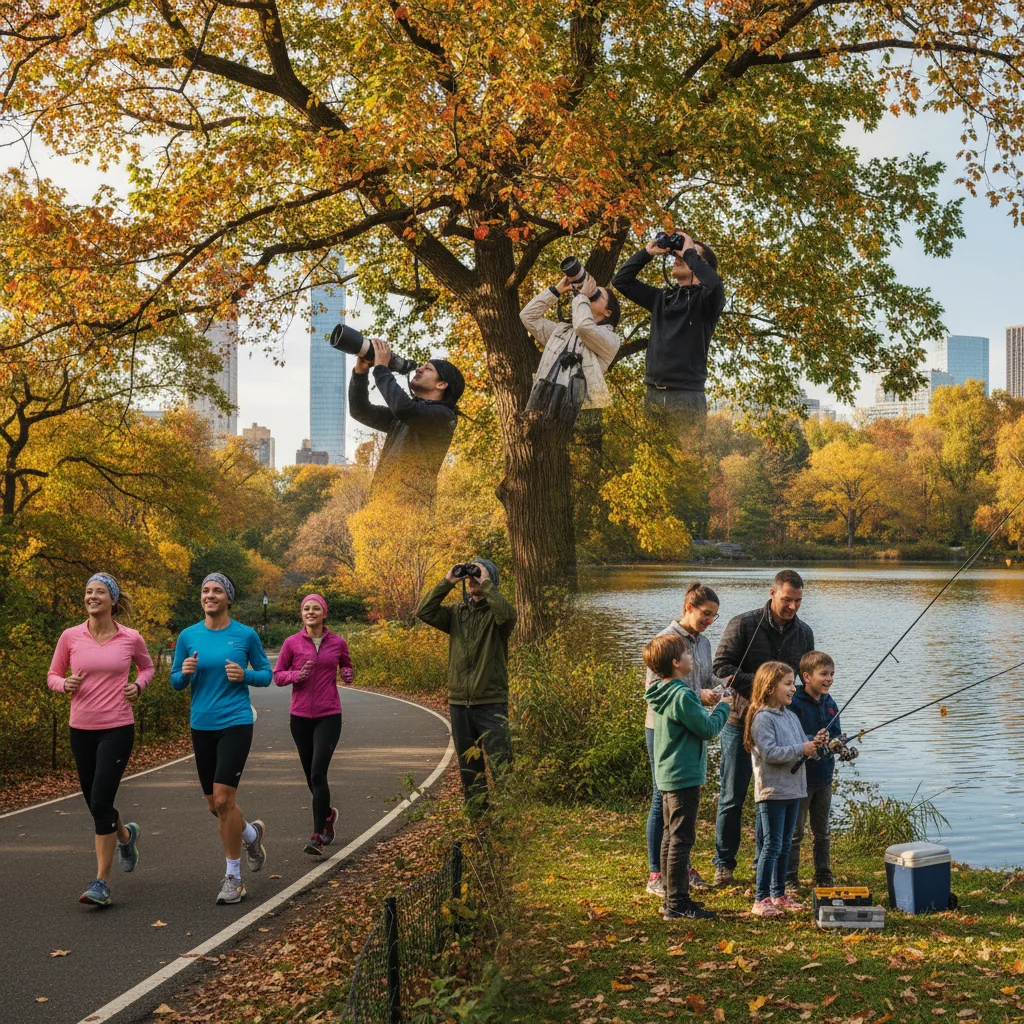
Central Park Visitors Experience Diverse Activities October 2, 2026
Central Park visitors can choose from diverse activities on October 2, 2026, including bird watching, running tours, and zoo events. A festival is also happening.