


Rethink Food Day 2026 Celebrates 10 Million Meals Delivered

NEW YORK — New York City officially celebrated Rethink Food Day on Friday, March 27, 2026, marking a significant milestone: the delivery of over 10 million meals to communities in need. The occasion, first declared by Speaker Adrienne Adams and Mayor Eric Adams in 2023, highlights the city's ongoing commitment to combating food insecurity and waste.
The initiative has garnered widespread support across all boroughs, including active participation from communities surrounding Central Park. Residents and local organizations in Manhattan continue to play a crucial role in advocating for and distributing nutritious meals to vulnerable populations.
Milestone Reached on Rethink Food Day
The 10-million-meal milestone represents years of dedicated effort from Rethink Food, a non-profit organization focused on transforming excess food into nutritious meals. Their innovative model rescues high-quality food from restaurants, corporate kitchens, and other food establishments that would otherwise go to waste.
These rescued ingredients are then cooked into wholesome meals and distributed through a network of community-based organizations. This sustainable approach addresses both food waste and hunger, creating a dual positive impact on the environment and public health.
Mayor Eric Adams lauded the achievement, stating, "Rethink Food Day is more than just a celebration; it's a testament to what we can achieve when we come together as a city to tackle hunger. Ten million meals is a remarkable feat, but our work continues."
Origins and Growth of the Initiative
Rethink Food Day was established on March 27, 2023, following a joint declaration by city leadership to recognize the organization's burgeoning success. Since its inception, the initiative has grown exponentially, broadening its reach and refining its operational strategies.
The concept originated from the realization that millions of pounds of edible food are wasted annually in New York City, even as a significant portion of its population struggles with food insecurity. Rethink Food stepped in to bridge this gap, creating an efficient and impactful system.
Over the past three years, Rethink Food has expanded its partnerships to include hundreds of local businesses, significantly increasing its capacity to produce and distribute meals. This collaborative model is a cornerstone of its success, fostering widespread community engagement.
Central Park Community's Role in Food Equity
While Rethink Food Day is a city-wide celebration, the communities immediately surrounding Central Park have been actively involved in supporting food equity initiatives. Many residents, known for their civic engagement, participate in local food drives and volunteer programs.
Cafes and restaurants in neighborhoods like the Upper West Side and Upper East Side, which border Central Park, have often contributed surplus food or participated in fundraising efforts for organizations like Rethink Food. This local support forms a vital link in the broader city-wide network.
Additionally, discussions about food access and sustainable practices often take place in public forums and community meetings held near Central Park, raising awareness among park visitors and encouraging participation in volunteer opportunities. The park, as a central gathering place, often serves as a focal point for community dialogue on important social issues.
Addressing Food Waste and Hunger
The dual challenge of food waste and hunger remains a pressing issue for New York City. Rethink Food's model directly confronts both by diverting perfectly edible food from landfills and channeling it to those who need it most, thereby reducing environmental impact and alleviating suffering.
The environmental benefits of reducing food waste are substantial, including a decrease in greenhouse gas emissions from landfills. By processing and redistributing food, Rethink Food contributes to a more sustainable and equitable food system for all New Yorkers.
Their efforts are a model for other cities looking to address similar challenges, demonstrating that effective solutions require collaboration between non-profits, government, and the private sector. The organization continuously seeks new partnerships to enhance its reach and impact.
Future Goals and Expansion Plans
Looking ahead, Rethink Food has ambitious plans for further expansion throughout New York City and potentially beyond. The organization aims to increase its meal production capacity by another 50% in the next two years, leveraging new technologies and partnerships.
Future initiatives include expanding educational programs on food waste prevention and healthy eating within schools and community centers. They also plan to enhance their logistics network to ensure even more efficient and timely meal deliveries to diverse neighborhoods.
Community involvement will remain central to these plans, with increased opportunities for volunteers and local businesses to contribute. The success of Rethink Food Day 2026 reinforces the viability and necessity of these continued efforts. You can find more information about the event on the New York City Patch calendar.
Frequently Asked Questions on Food Support
How can I donate food or volunteer for Rethink Food? Rethink Food accepts donations of surplus food from commercial kitchens and licensed food handlers, adhering to strict food safety guidelines. Individual volunteers are always needed for meal preparation, packaging, and distribution. You can visit the Rethink Food website for detailed information on donation procedures and how to sign up for volunteer shifts. They have various opportunities available.
Where can New Yorkers find food assistance if they are experiencing insecurity? New York City offers a robust network of food pantries, soup kitchens, and community meal programs. The city's 311 service can provide information on the closest food resources. Additionally, the NYC Food Policy Center and various local non-profits offer online directories and assistance in locating free food distributions. Many resources are available across all five boroughs.
What is the environmental impact of food waste in NYC? Food waste is a significant contributor to landfill waste, which in turn generates methane, a potent greenhouse gas. By diverting food from landfills, organizations like Rethink Food help reduce these emissions, contributing to the city's climate goals. Reducing food waste also conserves the resources used to produce, process, and transport food.
How can businesses get involved in food rescue efforts? Restaurants, catering companies, grocery stores, and other food businesses can partner with organizations like Rethink Food to donate their excess edible food. These partnerships not only help combat hunger but can also offer tax benefits and enhance a company's corporate social responsibility profile. Contacting local food rescue groups is a great first step.
Are there ways to reduce food waste at home? Yes, individuals can significantly reduce food waste by planning meals, properly storing food, understanding "best by" dates, and composting food scraps. Many city initiatives and educational resources offer tips and tools for household food waste reduction, promoting sustainable practices from the kitchen to the compost bin.
Related Articles
More in Safety & Crime →
Central Park Woman Found Dead Near Boathouse Gazebo
A woman was found stabbed to death in a Central Park gazebo near the Boathouse on Sunday, prompting an active NYPD homicide investigation.
Queens Student Arrested for Bringing Gun to High School
A Queens student was arrested for bringing a gun to high school, prompting immediate law enforcement action and raising school safety concerns.
NYC Cyclist Death Prompts NYPD Ticketing Near Fatal Crash Site
NYPD stepped up cyclist ticketing near a recent fatal crash site in Central Park after a cyclist died Monday morning. Local groups demand safety reforms.
NYPD Confirms 71-Year-Old Cyclist Dies After Dog Collision in Central Park
NYPD confirms a 71-year-old cyclist died after colliding with a dog on Central Park's East Drive, near East 84th Street. The investigation is ongoing.
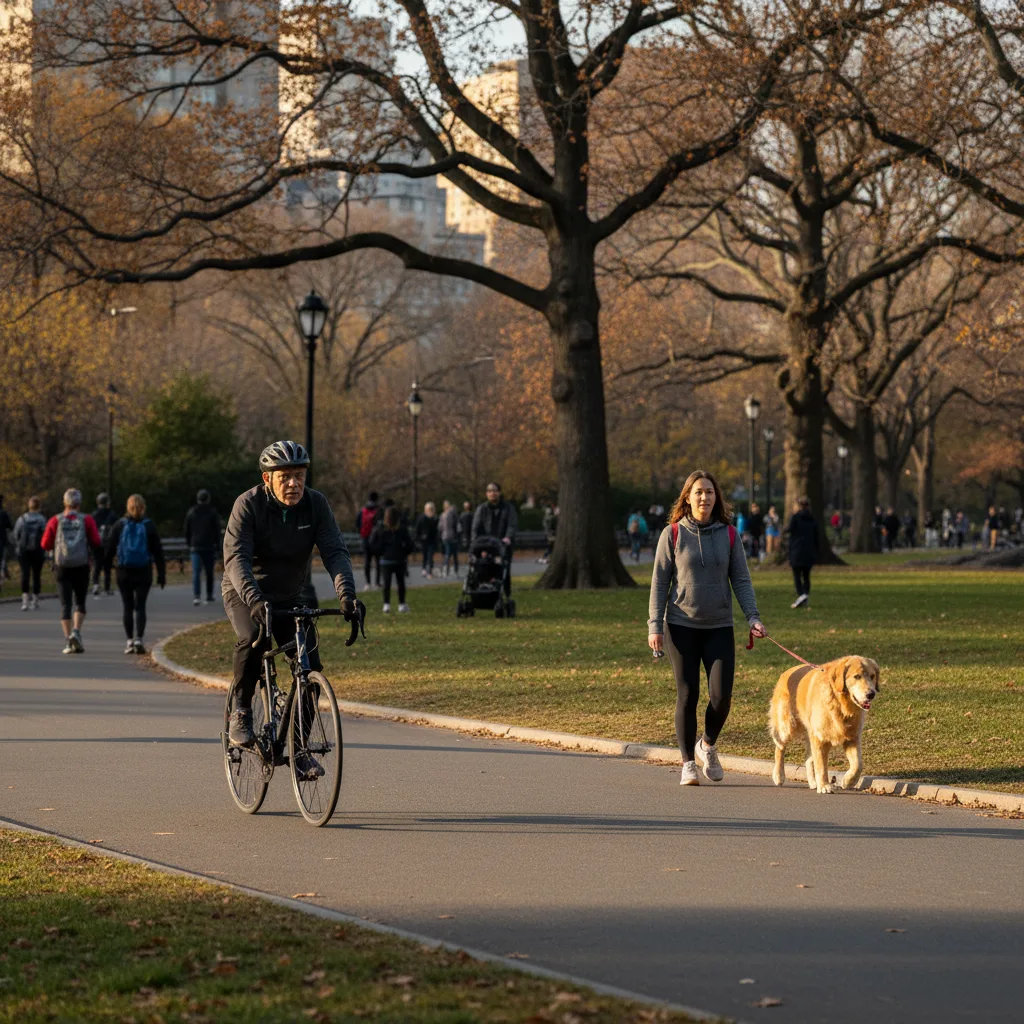
NYPD Investigates Central Park Cyclist Death After Dog Collision
NYPD confirms a 71-year-old cyclist died after colliding with a dog on Central Park's East Drive, near 84th Street. Investigation ongoing.
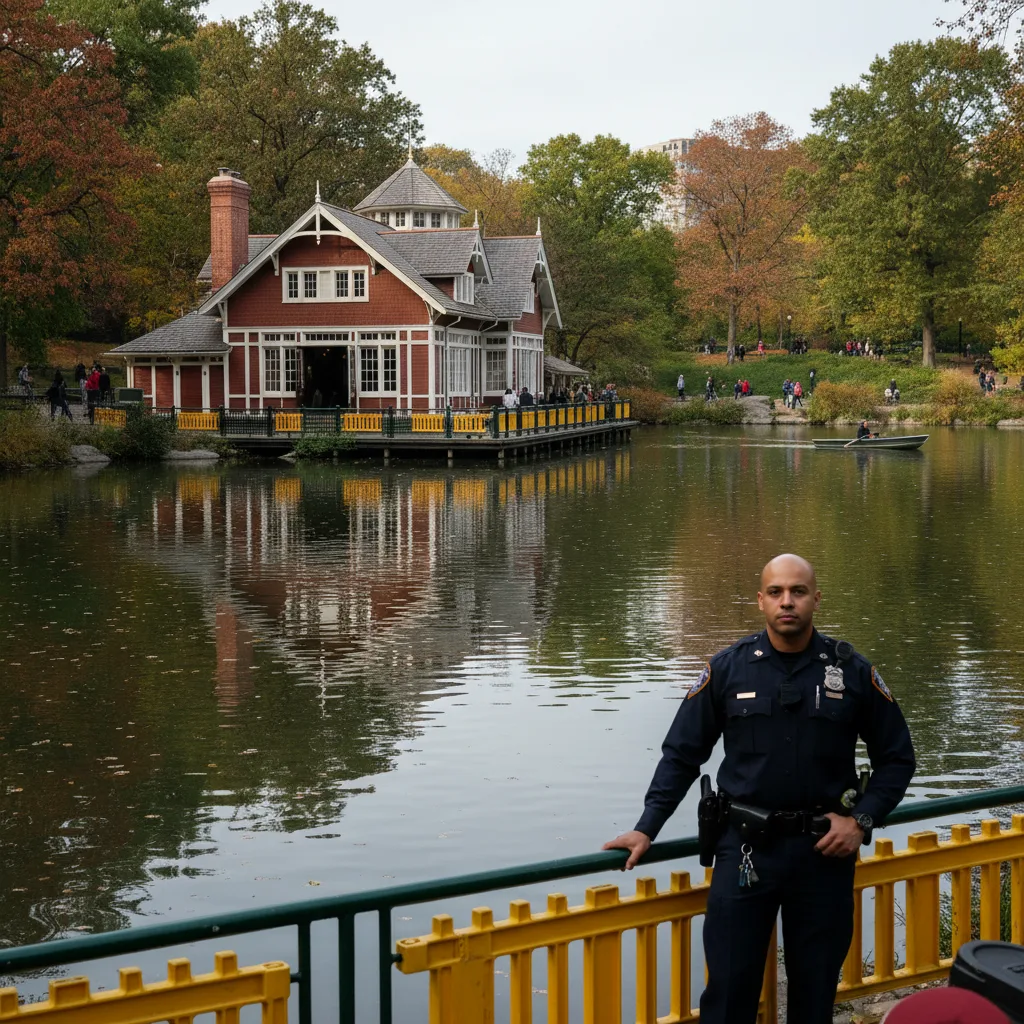
Man Charged in Central Park Beating Death of 63-Year-Old Woman
A 36-year-old man was charged with murder after a 63-year-old woman was found dead with head trauma in Central Park, NYPD confirmed.