


Robert Mueller's Legacy Remembered by Central Park Residents 2026

NEW YORK — Former FBI Director Robert Mueller, who served as special counsel investigating Russia's alleged 2016 election interference, passed away at age 81, prompting reflection among Upper West Side residents and Central Park political groups in March 2026. Mueller's death marks the end of a career defined by his leadership during critical national security moments and his high-profile investigation into the Trump campaign. His passing evoked contemplation on his enduring legacy.
Conversations around Central Park noted the symbolic timing of his passing amidst current tensions with Iran and Russia. Some residents discussed whether his death marks a generational shift in how America handles national security crises. The overall community response was respectful and contemplative, rather than overtly animated, reflecting the gravity of his public service.
A Career of Distinguished Public Service
Robert S. Mueller III's career in public service spanned decades, beginning as a Marine Corps officer during the Vietnam War. He later became a federal prosecutor and held various high-ranking positions within the Department of Justice. His reputation for integrity and impartiality earned him bipartisan respect throughout his extensive career.
He served as the sixth Director of the Federal Bureau of Investigation for 12 years, from 2001 to 2013, a tenure second only to J. Edgar Hoover. His leadership during and after the September 11th terrorist attacks fundamentally reshaped the FBI's mission and capabilities. Mueller was widely praised for his steady hand during these tumultuous times.
The Mueller Report and Its National Impact
Mueller's most prominent role in recent memory was his appointment as Special Counsel in May 2017 to investigate Russian interference in the 2016 United States elections. His investigation spanned nearly two years and resulted in the "Mueller Report," a detailed account of Russian efforts to influence the election and potential obstruction of justice by then-President Trump.
The report, released in April 2019, became a focal point of national political debate and had significant implications for American jurisprudence and political discourse. While it concluded that Russia interfered in the election, it did not establish a criminal conspiracy between the Trump campaign and the Russian government. The report outlined several instances of potential obstruction of justice but stopped short of a definitive conclusion on whether Trump committed a crime.
Reflections from Upper West Side Residents
Upper West Side residents and longtime New Yorkers shared their reflections on Mueller's legacy in conversations observed near Central Park. Older residents often recalled his tenure as FBI director, remembering his consistent presence during national crises. His image as a dedicated public servant resonated deeply within the community.
Many residents expressed admiration for his steadfast approach and commitment to the rule of law, even amidst intense political scrutiny. The discussions often highlighted the perceived contrast between Mueller's stoicism and the often-turbulent political climate in which he operated. His passing served as a moment for civic reflection.
Political Discourse in Central Park
Political discussion groups frequently convene in Central Park, providing a vibrant forum for exchanging views on current events and national figures. The news of Mueller's death prompted these groups to delve into his investigation's historical context and its ongoing relevance. There was particular interest in the report's findings regarding Russian interference.
These discussions often explored the long-term effects of the Mueller investigation on American democracy and its institutions. Participants engaged in thoughtful debate about accountability, executive power, and the role of independent investigations in a democratic society. The dialogues underscore the civic engagement present within the Central Park community.
The Timing of Mueller's Passing Amidst Global Tensions
Many Central Park residents noted the poignant timing of Mueller's death amidst current geopolitical tensions with Iran and Russia. His passing, in the context of renewed international crises, prompted discussions about generational shifts in national security leadership. There was a sense that an era of public service embodied by figures like Mueller was drawing to a close.
Some residents discussed whether the country would see similar figures emerge to navigate future challenges, emphasizing the importance of non-partisan leadership in times of crisis. The response was characterized by respect and contemplation, reflecting an appreciation for his decades of service. More details on his career can be found in this YouTube tribute.
Frequently Asked Questions About Robert Mueller's Legacy
Who was Robert Mueller? Robert Mueller was a distinguished American lawyer and government official who notably served as the sixth Director of the Federal Bureau of Investigation (FBI) from 2001 to 2013 and later as the Special Counsel for the investigation into Russian interference in the 2016 election. What was the significance of the Mueller Report? The Mueller Report documented Russian efforts to influence the 2016 election and examined potential obstruction of justice by the Trump campaign, becoming a landmark investigation in modern American political history. How did Central Park residents react to his passing? Upper West Side residents and Central Park political groups reflected on Mueller's distinguished career, his role during critical national security moments, and the legacy of his investigation, often noting the timing amid current global tensions with respect and contemplation. Why is his death considered symbolic by some? For many, Mueller's death, occurring amidst new international challenges, symbolizes the passing of a generation of public servants known for their unwavering commitment to justice and national security, prompting reflection on future leadership. What were the key takeaways from his FBI directorship? As FBI Director, Mueller was largely credited with successfully transforming the bureau to combat terrorism post-9/11 while maintaining its core investigative functions, earning widespread praise for his leadership and integrity during a critical period for national security.
Related Articles
More in Park Events →
Central Park Lists José Julián Martí Run, Judith Wolfe Program October 7, 2026
Central Park highlights two key events for October 7, 2026: a José Julián Martí fitness run and a Judith Wolfe Kids & Family program, enriching park activities.
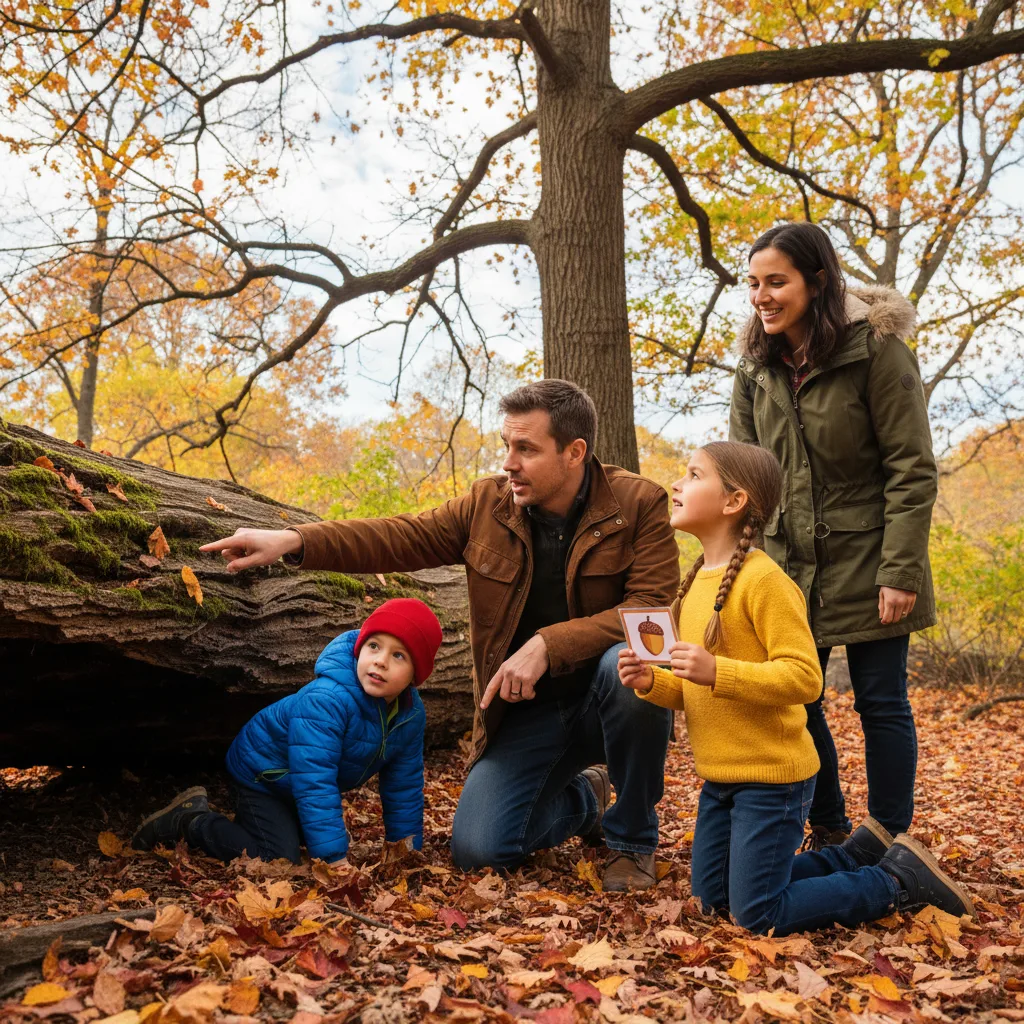
Central Park Celebrates October 2026 with Fall Foliage and Family Fun
Central Park offers a robust October 2026 calendar, featuring the new "Wonder in the Woods" family scavenger hunt on Oct 3 and the Film Festival Oct 6-9. Discover fall foliage and diverse events.
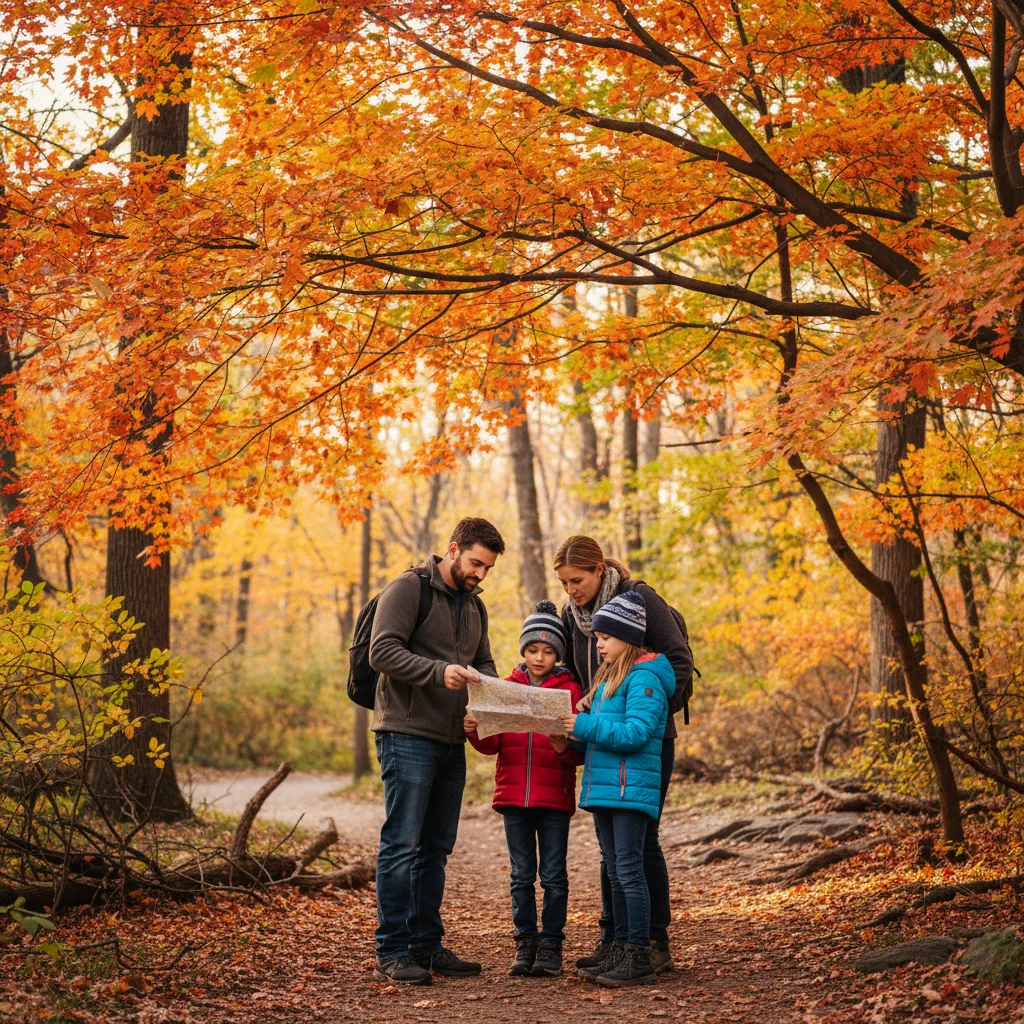
Central Park Conservancy Announces Wonder in the Woods Family Event
Central Park Conservancy announced "Wonder in the Woods," a free family scavenger hunt in the North Woods on October 3, 2026. This event connects locals with nature, offering a unique fall park experience for all ages.
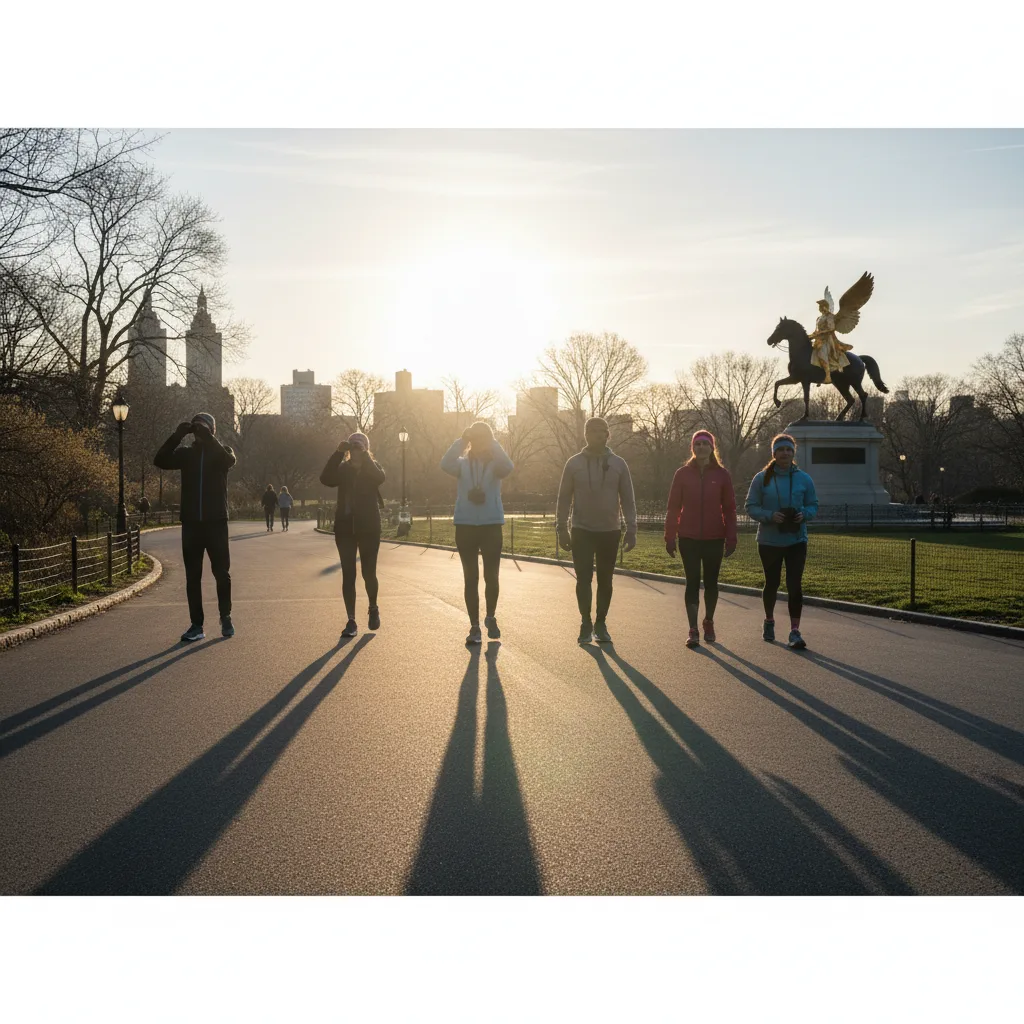
Central Park Boathouse Offers Sunrise Wellness Walk October 3, 2026
CentralPark.com highlights a Sunrise Wellness Walk and bird watching tour at the Boathouse on October 3, 2026. This offers locals a unique way to start their day, connecting with nature and fitness in the park.
Patch Calendar Confirms Central Park Events for October 2, 2026
Patch's Central Park calendar confirms a diverse schedule of Central Park events for October 2, 2026. This resource helps locals plan their day in the park.
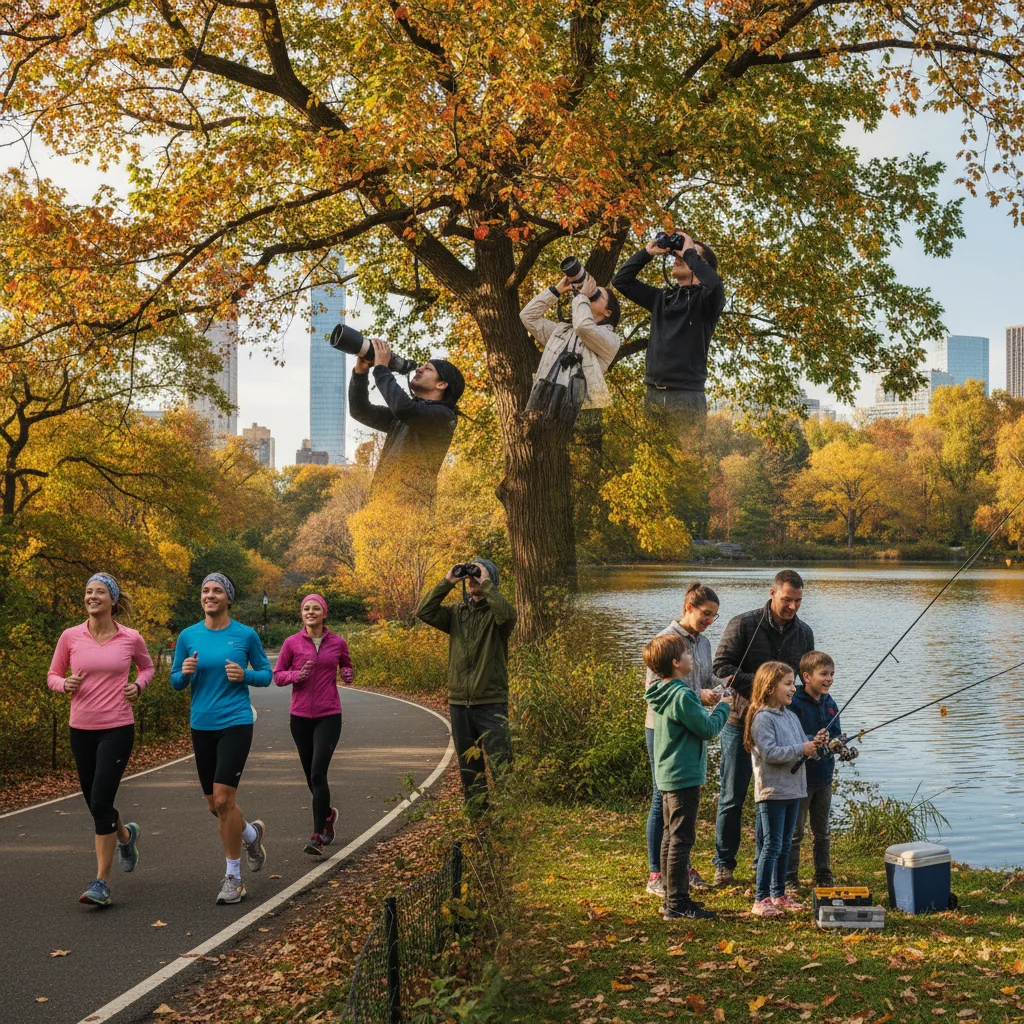
Central Park Visitors Experience Diverse Activities October 2, 2026
Central Park visitors can choose from diverse activities on October 2, 2026, including bird watching, running tours, and zoo events. A festival is also happening.