


Ryder's Law stalls: Bill to phase out NYC horse carriage industry halted by council committee

Amidst a backdrop of passionate debates and mixed opinions, the fate of Ryder's Law, a bill designed to gradually eliminate the horse carriage industry in New York City, has faced a significant setback. The bill, aimed at addressing vital animal welfare concerns, was recently stalled by a city council committee, igniting a fiery discourse on the balance between tradition and ethics in urban settings.
Background on Ryder's Law
Ryder's Law, named in honor of a horse that tragically died while working, sought to usher in an end to horse-drawn carriages in the city. Proponents of the law argue that these horses often live in poor conditions and endure significant stress while performing labor in a bustling metropolis. Animal rights advocates assert that the law would better protect these animals and promote more humane treatment, aligning with broader trends toward animal welfare across the nation.
Despite these arguments, the bill has not been without its critics. Many in the carriage industry and their supporters have raised concerns about the livelihoods at stake. They contend that horse-drawn carriages are not only a cherished part of New York's cultural heritage but also an essential source of income for numerous families dependent on the trade. This intricate battle between preserving tradition and advocating for animal rights has proven divisive among city residents.
Current Status and Future Implications
The recent halt in progress for Ryder's Law underscores the complexities surrounding legislative changes in bustling urban environments. With ongoing public outcry and political maneuvering on both sides, it remains uncertain how this debate may evolve. Advocates for the bill are mobilizing support from both the public and fellow council members, urging them to reconsider the ethical implications of allowing such practices to continue in a modern city.
In response to the stalled legislation, community forums are being organized to discuss both animal welfare and economic implications, providing a platform for open dialogue and collaboration. Many stakeholders emphasize the need for a humane resolution that addresses concerns for animal well-being while also considering the economic impact on families involved in the carriage trade.
Key Points
- Ryder's Law aims to phase out the horse carriage industry due to animal welfare issues.
- Bill stalled by city council amid diverse public opinion and economic considerations.
- Community engagement and dialogue are encouraged to seek alternative solutions.
Conclusion
As the debate surrounding Ryder's Law continues, it reflects larger ethical questions facing urban societies today. Balancing economic realities with animal rights poses a significant challenge. Moving forward, a collaborative approach may pave the way for solutions that honor both tradition and compassion, making New York City a model for modern urban animal welfare.
Related Articles
More in Urban Policy & Development →
NYC Mayor Mamdani Booed at Union Square October 7 Vigil
Mayor Mamdani faced boos and protests at a Union Square vigil Thursday marking the Oct. 7 attacks, highlighting deep community divisions in NYC.
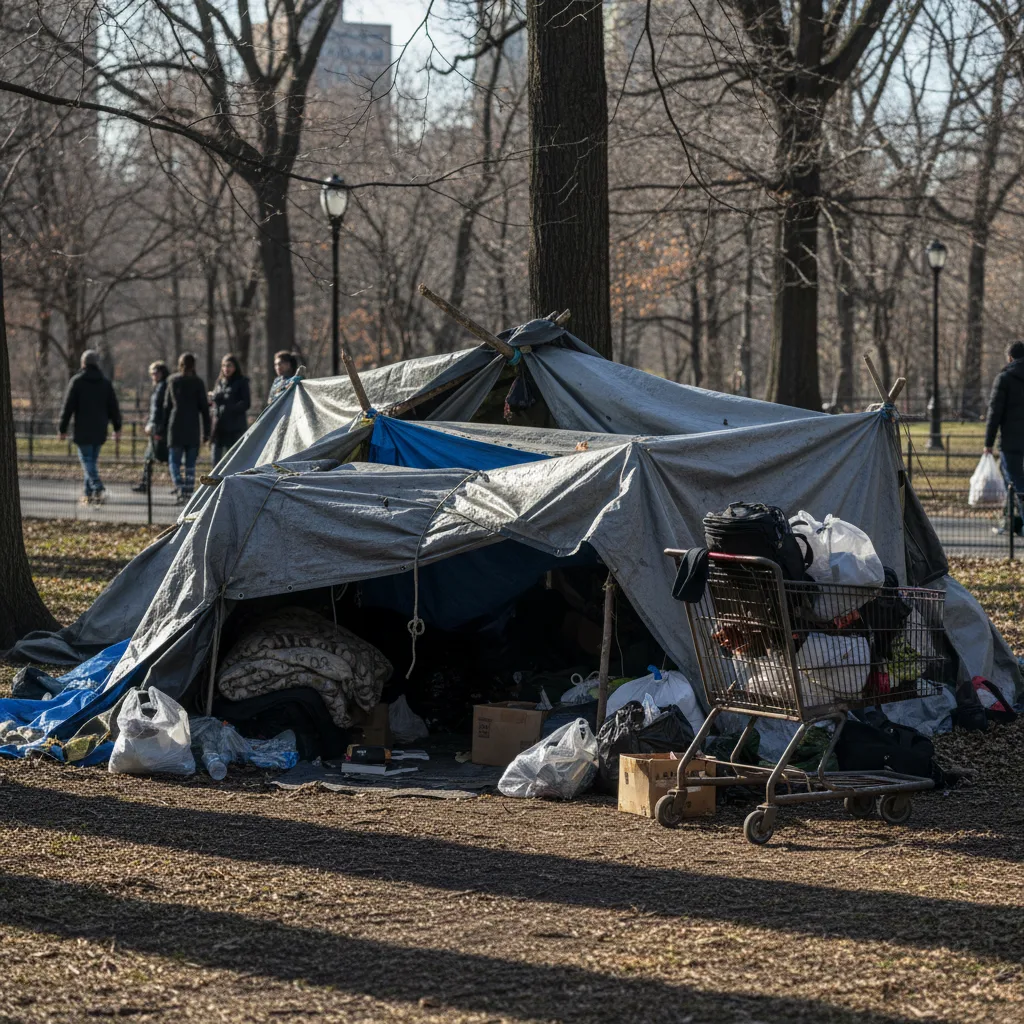
NYC Homeless Encampments Spotted Across Manhattan, Raising Concerns
Multiple homeless encampments have been spotted across Manhattan, raising significant concerns about urban policy and public safety. City officials are under pressure to address the growing homelessness crisis.
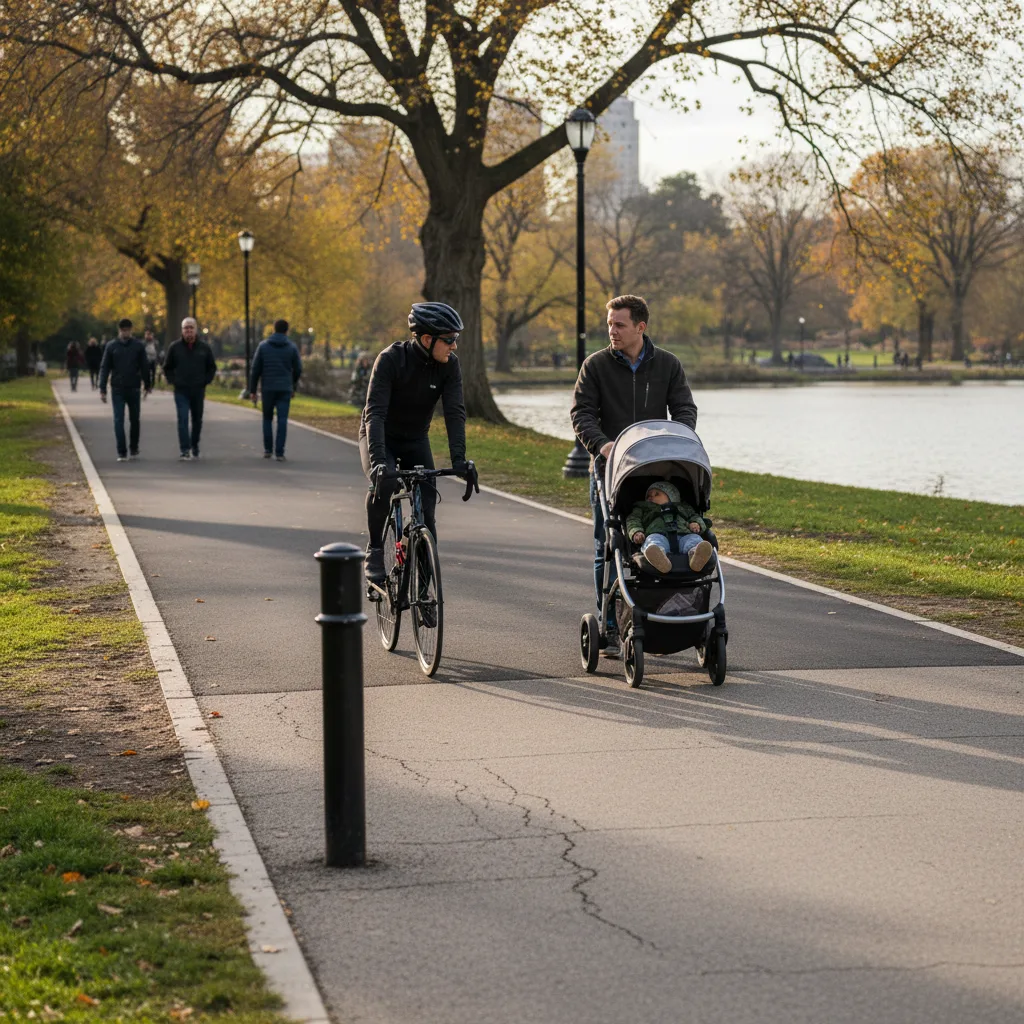
Safety Advocate Blames Park Redesign for Rising Central Park Cyclist Crashes
Safety advocates blame recent Central Park redesigns for a pedestrian's death and rising cyclist crashes, calling for urgent review of infrastructure.
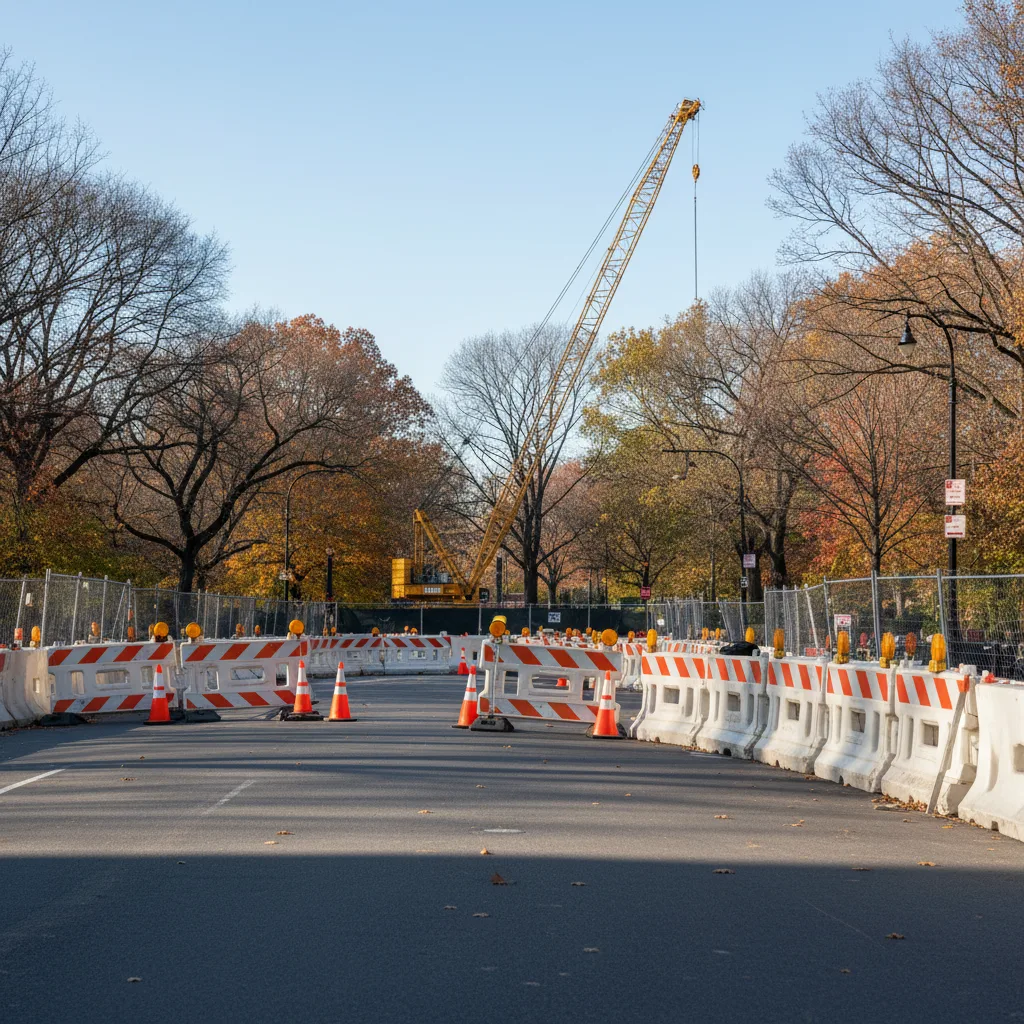
NYC DOT Advises Central Park Area Traffic Disruptions September 27
NYC DOT issued advisories for major traffic disruptions near Central Park on September 27, 2026, due to a parade and crane operations. Expect delays.

Davis Center at Harlem Meer Unveils State-of-the-Art Facilities
The new Davis Center at the Harlem Meer in Central Park's north end now features a state-of-the-art pool, ice rink, and multi-use turf field, enhancing community recreational options.

NYC City Record Confirms September 21, 2026, Publication Schedule
The NYC City Record confirmed its September 21, 2026, publication schedule, detailing administrative notices, procurement, and public hearings. This ensures transparency for municipal operations and public access to vital city information.