


Teen Struck by Lightning in Central Park, Public Safety Alert Issued

NEW YORK — A 17-year-old male was struck by lightning Tuesday afternoon while seeking shelter under a tree in Central Park during an intense thunderstorm, critically highlighting the dangers of severe weather in public spaces. The incident, which occurred near the Great Lawn at approximately 4:15 PM, sent the teenager to Mount Sinai Hospital in critical but stable condition. Authorities promptly issued a renewed public safety alert, urging park-goers to seek immediate shelter indoors during lightning activity.
The swift, unseasonable storm brought heavy rain, high winds, and frequent lightning strikes across Manhattan, catching many off guard. This incident marks the first lightning strike injury reported in Central Park in over two years, prompting immediate concern from park officials and emergency services. The NYPD and NYC Parks Department are collaborating on a review of public safety protocols and warning systems within the 843-acre park to prevent future occurrences.
Details of the Lightning Strike Incident
Eyewitnesses reported seeing a bright flash and hearing a deafening crack of thunder immediately preceding the incident near the southern edge of the Great Lawn. The teenager, identified as a student from a local high school, was reportedly sheltering under a large oak tree with a group of friends when the lightning struck. His friends, though shaken, were unharmed and quickly called 911.
Emergency medical services (EMS) arrived on the scene within minutes, providing immediate first aid before transporting the injured teen to the hospital. The force of the strike left scorch marks on the tree and a small crater in the ground nearby, clear evidence of the lightning’s devastating power. NYPD officers cordoned off the area for investigation and to ensure public safety as the storm continued to rage across the city. This incident provides a stark reminder of the unpredictable nature of severe thunderstorms.
Public Safety Advisory and Precautionary Measures
Following the incident, the NYC Parks Department, in conjunction with the National Weather Service, issued an urgent public safety advisory for all city parks. The advisory specifically warns against seeking shelter under trees during thunderstorms, as trees are often the tallest objects in an open environment and can act as lightning rods. Park officials recommend moving to a fully enclosed building or a hard-topped vehicle immediately upon hearing thunder.
“Our thoughts are with the injured young man and his family,” stated Parks Commissioner Sue Wethers. “This unfortunate incident underscores the critical importance of taking severe weather warnings seriously. When thunder roars, go indoors. There is no safe place outdoors during a lightning storm.” Signage throughout Central Park has been updated to reflect these warnings, and park rangers are actively disseminating safety information to visitors. You can check local weather advisories on The Independent.
Historical Context of Lightning Incidents in Parks
Lightning strikes, while relatively rare, are a persistent danger in large open spaces like Central Park. Records show several lightning-related injuries and fatalities in New York City parks over the decades, often involving individuals seeking shelter under trees. A notable incident occurred in 2012 when multiple people were injured by a lightning strike in Prospect Park, further emphasizing the risks associated with thunderstorms. These historical incidents inform current safety protocols.
These events highlight the need for continuous public education campaigns on lightning safety, particularly targeting park users who may be less familiar with the specific dangers. Weather patterns are becoming increasingly unpredictable, making it more crucial for urban populations to understand and respect natural hazards. The Central Park Conservancy works diligently to ensure public safety, which includes preparing for various weather events.
Park Infrastructure and Warning Systems
Central Park is equipped with an advanced weather monitoring system that provides real-time data to park officials, enabling them to issue timely warnings. This system includes sensors that detect lightning activity and alert park staff. When lightning is detected within a certain radius, park rangers are dispatched to advise visitors to seek shelter, and electronic signage may display warnings. However, the rapidity of severe storms can sometimes make immediate evacuation challenging.
Discussions are ongoing regarding the implementation of additional audible warning systems in more open areas of the park, such as the Great Lawn and Sheep Meadow, to provide more immediate alerts to large gatherings. The goal is to provide maximum notice to park visitors so they can move to safe, permanent structures, like the Met Museum or the American Museum of Natural History, located nearby. These technological enhancements are crucial for visitor well-being.
Frequently Asked Questions About Lightning Safety in Central Park
Q: What should I do if I am caught in Central Park during a lightning storm? A: If you hear thunder, you are close enough to be struck by lightning. Immediately seek shelter in a substantial building or a fully enclosed, hard-topped vehicle. Do not seek shelter under trees, in open structures like gazebos, or near metal objects. Your best bet is to head for the nearest large building.
Q: Are there designated lightning shelters in Central Park? A: No, Central Park does not have designated lightning shelters within the park boundaries in the traditional sense. The safest places are fully enclosed, permanent buildings such as the Metropolitan Museum of Art, the American Museum of Natural History, or nearby residential and commercial structures outside the park. The Loeb Boathouse can also provide limited shelter.
Q: How can I stay informed about severe weather warnings affecting Central Park? A: Monitor local weather forecasts, especially during periods of potential severe weather. You can check the National Weather Service website, local news channels like ABC7 New York, and the NYC Parks Department's official social media channels for real-time updates and advisories. Many weather apps also provide lightning strike alerts.
Q: What are the dangers of sheltering under a tree during a lightning storm? A: Trees are often the tallest objects in an open environment and are frequently struck by lightning. If you are under a tree that is struck, you are at risk of direct strike, side flash (when lightning jumps from the tree to you), or ground current (when lightning travels through the ground). It is significantly safer to be inside a building.
Related Articles
More in Safety & Crime →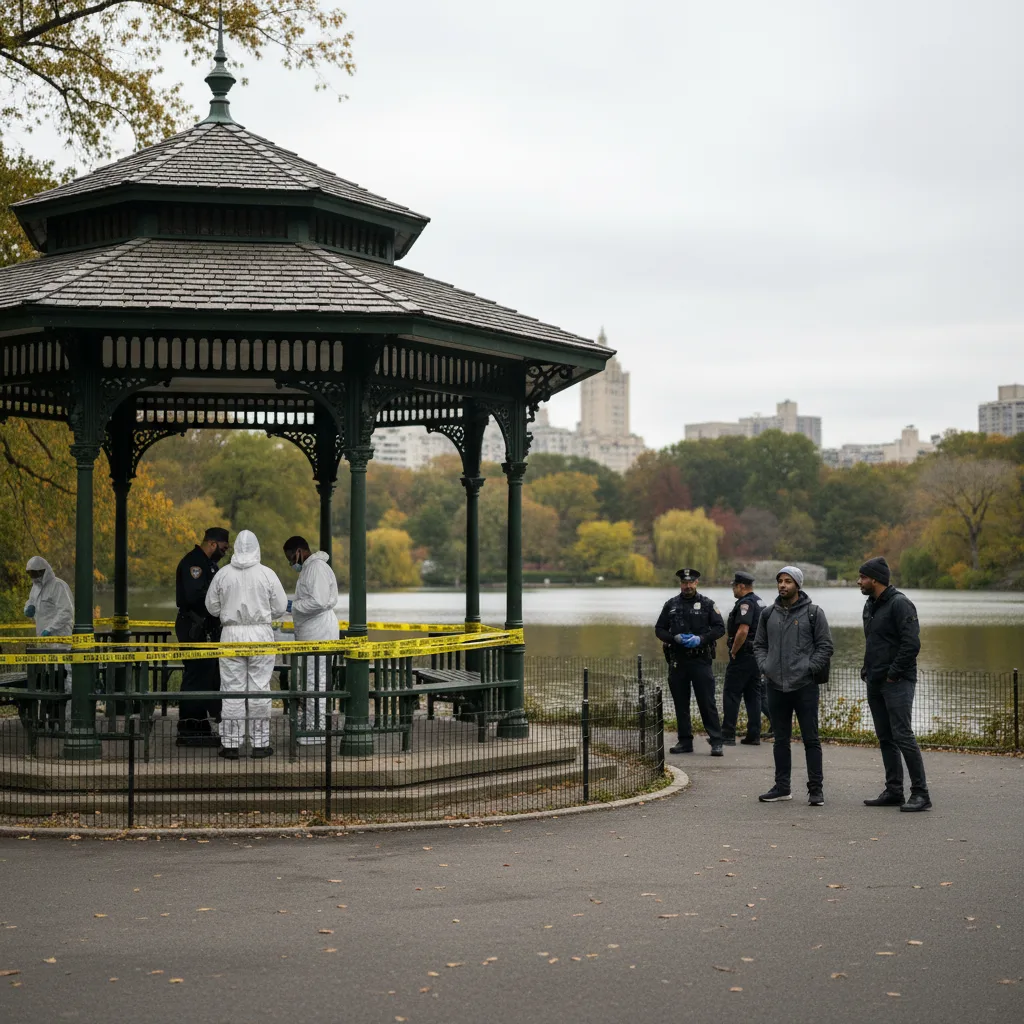
Central Park Woman Found Dead Near Boathouse Gazebo
A woman was found stabbed to death in a Central Park gazebo near the Boathouse on Sunday, prompting an active NYPD homicide investigation.
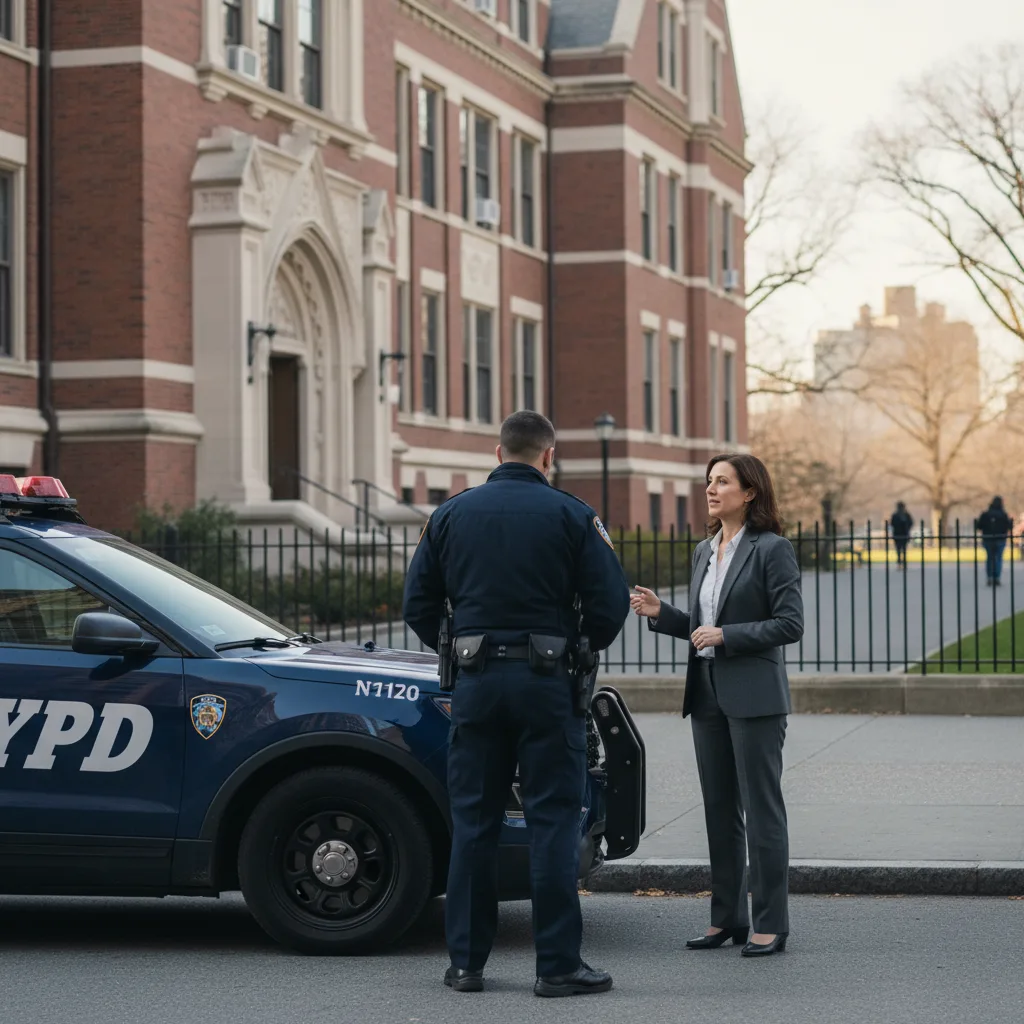
Queens Student Arrested for Bringing Gun to High School
A Queens student was arrested for bringing a gun to high school, prompting immediate law enforcement action and raising school safety concerns.
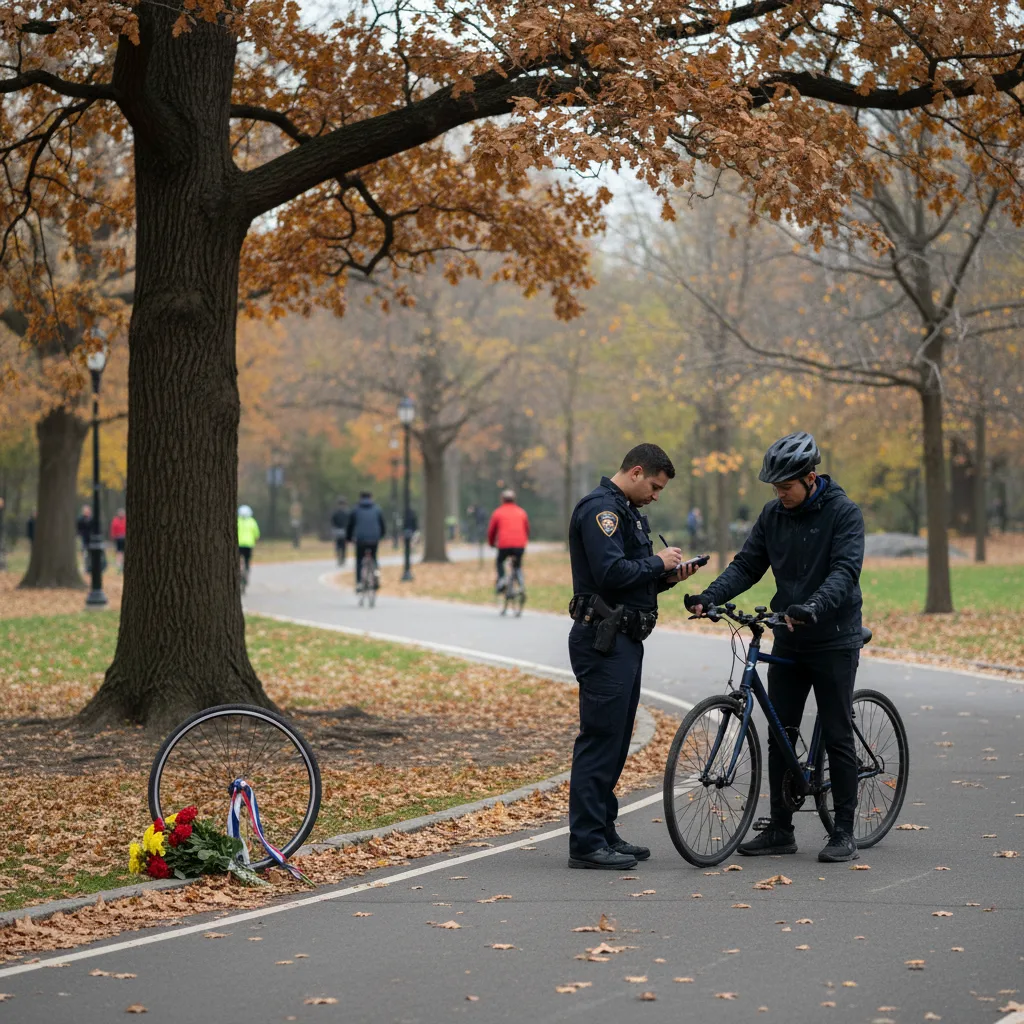
NYC Cyclist Death Prompts NYPD Ticketing Near Fatal Crash Site
NYPD stepped up cyclist ticketing near a recent fatal crash site in Central Park after a cyclist died Monday morning. Local groups demand safety reforms.
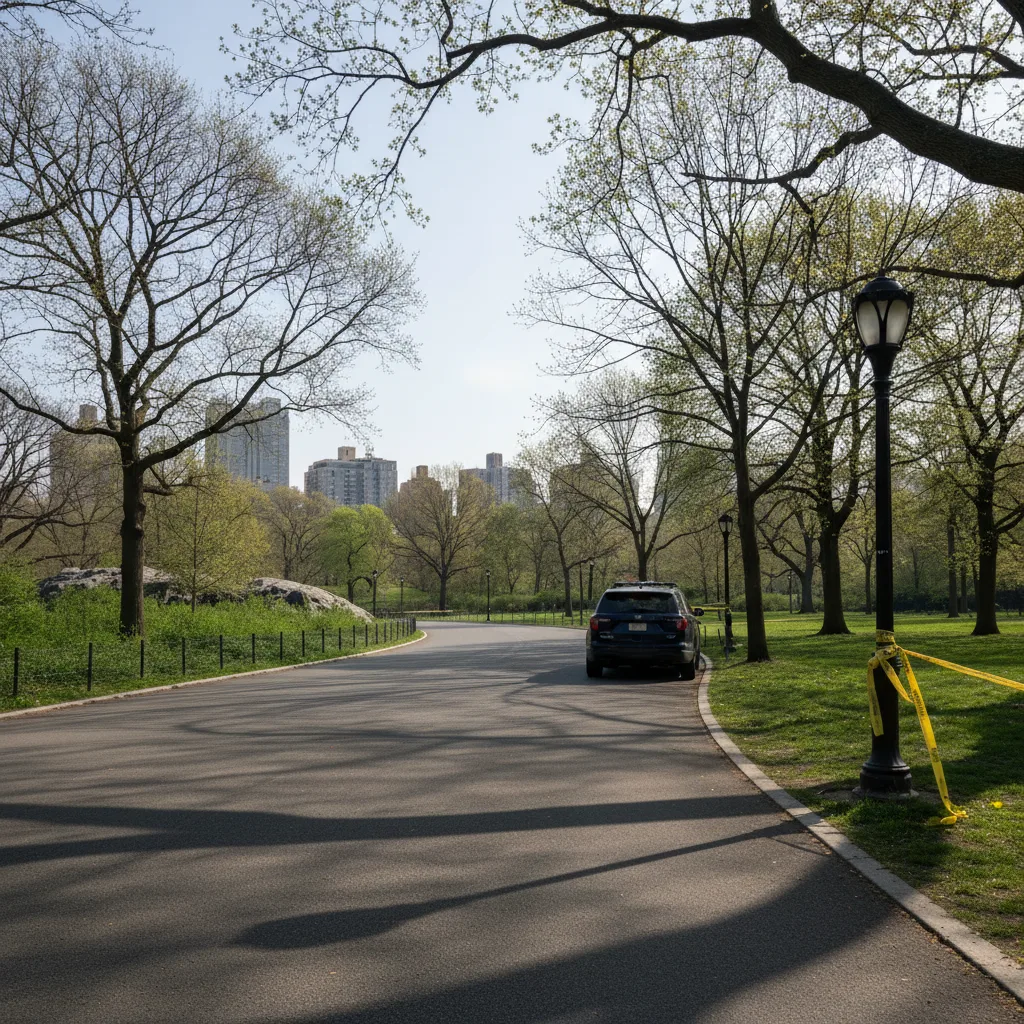
NYPD Confirms 71-Year-Old Cyclist Dies After Dog Collision in Central Park
NYPD confirms a 71-year-old cyclist died after colliding with a dog on Central Park's East Drive, near East 84th Street. The investigation is ongoing.
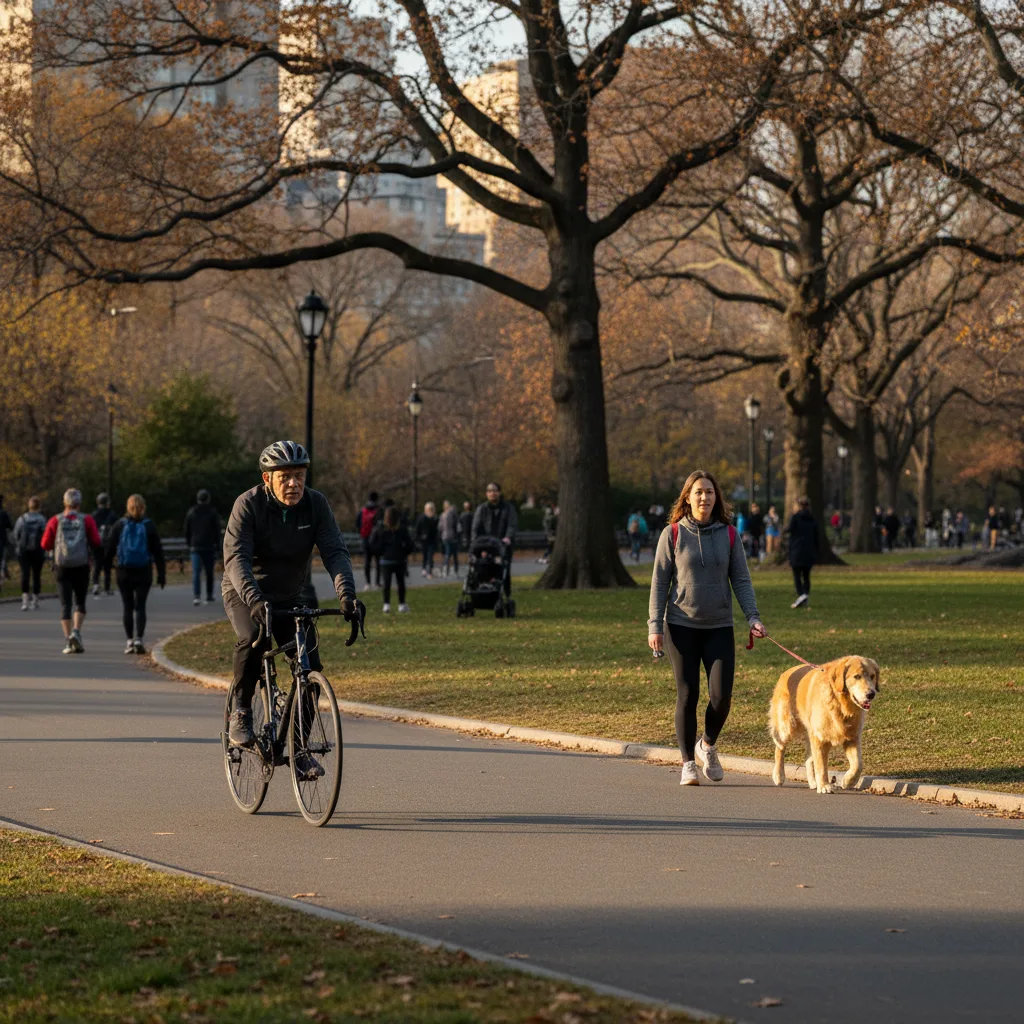
NYPD Investigates Central Park Cyclist Death After Dog Collision
NYPD confirms a 71-year-old cyclist died after colliding with a dog on Central Park's East Drive, near 84th Street. Investigation ongoing.
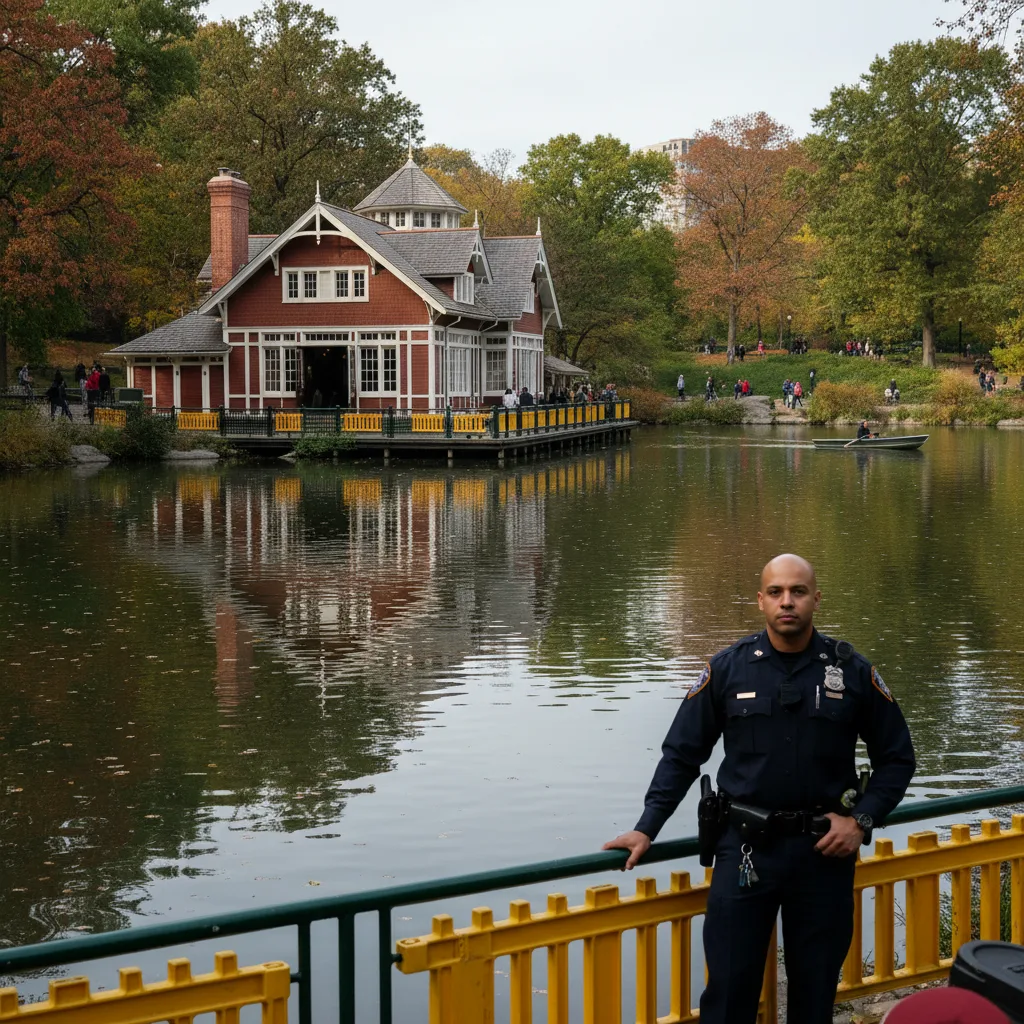
Man Charged in Central Park Beating Death of 63-Year-Old Woman
A 36-year-old man was charged with murder after a 63-year-old woman was found dead with head trauma in Central Park, NYPD confirmed.