


Teen Survives Central Park Lightning Strike Near Naumburg Bandshell

NEW YORK — "It was a miracle, honestly. One moment he was walking, the next there was this blinding flash and a crack that shook the ground," eyewitness Sarah Chen remarked, describing the terrifying moment a teenager was struck by lightning in Central Park on June 2, 2026. The 16-year-old boy, identified as Ethan Miller, miraculously survived the direct strike near the historic Naumburg Bandshell, highlighting the severe dangers of thunderstorms in open urban spaces. Rapid intervention by bystanders and emergency responders likely saved his life.
The incident occurred during an unexpected severe thunderstorm that quickly swept over Manhattan around 4:30 PM. Miller was walking with friends when the lightning bolt hit, knocking him to the ground immediately. His friends quickly called 911, and several park-goers with medical training rushed to his aid, initiating CPR before paramedics arrived. The quick actions were crucial in preventing a far more tragic outcome.
The Terrifying Moment of Impact
Ethan Miller and two companions were making their way across the Mall, heading towards Bethesda Terrace, when the skies suddenly darkened and a torrential downpour began. Warnings from the National Weather Service had been issued minutes prior, advising residents to seek shelter, but the storm's rapid intensification caught many off guard. A powerful bolt of lightning descended from the turbulent clouds, striking a nearby tree and then arcing to where Miller was walking.
Witnesses described hearing a deafening boom and seeing a bright, blue-white flash. "I saw him fall instantly. It was like he just collapsed," recounted David Goldberg, a tourist from Boston who was sheltering under a tree near the Bandshell. "His friends were screaming, and then people just ran to help." Miller suffered severe burns and went into cardiac arrest, but the immediate CPR performed by a retired nurse and an off-duty firefighter helped stabilize him.
Emergency Response and Medical Care
Within minutes of the 911 call, units from the New York City Fire Department (FDNY) and EMS arrived on the scene. Paramedics continued life-saving measures, using a defibrillator to restore Miller's heart rhythm. He was then swiftly transported to Mount Sinai Hospital, located just a few blocks from the park, in critical but stable condition. His parents were notified and rushed to the hospital.
Dr. Anya Sharma, Chief of Emergency Medicine at Mount Sinai, later confirmed that Miller was conscious and responsive, though in significant pain, and was expected to make a full recovery. "The fact that he received immediate CPR was absolutely paramount to this positive outcome," Dr. Sharma told reporters outside the hospital. "It truly underscores the importance of bystander training in first aid and CPR, especially in public areas like Central Park."
Park Safety During Thunderstorms
The incident served as a stark reminder of the perils associated with open spaces during electrical storms. Officials from the NYC Parks Department and the Central Park Conservancy reiterated their warnings for park visitors. "When you hear thunder, you need to seek immediate shelter indoors, not under trees or in open fields," advised Parks Commissioner Sue W. Donoghue in a public statement. "Lightning can strike even before rain begins and up to 30 minutes after it stops."
Central Park features several designated shelters and public buildings, such as the Central Park Dairy Visitor Center and the Charles A. Dana Discovery Center near 110th Street, which are safe havens during severe weather. Electronic signage throughout the park also provides real-time weather alerts. The lightning strike prompted a temporary closure of several park sections for safety inspections and tree assessments by the Conservancy's forestry team.
Community Reaction and Prevention Efforts
The community expressed profound relief at Miller's survival and concern about the unpredictable nature of summer storms. "It's terrifying to think something like that could happen," commented Lisa Chang, a mother watching her children play at a nearby playground. "We always think about heat, but not lightning here in the city." The event prompted several local schools and community centers to announce free CPR and first aid training sessions for residents.
As summer approaches, authorities will increase public awareness campaigns regarding lightning safety. These efforts will include digital alerts, prominent signage, and social media outreach. The goal is to educate visitors on the '30/30 Rule': if the time between seeing lightning and hearing thunder is 30 seconds or less, lightning is a threat, and one should stay indoors for 30 minutes after the last thunderclap. For more information on Central Park events and safety, visit Central Park news, breaking stories.
Frequently Asked Questions About Central Park Lightning Safety
What happened to the teenager in Central Park? A 16-year-old boy, Ethan Miller, was struck by lightning near the Naumburg Bandshell in Central Park on June 2, 2026, during a severe thunderstorm. He miraculously survived due to immediate bystander CPR and rapid emergency response. How severe were the teenager's injuries? Ethan Miller suffered severe burns and experienced cardiac arrest. He was quickly transported to Mount Sinai Hospital and is now in stable condition, expected to make a full recovery, largely thanks to the swift first aid he received. What should you do if you are in Central Park during a thunderstorm? The NYC Parks Department advises seeking immediate shelter indoors, not under trees or in open fields, when thunder is heard. Safe havens include public buildings within the park, such as the Dairy Visitor Center or the Dana Discovery Center. What is the '30/30 Rule' for lightning safety? The '30/30 Rule' states that if the time between seeing lightning and hearing thunder is 30 seconds or less, you should seek shelter. You should remain indoors for at least 30 minutes after the last clap of thunder.
Related Articles
More in Weather & Health →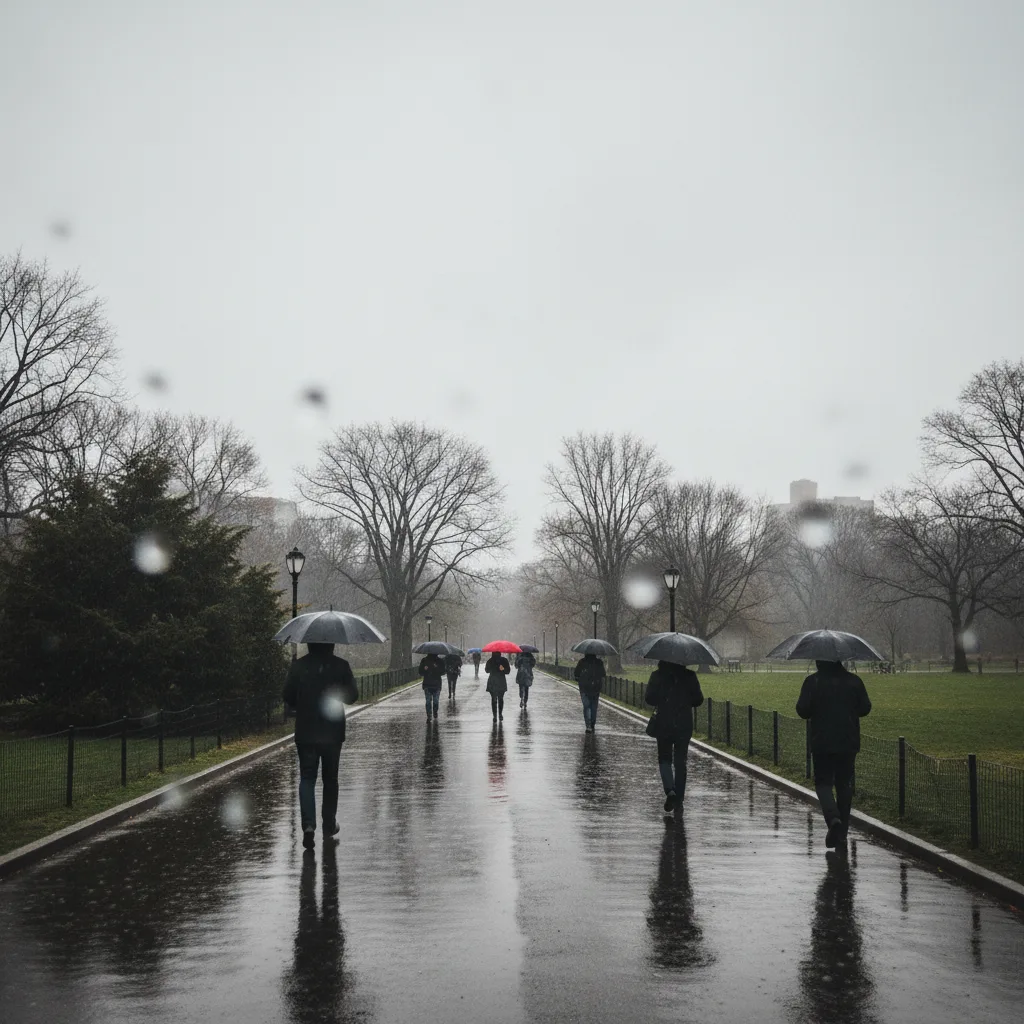
Central Park Radar Shows Current Rain Conditions and Near-Term Updates
Central Park visitors are seeing current rain conditions and near-term precipitation updates on AccuWeather radar, affecting outdoor activities and park operations.

September 2026 Central Park Weather Forecast Reveals Mild Conditions
Central Park's September 2026 weather forecast projects mild daily highs between 70-82°F and lows 57-66°F. Plan outdoor activities; comfortable conditions expected for park visitors.
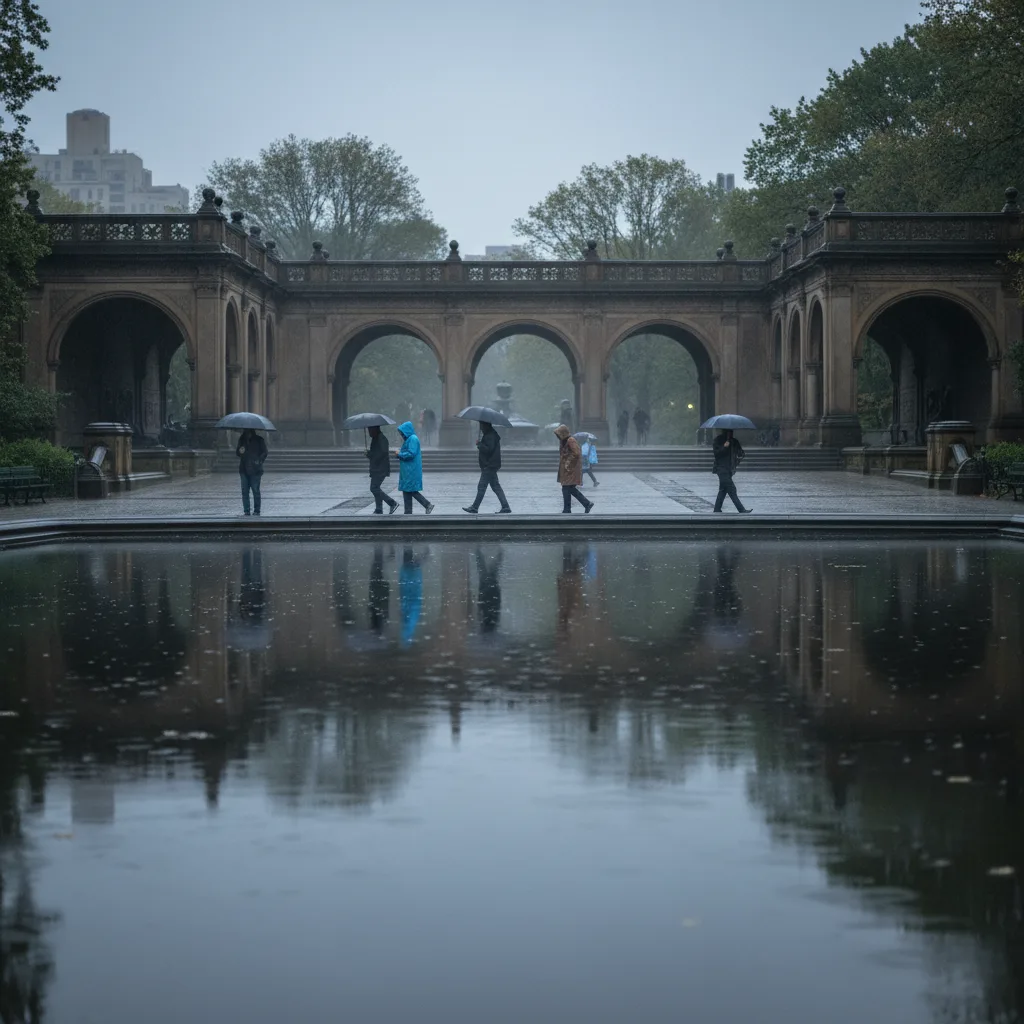
Central Park Visitors Face Intermittent Rain, Cooler Temps Sunday Night
Central Park experienced cool temperatures and intermittent rain on Sunday, September 27, 2026, with a temperature of 57.0°F recorded. Visitors should plan accordingly.
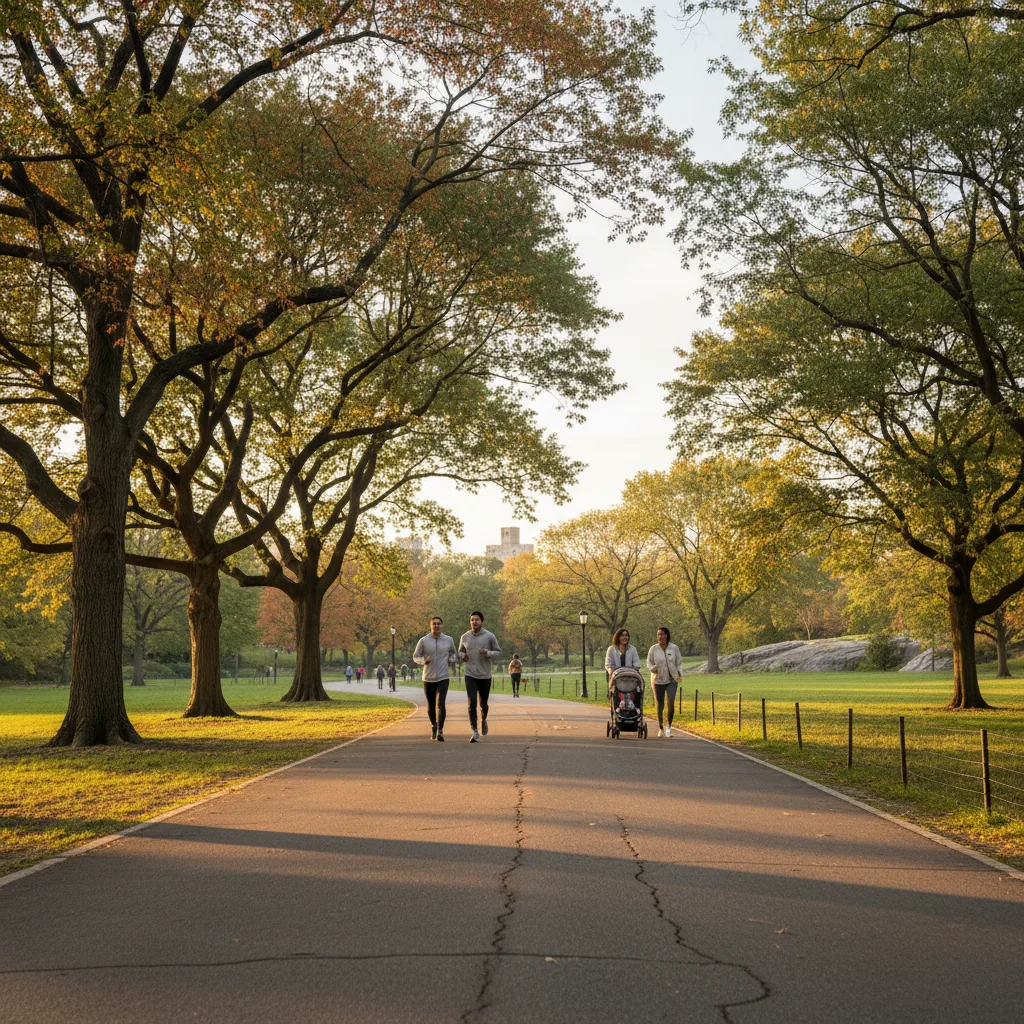
Central Park Records 72°F Max, 58°F Min Temperatures September 27
Central Park observed a maximum temperature of 72°F and minimum of 58°F on Sunday, September 27, 2026, according to the NWS climatological report.
AccuWeather Forecasts 64°F, 59°F for Central Park September 27
AccuWeather forecast a high of 64°F and low of 59°F for Central Park on September 27, 2026, slightly below monthly averages, indicating a cooler day.
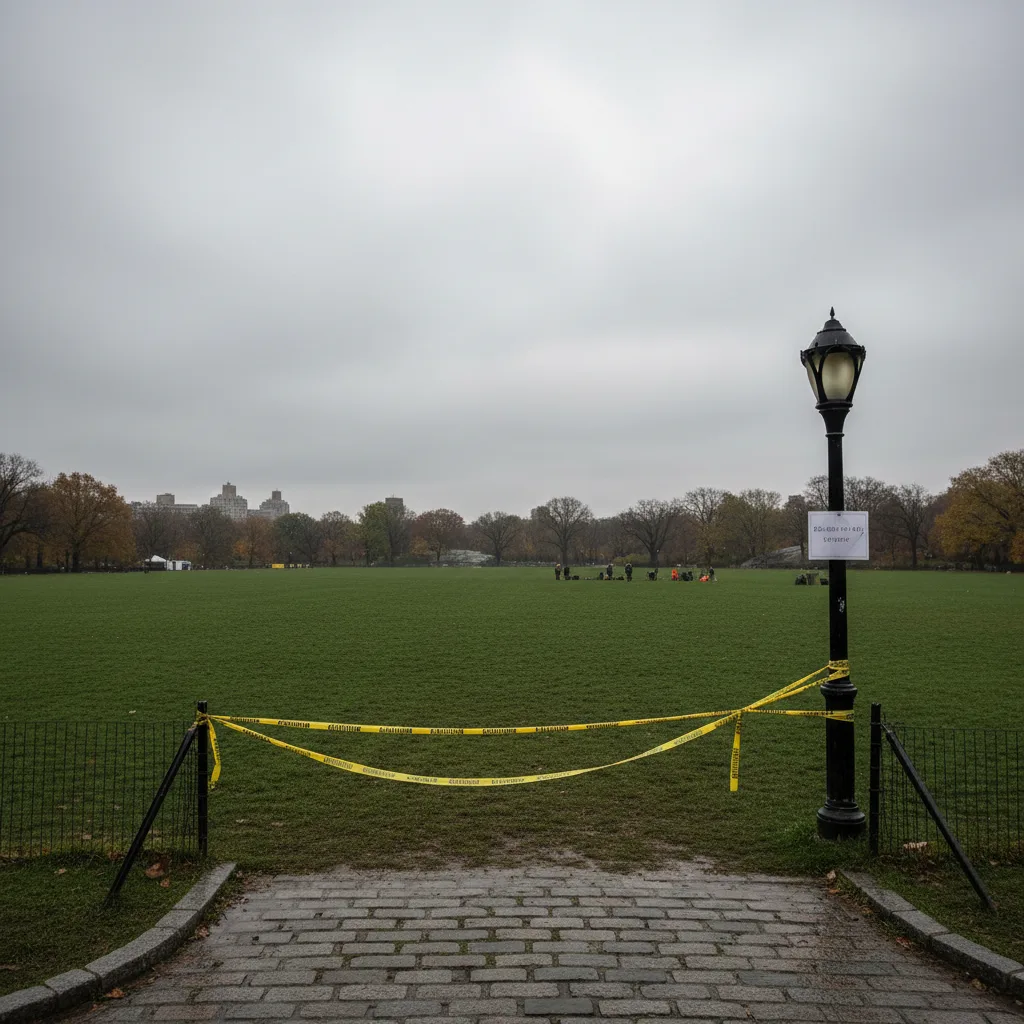
Global Citizen Festival in Central Park Canceled Due to Nor'easter Threat
Global Citizen Festival in Central Park was canceled Thursday due to an approaching nor'easter, affecting thousands and prompting safety concerns. New Yorkers should check for updated park alerts and traffic changes related to the storm.