


Teenager Stable After Lightning Strike Near Central Park Carousel

NEW YORK — A 15-year-old male was struck by lightning in Central Park on Wednesday afternoon, near the iconic Central Park Carousel, during a sudden and intense thunderstorm. Emergency services confirmed the teenager is in stable condition at NewYork-Presbyterian Weill Cornell Medical Center, but the incident has prompted urgent reminders about storm safety in public spaces.
"He was extremely lucky," stated Dr. Emily Rodriguez, head of emergency medicine at NewYork-Presbyterian, during a brief statement to the media on Thursday morning. "Initial reports indicated a direct strike, but he sustained non-life-threatening injuries, primarily burns and temporary cardiac irregularities. He's recovering well." The swift response by park visitors and first responders was credited with preventing more severe outcomes.
Incident Details and Rapid Response
The lightning strike occurred around 4:15 PM on March 13, 2026, as a fast-moving storm cell unexpectedly moved over Manhattan. The teenager, identified as Michael S., was sheltering under a large oak tree approximately 50 feet from the Central Park Carousel, located mid-park at 65th Street. Witnesses described a sudden, deafening crack, followed by Michael collapsing.
Several nearby park-goers, including an off-duty nurse, immediately rushed to his aid, initiating CPR. Paramedics from the FDNY arrived within minutes, continuing advanced life support before transporting him to the hospital. "The quick actions of those bystanders were absolutely critical," confirmed FDNY Captain Robert Davies, speaking at the scene later that evening near the Heckscher Playground. "Their immediate intervention made all the difference."
Central Park's Vulnerability to Lightning
Central Park, with its vast open spaces and numerous tall trees, can be particularly vulnerable during electrical storms. While city officials routinely issue weather advisories, the sudden nature of some thunderstorms leaves little time for evacuation. The National Weather Service (NWS) had issued a severe thunderstorm watch for New York City approximately 30 minutes before the incident.
Experts advise against sheltering under trees during lightning, as trees can act as conductors, and side flashes can be deadly. Open-air structures like the Central Park Bandshell or nearby buildings offer better protection. "When thunder roars, go indoors," is the NWS's key safety message, emphasized Dr. Sarah Lee, a meteorologist at Columbia University. "No outdoor place is truly safe during an electrical storm, but avoiding tall objects and open fields is paramount."
Community Concern and Safety Reminders
The incident generated significant concern among local residents and park users. Parents, in particular, voiced anxieties about children playing in the park during unpredictable weather. The Central Park Conservancy reiterated its guidelines for visitor safety, urging everyone to heed weather warnings and seek immediate shelter in permanent buildings when storms approach.
Park rangers and NYPD officers deployed across Central Park actively advised visitors to evacuate during the storm. Many took refuge in nearby structures such as the Dairy Visitor Center and the American Museum of Natural History. For ongoing updates regarding park alerts and safety, please refer to the Central Park Conservancy's official alerts page.
Preventing Future Incidents
In light of the lightning strike, the Central Park Conservancy and NYC Parks Department are reviewing their public alert systems and park signage. They plan to enhance visual and auditory warnings during severe weather events, particularly in high-traffic areas like the Carousel and the Bethesda Terrace. These efforts complement the existing system, which includes mobile app notifications and digital displays.
City officials also plan to launch a public awareness campaign, specifically targeting summer visitors, on the dangers of lightning and appropriate safety responses. "Our goal is to ensure every visitor understands the risks and knows how to react swiftly," stated Parks Commissioner Sue Ellen Chen, addressing local press at the Arsenal building on Fifth Avenue. "This tragic event reminds us of nature's power and our responsibility to educate the public."
Frequently Asked Questions About Lightning Safety in Parks
What are the safest places to seek shelter in Central Park during a lightning storm? The safest places to seek shelter in Central Park during a lightning storm are sturdy, enclosed buildings such as the American Museum of Natural History, the Metropolitan Museum of Art, or nearby cafés and shops outside the park perimeter. Avoid open areas, tall trees, and water bodies. How can I stay informed about severe weather alerts while in Central Park? Visitors can stay informed by checking local weather forecasts, signing up for NYC emergency alerts, and using mobile apps that provide real-time weather updates. Park rangers and NYPD officers also disseminate information during severe weather, and the Central Park Conservancy website posts official alerts. What should I do if someone is struck by lightning? If someone is struck by lightning, immediately call 911 for emergency medical assistance. If it is safe to approach, assess the victim's breathing and pulse, and be prepared to perform CPR if necessary. Lightning strike victims do not carry an electrical charge, so it is safe to touch them. For general Central Park planning, see Your Complete Guide to the Park.
Related Articles
More in Weather & Health →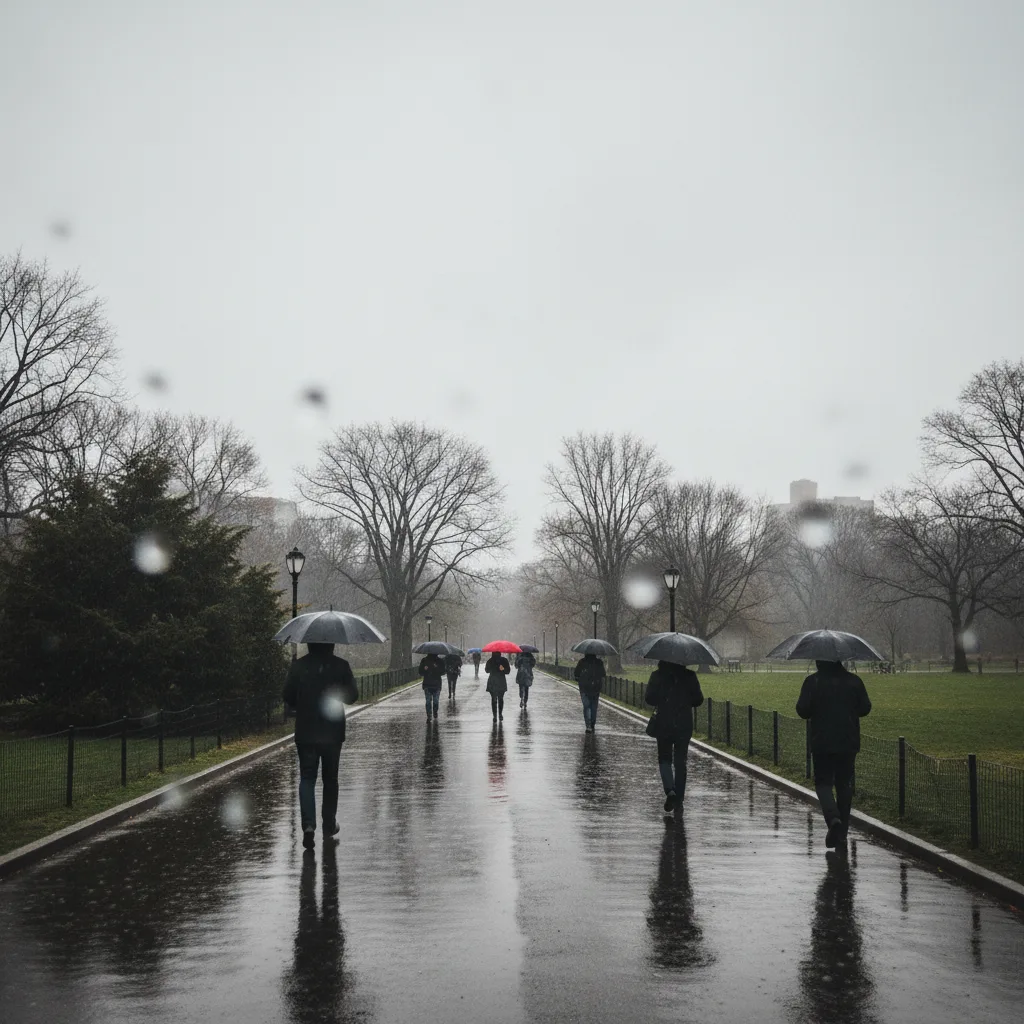
Central Park Radar Shows Current Rain Conditions and Near-Term Updates
Central Park visitors are seeing current rain conditions and near-term precipitation updates on AccuWeather radar, affecting outdoor activities and park operations.

September 2026 Central Park Weather Forecast Reveals Mild Conditions
Central Park's September 2026 weather forecast projects mild daily highs between 70-82°F and lows 57-66°F. Plan outdoor activities; comfortable conditions expected for park visitors.
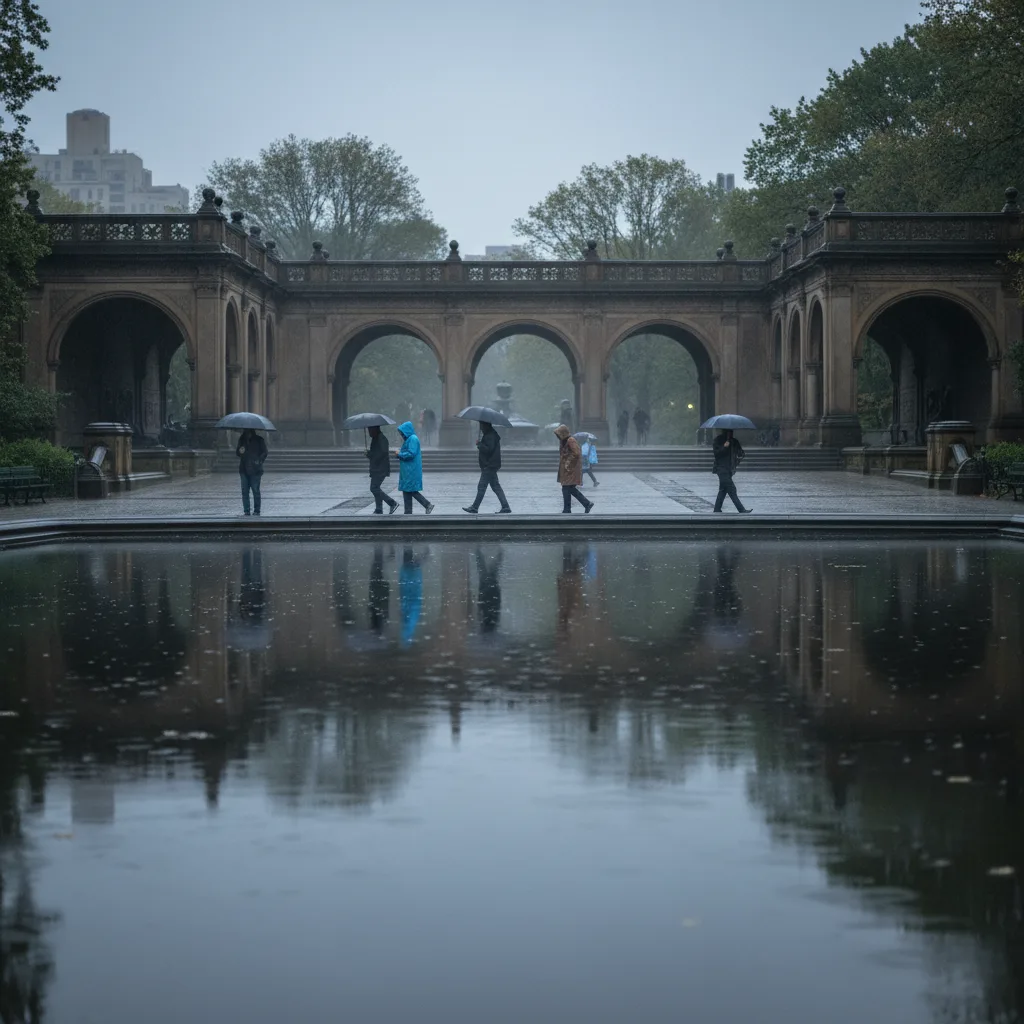
Central Park Visitors Face Intermittent Rain, Cooler Temps Sunday Night
Central Park experienced cool temperatures and intermittent rain on Sunday, September 27, 2026, with a temperature of 57.0°F recorded. Visitors should plan accordingly.
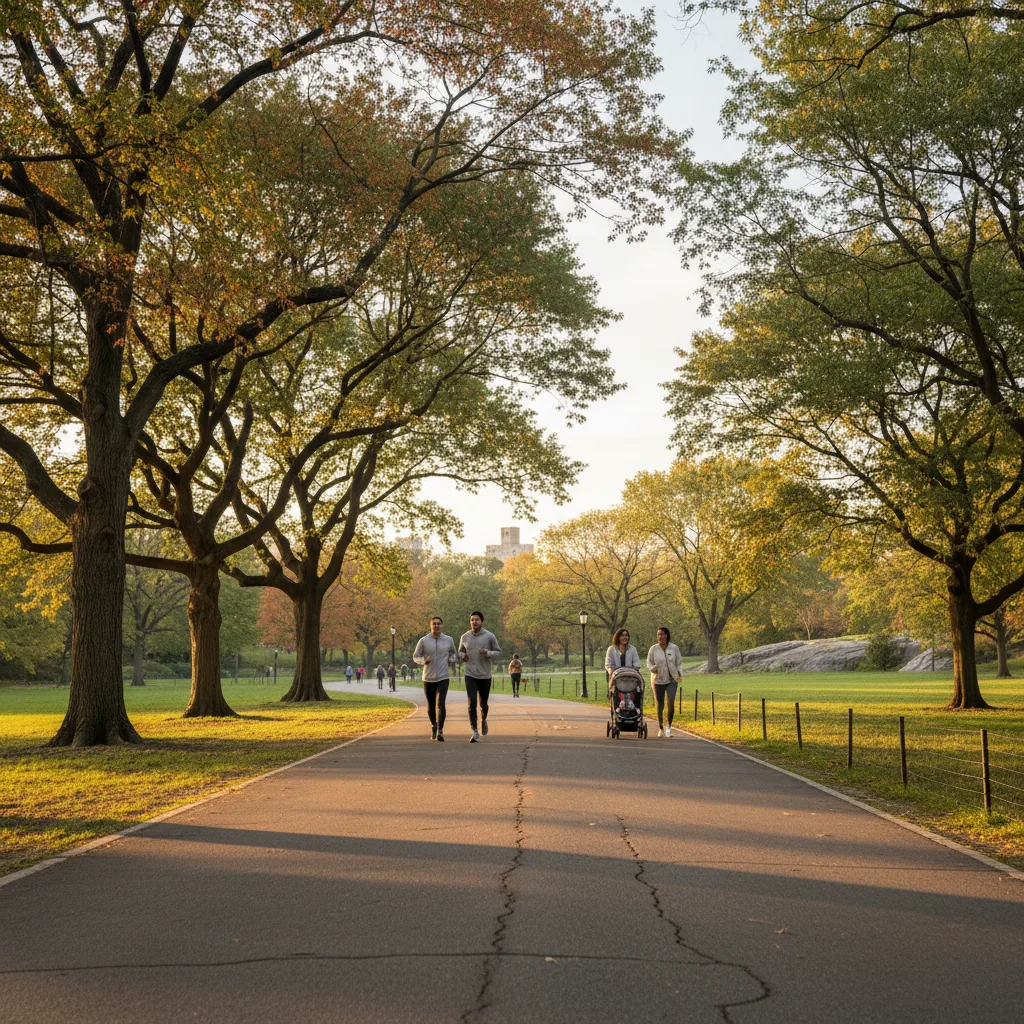
Central Park Records 72°F Max, 58°F Min Temperatures September 27
Central Park observed a maximum temperature of 72°F and minimum of 58°F on Sunday, September 27, 2026, according to the NWS climatological report.
AccuWeather Forecasts 64°F, 59°F for Central Park September 27
AccuWeather forecast a high of 64°F and low of 59°F for Central Park on September 27, 2026, slightly below monthly averages, indicating a cooler day.
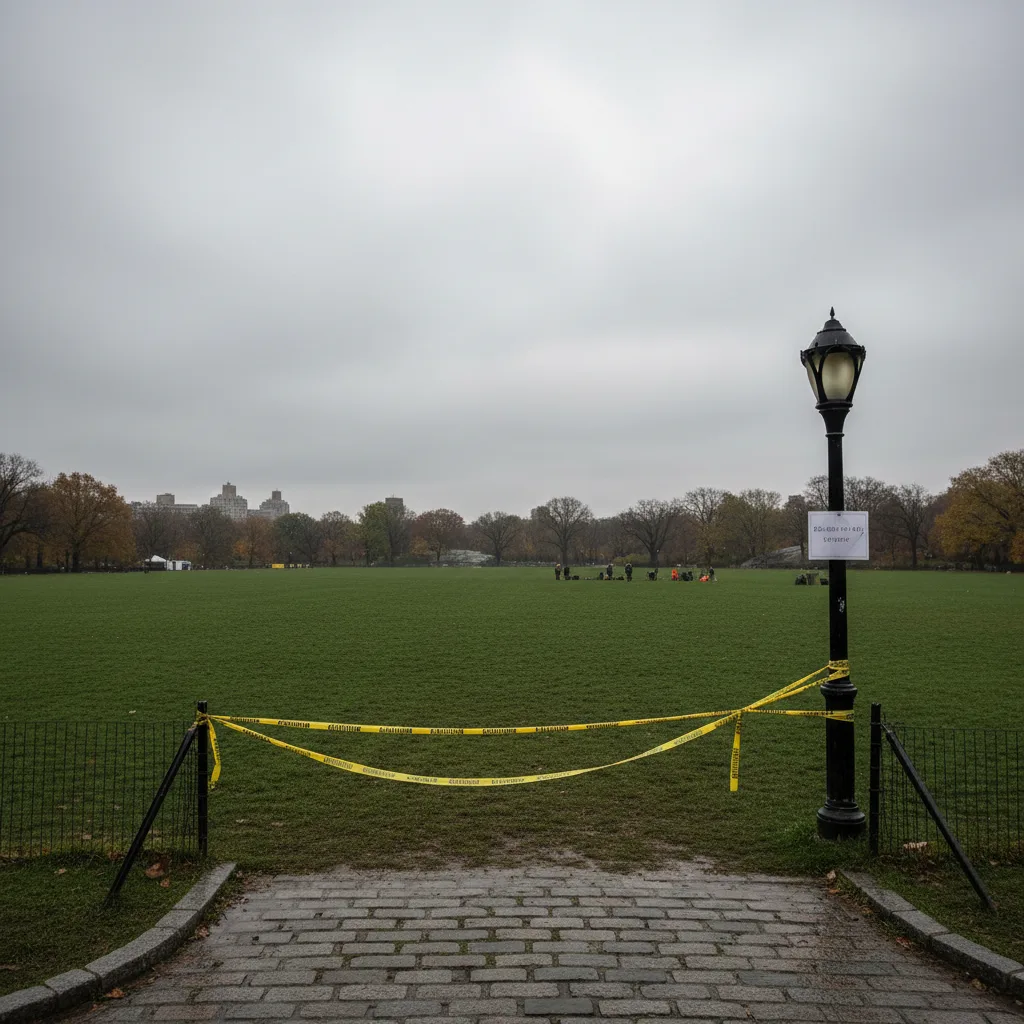
Global Citizen Festival in Central Park Canceled Due to Nor'easter Threat
Global Citizen Festival in Central Park was canceled Thursday due to an approaching nor'easter, affecting thousands and prompting safety concerns. New Yorkers should check for updated park alerts and traffic changes related to the storm.