


Thousands March from Central Park to Times Square in 'No Kings' Event

NEW YORK — A massive "No Kings" march, originating near Central Park, filled Times Square with thousands of participants on March 28, 2026, marking a significant demonstration of public sentiment. The event, which included notable public figures, underscored mounting calls for political change and accountability amidst a period of international tension.
The procession, stretching for blocks, moved purposefully through Manhattan’s commercial heart, drawing attention from tourists and residents alike. Organizers emphasized the unity of purpose among the diverse crowd, aiming to send a clear message to national leaders regarding various pressing issues. This large-scale event built upon earlier, smaller demonstrations held throughout the city.
Celebrity and Public Official Participation
The march garnered significant media attention due to the presence of several prominent figures, including New York Attorney General Letitia James, civil rights activist Al Sharpton, and acclaimed actor Robert De Niro. Their participation lent considerable weight and visibility to the "No Kings" movement's message.
Attorney General James was observed marching alongside constituents, emphasizing the importance of civic engagement and protecting democratic institutions. Videos shared widely on social media platforms showed Sharpton addressing the crowd, advocating for marginalized communities and systemic reforms. De Niro, a vocal critic of current political leadership, walked near the front of the procession, drawing cheers from fellow demonstrators.
The Message Behind the March
The "No Kings" movement broadly critiques what it perceives as an autocratic style of governance and a departure from democratic norms. While specific demands varied among participants, a unifying theme centered on greater transparency, accountability, and a rejection of policies seen as harmful to the public interest. The intensifying conflict in the Middle East and its economic repercussions for New Yorkers were frequently cited concerns.
Many signs called for an end to military interventions and highlighted the domestic impact of global conflicts, such as rising gas prices and inflation. The presence of such a large and diverse group in the heart of New York City aimed to demonstrate widespread dissatisfaction with the status quo. This collective voice represented a significant portion of the city's population seeking change.
Route Logistics and Crowd Management
Starting near the southeastern edge of Central Park, participants began to gather early in the morning, creating a vibrant atmosphere of anticipation. The planned route efficiently guided the large numbers of people from the serene park environment into the bustling urban landscape of Midtown Manhattan. Police presence was well-coordinated to ensure safety and minimize disruption.
NYPD officers facilitated traffic flow, temporarily closing streets as the march progressed towards Times Square, where a stage had been erected for speakers. The strategic routing through high-visibility areas like Fifth Avenue and Broadway was crucial for maximizing the march’s impact and media coverage. City officials praised the cooperation between organizers and law enforcement, which contributed to the event's peaceful execution.
Community Reaction and Future Implications
Local residents expressed a mix of support, curiosity, and minor inconvenience due to the march. Many businesses along the route capitalized on the increased foot traffic, while others adjusted their operations for the day. The sheer scale of the event sparked conversations in neighborhoods bordering Central Park and throughout Manhattan.
Community leaders noted that such large-scale civic actions reflect a heightened sense of political engagement among New Yorkers. The sustained nature of the "No Kings" protests suggests that the movement will continue to be a force in public discourse, potentially influencing upcoming local and national elections. The march's success may also inspire similar large-scale demonstrations in other major cities across the country.
Frequently Asked Questions About the Times Square March
Who participated in the "No Kings" march? Thousands of individuals participated, including notable figures like Attorney General Letitia James, Al Sharpton, and Robert De Niro. What was the march's route? The march started near Central Park, proceeded down Fifth Avenue, and culminated in Times Square. What is the main message of the "No Kings" movement? The movement critiques autocratic governance, calls for greater transparency and accountability, and protests policies seen as harmful to public interest and peace. Were there any incidents during the march? The New York City Police Department reported no significant incidents, highlighting the peaceful nature of the large-scale demonstration. How did the march impact local businesses? Businesses along the route experienced varied impacts, with some benefiting from increased foot traffic and others adapting to temporary disruptions. What is the significance of the march's scale? The massive turnout signifies widespread public dissatisfaction and heightened political engagement among New Yorkers regarding national and global issues.
Related Articles
More in Urban Policy & Development →
NYC Mayor Mamdani Booed at Union Square October 7 Vigil
Mayor Mamdani faced boos and protests at a Union Square vigil Thursday marking the Oct. 7 attacks, highlighting deep community divisions in NYC.
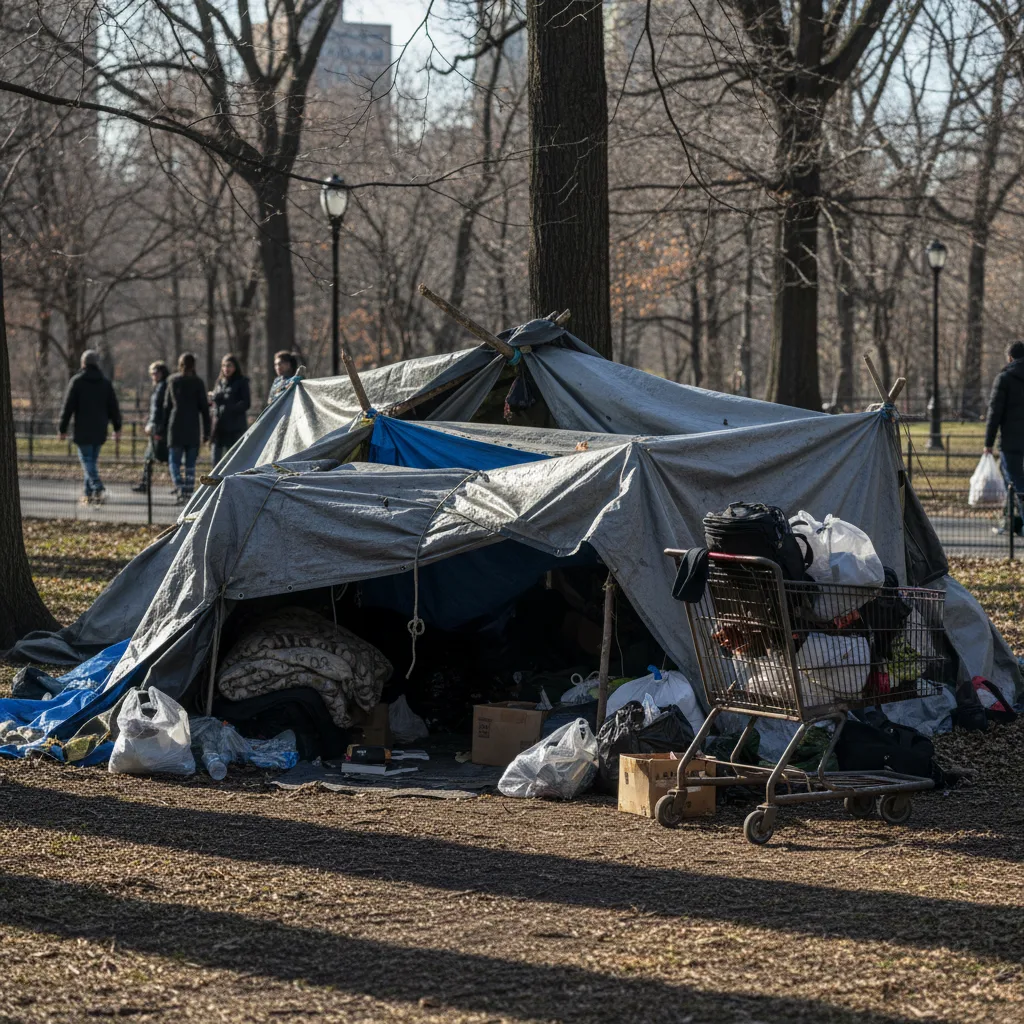
NYC Homeless Encampments Spotted Across Manhattan, Raising Concerns
Multiple homeless encampments have been spotted across Manhattan, raising significant concerns about urban policy and public safety. City officials are under pressure to address the growing homelessness crisis.
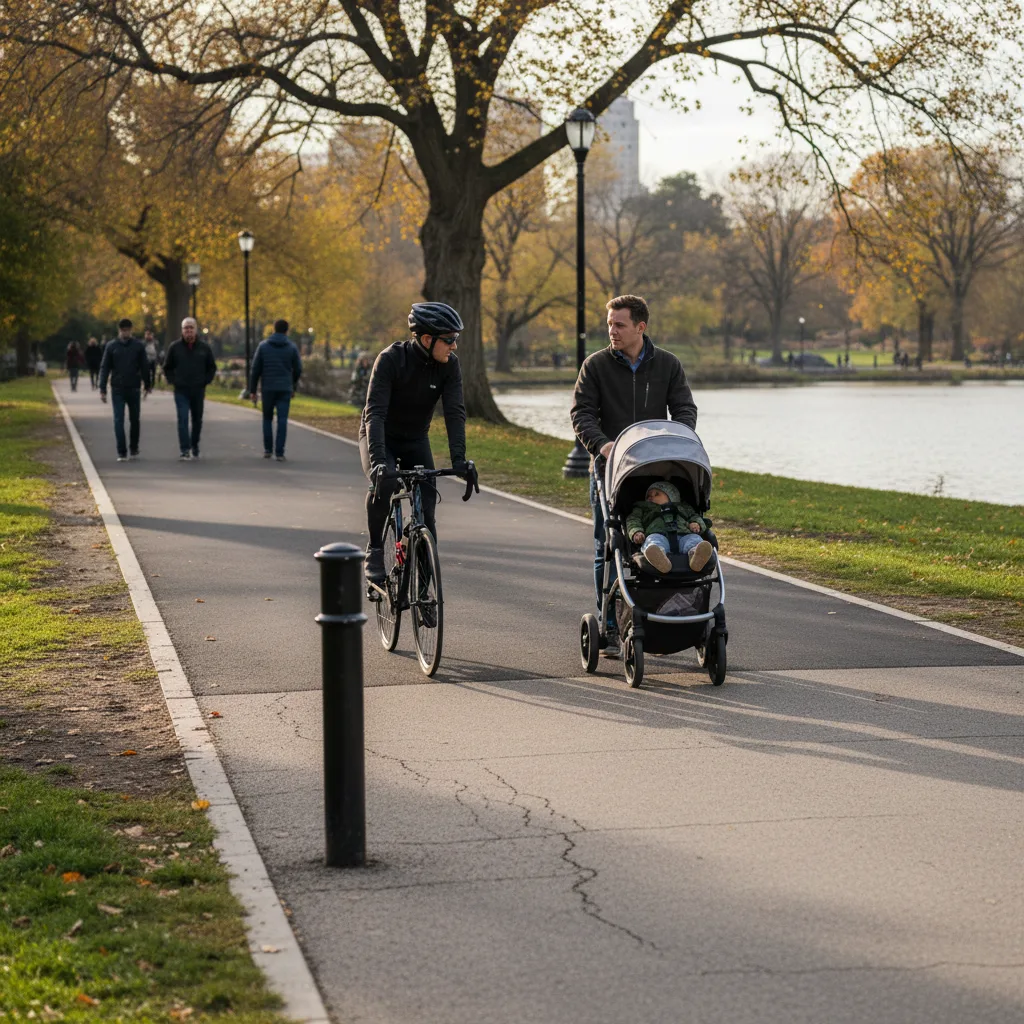
Safety Advocate Blames Park Redesign for Rising Central Park Cyclist Crashes
Safety advocates blame recent Central Park redesigns for a pedestrian's death and rising cyclist crashes, calling for urgent review of infrastructure.
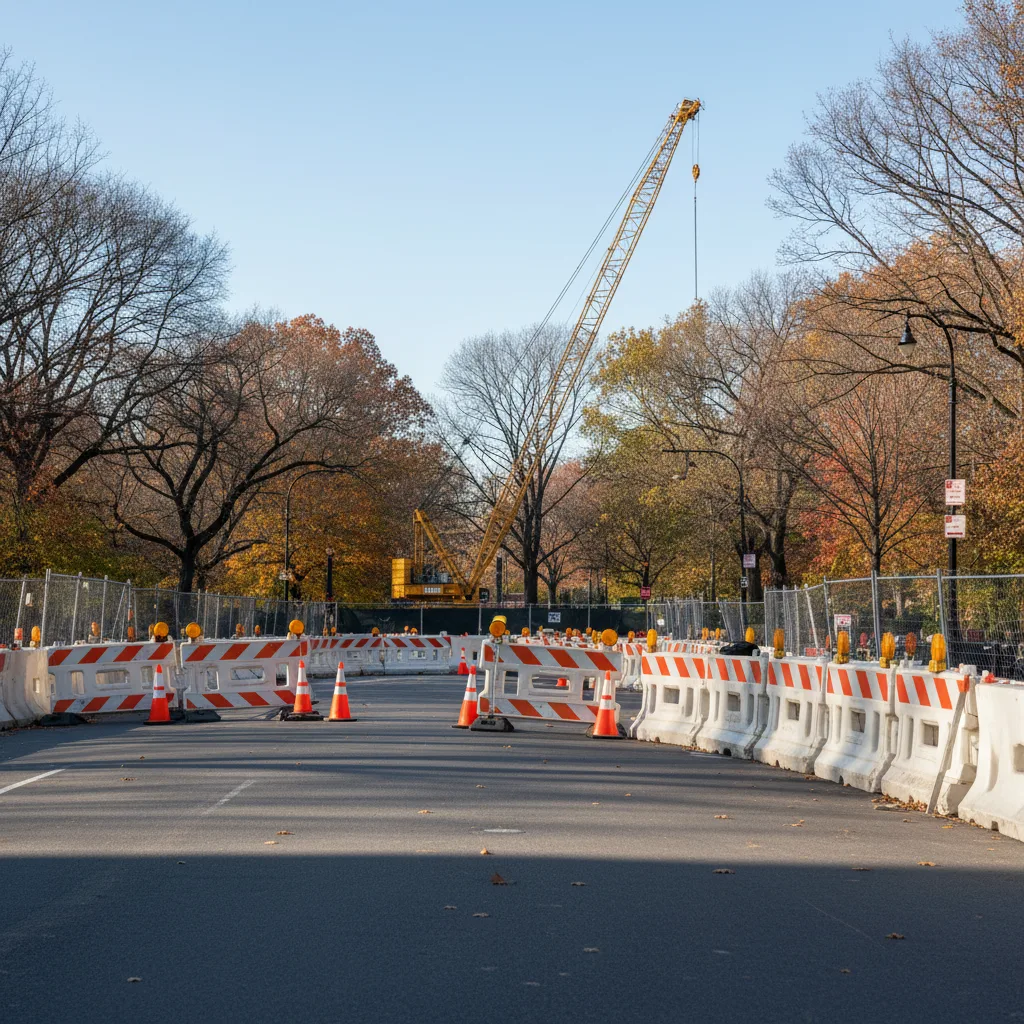
NYC DOT Advises Central Park Area Traffic Disruptions September 27
NYC DOT issued advisories for major traffic disruptions near Central Park on September 27, 2026, due to a parade and crane operations. Expect delays.

Davis Center at Harlem Meer Unveils State-of-the-Art Facilities
The new Davis Center at the Harlem Meer in Central Park's north end now features a state-of-the-art pool, ice rink, and multi-use turf field, enhancing community recreational options.
NYC City Record Confirms September 21, 2026, Publication Schedule
The NYC City Record confirmed its September 21, 2026, publication schedule, detailing administrative notices, procurement, and public hearings. This ensures transparency for municipal operations and public access to vital city information.