


Trump Delays Iran Strikes, Sparking Global Economic Concerns

NEW YORK — President Donald Trump announced a five-day delay in planned strikes on Iranian power plants, following what he described as “very strong talks” with Tehran. This unexpected de-escalation comes amidst soaring tensions that had prompted the International Energy Agency (IEA) to warn of a “major, major threat” to the global economy. The development, reported on Tuesday, March 24, 2026, has ignited intense global debate on war risks and their far-reaching consequences.
Iran, for its part, had previously vowed retaliation if targeted, further escalating fears of a broader regional conflict with severe worldwide consumer impacts. The sudden pause in military action provides a narrow window for diplomatic efforts, offering a glimmer of hope for a peaceful resolution. This twist in geopolitical strategy has dominated international news cycles and spurred diverse reactions locally, even among those enjoying Central Park.
Five-Day Delay in Planned Iran Strikes Announced
President Trump's decision to delay military action by five days provides a critical pause in what had appeared to be an escalating confrontation. The announcement was made publicly, emphasizing the progress made in diplomatic discussions. This temporary reprieve allows for further negotiations and potentially averts an immediate military engagement that could have destabilized the region and global markets.
The White House indicated that the "very strong talks" involved key international mediators, though specific details of these discussions were not immediately disclosed. Observers are cautiously optimistic about the potential for de-escalation, while remaining mindful of the volatility of the situation. The international community is closely watching how these talks unfold over the coming days.
International Tensions Remain High
Despite the delay in strikes, tensions between the United States and Iran remain exceptionally high, with both sides maintaining strong postures. Iran’s prior threats of retaliation underscore the fragile nature of peace in the region. The possibility of renewed aggression or a miscalculation still looms large, keeping global security agencies on alert.
The International Energy Agency’s stark warning about a “major, major threat” to the global economy highlights the potential ripple effects of any conflict. Energy markets, in particular, are highly sensitive to geopolitical instability in the Middle East. The delicate balance of power continues to shift as diplomatic channels work against a backdrop of potential military action, as discussed in the Global News report.
Economic Repercussions Feared Globally
The threat of military conflict with Iran carries significant economic repercussions that are felt worldwide. Beyond potential disruptions to oil supplies, the uncertainty can depress global markets, impact trade routes, and lead to increased inflation. Consumers everywhere are bracing for potential impacts on fuel prices and broader economic stability should tensions re-escalate.
Analysts have warned that even the threat of conflict can create market volatility, affecting investments and consumer confidence. The IEA’s assessment underscores the interconnectedness of the global economy, where regional conflicts can quickly translate into international financial crises. Businesses and governments are monitoring the situation closely, preparing for various scenarios.
Central Park Residents Discuss Gas Price Worries
In Central Park, the news of Trump's Iran delay has sparked heated discussions among picnickers and chess players. Many residents voiced fears about potential gas price spikes that could ruin spring outings and impact daily commutes. The economic fallout from international conflicts is a tangible concern for ordinary New Yorkers, who often feel the pinch directly in their wallets.
Manhattan professionals, taking breaks on park benches, were heard venting frustration over the potential economic impact. Local cafes reported customers glued to news apps, intensely debating U.S. foreign policy and its global consequences. These conversations underscore how geopolitical events, even those thousands of miles away, resonate deeply within local communities like those around Central Park.
Policy Debates Among Manhattan Professionals
Beyond immediate economic concerns, the ongoing U.S.-Iran situation has ignited fervent policy debates among Manhattan professionals. Discussions often revolve around the efficacy of diplomatic solutions versus military deterrents, and the long-term implications of U.S. foreign policy. Many expressed a desire for sustainable peace, advocating for diplomatic solutions over military interventions.
Neighborhood groups are actively organizing anti-war vigils within Central Park, reflecting a community-wide desire for peace and de-escalation. These grassroots efforts highlight the strong anti-war sentiment present in New York City, demonstrating how international events can galvanize local activism and community organizing. The park often serves as a focal point for such public expressions and debates.
Frequently Asked Questions About Iran Tensions
Why did President Trump delay strikes on Iran? President Trump announced a five-day delay following what he described as "very strong talks" with Iran, indicating a potential shift towards diplomatic resolution to escalating tensions. Further context is available in the morning headlines.
What are the global economic implications of these tensions? The International Energy Agency warned of a "major, major threat" to the global economy, primarily due to potential disruptions in oil supplies and broader market instability if a conflict were to erupt. Gas price spikes and consumer impacts are significant concerns.
How are Central Park residents reacting to the news? Central Park residents are discussing potential gas price spikes and economic fallout. Manhattan professionals are debating foreign policy, and neighborhood groups are organizing anti-war vigils in the park, reflecting deep local concern.
What does Iran's vow of retaliation mean? Iran's vow of retaliation signifies their readiness to respond militarily if attacked, which could lead to a broader regional conflict. This statement contributes to the high international tensions and fears of escalation.
Will this delay lead to a lasting peace with Iran? A five-day delay offers a window for diplomatic efforts, but whether it leads to lasting peace remains uncertain. The situation is highly volatile, with both sides maintaining firm positions. International observers are hopeful but cautious.
Related Articles
More in International Relations →
A Guide to Central Park's Top Activities and Best Things to Do in 2026
Discover the best things to do in Central Park, NYC, with our comprehensive 2026 guide to iconic landmarks, activities, and hidden gems for visitors.
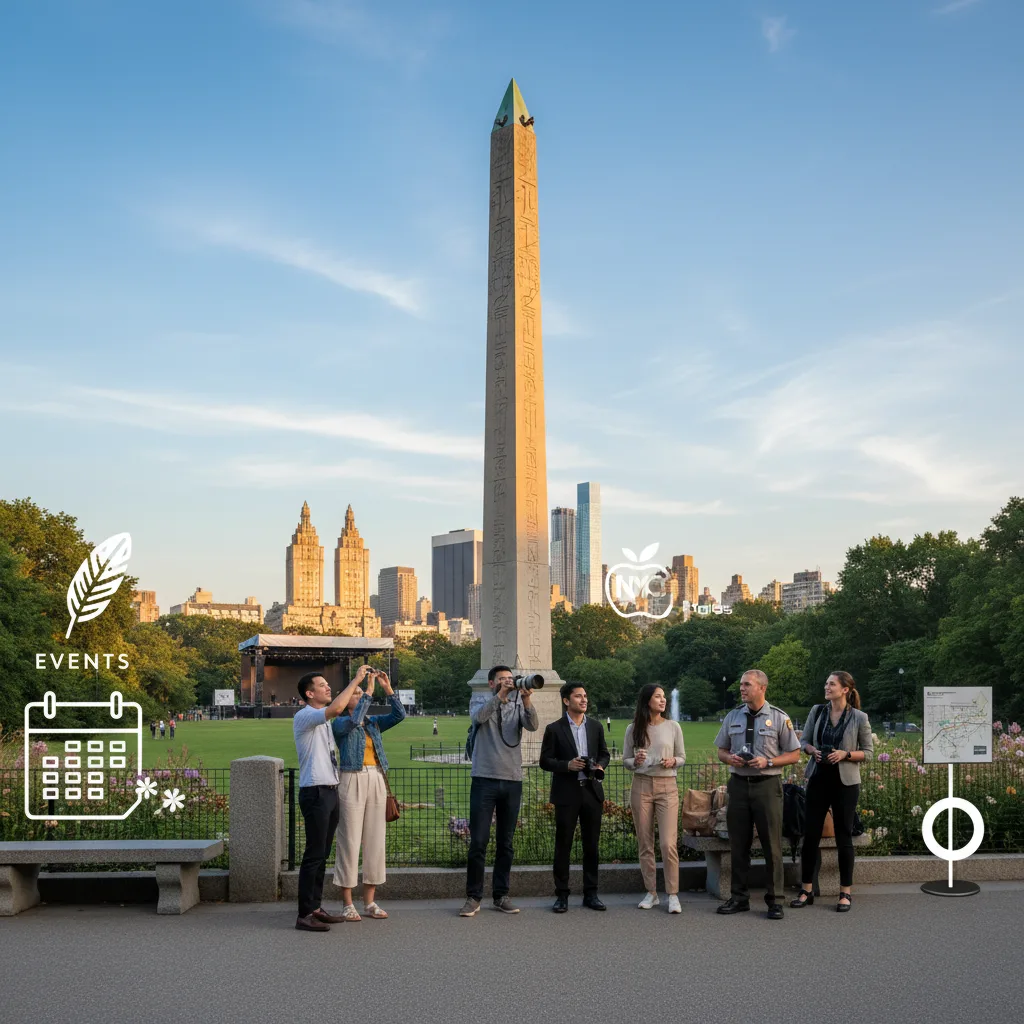
A Guide to What to Know About the Vatican Obelisk in Central Park 2026
Discover what to know about the Vatican Obelisk (Cleopatra's Needle) in Central Park, its history, journey to NYC, and where to find it in 2026.
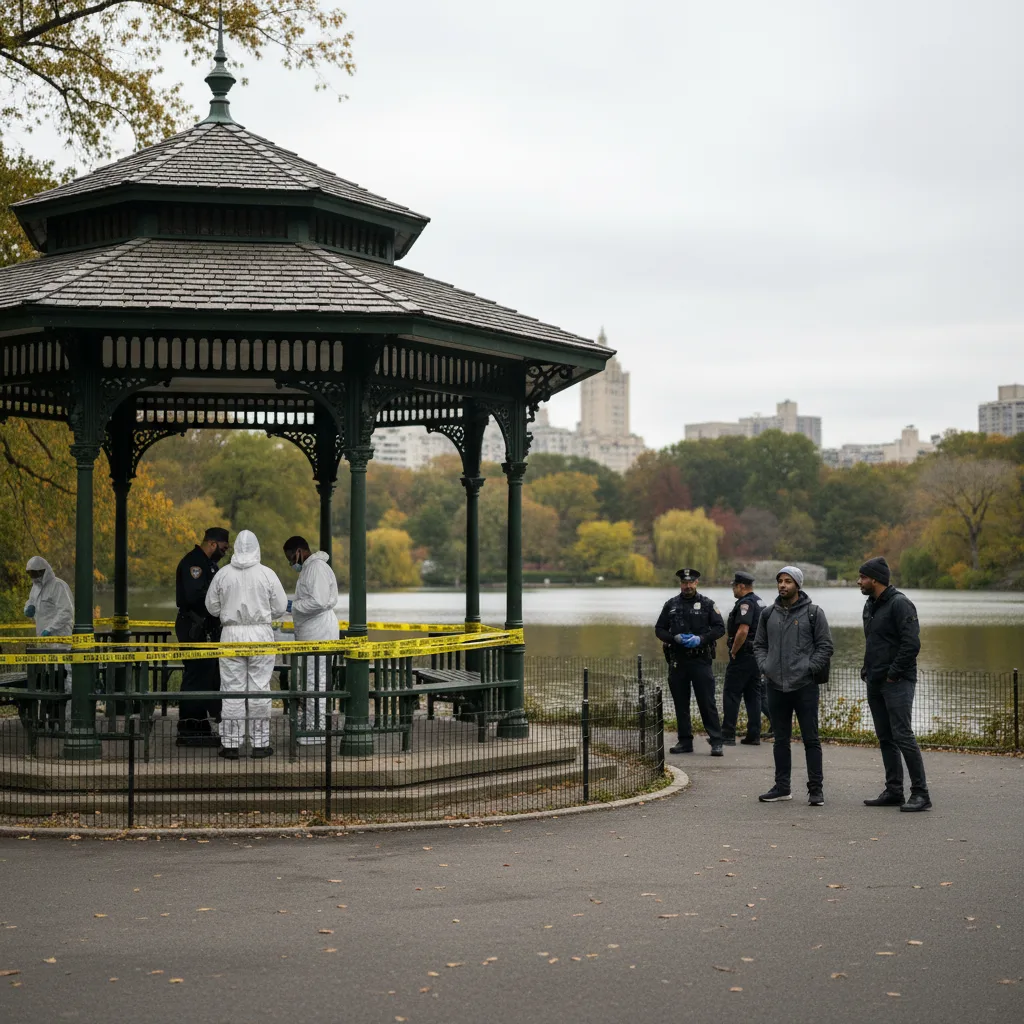
Central Park Woman Found Dead Near Boathouse Gazebo
A woman was found stabbed to death in a Central Park gazebo near the Boathouse on Sunday, prompting an active NYPD homicide investigation.

Queens Student Arrested for Bringing Gun to High School
A Queens student was arrested for bringing a gun to high school, prompting immediate law enforcement action and raising school safety concerns.

NYC Mayor Mamdani Booed at Union Square October 7 Vigil
Mayor Mamdani faced boos and protests at a Union Square vigil Thursday marking the Oct. 7 attacks, highlighting deep community divisions in NYC.
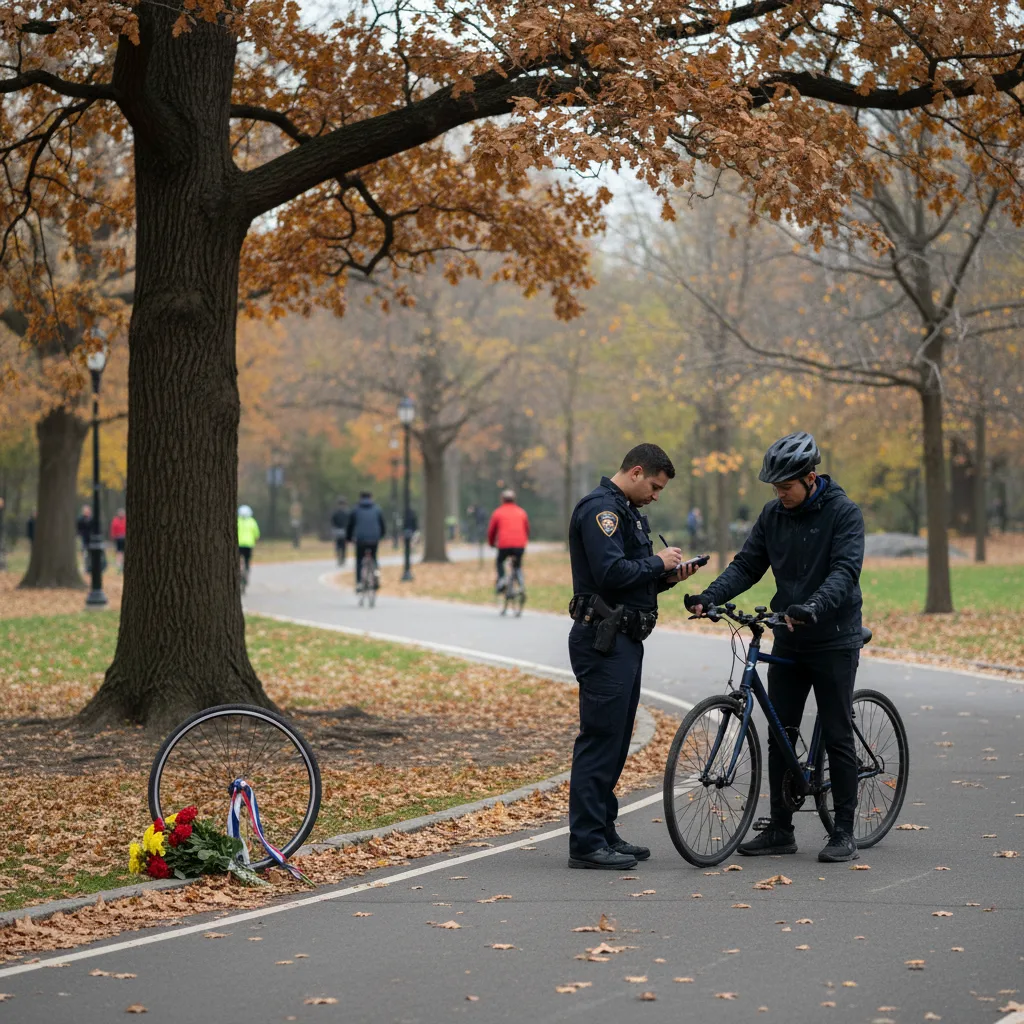
NYC Cyclist Death Prompts NYPD Ticketing Near Fatal Crash Site
NYPD stepped up cyclist ticketing near a recent fatal crash site in Central Park after a cyclist died Monday morning. Local groups demand safety reforms.