


Trump Extends Iran Strait Deadline, NYC Parks Feel Impact
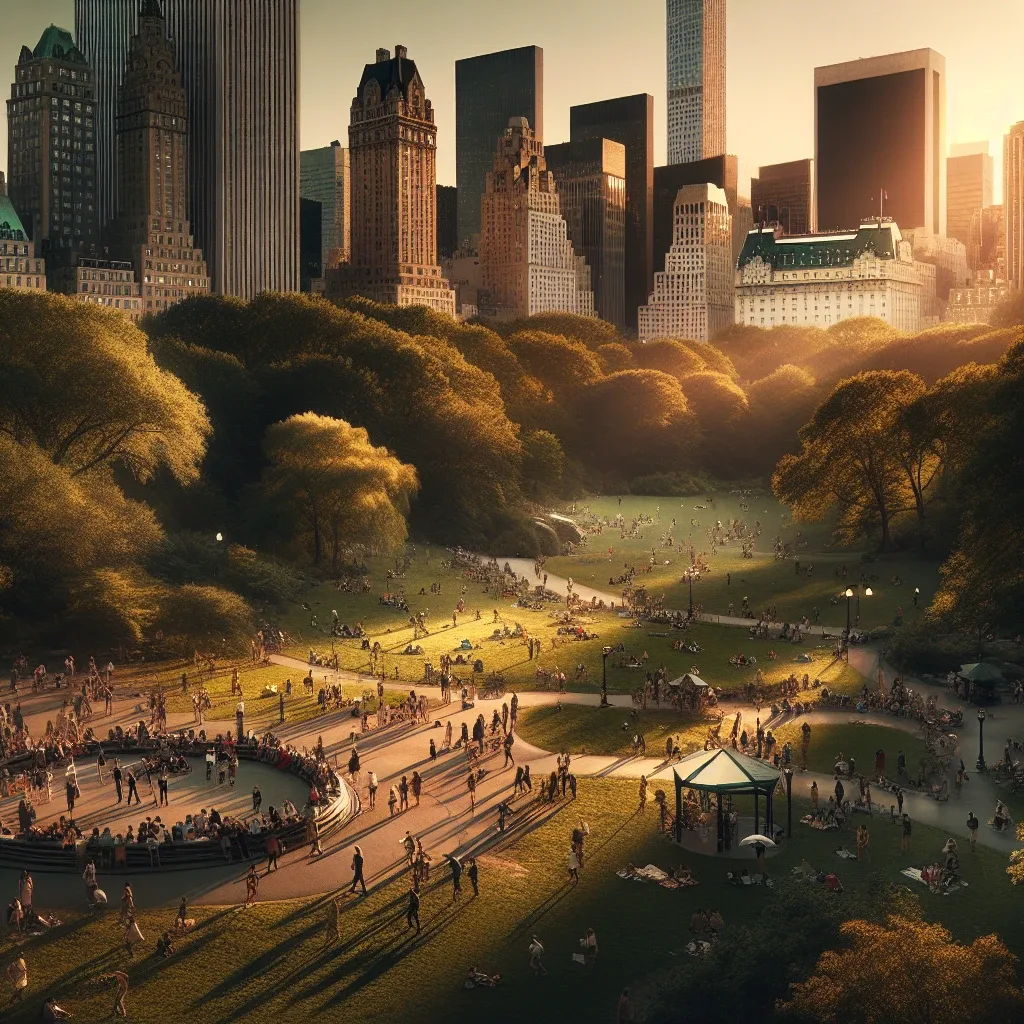
NEW YORK — President Trump announced a 10-day extension to April 6, 2026, on his deadline for Iran to open the Strait of Hormuz, asserting diplomatic efforts are making progress despite reported Iranian resistance. This development comes as the U.S. considers deploying up to 10,000 additional troops to the Middle East, intensifying regional tensions.
The White House indicated that the extension provides further opportunity for ongoing peace talks, though some critics suggest it merely delays an inevitable confrontation. The potential for military escalation has resonated deeply within New York City, particularly among residents frequenting Central Park, who express growing concerns over global stability and local economic effects.
Central Park Joggers Voice Gas Price Anxieties
Central Park’s jogging paths and dog runs have become informal forums for discussing the escalating tensions in the Middle East. Many joggers and dog walkers are openly expressing anxiety about potential gas price spikes directly impacting their daily commutes and household budgets, reflecting a broader economic unease.
One resident, a Upper East Side commuter often seen near the park's east side, remarked, "Trump's playing chicken with World War III; I just hope those peace talks hold." This sentiment captures the mixture of hope and apprehension permeating many conversations across the park's diverse user base.
Local Cafes and Community Boards Debate Troop Surge
Cafes bordering Central Park are witnessing heightened discussions among patrons regarding President Trump's troop surge plans. These debates often delve into the economic repercussions of military action, as well as the ethical implications of sending additional U.S. forces abroad.
Community board meetings held at the nearby Park Avenue Armory have seen an influx of calls from residents advocating for anti-war vigils to be held within Central Park this weekend. These requests highlight the park's historical role as a significant site for public assembly and protest, providing a venue for collective expression on matters of national and international concern.
Geopolitical Tensions and Local Economic Repercussions
The ripple effects of global geopolitical events, like those surrounding the Strait of Hormuz, are often felt keenly at the local level. Energy market volatility, driven by military posturing, directly influences consumer prices in a city heavily reliant on transportation and goods movement.
Economists have warned that sustained tension in a critical oil transit choke point could lead to significant increases in gas prices and broader inflationary pressures across various sectors. Such economic strains directly impact New York City residents, affecting everything from daily commutes to the cost of living within the five boroughs, according to a recent report on global tensions.
Central Park as a Nexus for Public Discourse
Central Park, beyond its recreational purpose, consistently serves as a vital public space where New Yorkers process and react to major national and international developments. Its open spaces and communal areas naturally foster dialogue and collective action.
Whether through informal chats on benches, organized demonstrations, or calls for vigils, the park remains a significant barometer of public sentiment. This capacity for collective response underscores its enduring importance as a civic space in the heart of Manhattan.
Frequently Asked Questions About Central Park Gatherings
Residents often wonder about the procedures for organizing vigils or protests within Central Park. Generally, small, spontaneous gatherings do not require permits, but larger, organized events or those involving sound amplification will necessitate obtaining permits from the NYC Department of Parks and Recreation. Information on obtaining such permits and guidelines for public assembly in city parks is readily available on the official city website. The park administration aims to balance public access and free expression with the preservation of park resources and the enjoyment of all visitors, ensuring that all gatherings adhere to park rules and regulations.
Related Articles
More in Community & Philanthropy →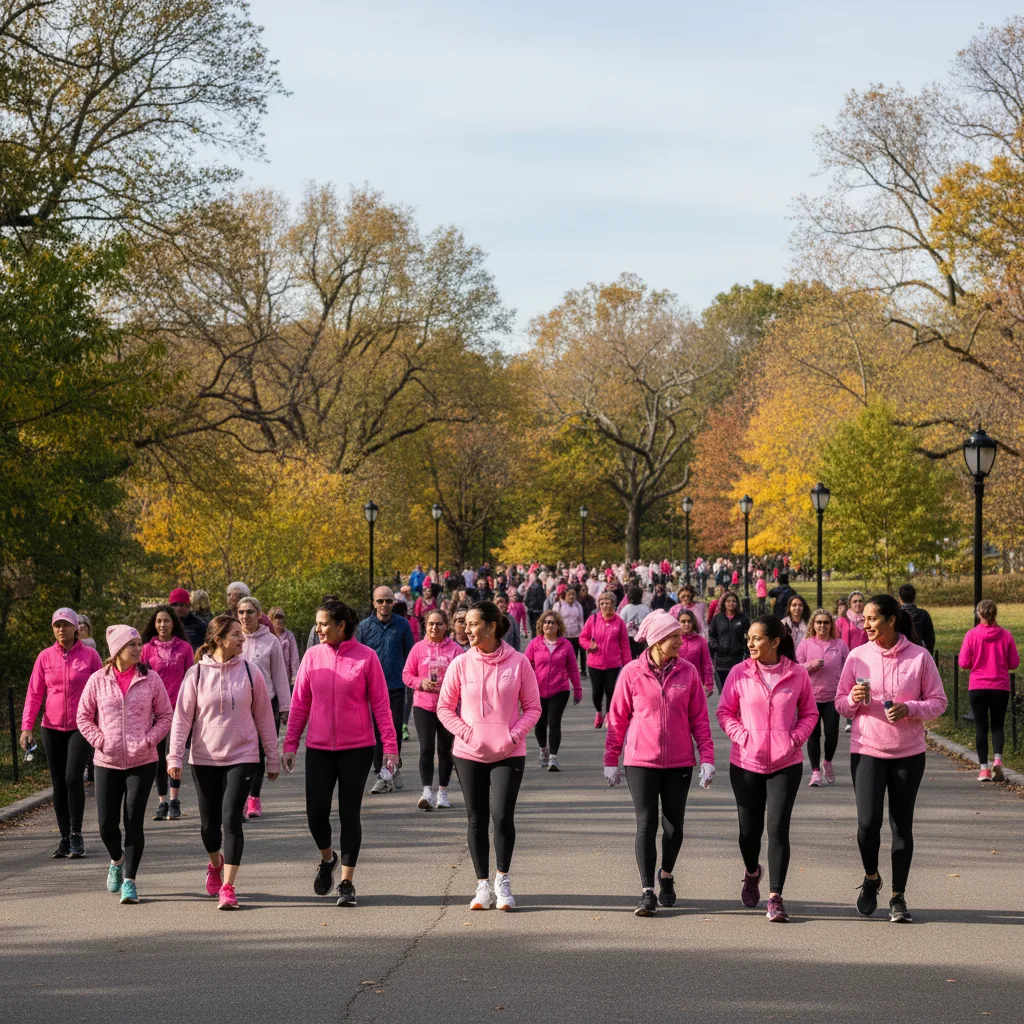
50,000 Expected to Rally in Central Park for Making Strides Walk
An estimated 50,000 participants are expected to rally in Central Park this month for the iconic Making Strides Against Breast Cancer walk. The event highlights community support for research and patient services.
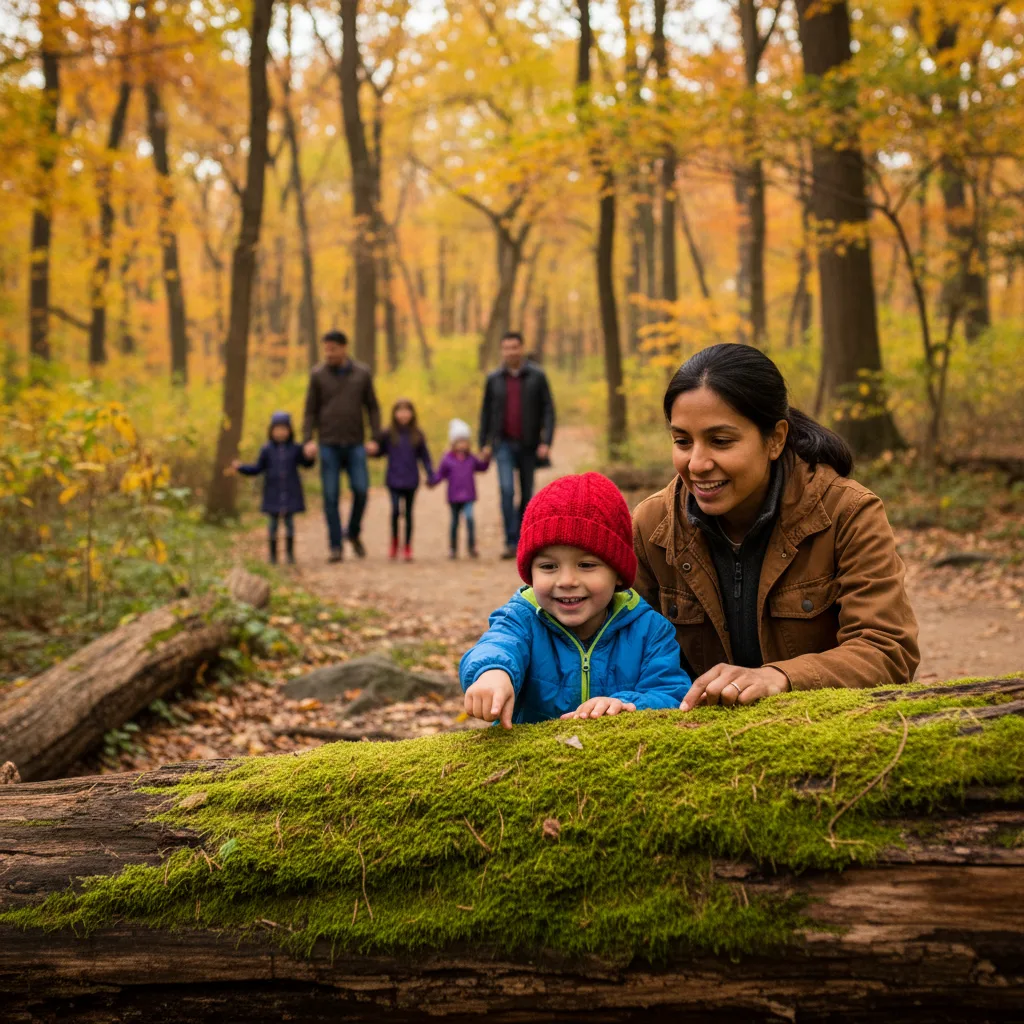
Central Park Kids Celebrate Forest Day with Wonder in the Woods
Central Park hosts "Wonder in the Woods" on October 3, 2026, a free family scavenger hunt in the North Woods. Children can celebrate City of Forest Day, offering an engaging outdoor activity.

Central Park Conservancy Launches Free Fall Scavenger Hunt
Central Park Conservancy launches a free fall scavenger hunt for families next month, encouraging outdoor exploration. This self-guided tour through wooded areas offers a chance to unplug and enjoy autumn beauty.
Central Park Friday Play Club Continues for Children in October 2026
Central Park's Friday Play Club, a free, parent-led initiative, continues through winter recess, offering children outdoor recreation on October 2, 2026, and subsequent Fridays.
Patch Calendar Highlights Central Park 'Party On Park 2026' September 27
The Upper East Side Patch calendar featured "Party On Park 2026" for Sunday, September 27, at 12:00 PM, opening Park Avenue Viaduct spaces for recreation near Central Park.
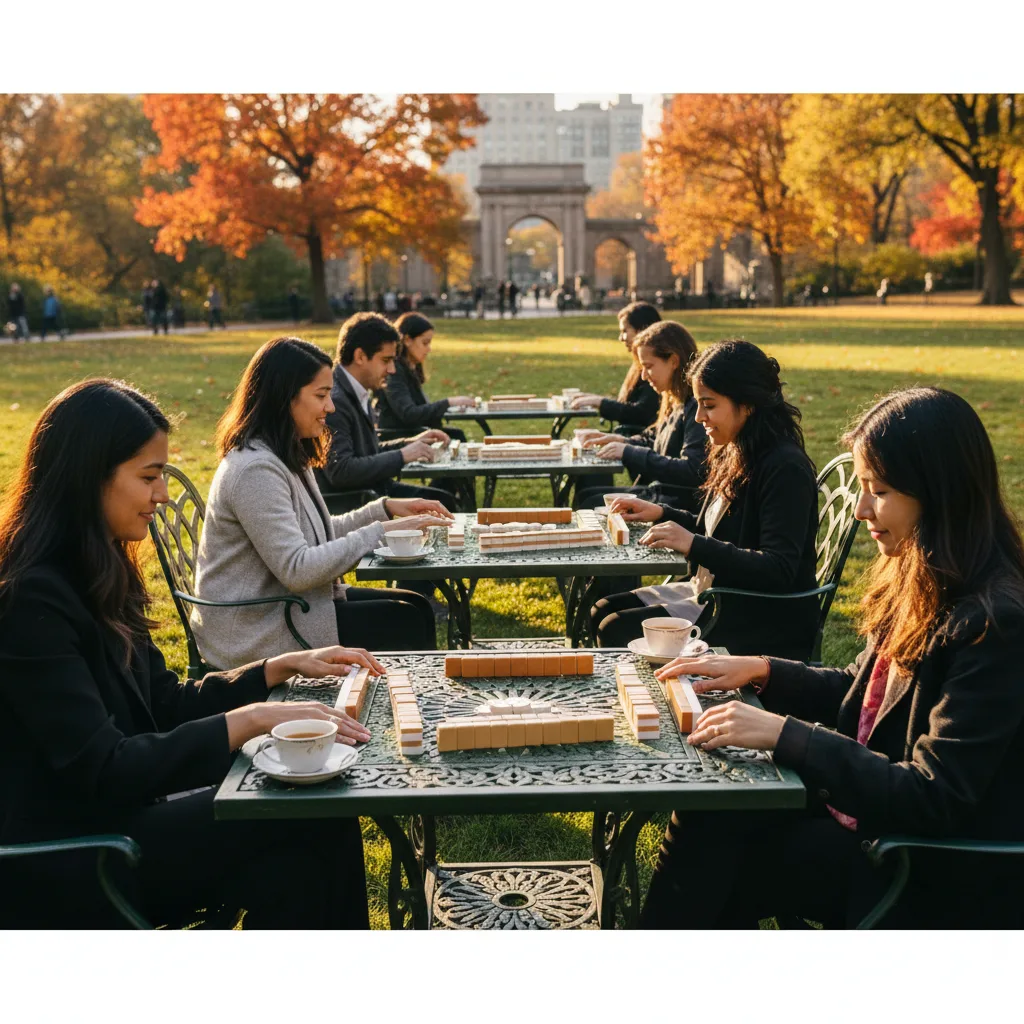
Central Park Conservancy Announces 2026 Fall Mahjong Social
The Central Park Conservancy announced its 2026 Fall Central Park Mahjong Social, hosted by the Women’s Committee and Playground Partners. This event supports park initiatives and follows the Play for the Park Tennis Tournament, inviting community involvement.