


Trump's Voter List Order Incites Protest Among Central Park Residents

NEW YORK — President Trump's recent executive order directing federal agencies to create a national list of eligible voters and restrict mail ballots has sparked heated arguments among Central Park regulars. The directive, signed on Tuesday, aims to tighten voting rules nationwide, a move that progressive Manhattanites are decrying as voter suppression.
Runners and chess players in Central Park have been observed engaging in passionate debates, reflecting deeply divided opinions on the implications of such a sweeping electoral change. These discussions often focus on the potential impact on voter access and election integrity.
Progressive Outcry on Park Benches
Conversations on park benches and pathways frequently revolve around the executive order, with many progressive Manhattanites voicing strong opposition. They argue that restricting mail ballots and centralizing voter lists could disenfranchise eligible voters, particularly those in marginalized communities. These concerns are rooted in a broader fear of voter suppression tactics.
Local activists are beginning to organize, viewing the order as a direct challenge to democratic processes. The vibrant political discourse within Central Park reflects the city's active engagement in national issues.
Business Owners Worry About Election Turnout
Small business owners located near Central Park express concerns that the new voting regulations could negatively impact voter turnout in upcoming local elections. Lower turnout often leads to less representative outcomes, which can affect local policies and community development. These entrepreneurs are considering the ripple effects on local governance.
Some are utilizing social media platforms like Instagram stories to share petition links and information, encouraging residents to stay informed and engaged. This digital activism demonstrates the intertwined nature of local commerce and political action.
Street-Level Opposition Along Park Paths
Residents have been spotted distributing flyers along Central Park paths, actively protesting the executive order. These grassroots efforts aim to galvanize street-level opposition and raise public awareness about the perceived threats to voting rights. The park serves as an impromptu forum for civic engagement.
These visible acts of protest underscore the immediate and visceral reaction to the President's directive. The mobilization of citizens illustrates a commitment to protecting what many view as fundamental democratic principles. The full details of the executive order were reported by Vindy.com.
Details of the Executive Order
The executive order specifically directs the Department of Homeland Security and the Social Security Administration to collaborate on creating a national list of eligible voters, state by state. Furthermore, it seeks to limit mail-in ballots to only those on approved lists, tightening current regulations. Proponents of the order argue it aims to enhance election security and prevent voter fraud.
Critics, however, contend that such measures disproportionately affect specific demographics, potentially reducing participation among elderly, disabled, and low-income voters. The controversy highlights fundamental disagreements over the balance between security and access in electoral systems.
Historical Context of Voter Rights Debates
Debates over voting access and election integrity have a long history in the United States, often intensifying during politically charged periods. Historically, efforts to regulate voter rolls and ballot access have drawn scrutiny, with many legal battles focusing on their potential discriminatory impacts. This new executive order reopens these deeply entrenched discussions.
New York City has a rich tradition of civic activism, with Central Park frequently serving as a backdrop for protests and demonstrations advocating for social and political change. The current opposition aligns with this history of robust public discourse.
Frequently Asked Questions about the Voter List Order
Central Park runners and chess players are heatedly arguing over the recent voter list order, with many progressive Manhattanites decrying it as voter suppression and frequently asking about its legal implications and potential impact on local elections. Local business owners near the park are expressing worry about how the order might affect turnout, often inquiring about ways to promote voter registration and engagement amidst the new regulations. Residents spotted handing out flyers along park paths are actively protesting, and commonly ask how others can get involved in advocating for voting rights. The executive order's specifics regarding the Department of Homeland Security and Social Security Administration creating a national list of eligible voters and limiting mail ballots to approved lists are a constant topic of discussion. Many fear the directive could disproportionately disenfranchise eligible voters.
Related Articles
More in Urban Policy & Development →
NYC Mayor Mamdani Booed at Union Square October 7 Vigil
Mayor Mamdani faced boos and protests at a Union Square vigil Thursday marking the Oct. 7 attacks, highlighting deep community divisions in NYC.
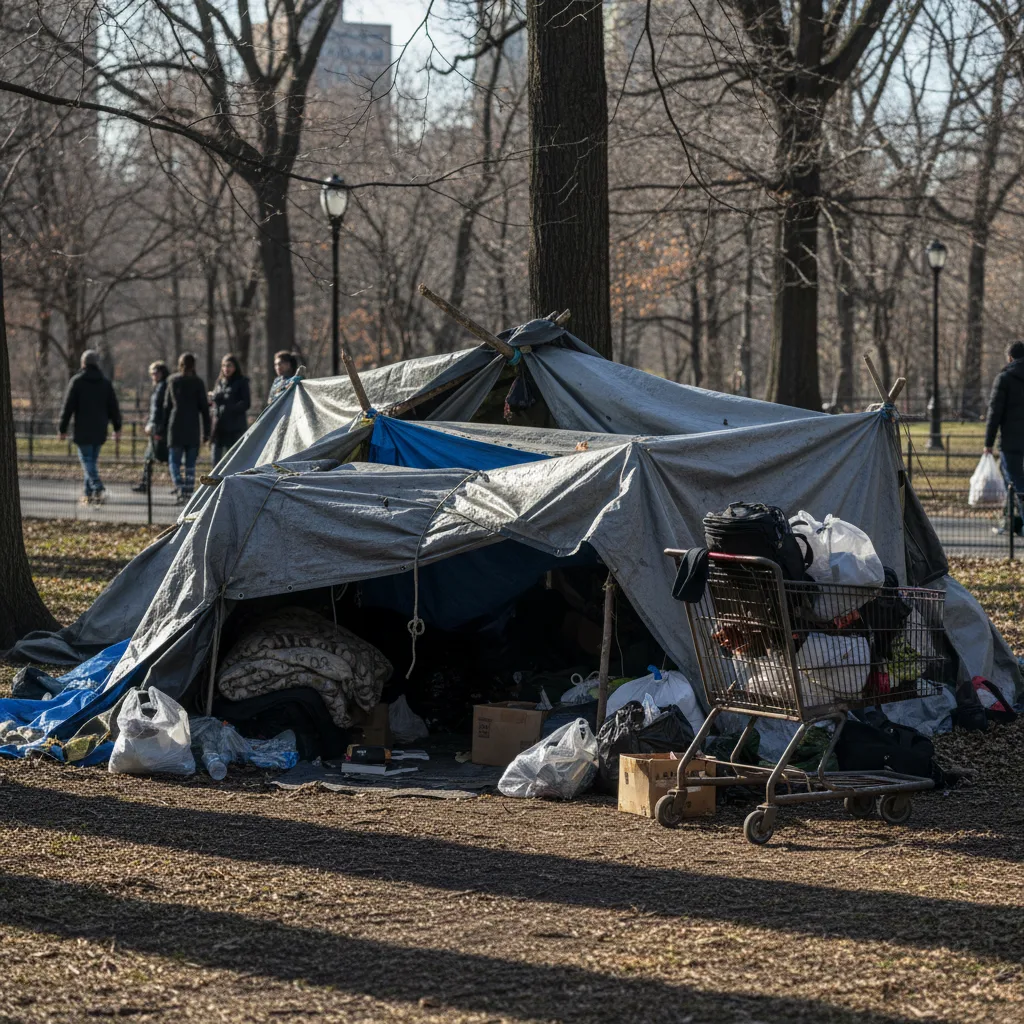
NYC Homeless Encampments Spotted Across Manhattan, Raising Concerns
Multiple homeless encampments have been spotted across Manhattan, raising significant concerns about urban policy and public safety. City officials are under pressure to address the growing homelessness crisis.
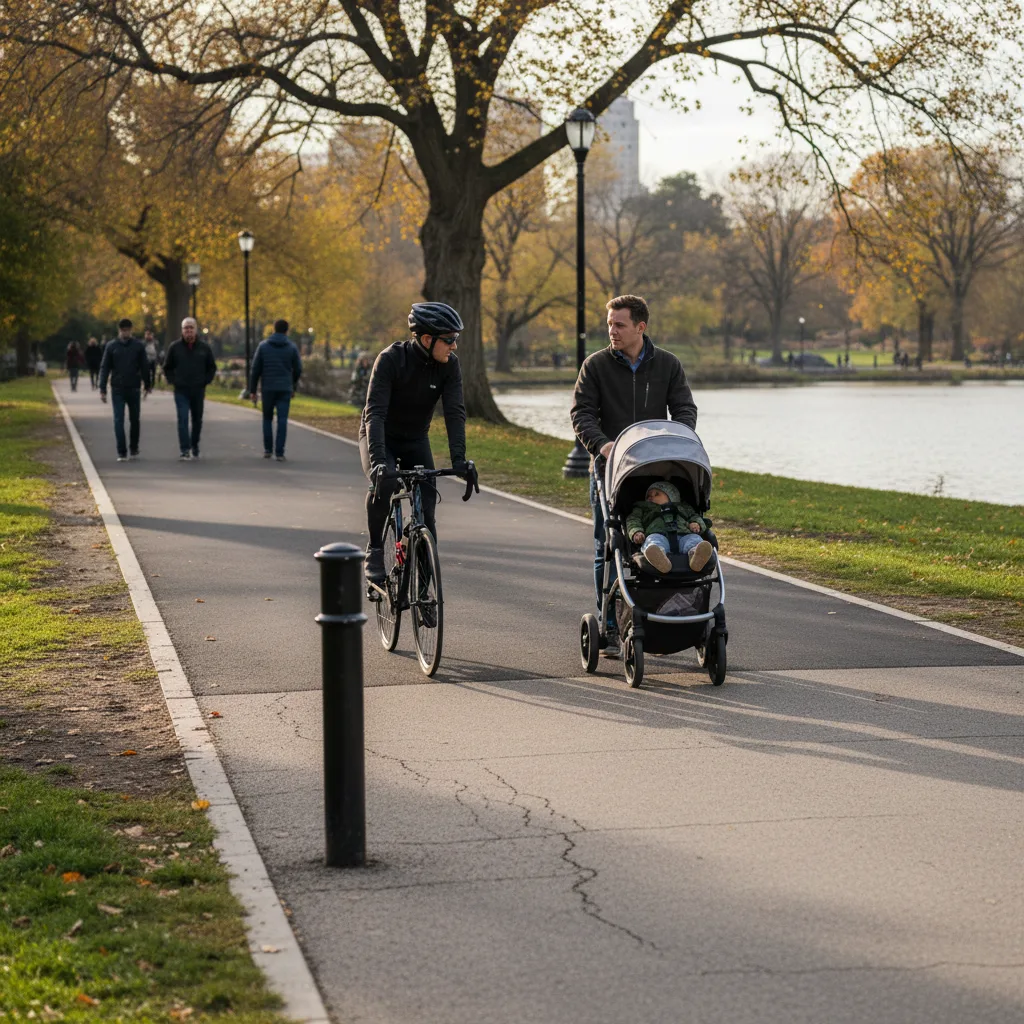
Safety Advocate Blames Park Redesign for Rising Central Park Cyclist Crashes
Safety advocates blame recent Central Park redesigns for a pedestrian's death and rising cyclist crashes, calling for urgent review of infrastructure.
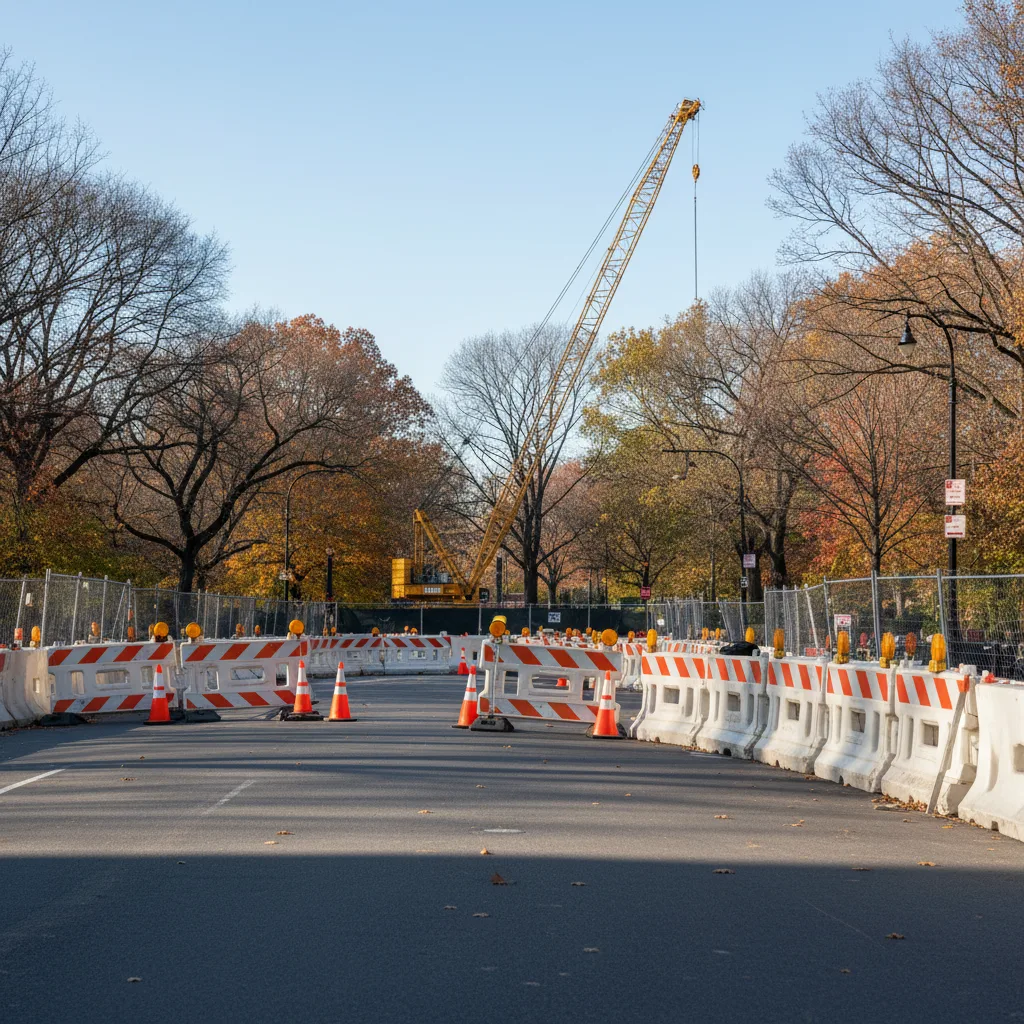
NYC DOT Advises Central Park Area Traffic Disruptions September 27
NYC DOT issued advisories for major traffic disruptions near Central Park on September 27, 2026, due to a parade and crane operations. Expect delays.
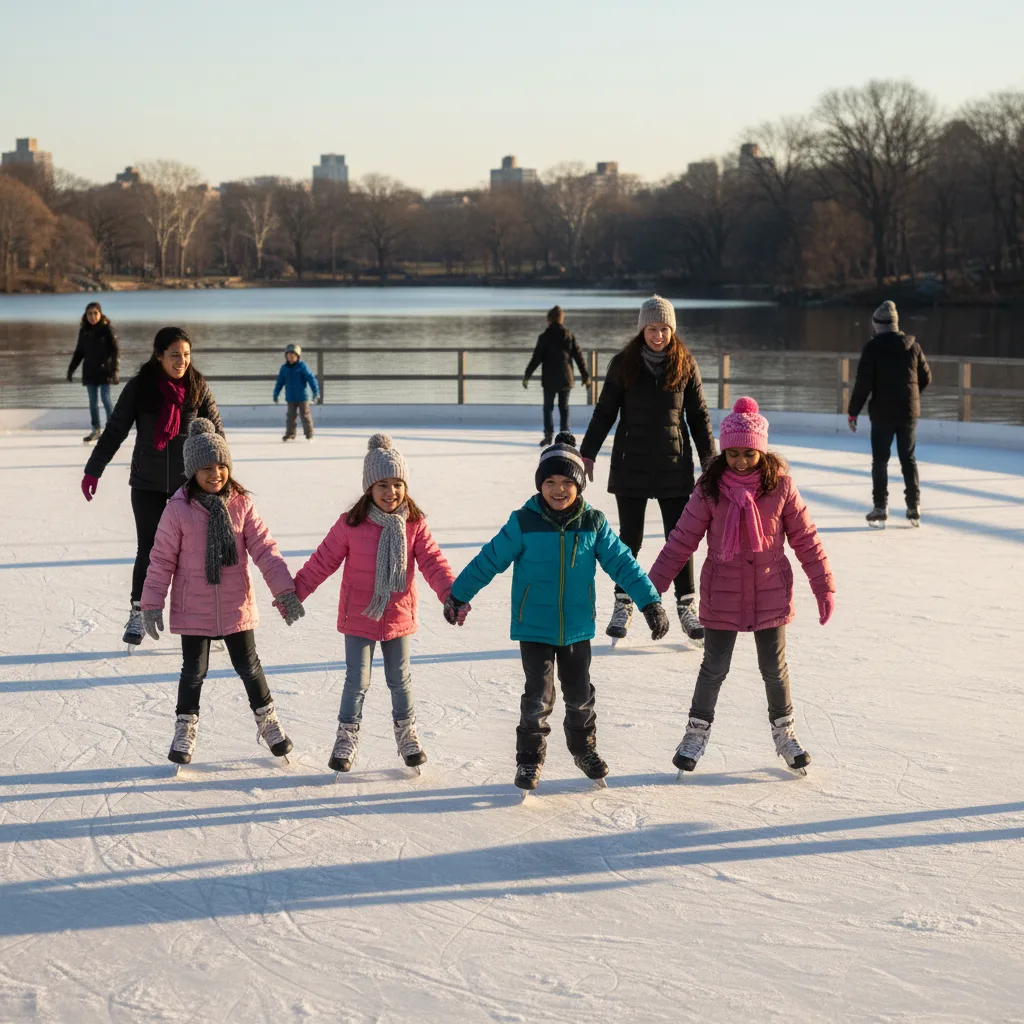
Davis Center at Harlem Meer Unveils State-of-the-Art Facilities
The new Davis Center at the Harlem Meer in Central Park's north end now features a state-of-the-art pool, ice rink, and multi-use turf field, enhancing community recreational options.

NYC City Record Confirms September 21, 2026, Publication Schedule
The NYC City Record confirmed its September 21, 2026, publication schedule, detailing administrative notices, procurement, and public hearings. This ensures transparency for municipal operations and public access to vital city information.