


Two Operators Hospitalized After Central Park Horse Carriage Collision

NEW YORK — Two horse carriage operators were hospitalized Saturday afternoon following a collision near the entrance to Central Park at West 59th Street and Fifth Avenue. The incident, which occurred around 2:30 PM on March 8, 2026, prompted a swift response from emergency services and cast a shadow over the popular tourist attraction.
Both individuals sustained non-life-threatening injuries and were transported to Mount Sinai West Hospital, according to Fire Department of New York (FDNY) officials. Their current conditions were not immediately released, but spokespersons confirmed they were stable.
Investigation Underway into Carriage Accident
The New York City Police Department (NYPD) is actively investigating the circumstances that led to the crash. Preliminary reports suggest one carriage may have veered into the path of another, though full details remain under review. Traffic enforcement officers were on scene for several hours, documenting the incident and interviewing witnesses.
NYPD Captain Elena Ramirez, commanding officer of the Midtown North Precinct, addressed reporters at the scene. "We are working to determine the exact cause of this unfortunate accident," Captain Ramirez stated. "Safety for both operators and the public is paramount, and we will thoroughly investigate all factors involved." Witnesses reported seeing multiple tourists shaken by the event, though no passengers were reported injured in either carriage.
Concerns Over Horse Carriage Operations
The collision has reignited long-standing debates surrounding the safety and ethics of horse-drawn carriages in Central Park. Animal welfare groups and some city council members have consistently called for a ban on the industry, citing concerns for animal well-being and public safety in a densely populated urban environment.
Edita Birnkrant, Executive Director of NYCLASS (New Yorkers for Clean, Livable, and Safe Streets), quickly released a statement following news of the collision. "This incident underscores the inherent dangers of operating heavy, animal-drawn vehicles on busy city streets," Birnkrant asserted. "It's past time for New York City to transition to electric carriages, ensuring safety for horses, drivers, and the public." For broader Central Park news and incidents, consider checking ABC7 New York updates.
Regulatory Landscape and Future Discussions
The horse carriage industry is regulated by the NYC Department of Consumer and Worker Protection (DCWP) and the NYC Department of Health and Mental Hygiene (DOHMH), which oversee licensing, animal care, and operational standards. There are approximately 68 licensed carriages operating in the city, with specific routes and hours of operation strictly enforced within Central Park.
City Councilman Erik Bottcher, whose district includes parts of Central Park, indicated that discussions about carriage operations would continue. "While this is an active investigation, we are always reviewing policies to ensure the utmost safety for everyone," Bottcher commented in an email statement. "The Central Park Conservancy also monitors public safety within the park, working closely with city agencies."
Impact on Tourism and Public Perception
Horse-drawn carriages have been an iconic, albeit controversial, symbol of Central Park for over a century. The industry supports dozens of local families, and operators defend their practices as safe and historically significant. Following incidents like Saturday's collision, however, public perception can shift, influencing tourist choices.
Last year, over 2.5 million visitors engaged in activities within Central Park, with carriage rides remaining a notable attraction. Tour operators often highlight the unique perspective these rides offer of landmarks like the Dakota Building and Wollman Rink. Incidents, however rare, prompt renewed scrutiny and often lead to temporary operational adjustments while investigations are ongoing.
Frequently Asked Questions About Central Park Carriage Safety
Q: How are horse-drawn carriages regulated in Central Park? A: Horse-drawn carriages in Central Park are subject to stringent regulations from multiple city agencies, including the NYC Department of Consumer and Worker Protection (DCWP) for licensing and operational rules, and the NYC Department of Health and Mental Hygiene (DOHMH) for animal welfare and health standards. These regulations cover everything from carriage maintenance and driver qualifications to horse care, working hours, and specific routes. Regular inspections are conducted to ensure compliance with these safety protocols, aiming to minimize risks for both the animals and the public.
Q: What happens if a horse carriage accident occurs? A: When a horse carriage accident occurs, the NYPD and FDNY are immediately dispatched to the scene, as was the case in the recent Central Park incident. Emergency medical personnel assess any injuries to operators, passengers, or pedestrians. The NYPD then initiates an investigation to determine the cause of the collision, which may involve interviewing witnesses, reviewing surveillance footage, and inspecting the vehicles and horses involved. Depending on the findings, appropriate legal or regulatory actions may be taken, and the carriages involved may be temporarily taken out of service. For more local news, check FOX 5 New York's Central Park page.
Q: Are there alternatives to traditional horse carriages being considered? A: Yes, there have been ongoing discussions and proposals for alternatives to traditional horse-drawn carriages. The most prominent alternative suggested by animal welfare advocates and some city officials is the use of electric, vintage-style vehicles. Proponents argue that electric carriages would address concerns regarding animal welfare, reduce traffic congestion, and offer a more environmentally friendly mode of transport within Central Park, while still preserving a classic aesthetic. The debate often involves balancing tradition, animal welfare, and economic impact on the current operators.
Related Articles
More in Safety & Crime →
Central Park Woman Found Dead Near Boathouse Gazebo
A woman was found stabbed to death in a Central Park gazebo near the Boathouse on Sunday, prompting an active NYPD homicide investigation.
Queens Student Arrested for Bringing Gun to High School
A Queens student was arrested for bringing a gun to high school, prompting immediate law enforcement action and raising school safety concerns.
NYC Cyclist Death Prompts NYPD Ticketing Near Fatal Crash Site
NYPD stepped up cyclist ticketing near a recent fatal crash site in Central Park after a cyclist died Monday morning. Local groups demand safety reforms.
NYPD Confirms 71-Year-Old Cyclist Dies After Dog Collision in Central Park
NYPD confirms a 71-year-old cyclist died after colliding with a dog on Central Park's East Drive, near East 84th Street. The investigation is ongoing.
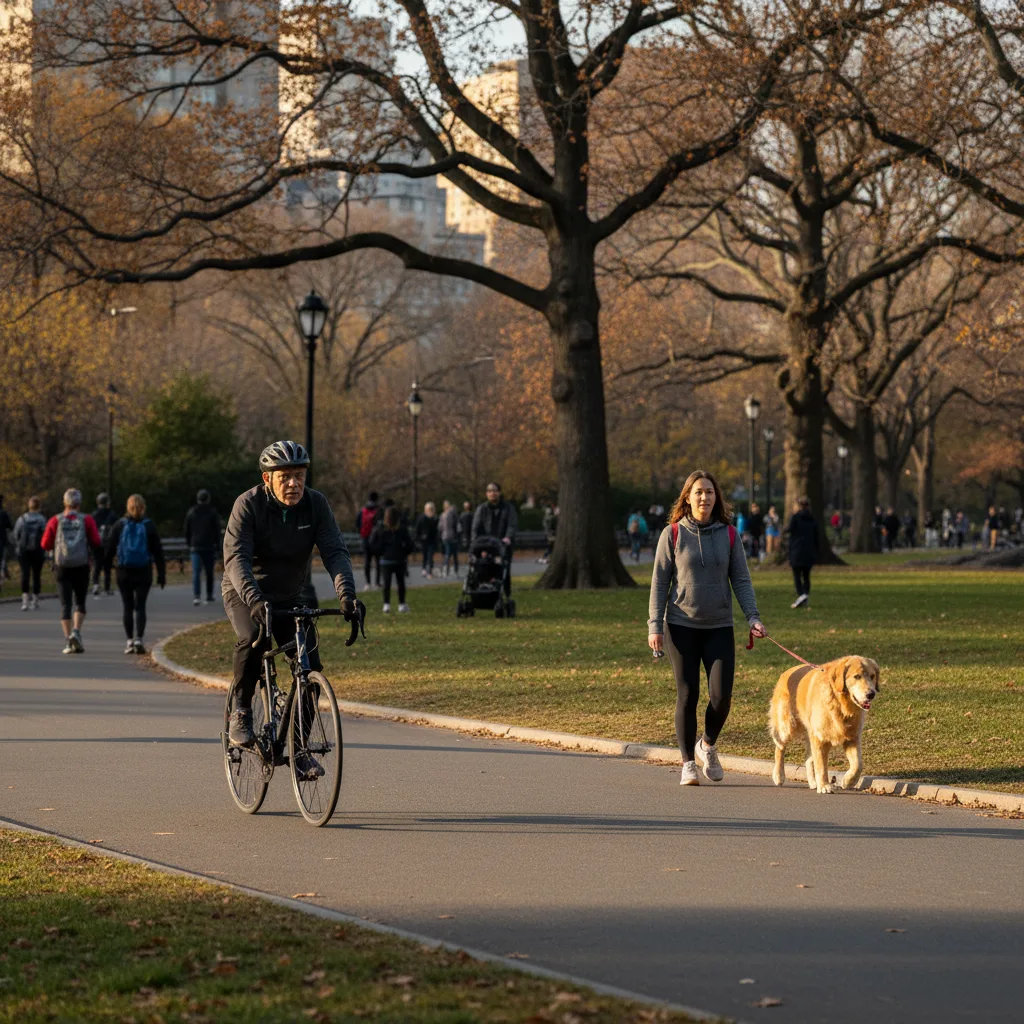
NYPD Investigates Central Park Cyclist Death After Dog Collision
NYPD confirms a 71-year-old cyclist died after colliding with a dog on Central Park's East Drive, near 84th Street. Investigation ongoing.
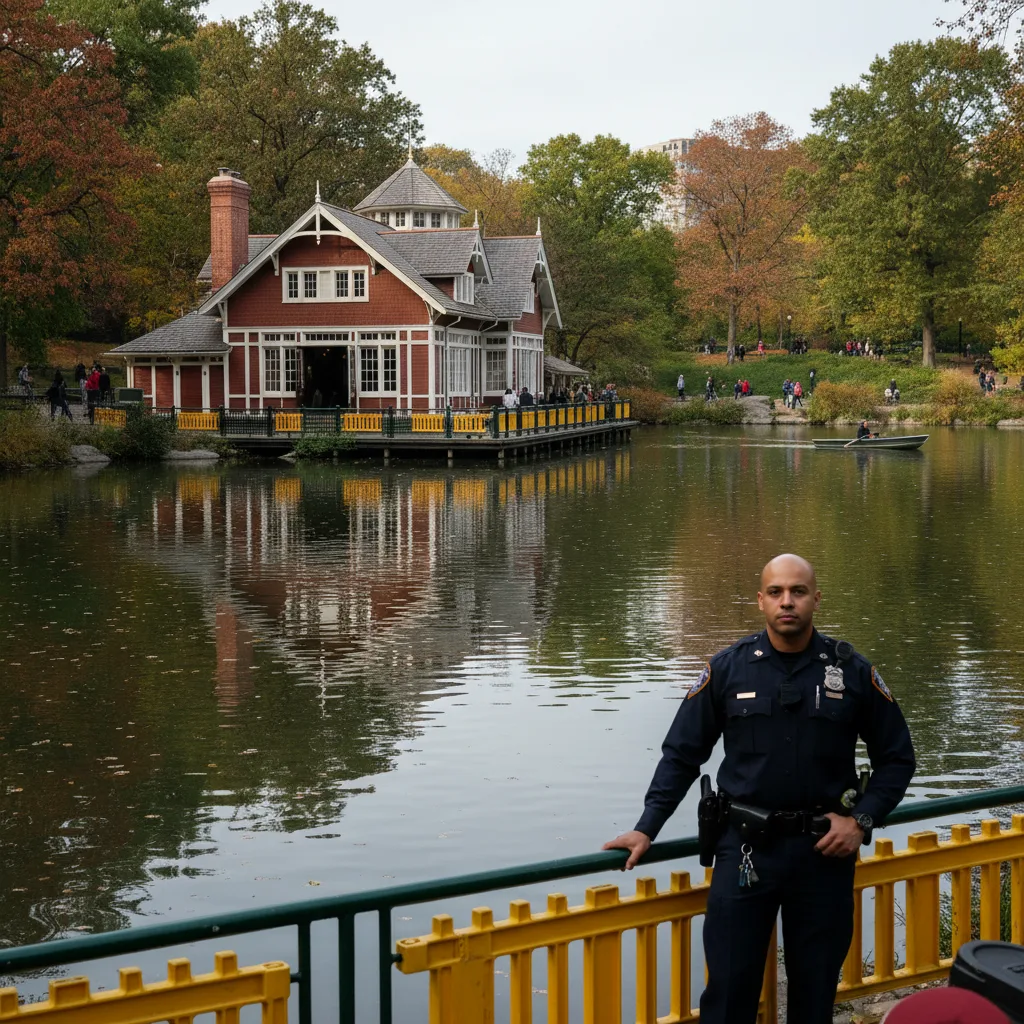
Man Charged in Central Park Beating Death of 63-Year-Old Woman
A 36-year-old man was charged with murder after a 63-year-old woman was found dead with head trauma in Central Park, NYPD confirmed.