


Urban Air Mobility Impacts Central Park Skyline, Port Authority Reports
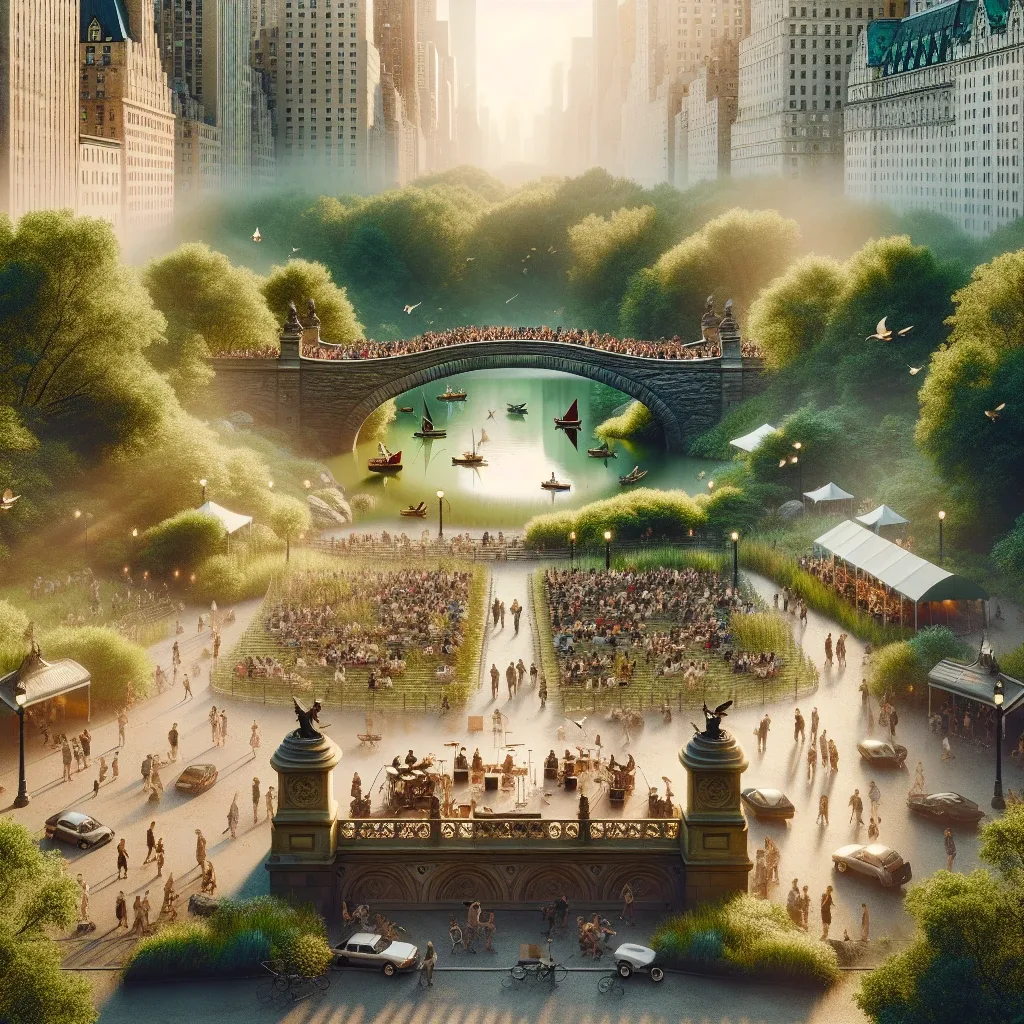
NEW YORK — “The integration of urban air mobility solutions, while promising for efficiency, demands careful consideration of our city’s unique environmental and aesthetic assets, including Central Park.” These words, spoken by Port Authority of New York and New Jersey Executive Director Rick Cotton at a recent press conference, underscore growing discussions about the future of urban transportation and its potential impact on iconic New York City landmarks.
The conference, highlighted by a Joby electric air taxi first flight demonstration at JFK Airport on November 13, 2025, focused on the nascent eVTOL (electric vertical take-off and landing) industry. While Joby's flight was at JFK, the broader conversation delves into how these quiet, zero-emission aircraft might eventually operate across the metropolitan area, influencing everything from noise pollution to skyline views near Central Park.
Envisioning the Future of NYC Air Travel
The demonstration flight, part of a push for sustainable and efficient urban transport, showcased the potential of air taxis for regional travel. Joby Aviation’s aircraft completed several maneuvers, proving the viability of the technology. The Port Authority plans to establish vertiports across the region, potentially including Manhattan, by the early 2030s.
This forward-looking vision could dramatically alter travel times to and from New York City’s airports, such as JFK and Newark Liberty International. A journey that currently takes an hour by car could be reduced to mere minutes by air. The technological leap is substantial, promising a new era of connectivity for the city and surrounding areas.
Central Park’s Environmental and Noise Considerations
Central Park, as the city’s “green lung,” presents unique challenges and considerations for any new air traffic. While eVTOL aircraft are designed to be significantly quieter than traditional helicopters, their proliferation could introduce a new layer of ambient noise above the park. This would potentially disrupt the tranquility cherished by millions of visitors annually.
Environmental advocates, such as Dr. Lena Gupta from the New York Environmental Alliance, have already voiced concerns. “Any increase in air traffic over a sensitive ecosystem like Central Park must be met with stringent environmental impact assessments,” Dr. Gupta told reporters after reviewing the Port Authority's preliminary reports. “We need to ensure that the pursuit of speed doesn’t compromise the natural serenity and air quality of our most precious public space.” The Central Park Conservancy is also actively monitoring these discussions to understand potential effects on the park’s ecology.
Aesthetic and Visual Impact on the Skyline
Beyond noise and environment, the visual impact of regular air taxi flights above Central Park’s distinctive skyline is a major talking point. The park, famed for its sweeping views of both natural landscapes and the surrounding architectural grandeur, could see its visual character altered by constant air traffic.
Architectural historians and urban planners are engaging with the Port Authority on how to integrate this new mobility without detracting from New York City's iconic appearance. Concerns range from flight path routes to the visual presence of vertiports on or near Manhattan's west and east sides. The historical context of the park, designed to be an escape from urban bustle, makes this particularly pertinent.
Regulatory Frameworks and Public Engagement
Developing the regulatory framework for urban air mobility in such a densely populated and historically significant area like New York City is a complex undertaking. The Federal Aviation Administration (FAA) will play a crucial role in establishing safe air corridors and operational guidelines.
The Port Authority has committed to extensive public engagement throughout the planning process, inviting feedback from residents, park conservancies, and environmental groups. Public forums are expected to be held in late 2027 to discuss potential flight paths, noise mitigation strategies, and the location of new infrastructure. Residents can stay informed about these developments through the Port Authority's official announcements.
This commitment reflects a recognition that while technology offers exciting possibilities, its implementation must be balanced with community well-being and the preservation of vital public spaces like Central Park. The dialogue around these innovations is only just beginning.
Frequently Asked Questions About Urban Air Mobility and Central Park
What is urban air mobility (UAM)? UAM refers to new transportation systems using electric vertical take-off and landing (eVTOL) aircraft, often called air taxis, to transport people or goods within urban and suburban areas.
How does this relate to Central Park? While the initial demonstration was at JFK, the Port Authority's plans for wider UAM integration across NYC raise questions about potential impacts on Central Park, including increased air traffic over the park, noise pollution, and visual changes to the skyline.
What are the main concerns regarding Central Park? Key concerns include potential noise disruption to the park's tranquil environment, environmental impacts from increased air operations, and changes to the visual aesthetics of the park and its surrounding skyline. Environmental groups and urban planners are calling for thorough assessments.
What is the timeline for UAM in NYC? While initial demonstrations are underway, the Port Authority anticipates establishing operational vertiports and broader UAM services in the New York metropolitan area by the early 2030s.
How can the public get involved in discussions? The Port Authority has committed to public engagement and will hold forums to gather feedback on UAM plans, including potential flight paths and infrastructure. Information will be made available on their official channels. The Central Park Conservancy official site also offers general updates regarding park-related initiatives and partnerships.
Related Articles
More in Wildlife & Nature →
Central Park Boathouse Bird Watching Tour Offers Educational Experience
Central Park Boathouse offers an educational bird watching tour, providing visitors an opportunity to observe avian species. This experience connects locals with nature, enhancing appreciation for park wildlife.
Central Park Event Calendar Features Climate Week Activities September 27
Central Park's event calendar for September 27, 2026, included a Climate Week-aligned "Journal, Meditation, + Bird Walk," promoting environmental awareness.
Wildlife Conservation Society Awards Lovejoy Prize at Central Park Zoo
Wildlife Conservation Society awards 2026 Thomas E. Lovejoy Prize today at Central Park Zoo during Climate Week in New York City.
A Guide to Central Park's Wildlife: What to Know About the Park's Animals and Ecosystem
Discover the diverse Central Park wildlife, from birds and mammals to aquatic life. Learn responsible observation tips and conservation efforts for 2026.
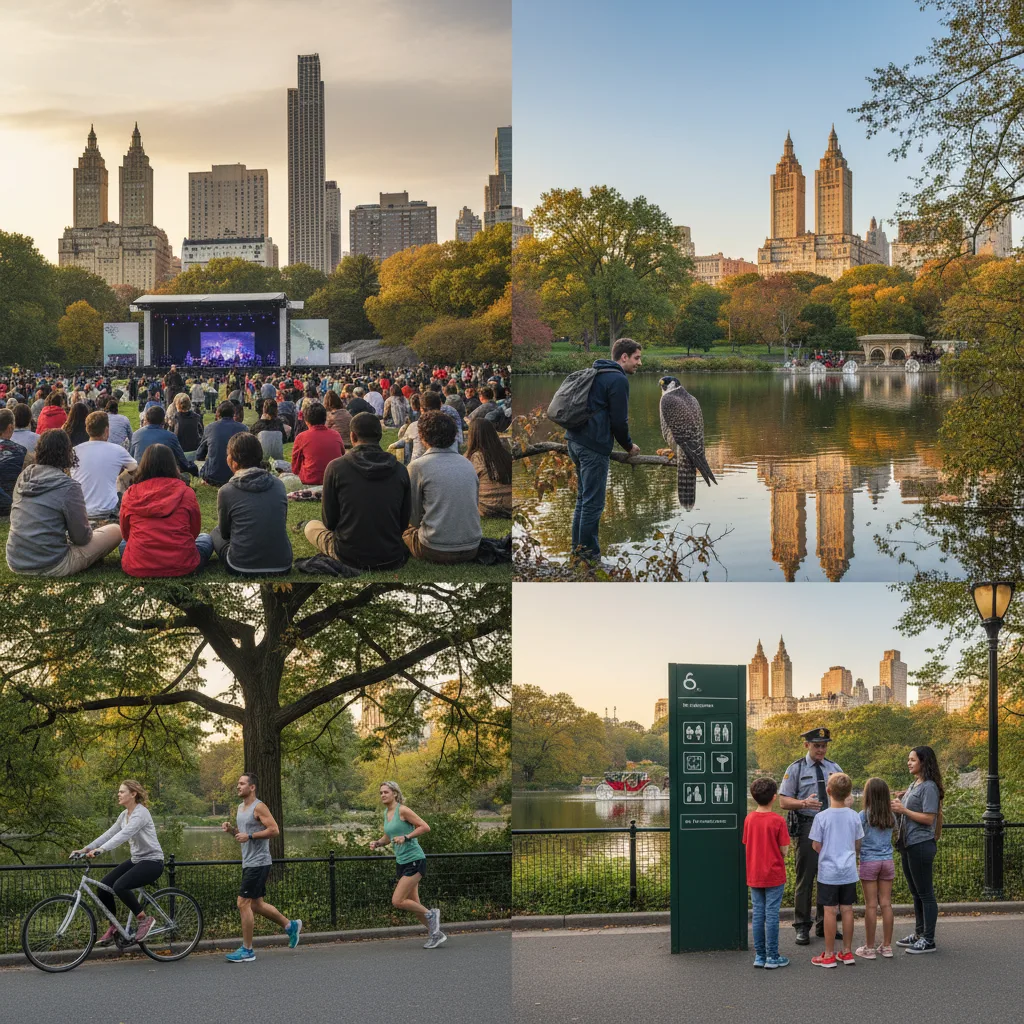
A Guide to Central Park's Top Activities and Best Things to Do in 2026
Discover the best things to do in Central Park, NYC, with our comprehensive 2026 guide to iconic landmarks, activities, and hidden gems for visitors.
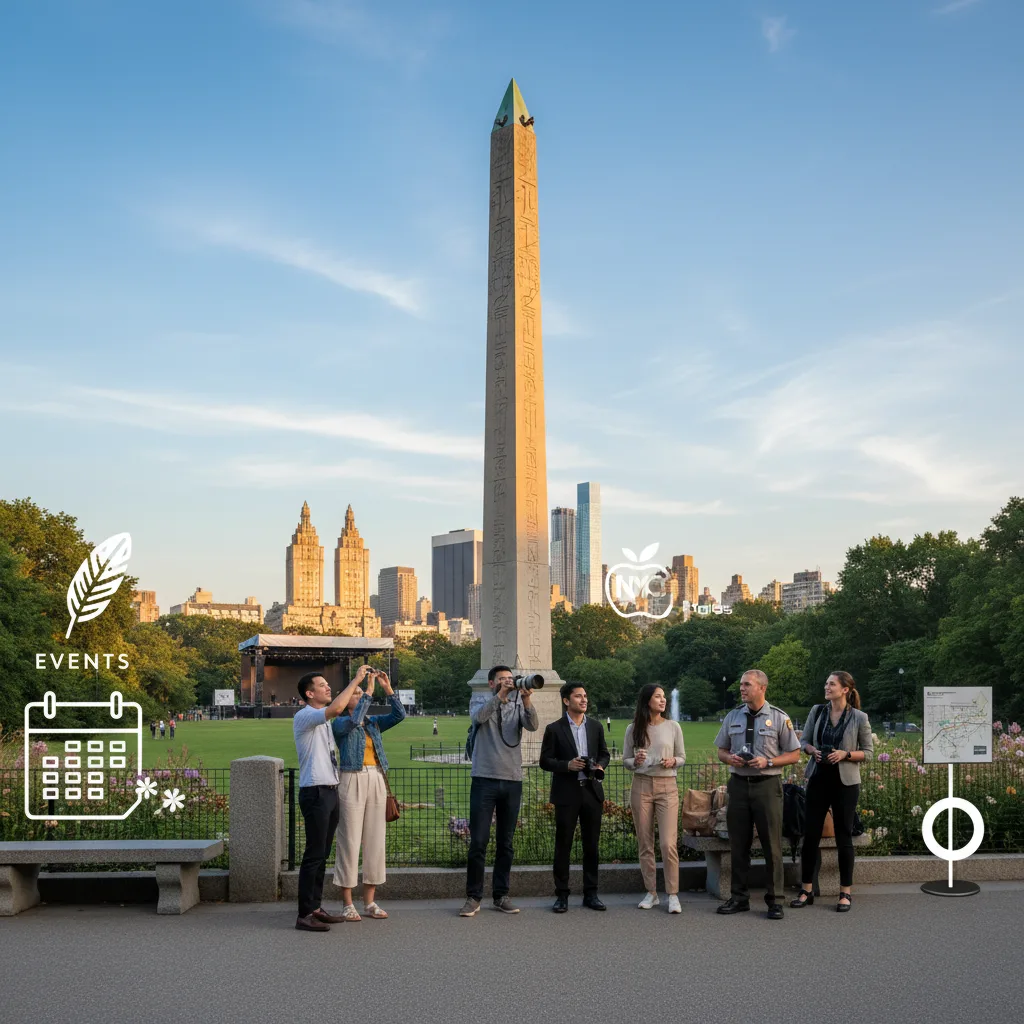
A Guide to What to Know About the Vatican Obelisk in Central Park 2026
Discover what to know about the Vatican Obelisk (Cleopatra's Needle) in Central Park, its history, journey to NYC, and where to find it in 2026.