


US Gas Prices Surge 96 Cents, Central Park Commuters Adjust Daily Life

NEW YORK — US gas prices have surged by 96 cents per gallon since the US-Israel war on Iran began, significantly impacting daily commutes and household budgets across New York City. The dramatic increase is attributed to disruptions in oil and gas supplies, including near-freezing of transit through the Strait of Hormuz. Central Park cyclists are loudly complaining about pump prices during group rides, with many switching to bikes full-time and organizing carpool challenges via neighborhood apps.
This sharp rise in fuel costs is generating widespread frustration among Manhattan residents, who are grappling with the broader economic shocks predicted by global markets. The Trump administration has hinted at lifting some Iranian oil sanctions to alleviate the crisis, while allies like Japan and Qatar urge de-escalation. The economic strain is particularly noticeable among taxi drivers near Central Park, who report fewer fares due to inflated operational costs.
Local Commutes Transformed by Fuel Costs
The substantial increase in gas prices is directly altering commuting habits for New Yorkers, particularly those residing near Central Park. Many residents, historically reliant on personal vehicles for some travel, are now actively seeking alternative transportation methods. Central Park cyclists, during their group rides, frequently voice frustration over the escalating costs at the pump, making the park’s pathways busier with daily commuters.
This shift is fostering innovative solutions within neighborhoods, such as carpool challenges organized through community applications. Such initiatives aim to mitigate the financial burden on individuals and families, showcasing a collective effort to adapt to the challenging economic climate. The increased cost of transportation ripples through the local economy, affecting businesses and residents alike.
Economic Strain Impacts Central Park Neighborhoods
Manhattan residents gathering at Sheep Meadow within Central Park are openly lamenting that the ongoing war and its economic fallout are 'ruining spring plans.' This sentiment reflects a broader concern about reduced discretionary spending and the impact on leisure activities. The economic pressure from inflated gas prices is palpable in conversations throughout the park's various social hubs.
Local delis and eateries are observing a change in consumer behavior, with patrons opting for cheaper snacks and budgeting more carefully. This trend underscores how global conflicts can directly influence local purchasing power and consumer choices. The economic uncertainty is prompting households to prioritize essential spending over non-essential expenditures, impacting the vibrancy of local commerce.
Taxi Drivers and Lost Fares Near the Park
Taxi drivers operating around Central Park are experiencing a significant downturn in business, often honking in frustration over lost fares. The substantial increase in fuel costs makes each trip more expensive to operate, while potential passengers are opting for cheaper alternatives like subway or walking. This creates a challenging environment for a profession already facing competition.
Drivers report that the cumulative effect of higher gas prices and reduced passenger demand is severely impacting their livelihoods. The economic ripple effect extends throughout the service industry that caters to park visitors and commuters. The situation highlights the vulnerability of local businesses to global economic pressures. Watch the YouTube video on surging gas prices.
Policy Debates and Global Market Fears
The Trump administration's contemplation of lifting some Iranian oil sanctions indicates a high-level recognition of the severe impact of current gas prices. This policy consideration aims to potentially increase global oil supply and stabilize prices. However, such moves are diplomatically sensitive, requiring careful negotiation with allies like Japan and Qatar, who are advocating for de-escalation.
Global markets remain volatile, fearing broader economic shocks if energy shortages persist or intensify. The disruption to the Strait of Hormuz, a critical transit point for oil, remains a central concern for energy analysts worldwide. The intersection of political decisions, global conflict, and market reactions creates an unpredictable economic landscape for all nations.
Community Initiatives for Sustainable Transport
In response to the economic and environmental pressures, Upper West Side parents at playgrounds are actively debating the merits of boycotting gas and pushing for electric vehicle (EV) talks in community forums. These discussions signify a growing interest in sustainable transportation solutions that could offer long-term relief from volatile fuel prices. Local residents are exploring collective action.
Community groups are also investigating grants and incentives for EV adoption, aiming to accelerate the transition away from fossil fuels. These grassroots efforts highlight a desire for greater energy independence and environmental responsibility. The increased cost of traditional fuel is spurring a renewed interest in more sustainable alternatives for urban living.
Frequently Asked Questions About Gas Prices and Local Impact
How much have US gas prices increased since the war began? US gas prices have surged by 96 cents per gallon since the US-Israel war on Iran started. What is causing the significant increase in gas prices? The increase is primarily due to disruptions in oil and gas supplies, including issues in the Strait of Hormuz transit. How are Central Park cyclists responding to higher fuel costs? Many are complaining about pump prices during group rides and switching to full-time cycling, organizing carpool challenges via neighborhood apps. How are local businesses near Central Park affected? Taxi drivers report fewer fares, and local delis see customers opting for cheaper snacks as families budget amid inflation. What is the Trump administration considering to ease the crisis? The Trump administration is hinting at lifting some Iranian oil sanctions to potentially increase oil supply and stabilize prices. Are there community discussions about alternative transportation? Yes, Upper West Side parents are debating boycotting gas and promoting electric vehicle talks in community forums. Where can I find more details on gas price surges? The YouTube video linked in the article provides additional information on the increase in US gas prices.
Related Articles
More in Economy & Local Response →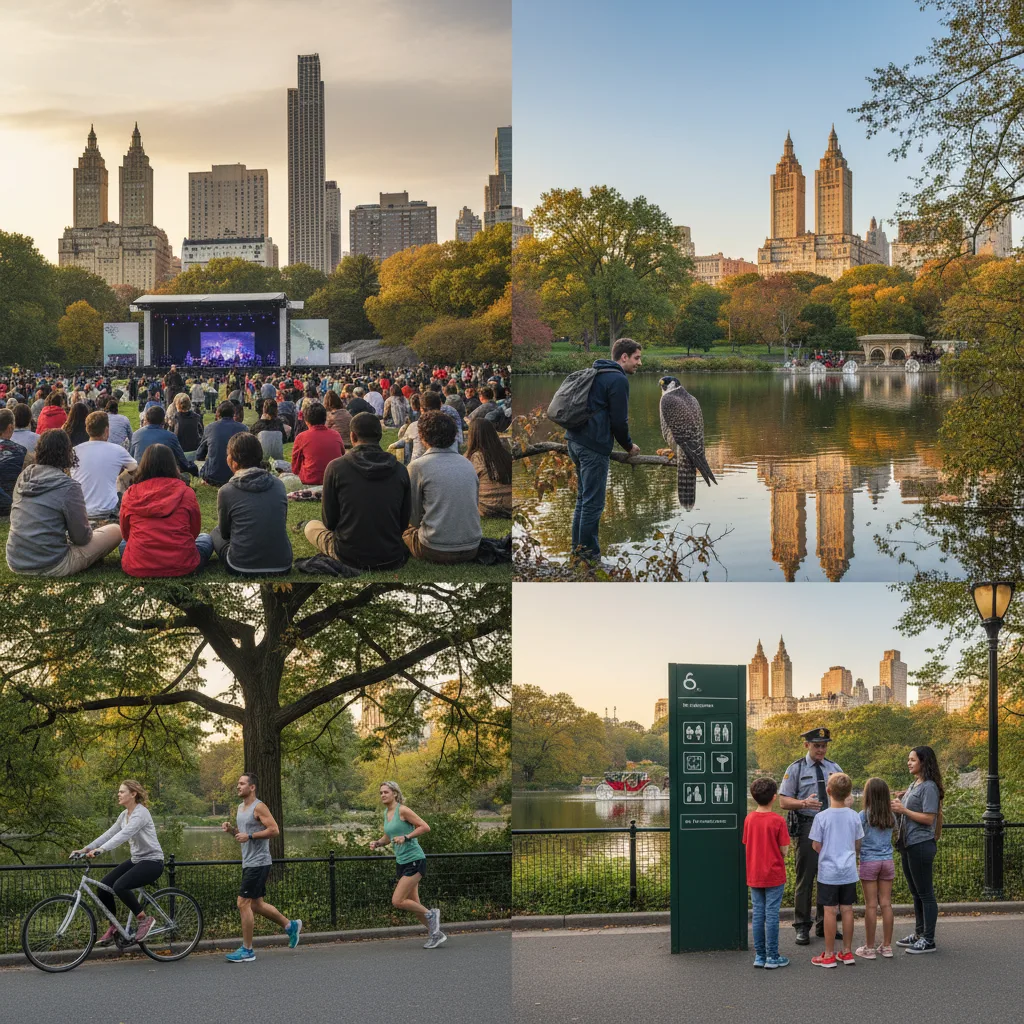
A Guide to Central Park's Top Activities and Best Things to Do in 2026
Discover the best things to do in Central Park, NYC, with our comprehensive 2026 guide to iconic landmarks, activities, and hidden gems for visitors.
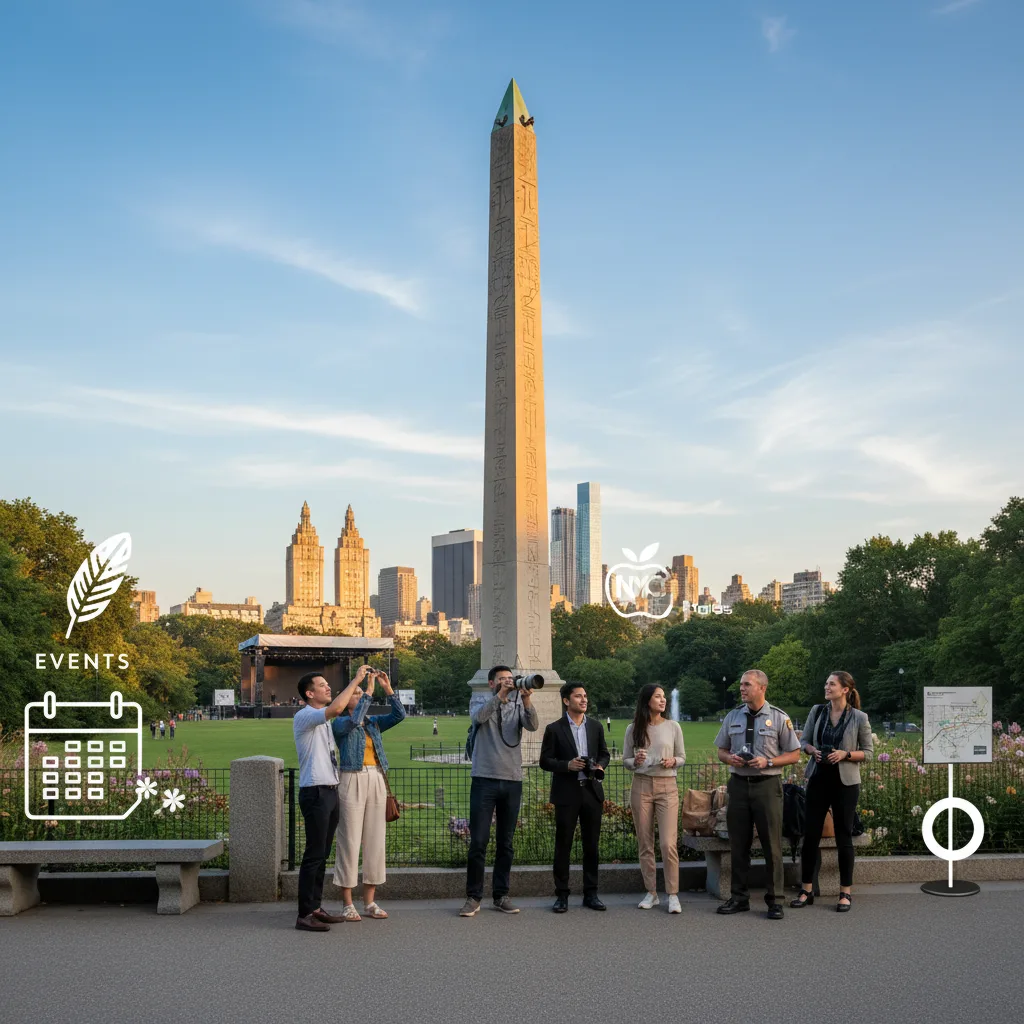
A Guide to What to Know About the Vatican Obelisk in Central Park 2026
Discover what to know about the Vatican Obelisk (Cleopatra's Needle) in Central Park, its history, journey to NYC, and where to find it in 2026.
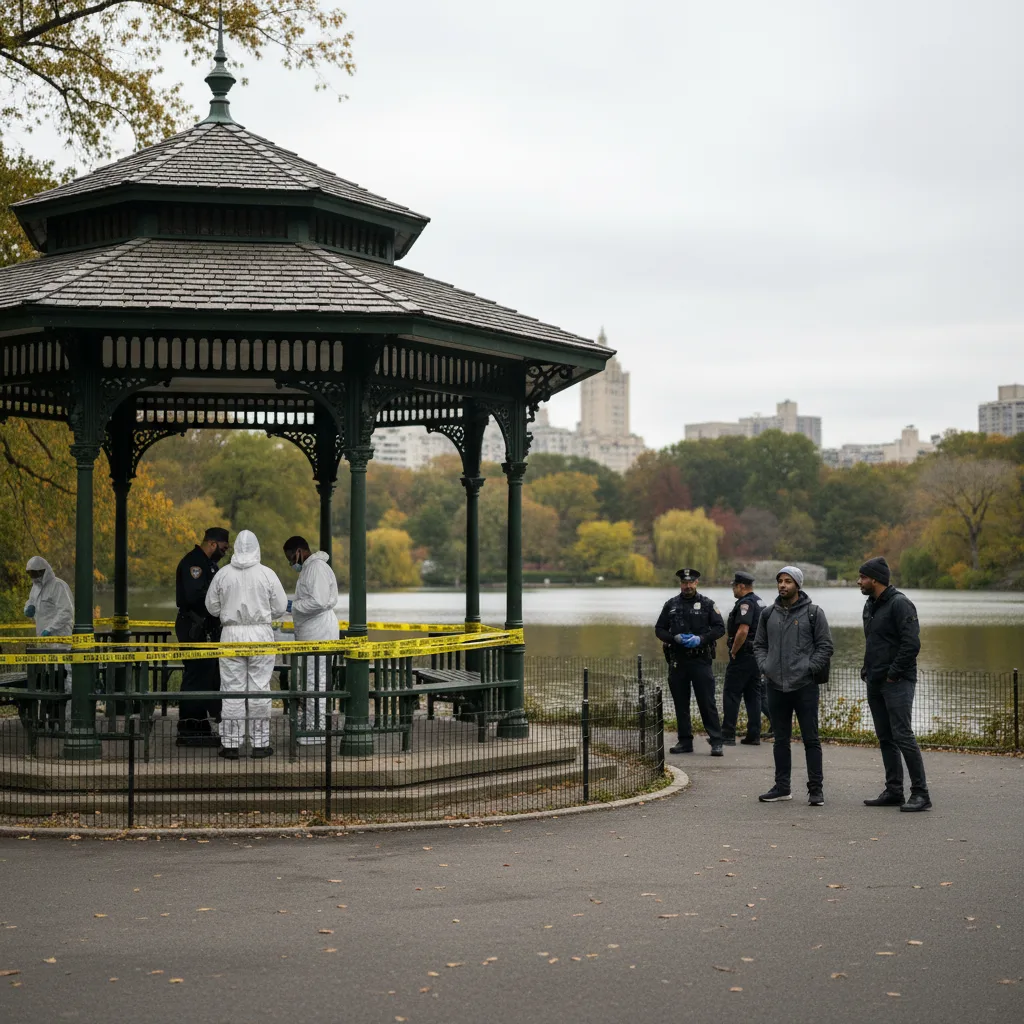
Central Park Woman Found Dead Near Boathouse Gazebo
A woman was found stabbed to death in a Central Park gazebo near the Boathouse on Sunday, prompting an active NYPD homicide investigation.
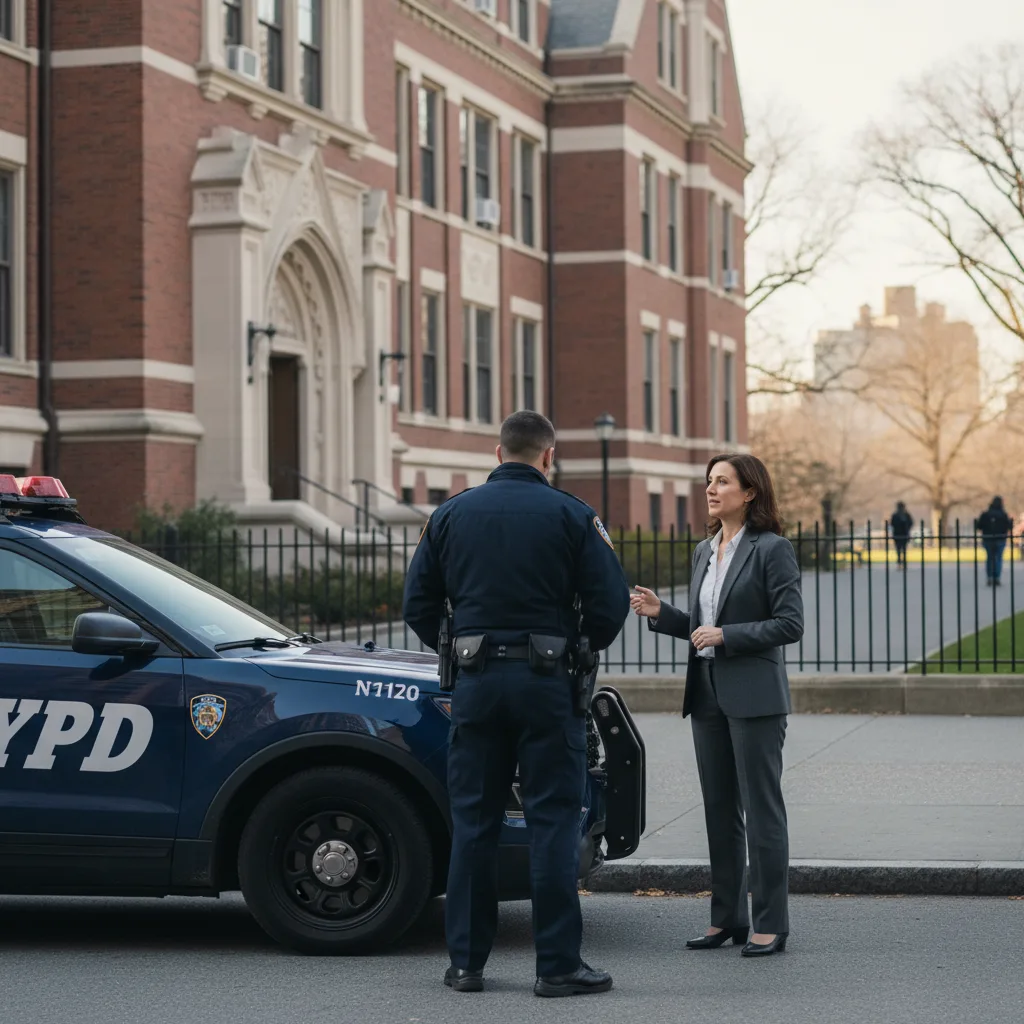
Queens Student Arrested for Bringing Gun to High School
A Queens student was arrested for bringing a gun to high school, prompting immediate law enforcement action and raising school safety concerns.

NYC Mayor Mamdani Booed at Union Square October 7 Vigil
Mayor Mamdani faced boos and protests at a Union Square vigil Thursday marking the Oct. 7 attacks, highlighting deep community divisions in NYC.
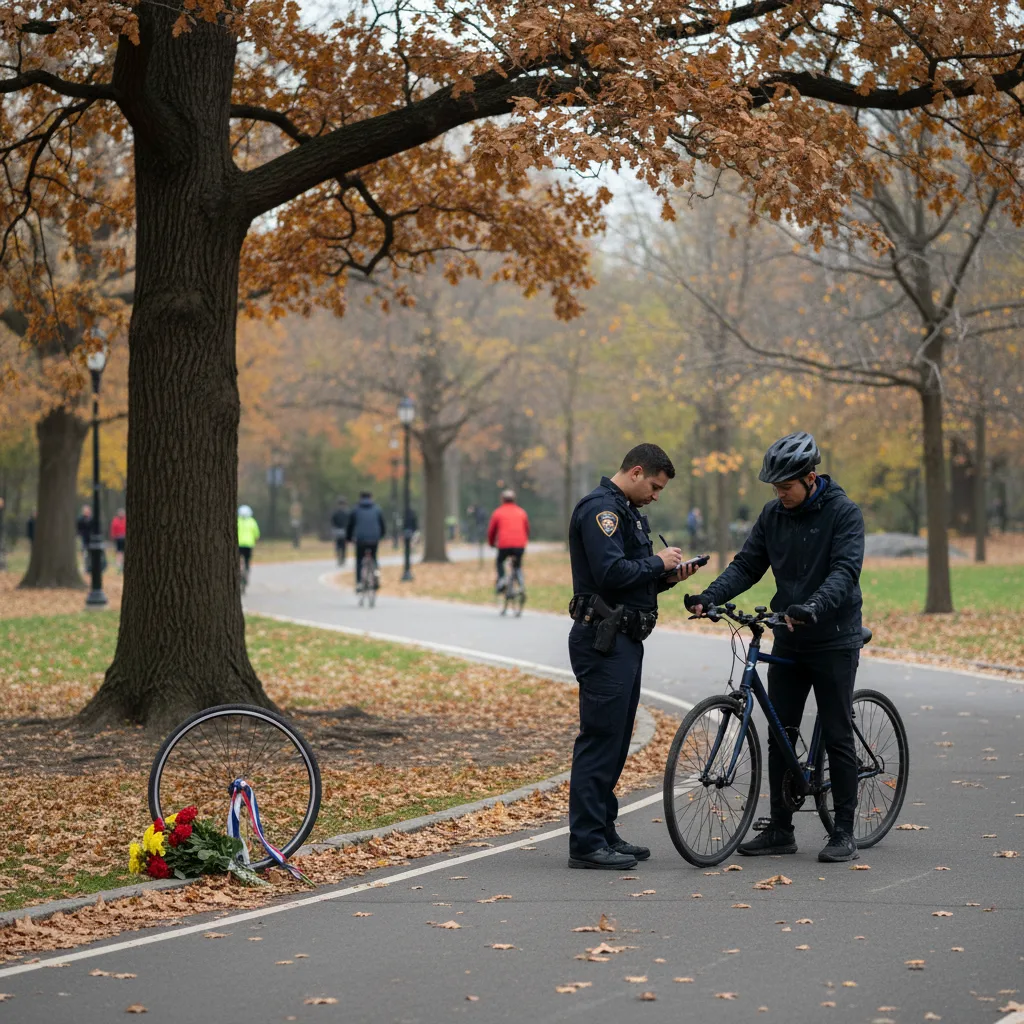
NYC Cyclist Death Prompts NYPD Ticketing Near Fatal Crash Site
NYPD stepped up cyclist ticketing near a recent fatal crash site in Central Park after a cyclist died Monday morning. Local groups demand safety reforms.