


US-Israeli War on Iran Enters Third Week; NYC Anxious

NEW YORK — The conflict between the United States, Israel, and Iran has intensified, now entering its third week with Iran continuing retaliatory strikes across the Middle East. This protracted engagement, which began on February 28, has significantly escalated global tensions and reverberated through New York City.
Manhattan residents and visitors to Central Park are visibly anxious, with conversations reflecting deep concern over American casualties and rising economic uncertainty. The human cost of the war is growing, adding to the apprehension felt locally and internationally, as reported by Democracy Now.
Escalating Conflict and Growing Casualties
The U.S.-Israeli war on Iran has seen a dangerous escalation, marked by Iran's launch of multiple ballistic missile strikes at Israel and drone attacks on infrastructure in the UAE, Kuwait, and Iraq. These actions signify a broadening of the conflict and increased regional instability.
The toll on American service members continues to rise, with six U.S. personnel recently killed in a military refueling plane crash in Iraq. This tragic incident brings the total number of American fatalities to 12 since the war's commencement, deepening public concern.
Central Park Community Voices Anxiety
Within Central Park and along its bustling perimeter, a palpable sense of anxiety permeates daily conversations among New Yorkers. Residents frequently discuss the escalating Middle East conflict, particularly its direct impact on American lives and the national economy, including gas prices.
Many express frustration that the conflict shows no immediate signs of de-escalation, fueling uncertainty about the future. Local business owners are closely monitoring oil price fluctuations, worried about how rising fuel costs could affect their operations and customers' transportation expenses, according to community responses cited in Democracy Now headlines.
Global Energy Disruptions and Economic Fallout
The ongoing conflict is creating severe global energy disruptions, with oil prices surging past $105 per barrel. Iran's threats to critical shipping lanes, particularly the Strait of Hormuz, are contributing to market volatility and concerns about broader economic stability.
Experts warn of potential widespread impacts on transportation, heating, and consumer goods prices, directly affecting household budgets in New York. This global crisis translates into tangible economic pressure for everyday Manhattanites, who face increasing costs for essential services.
Geopolitical Implications and Public Debate
The U.S.-Israel alliance and America's continued military involvement in the Middle East are subjects of intense discussion among New Yorkers. Conversations in the park and coffee shops delve into the broader geopolitical implications, including long-term regional stability.
Some residents question the efficacy and strategic necessity of prolonged military engagement, while others emphasize the importance of supporting allies. This public discourse highlights the complex array of opinions within a diverse urban population grappling with international crises.
Impact on Daily Life and Future Concerns
The ripple effects of the war are increasingly felt in the daily lives of Central Park area residents. Rising gas prices mean higher commuting costs for many, impacting personal budgets already stretched thin.
Families are discussing the implications for summer travel plans and overall financial stability, while local businesses navigate the unpredictability of energy markets. The collective hope remains for a swift and peaceful resolution, though optimism is tempered by the conflict's persistent nature.
Frequently Asked Questions About the Conflict's Local Impact
How has the U.S.-Israeli war on Iran affected New York City residents? Manhattan residents and Central Park visitors express anxiety over American casualties and rising gas prices, directly linking the conflict to their personal financial concerns. How many U.S. service members have been killed in the conflict? A total of 12 American service members have died since the war began on February 28, 2026, including six recently killed in an Iraq plane crash. What are local business owners concerned about? Business owners are closely watching rising oil prices, fearing increased fuel costs will impact their operations and customers’ transportation expenses, as noted in the latest news updates. How are rising oil prices affecting New Yorkers? Rising oil prices translate directly into higher gas and heating costs, causing frustration among commuters and impacting household budgets across the city. What broader geopolitical discussions are happening in NYC? New Yorkers are discussing the long-term implications of the U.S.-Israel alliance and America's military involvement in the region, reflecting diverse perspectives on international policy. Are residents changing their daily habits due to rising costs? Some residents are already considering alternative transportation options or carpooling to manage increasing energy expenses, and many are reassessing their summer travel plans due to the ongoing economic uncertainty.
Related Articles
More in Urban Policy & Development →
NYC Mayor Mamdani Booed at Union Square October 7 Vigil
Mayor Mamdani faced boos and protests at a Union Square vigil Thursday marking the Oct. 7 attacks, highlighting deep community divisions in NYC.
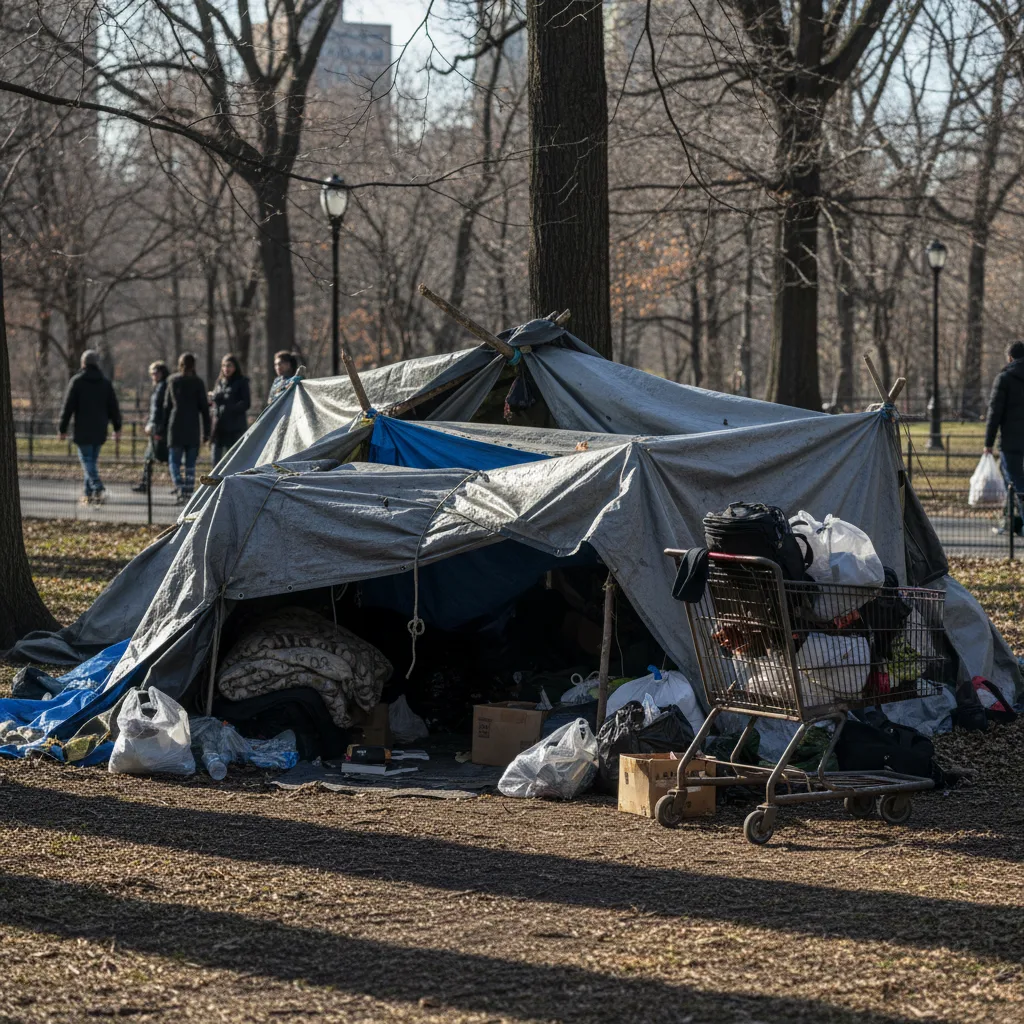
NYC Homeless Encampments Spotted Across Manhattan, Raising Concerns
Multiple homeless encampments have been spotted across Manhattan, raising significant concerns about urban policy and public safety. City officials are under pressure to address the growing homelessness crisis.
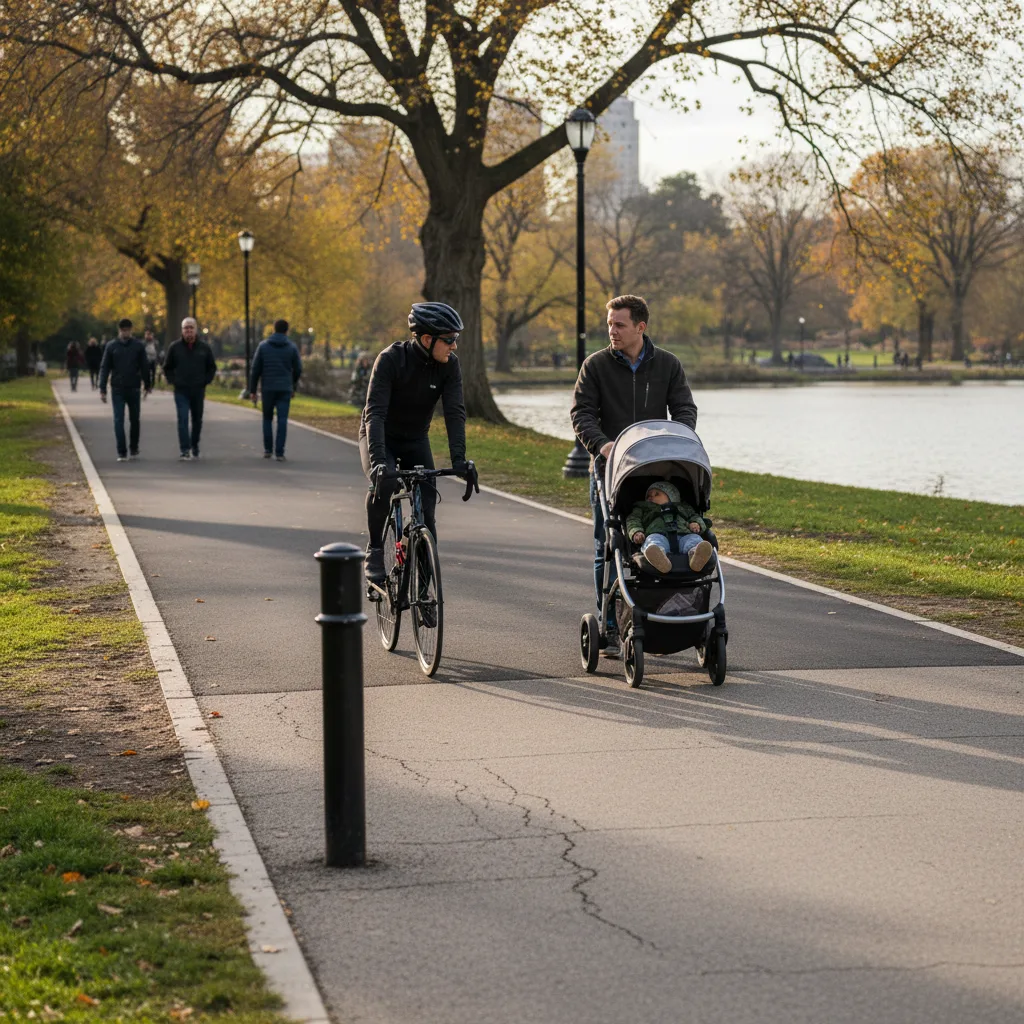
Safety Advocate Blames Park Redesign for Rising Central Park Cyclist Crashes
Safety advocates blame recent Central Park redesigns for a pedestrian's death and rising cyclist crashes, calling for urgent review of infrastructure.
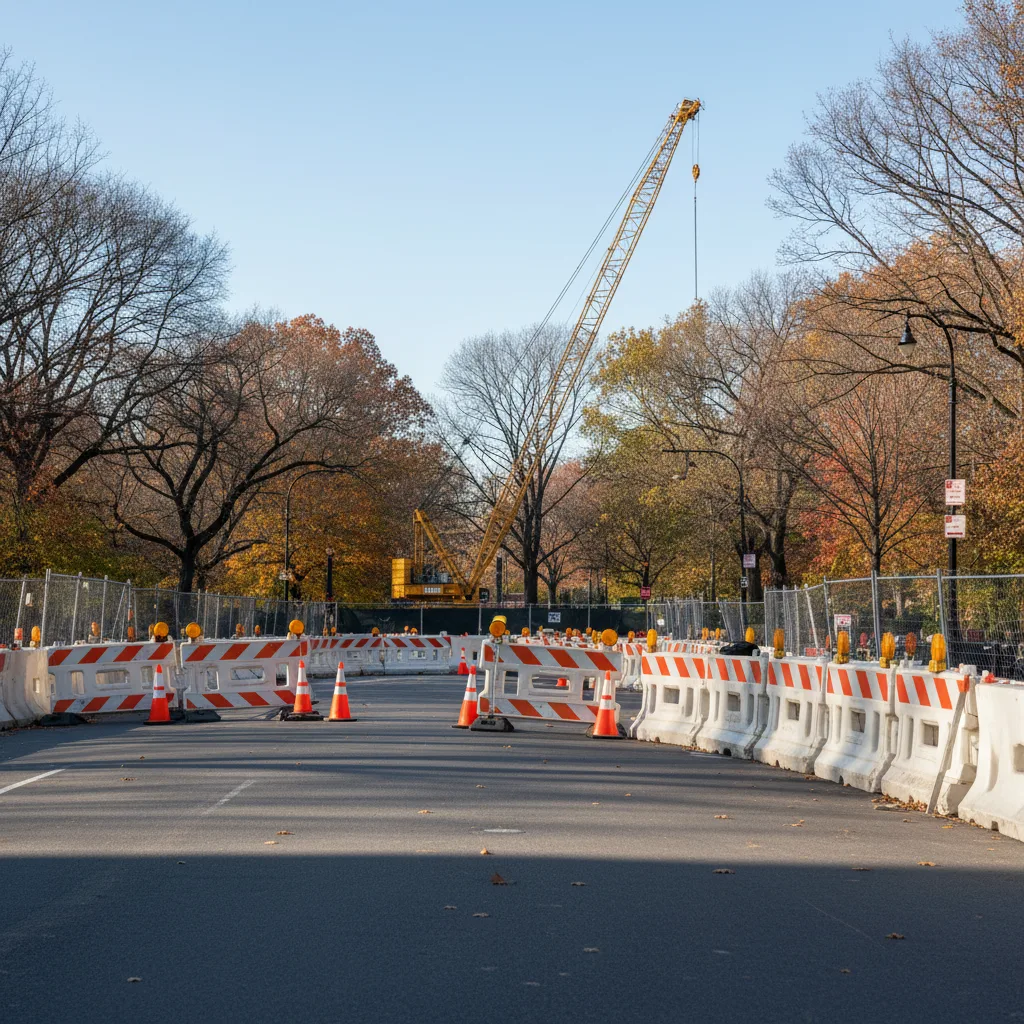
NYC DOT Advises Central Park Area Traffic Disruptions September 27
NYC DOT issued advisories for major traffic disruptions near Central Park on September 27, 2026, due to a parade and crane operations. Expect delays.

Davis Center at Harlem Meer Unveils State-of-the-Art Facilities
The new Davis Center at the Harlem Meer in Central Park's north end now features a state-of-the-art pool, ice rink, and multi-use turf field, enhancing community recreational options.
NYC City Record Confirms September 21, 2026, Publication Schedule
The NYC City Record confirmed its September 21, 2026, publication schedule, detailing administrative notices, procurement, and public hearings. This ensures transparency for municipal operations and public access to vital city information.