


Witness Describes Lightning Strike on Teen in Central Park

NEW YORK — “It happened so fast, one minute he was running for cover, the next there was this blinding flash and a thud.” That’s how Maria Rodriguez, a witness present in Central Park, described the terrifying moment a teenager was struck by lightning during a sudden thunderstorm on Wednesday afternoon. The 17-year-old male was severely injured and transported to Weill Cornell Medical Center in critical condition. The incident occurred near the Conservatory Water, a popular spot often crowded with visitors.
Emergency services were dispatched to the park shortly after 3:15 PM following multiple 911 calls reporting a lightning strike. Paramedics immediately began resuscitation efforts on the scene before transporting the teenager. Officials from the New York City Parks Department have issued a stern warning about seeking immediate shelter during electrical storms, emphasizing the inherent dangers of open spaces like Central Park during adverse weather conditions.
Details of the Sudden Storm
The thunderstorm, which developed rapidly over Manhattan, brought heavy rain and frequent lightning strikes across the city. The National Weather Service (NWS) had issued a severe thunderstorm warning for the metropolitan area just minutes before the incident. Despite the warnings, many park-goers, including the injured teenager, were caught off guard by the storm's sudden intensity. The park, usually a serene escape, quickly became a hazardous zone.
The teenager was reportedly seeking shelter under a tree, a common but dangerous mistake during lightning storms, according to the NWS. Trees act as conductors, and seeking refuge beneath them drastically increases the risk of a strike. “When thunder roars, go indoors,” reiterated Mark Stevens, a meteorologist with the NWS, in an advisory statement. He emphasized that concrete structures offer much safer protection than trees or open-sided shelters. For more information on weather advisories, refer to the Independent's weather updates.
Park Safety Protocols Under Scrutiny
Central Park, with its vast open fields and numerous tall trees, poses unique challenges during severe weather. The Central Park Conservancy, which manages the park, has detailed protocols for severe weather alerts, including public address announcements and digital signage. However, the speed at which this storm materialized left little time for widespread evacuation. Park rangers and security personnel did attempt to guide visitors to safer areas, but the sheer size of the park makes immediate clearance difficult.
“Our priority is always the safety of our millions of visitors,” stated a spokesperson for the Central Park Conservancy, speaking on background due to the ongoing investigation into the specific circumstances. “We continually review and update our emergency procedures, and this incident will certainly lead to further examination of how we can improve rapid response during unforeseen weather events.” There are over 100 emergency call boxes strategically placed throughout the park, designed for such urgent situations.
Medical Response and Recovery Efforts
The immediate medical response to the lightning strike was critical. Paramedics provided advanced life support on-site before transporting the patient. Lightning strikes can cause a range of severe injuries, including cardiac arrest, severe burns, and neurological damage, even without direct contact. The rapid response by EMS personnel significantly improves the chances of survival and recovery for victims of such incidents. The team worked quickly despite the continuing inclement weather.
Medical experts at Weill Cornell Medical Center are providing specialized care to the teenager. His family has requested privacy during this difficult time. While the immediate prognosis is guarded, the fact that he survived the initial strike is a testament to the swift actions of first responders and the medical team. Such cases often require extensive rehabilitation and ongoing medical attention. For general information about park events and safety guidelines, the Central Park website offers comprehensive details.
Broader Implications for Urban Parks
This incident has sparked a broader conversation about lightning safety in large urban parks, not just Central Park. City planners and park authorities in metropolitan areas globally are examining their emergency response systems and public awareness campaigns. The increasing frequency and intensity of extreme weather events, linked to climate change, underscore the need for robust safety measures in public outdoor spaces. This includes better integration of real-time weather alerts with park management systems.
Educational initiatives are also being considered to inform the public more effectively about the dangers of lightning and proper safety behaviors. Public service announcements and updated signage could play a role in preventing similar tragedies. The aim is to ensure that while parks offer natural beauty and recreation, they also remain safe havens, particularly in unpredictable weather. The New York City Parks Department is coordinating with the NWS to enhance warning systems.
Frequently Asked Questions About Lightning Safety in Central Park
What happened to the teenager in Central Park? A 17-year-old male was struck by lightning near Conservatory Water during a sudden thunderstorm on Wednesday afternoon and is in critical condition.
What caused the incident? The teenager was seeking shelter under a tree during a rapidly developing thunderstorm, a dangerous location during an electrical storm.
What are the Central Park's safety protocols for storms? The Central Park Conservancy has detailed protocols, including public address systems and digital signage for severe weather alerts, though rapid development of storms can limit evacuation time.
What should people do during a lightning storm in Central Park? The National Weather Service advises: "When thunder roars, go indoors." Avoid open spaces, tall objects like trees, and seek sturdy, enclosed shelter immediately.
Where was the teenager transported for medical care? The injured teenager was transported to Weill Cornell Medical Center, where he is receiving specialized treatment for his injuries.
Related Articles
More in Safety & Crime →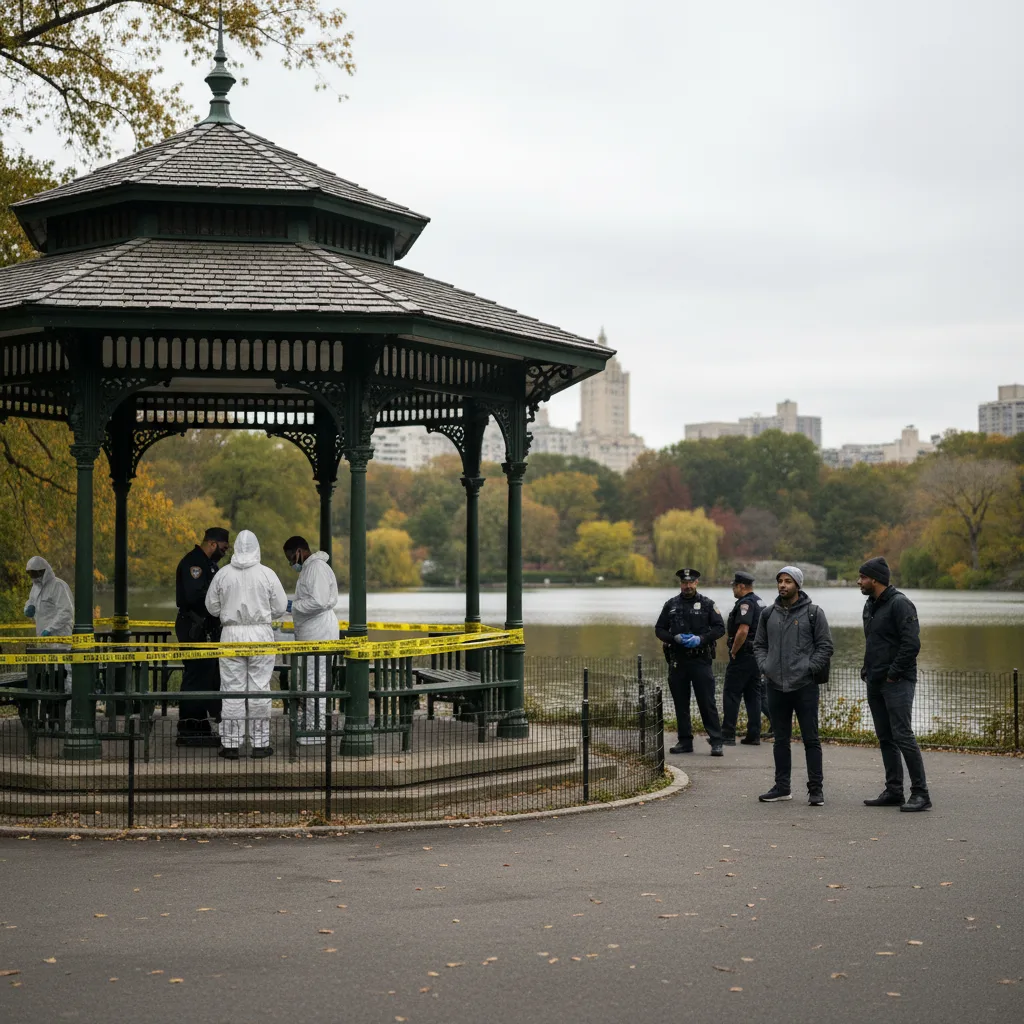
Central Park Woman Found Dead Near Boathouse Gazebo
A woman was found stabbed to death in a Central Park gazebo near the Boathouse on Sunday, prompting an active NYPD homicide investigation.
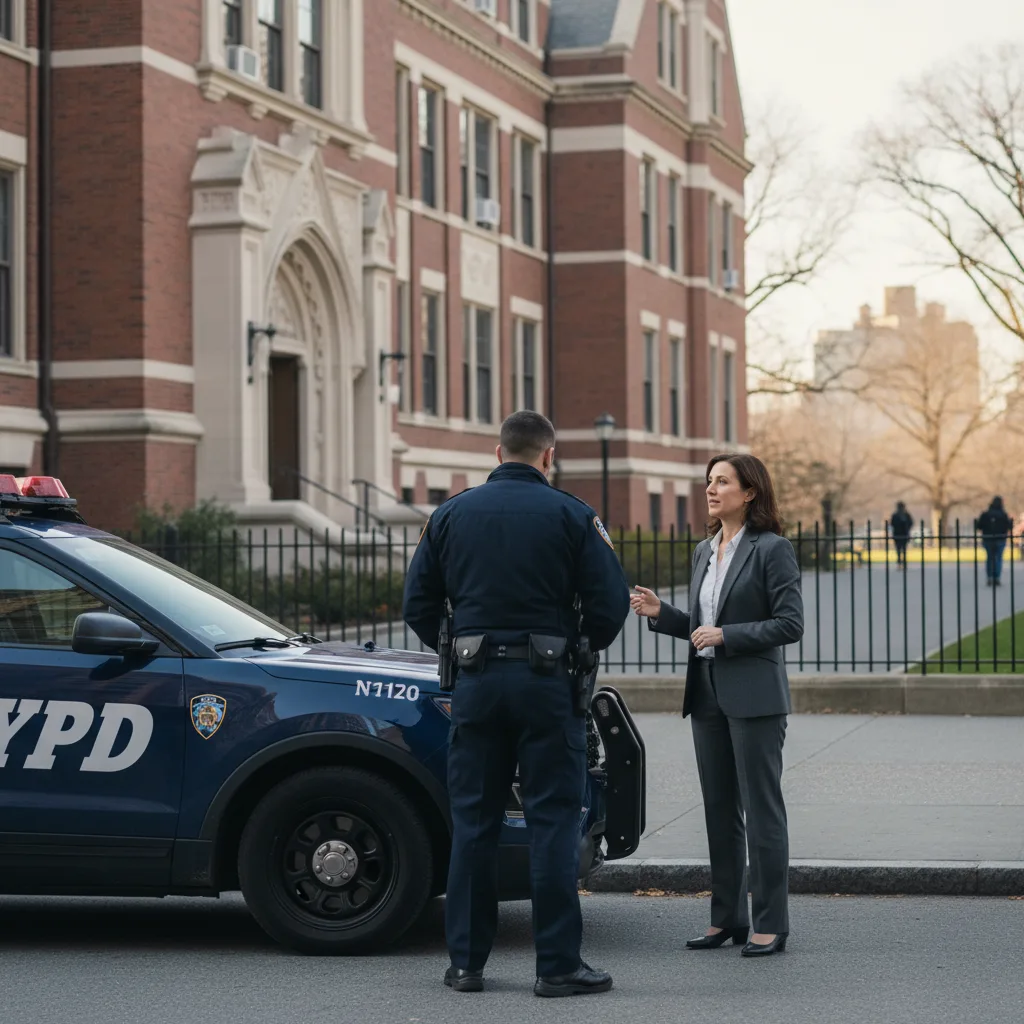
Queens Student Arrested for Bringing Gun to High School
A Queens student was arrested for bringing a gun to high school, prompting immediate law enforcement action and raising school safety concerns.
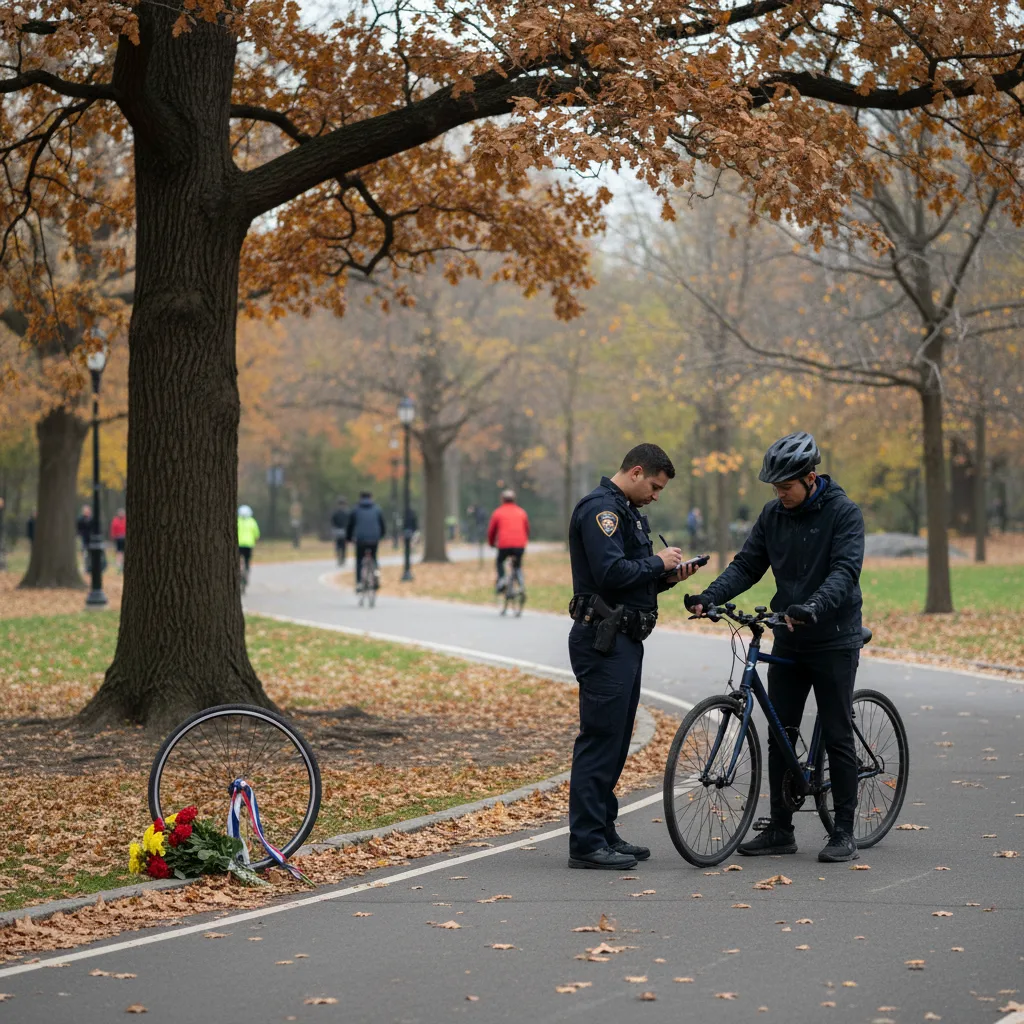
NYC Cyclist Death Prompts NYPD Ticketing Near Fatal Crash Site
NYPD stepped up cyclist ticketing near a recent fatal crash site in Central Park after a cyclist died Monday morning. Local groups demand safety reforms.
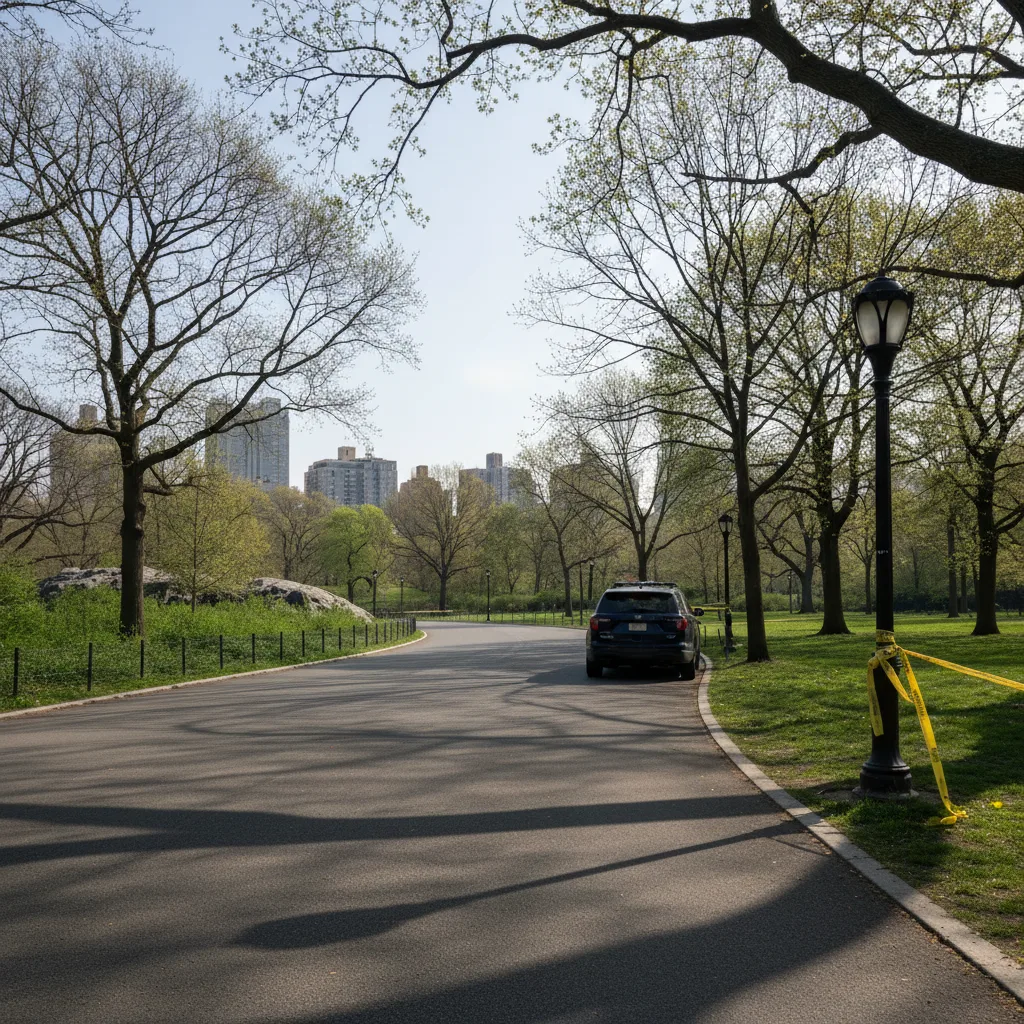
NYPD Confirms 71-Year-Old Cyclist Dies After Dog Collision in Central Park
NYPD confirms a 71-year-old cyclist died after colliding with a dog on Central Park's East Drive, near East 84th Street. The investigation is ongoing.
NYPD Investigates Central Park Cyclist Death After Dog Collision
NYPD confirms a 71-year-old cyclist died after colliding with a dog on Central Park's East Drive, near 84th Street. Investigation ongoing.
Man Charged in Central Park Beating Death of 63-Year-Old Woman
A 36-year-old man was charged with murder after a 63-year-old woman was found dead with head trauma in Central Park, NYPD confirmed.