


1 Hotel Central Park Area Secures New Carriage Horse Patrols
NEW YORK — A veteran carriage horse collapsed near the southern boundary of the park on Tuesday afternoon, CBS News New York confirmed. The incident occurred at the corner of West 59th Street and Sixth Avenue, directly blocking transit lanes and drawing a large crowd of onlookers.
According to CBS News New York, the animal was quickly assisted by Midtown North Precinct officers and veterinary staff who arrived on the scene within minutes. This medical emergency has reignited the long-running public debate regarding the health and safety of working carriage horses on busy Manhattan streets.
Emergency Medical Response Deployed to Southern Boundary
Deputy Inspector Raymond Kelly confirmed Wednesday morning that the horse, a sixteen-year-old draft horse, suffered from sudden heat exhaustion. Kelly noted that officers had to divert traffic along Central Park South for nearly an hour while the animal was stabilized.
Emergency responders used cool water from a nearby hydrant to lower the horse's body temperature before it could stand. The animal was eventually loaded into a specialized equine ambulance and transported to a stable on the West Side.
To ensure the public was kept safe, officers set up a temporary perimeter around the intersection of West 59th Street. This crowd control measure prevented pedestrian blockades near the park's busy southern entrance.
Veterinary Oversight Teams Mandate Immediate Health Audits
"The horse is currently in stable condition and is receiving comprehensive veterinary care," said Dr. Sarah Alcorn, the lead veterinarian at the equine facility. Alcorn added that the horse will be held from service for at least thirty days to ensure a complete recovery.
In response to the medical emergency, the city's health department ordered an immediate veterinary audit of all horses currently operating in the Manhattan fleet. This audit aims to identify any underlying health issues that could pose a risk to the animals or the public.
The safety review aligns with municipal efforts, as the City Health Department Mandates Veterinary Audits for Carriage Fleet to enforce stricter animal welfare standards. Veterinary teams plan to inspect all forty-eight active carriage horses over the next two weeks.
Transit Congestion Cleared Near 1 Hotel Central Park Intersection
The collapse occurred just steps away from the famous 1 hotel central park, causing significant traffic delays for commuters heading into Midtown. Portions of Sixth Avenue were closed to all vehicular traffic while emergency crews worked to clear the scene safely.
Guests at the 1 hotel central park watched from their windows as police officers coordinated with the carriage driver to move the heavy carriage. The vehicle was eventually towed away by a municipal flatbed truck, according to Department of Transportation records.
Local business owners noted that the temporary street closure caused a brief drop in foot traffic during the busy lunch hour. However, normal traffic flow was fully restored by mid-afternoon, according to NYPD transit updates.
Historic Animal Carriage Operations on Manhattan Roads
Horse-drawn carriages have been a staple of Manhattan's tourism industry since the late nineteenth century, operating under strict municipal guidelines. The carriages are currently restricted to the southern loop of the park and a few designated streets in Midtown.
Historical records show that the carriage industry has faced numerous regulatory changes over the decades to address urban traffic growth. Despite these adjustments, animal welfare advocates argue that modern Manhattan streets are too congested and noisy for working horses.
"The carriage industry represents a bygone era that is increasingly difficult to justify in a modern city," said local historian James Warren. Warren noted that the conflict between horse carriages and motorized traffic has steadily grown since the introduction of automobiles.
Local Advocates Call for Transition to Electric Carriages
Animal welfare organizations gathered near Columbus Circle on Wednesday morning to protest the continued use of horse-drawn carriages. The advocates are calling on the City Council to pass Ryder's Law, which would replace the horses with electric carriages.
The proposed transition is designed to preserve the jobs of carriage drivers while ensuring the safety and welfare of the animals. Protesters plan to hold daily rallies along Central Park South until a formal vote is scheduled on the pending legislation.
Industry representatives argue that electric carriages would destroy a beloved New York tradition and harm the local tourism economy. The City Council's committee on transportation is scheduled to hold a public hearing on the matter on February 18, 2026.
Frequently Asked Questions
What happens to carriage horses when they are retired from service?
Retired carriage horses are typically sent to specialized animal sanctuaries or private farms outside of New York City. Many of these sanctuaries are funded by animal welfare organizations and private donations to ensure the horses receive proper long-term care. Drivers and owners often work with these groups to find suitable homes for retired animals.
Are there temperature restrictions for carriage horse operations?
Yes, city regulations prohibit carriage horses from working when the temperature reaches ninety degrees Fahrenheit or higher, or when the wind chill drops below nineteen degrees. The Department of Consumer and Worker Protection is responsible for monitoring weather conditions and enforcing these work stoppages. Drivers who violate these regulations face heavy fines and potential suspension of their licenses.
How can visitors verify if a carriage horse is being treated humanely?
Every licensed carriage horse in New York City must wear a metal license plate on its collar that displays its unique identification number. Visitors can check this number and report any concerns about the horse's condition or behavior to the city's 311 system. Licensed veterinarians conduct regular health inspections of the horses at their West Side stables.
Related Articles
More in Visitor Guide →
A Guide to Central Park's Top Activities and Best Things to Do in 2026
Discover the best things to do in Central Park, NYC, with our comprehensive 2026 guide to iconic landmarks, activities, and hidden gems for visitors.
A Guide to What to Know About the Vatican Obelisk in Central Park 2026
Discover what to know about the Vatican Obelisk (Cleopatra's Needle) in Central Park, its history, journey to NYC, and where to find it in 2026.
A Complete Guide to the Central Park Reservoir: What to Know Before You Visit
Discover everything you need to know about the Central Park Reservoir: its history, running track, wildlife, best views, and visitor tips for 2026.
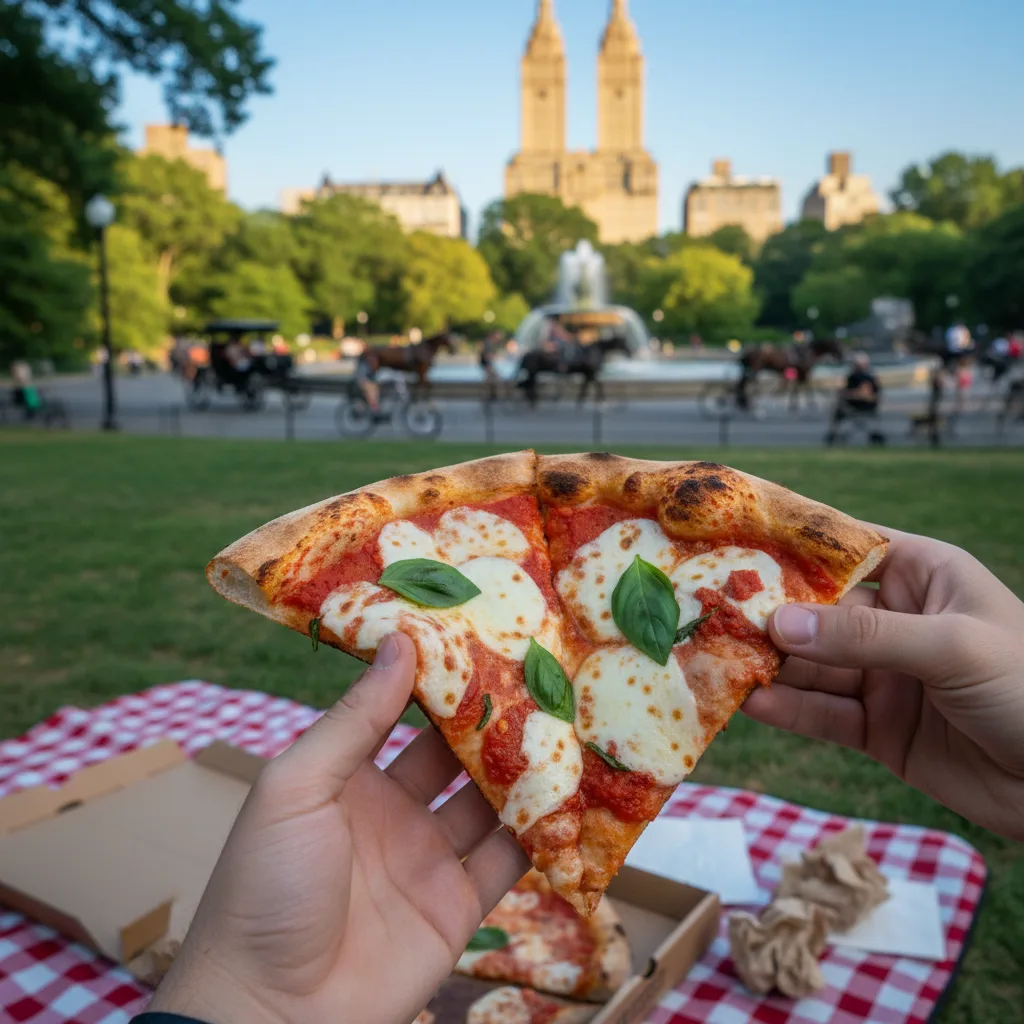
A Guide to Central Park's Top 5 Pizzerias: The Best Slices Near You in NYC
Discover the top 5 pizzerias near Central Park, NYC. This guide helps you find the best slices, from historic institutions to modern favorites.
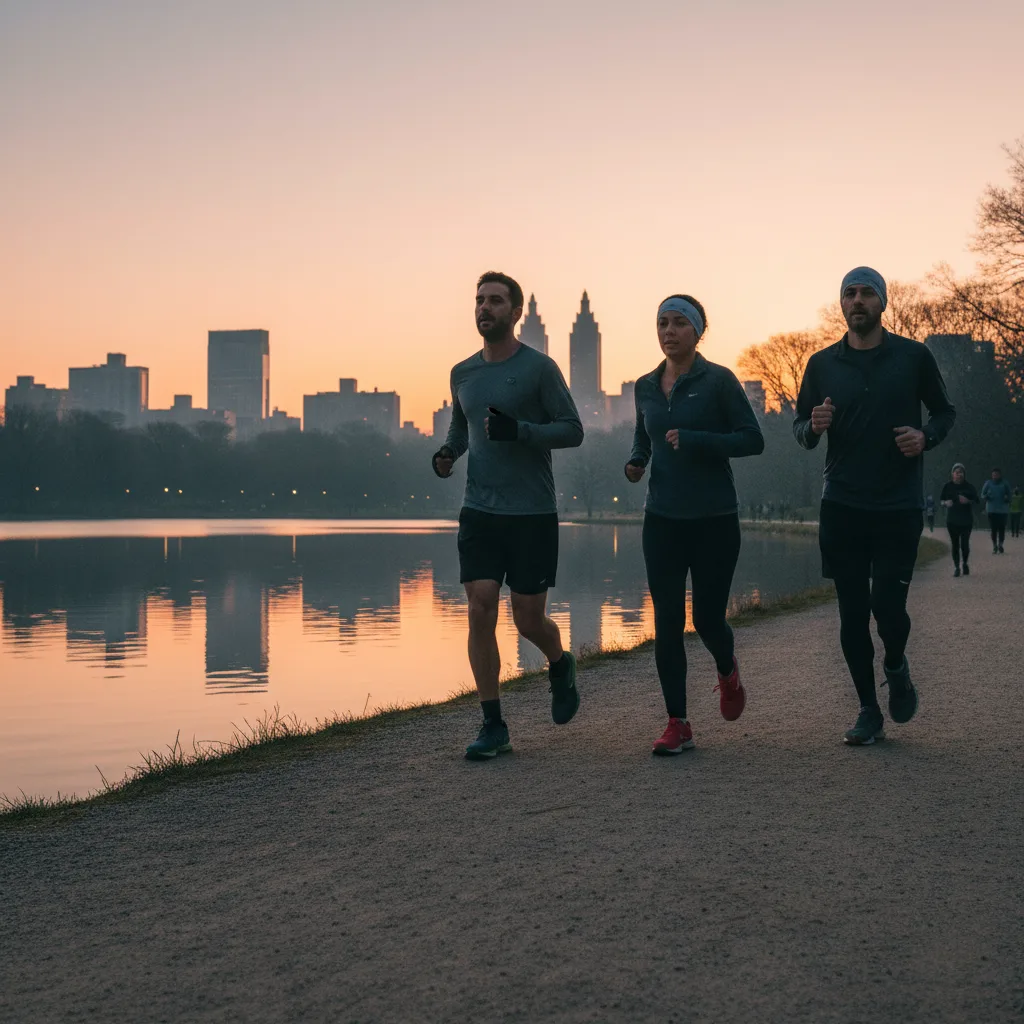
Central Park Offers Daily Public Access From 6 AM to 1 AM
Central Park maintains extensive daily public access from 6:00 am to 1:00 am, offering a continuous urban sanctuary for millions of visitors.
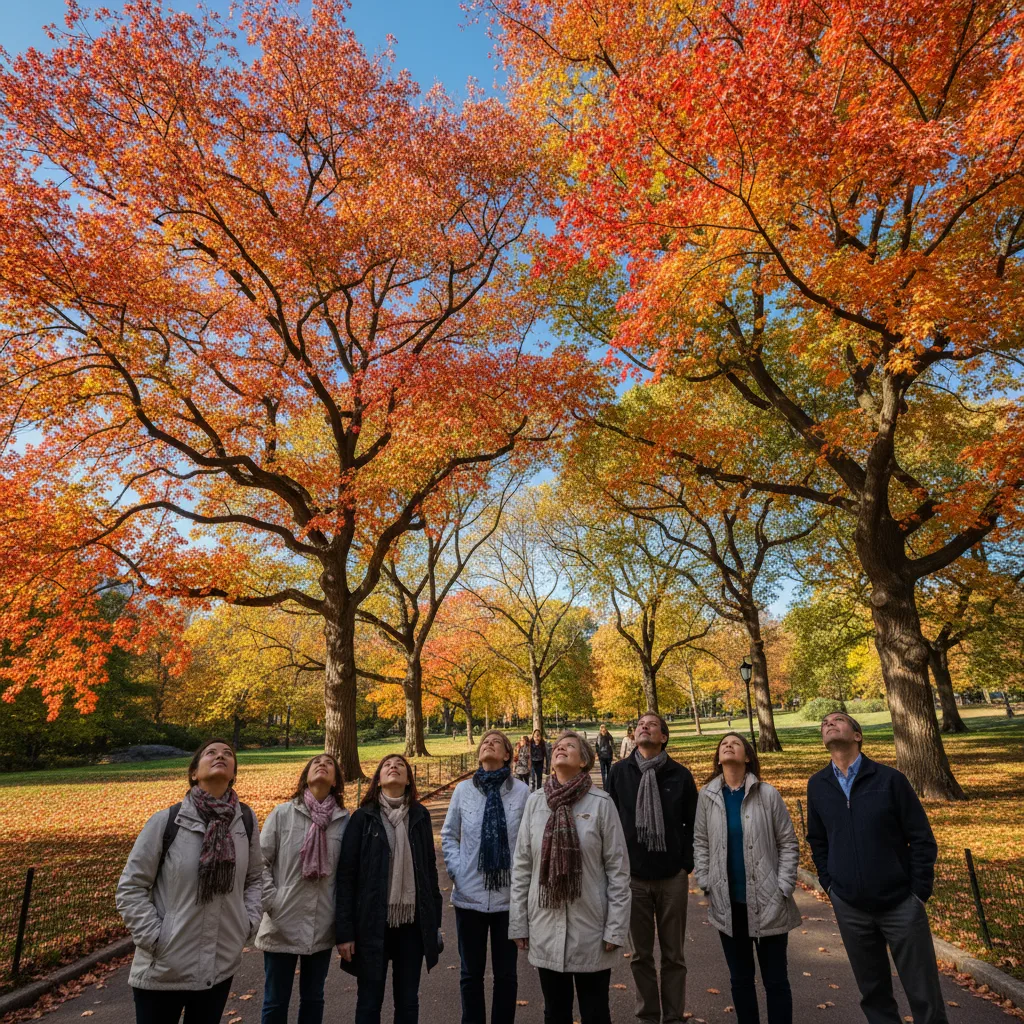
Central Park Conservancy Updates Calendar with Fall Foliage Trackers
The Central Park Conservancy has updated its calendar with fall foliage trackers and seasonal activities, guiding visitors to experience the park's autumn beauty and diverse offerings. The new resources aim to enhance planning for iconic views and events.