


Central Park Conservancy Responds to Tragic Horse Death
NEW YORK — Park visitors and local advocacy groups expressed deep shock and sorrow Tuesday as viral central park photos of a collapsed carriage horse spread across social media, according to the Central Park Conservancy. The non-profit organization released an official statement addressing the tragedy that occurred near the East 72nd Street entrance.
Conservancy Statement Addresses Viral Central Park Photos
The Central Park Conservancy expressed deep sadness Tuesday over the tragic death of the carriage horse near the park's eastern boundary. In an official statement, the organization emphasized that the safety and well-being of all animals within the park's borders remains a top priority for their staff.
"We are deeply saddened by this tragic event," the Central Park Conservancy announced in a statement released Wednesday morning on the official Central Park press portal. The organization added that they are working closely with city agencies to review the circumstances surrounding the sudden collapse.
The viral images depicted the horse lying on the pavement, sparking outrage among park visitors. Many called for immediate structural changes to how carriage concessions are managed inside the park boundaries.
The Conservancy, which manages the park under a contract with the city, has historically remained neutral on the carriage debate. However, this statement signals a growing concern over how these incidents affect the overall visitor experience.
Emergency Veterinary Response Near Bethesda Terrace
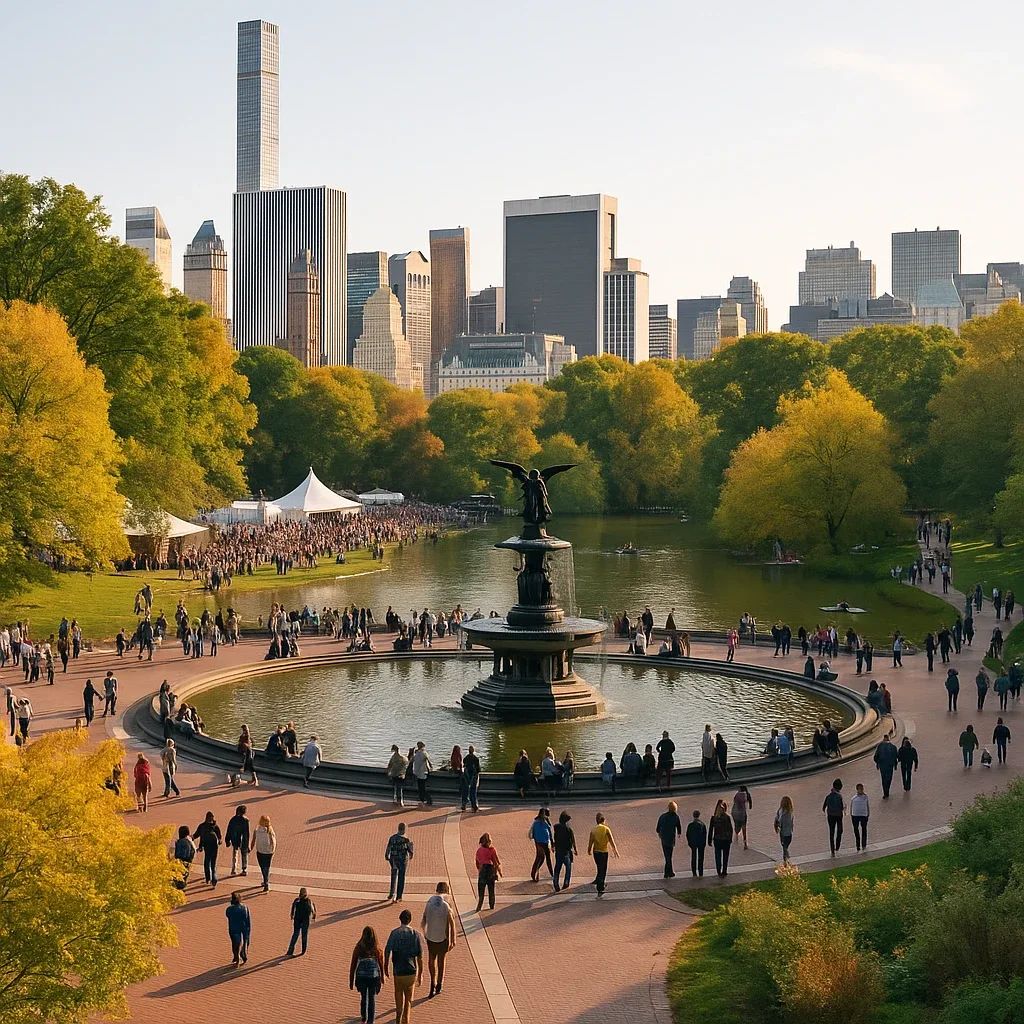
The incident unfolded near Bethesda Terrace — where the park's historic sandstone plaza overlooks the Lake — drawing a crowd of afternoon visitors who watched from the adjacent path. Cherry blossoms were beginning to bud along the Cherry Hill path, offering a stark contrast to the somber mood of the crowd gathered nearby.
Emergency responders worked for over an hour to stabilize the animal before it succumbed to its illness. Witnesses praised the park staff for their quick action in trying to assist the downed horse.
Our staff responded immediately to assist the veterinary team, according to official Central Park Conservancy reports released shortly after the incident. Despite these efforts, the horse could not be saved.
The body was eventually transported out of the park using specialized equipment. This operation was completed late Tuesday evening to minimize disruption to park visitors.
Safety Regulations Scrutinized After Sudden Cardiac Collapse
The sudden collapse has renewed pressure on the city to enforce stricter safety standards. Currently, horses are monitored by several city agencies, but critics argue the enforcement is lax.
This tragedy occurred amid a broader push for safety, including the Park Central Hotel carriage audits that investigated driver compliance. Investigators are now reviewing the horse's medical records to see if there were pre-existing conditions.
The carriage industry is required to maintain detailed logs of each horse's work hours and medical history. These logs are being subpoenaed by the city's Department of Health.
Activists argue that these logs are often self-reported and lack independent verification. They are demanding that the city implement random, third-party veterinary checks.
Historical Carriage Operations Face Unprecedented Local Opposition
Carriage operations have been a staple of the park since its opening in the 19th century. However, modern traffic and increased park density have made the practice highly controversial.
Local community boards have repeatedly passed resolutions calling for restrictions on carriage routes. This opposition has grown stronger as more high-profile incidents are documented by the public.
Proponents argue that the carriages are an iconic tourist attraction that supports hundreds of families. They believe that banning them would hurt the city's tourism economy.
This incident has also triggered a renewed campaign, as detailed in the Central Park News horse death report, which highlights the growing momentum of local advocacy groups.
Long-Term Ecological and Operational Impact on the Park
The Conservancy is also evaluating the physical impact of carriage operations on park infrastructure. Heavy draft horses contribute to soil compaction and pavement wear along the carriage loops.
These operational challenges are being reviewed as part of the park's long-term maintenance planning. The Conservancy is committed to protecting the park's historic landscapes.
Any major policy change regarding the carriages would require approval from both the City Council and the Mayor's office. The Conservancy will continue to provide data to guide these decisions.
The debate is expected to intensify as the city prepares for its upcoming legislative session.
Frequently Asked Questions
How does the Central Park Conservancy participate in regulating carriage horses? The Central Park Conservancy does not have regulatory authority over the carriage industry. Regulations are established and enforced by city agencies, including the Department of Health and the Department of Consumer and Worker Protection. The Conservancy focuses on maintaining park infrastructure and visitor safety.
Where are carriage horses housed when they are not working in the park? Carriage horses are housed in private stables located on the West Side of Manhattan. These stables are inspected periodically by the Department of Health to ensure they meet basic safety and sanitation standards.
Are there specific areas of the park where carriages are restricted? Yes, carriages are restricted to designated paved roadways in the southern portion of the park. They are not permitted on pedestrian paths, bridle paths, or in sensitive ecological zones like the Ramble.
Related Articles
More in Visitor Guide →
A Guide to Central Park's Top Activities and Best Things to Do in 2026
Discover the best things to do in Central Park, NYC, with our comprehensive 2026 guide to iconic landmarks, activities, and hidden gems for visitors.
A Guide to What to Know About the Vatican Obelisk in Central Park 2026
Discover what to know about the Vatican Obelisk (Cleopatra's Needle) in Central Park, its history, journey to NYC, and where to find it in 2026.
A Complete Guide to the Central Park Reservoir: What to Know Before You Visit
Discover everything you need to know about the Central Park Reservoir: its history, running track, wildlife, best views, and visitor tips for 2026.
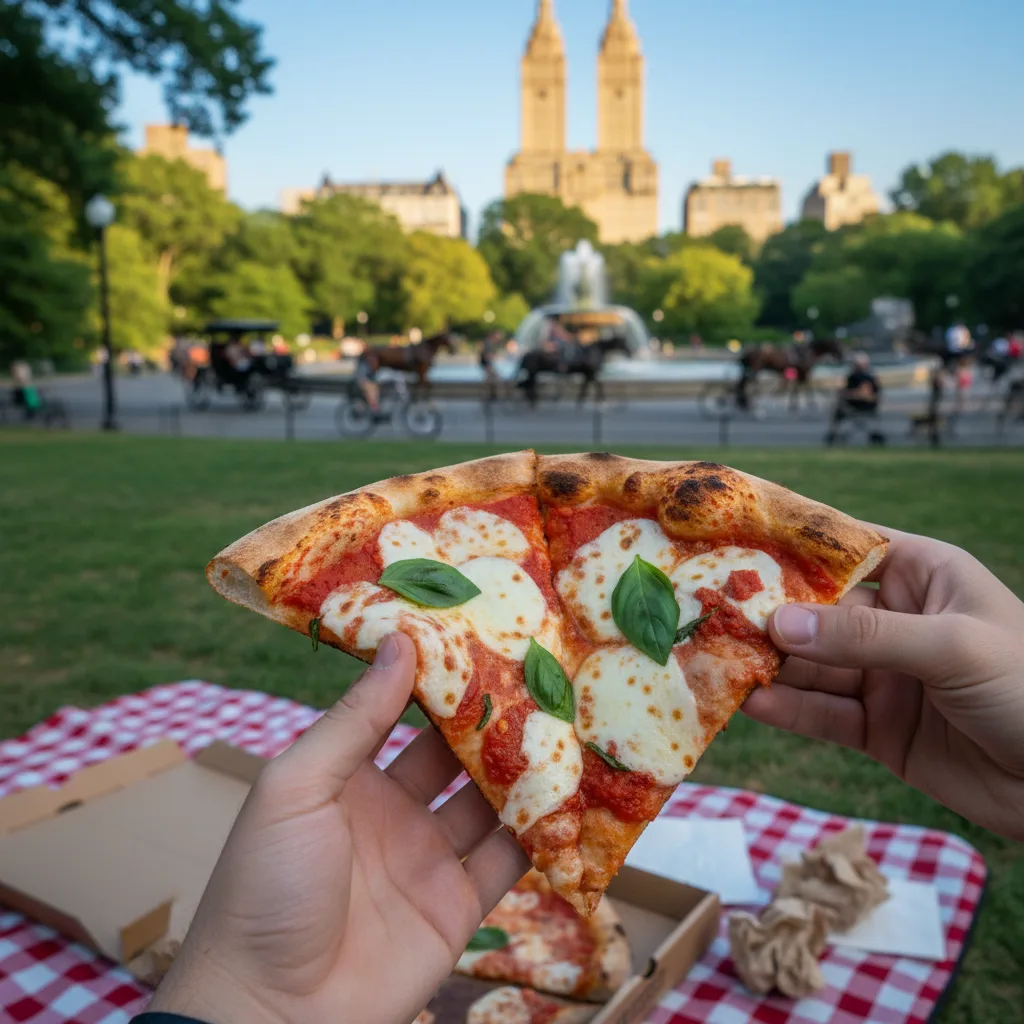
A Guide to Central Park's Top 5 Pizzerias: The Best Slices Near You in NYC
Discover the top 5 pizzerias near Central Park, NYC. This guide helps you find the best slices, from historic institutions to modern favorites.
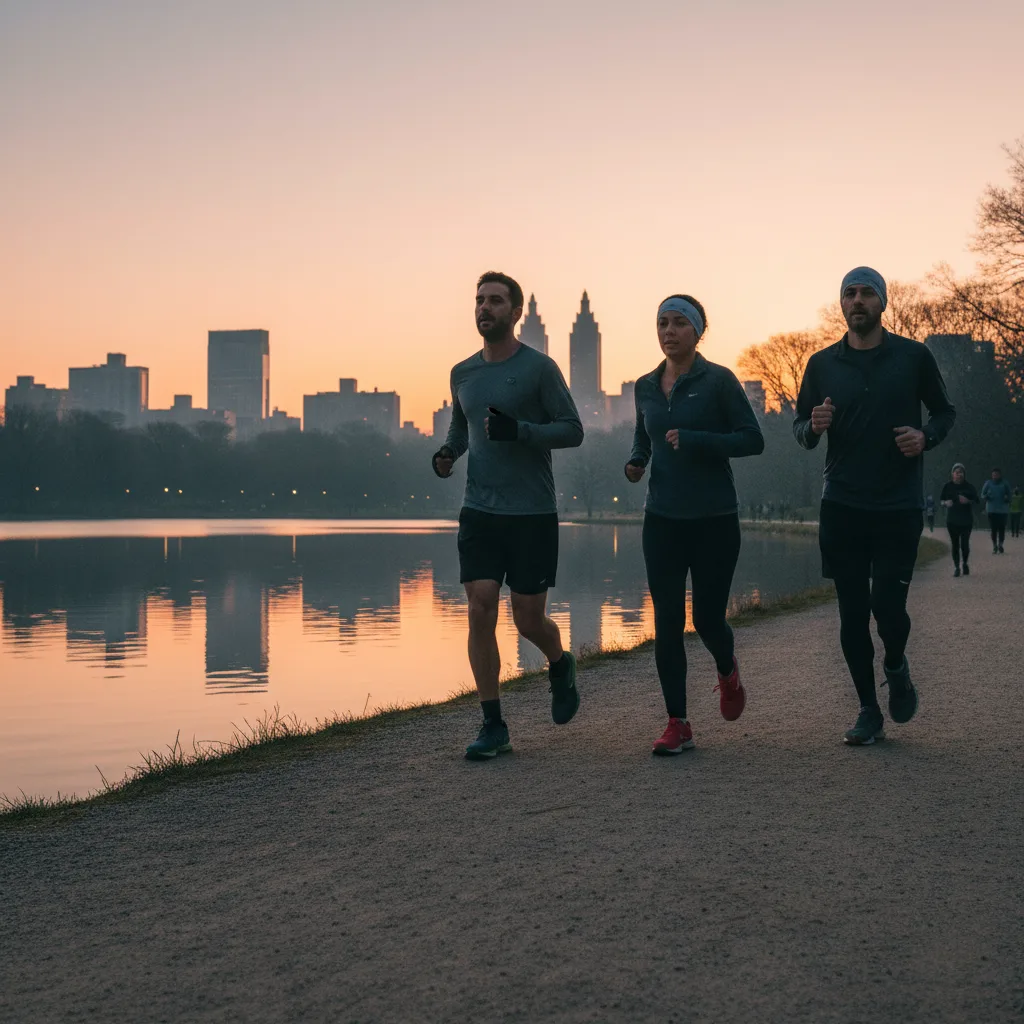
Central Park Offers Daily Public Access From 6 AM to 1 AM
Central Park maintains extensive daily public access from 6:00 am to 1:00 am, offering a continuous urban sanctuary for millions of visitors.
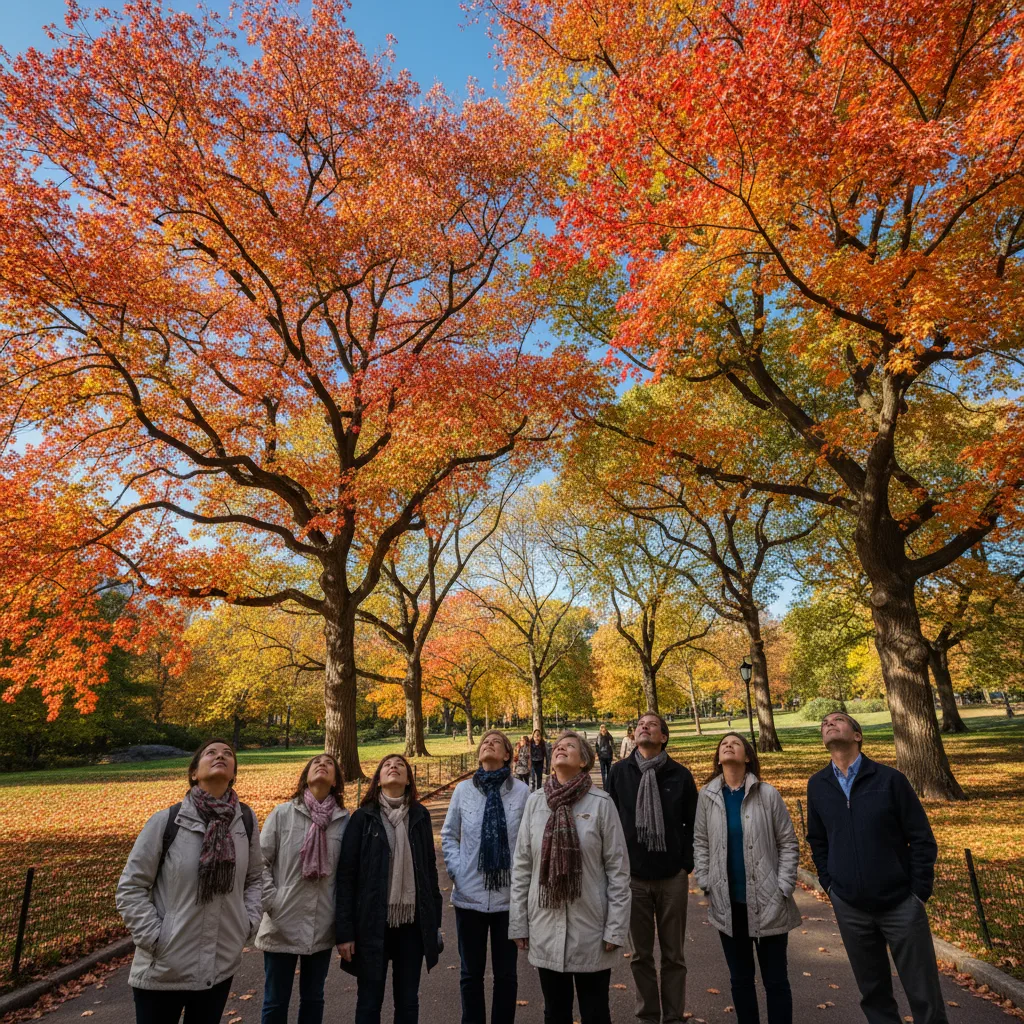
Central Park Conservancy Updates Calendar with Fall Foliage Trackers
The Central Park Conservancy has updated its calendar with fall foliage trackers and seasonal activities, guiding visitors to experience the park's autumn beauty and diverse offerings. The new resources aim to enhance planning for iconic views and events.