


Central Park 2026 Visitation Reaches Record 45 Million Annually
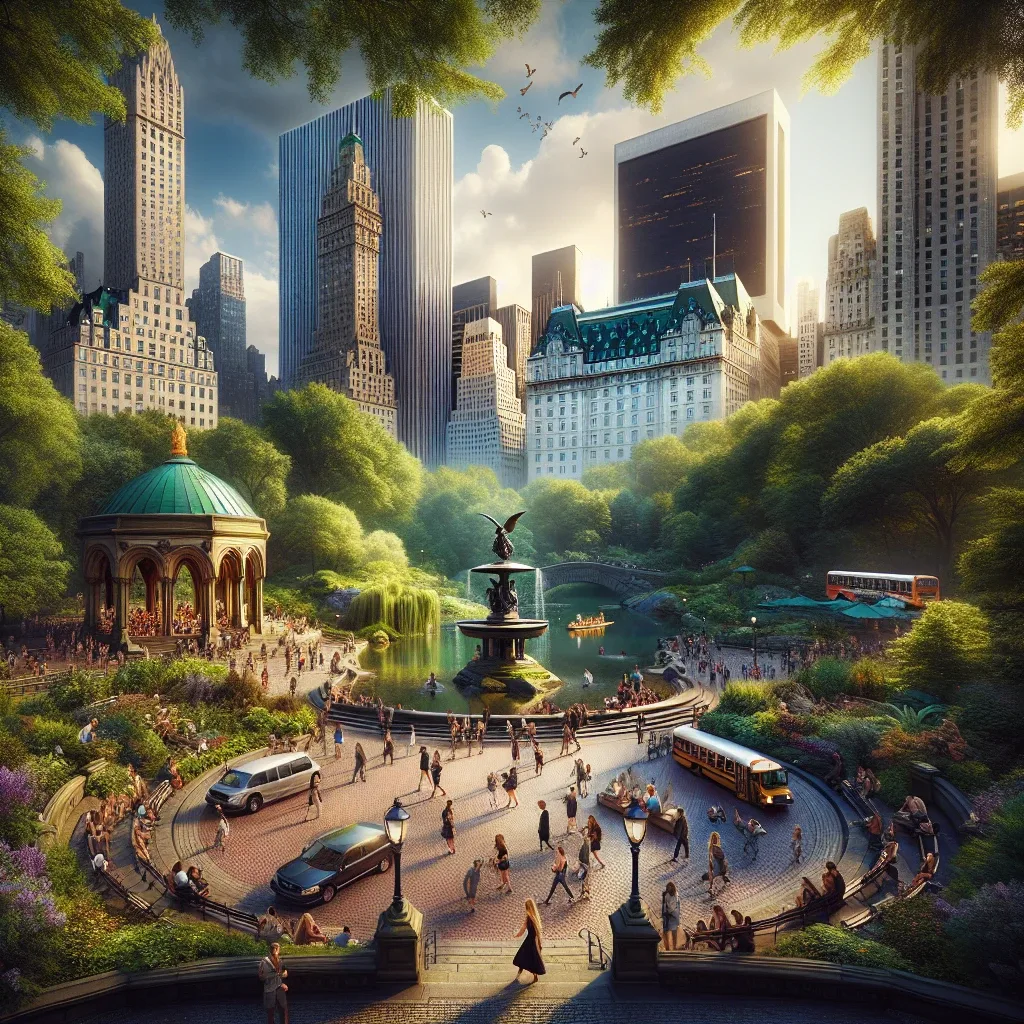
NEW YORK — Central Park welcomed an unprecedented 45 million visitors in 2025, marking a significant 8% increase over the previous year, according to the Central Park Conservancy’s recent annual report. This record-setting influx highlights the park's enduring appeal as a global landmark and a vital green space for New Yorkers.
The surge in visitor numbers underscores the critical need for sustained conservation efforts and infrastructure maintenance. Officials from the Central Park Conservancy emphasized the delicate balance required to accommodate growing tourism while preserving the park’s ecological integrity and historic charm. The Conservancy manages the park in partnership with the New York City Department of Parks & Recreation, overseeing daily operations and long-term planning.
Sustaining Central Park's Ecosystem Amid Growth
Maintaining the 843-acre urban oasis, from its vast lawns to its dense woodlands, presents continuous challenges. Increased foot traffic can compact soil, erode pathways, and stress plant life, requiring innovative horticultural solutions and rigorous upkeep schedules. The Conservancy’s 2026 budget includes substantial allocations for soil revitalization projects and tree canopy management, particularly in heavily trafficked areas like the Mall and Bethesda Terrace.
Elizabeth K. Smith, President and CEO of the Central Park Conservancy, addressed these concerns in a press conference last week. "Our commitment to preserving Central Park for future generations is unwavering, even as its popularity soars," Smith stated. "The record visitation is a testament to the park's universal appeal, but it also magnifies the importance of sustainable practices and community support to protect this priceless urban asset."
Economic Impact and Local Benefits
The economic ripple effect of Central Park's immense popularity extends far beyond its boundaries. Tourism associated with the park contributes billions of dollars annually to New York City’s economy, supporting local businesses, hotels, and restaurants. The park itself provides thousands of jobs, ranging from landscape architects and gardeners to educational program staff and security personnel.
Local residents, despite the increased crowds, continue to rely on Central Park for recreation, relaxation, and cultural enrichment. Dawn breaks over the park each morning with a steady stream of joggers entering near Grand Army Plaza, while dog walkers congregate in designated off-leash areas. This daily rhythm is a constant reminder of the park's role as a neighborhood backyard for millions of New Yorkers, and its continued vibrancy is crucial for urban well-being.
Conservation Efforts and Volunteer Engagement
The Central Park Conservancy employs a comprehensive strategy for environmental stewardship, engaging thousands of volunteers each year in hands-on projects. These efforts range from planting new gardens and removing invasive species to cleaning waterways and restoring historic structures. Volunteers contributed over 60,000 hours of service in 2025, playing a vital role in the park's upkeep.
Specific initiatives for 2026 include a major restoration of the North Woods, a 40-acre forested area offering a wilderness experience in the city. This multi-year project, projected to cost $5 million, aims to enhance biodiversity and improve drainage. More information on conservation efforts can be found through various park-related news sources, including Central Park's latest news updates.
Addressing Infrastructure Needs and Future Planning
With record visitation comes increased strain on park infrastructure, including pathways, restrooms, and recreational facilities. The Conservancy is actively planning upgrades to several key areas, including improvements to the perimeter paths to enhance safety for pedestrians and cyclists. Over $15 million has been earmarked for these capital projects in the coming fiscal year, according to the NYC Parks Department.
Additionally, discussions are underway regarding the implementation of smart park technologies to better manage visitor flow and provide real-time information. These innovations aim to improve visitor experience while minimizing environmental impact. The focus remains on sustainable solutions that respect the park’s historic design and natural beauty.
Educational Programs and Cultural Offerings Expand
Central Park serves as a dynamic outdoor classroom and cultural venue, hosting hundreds of educational programs and events annually. From birdwatching tours in The Ramble to free concerts on the Great Lawn, these offerings enrich the lives of both residents and tourists. The Conservancy reported that educational program attendance grew by 12% in 2025, reaching nearly 200,000 participants.
New initiatives for 2026 include expanded environmental education for schoolchildren and a series of historical walking tours focusing on lesser-known areas of the park. These programs help connect visitors with the park's rich history and ecological significance, fostering a deeper appreciation for its preservation. For a broader look at public safety and park operations, one can refer to coverage from local New York news outlets.
Frequently Asked Questions About Central Park Visitation
How does the Central Park Conservancy manage such high visitor numbers? The Conservancy employs a multi-faceted approach, including dedicated maintenance crews, ecological restoration projects, and extensive volunteer programs. They also implement strategic planning to distribute visitors across various areas and promote responsible park use.
What are the primary challenges posed by increased visitation? Key challenges include soil compaction, pathway erosion, waste management, and balancing recreational use with wildlife preservation. The Conservancy constantly monitors these impacts and adjusts strategies to mitigate them.
How can the public support Central Park's preservation? Individuals can support the park by volunteering, donating to the Central Park Conservancy, and adhering to park rules, such as staying on designated paths and properly disposing of trash. Community engagement is vital for the park's long-term health.
Are there plans for new attractions to handle more visitors? The Conservancy focuses more on preserving and enhancing existing attractions and natural landscapes rather than adding new ones. The goal is to improve the quality of existing experiences and ensure the park's sustainability. The emphasis is on maintaining the park’s historic design while accommodating contemporary use.
Related Articles
More in Wildlife & Nature →
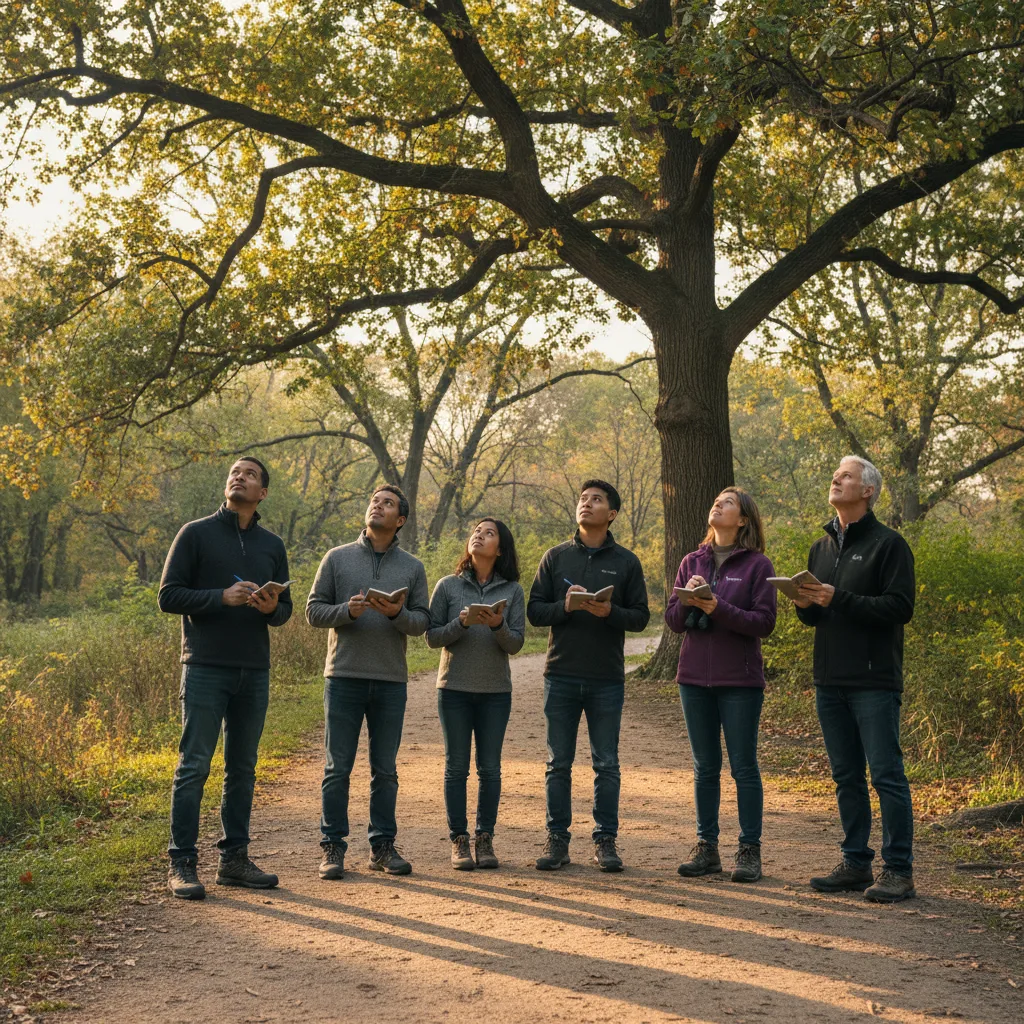
Central Park Boathouse Bird Watching Tour Offers Educational Experience
Central Park Boathouse offers an educational bird watching tour, providing visitors an opportunity to observe avian species. This experience connects locals with nature, enhancing appreciation for park wildlife.
Central Park Event Calendar Features Climate Week Activities September 27
Central Park's event calendar for September 27, 2026, included a Climate Week-aligned "Journal, Meditation, + Bird Walk," promoting environmental awareness.
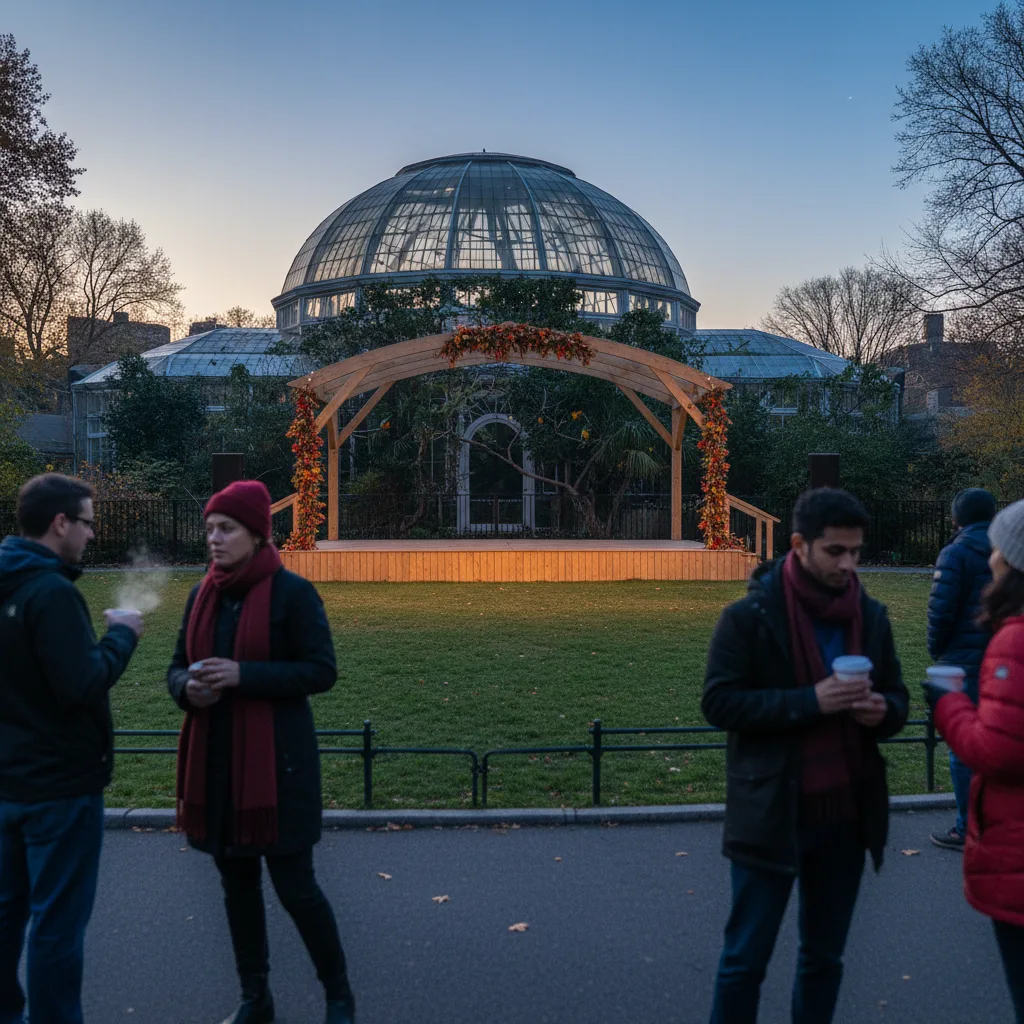
Wildlife Conservation Society Awards Lovejoy Prize at Central Park Zoo
Wildlife Conservation Society awards 2026 Thomas E. Lovejoy Prize today at Central Park Zoo during Climate Week in New York City.
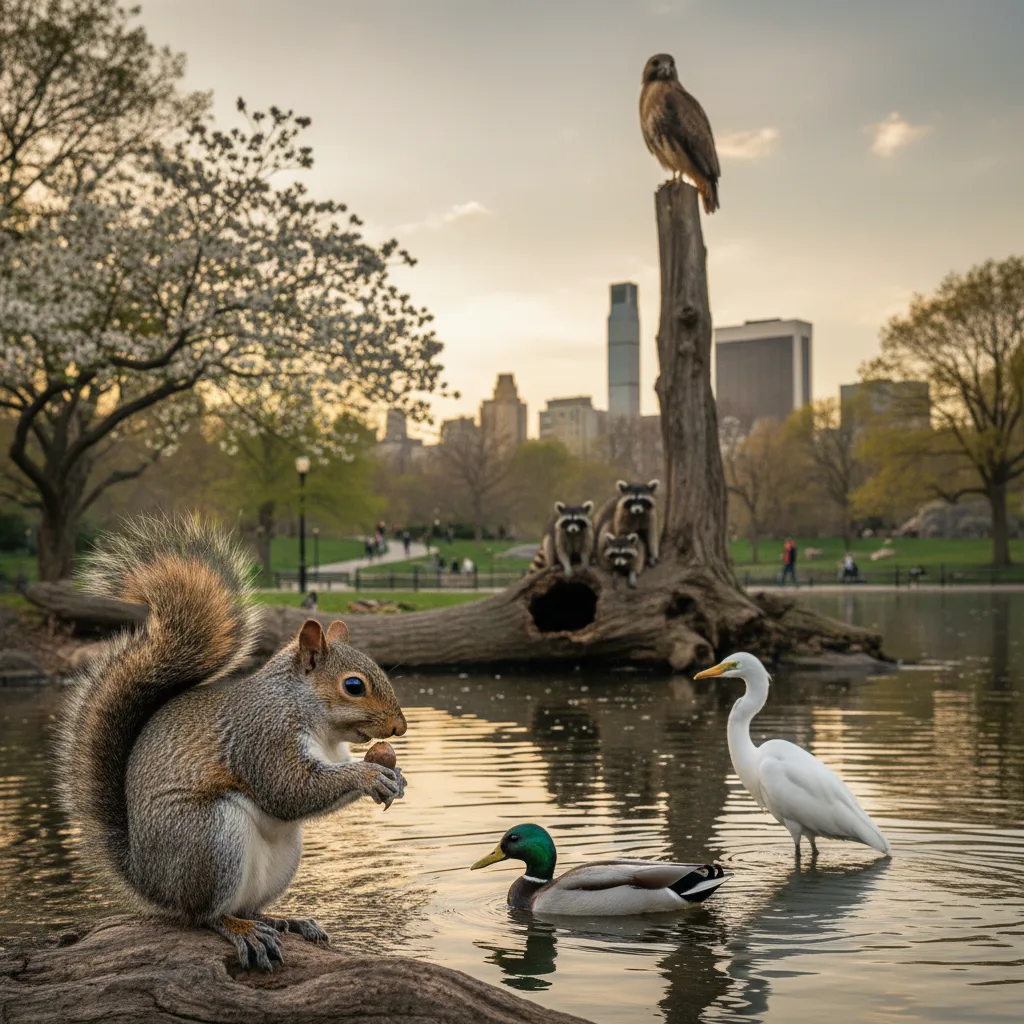
A Guide to Central Park's Wildlife: What to Know About the Park's Animals and Ecosystem
Discover the diverse Central Park wildlife, from birds and mammals to aquatic life. Learn responsible observation tips and conservation efforts for 2026.
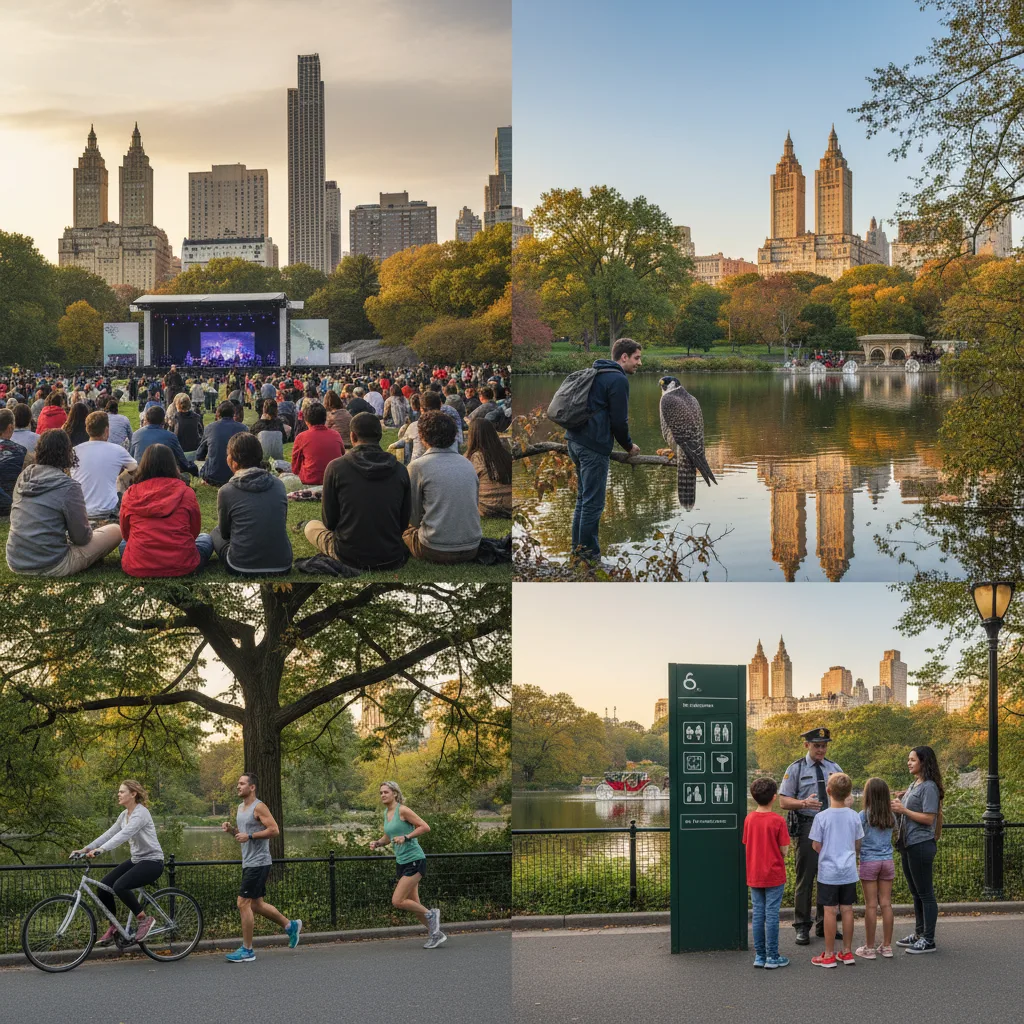
A Guide to Central Park's Top Activities and Best Things to Do in 2026
Discover the best things to do in Central Park, NYC, with our comprehensive 2026 guide to iconic landmarks, activities, and hidden gems for visitors.
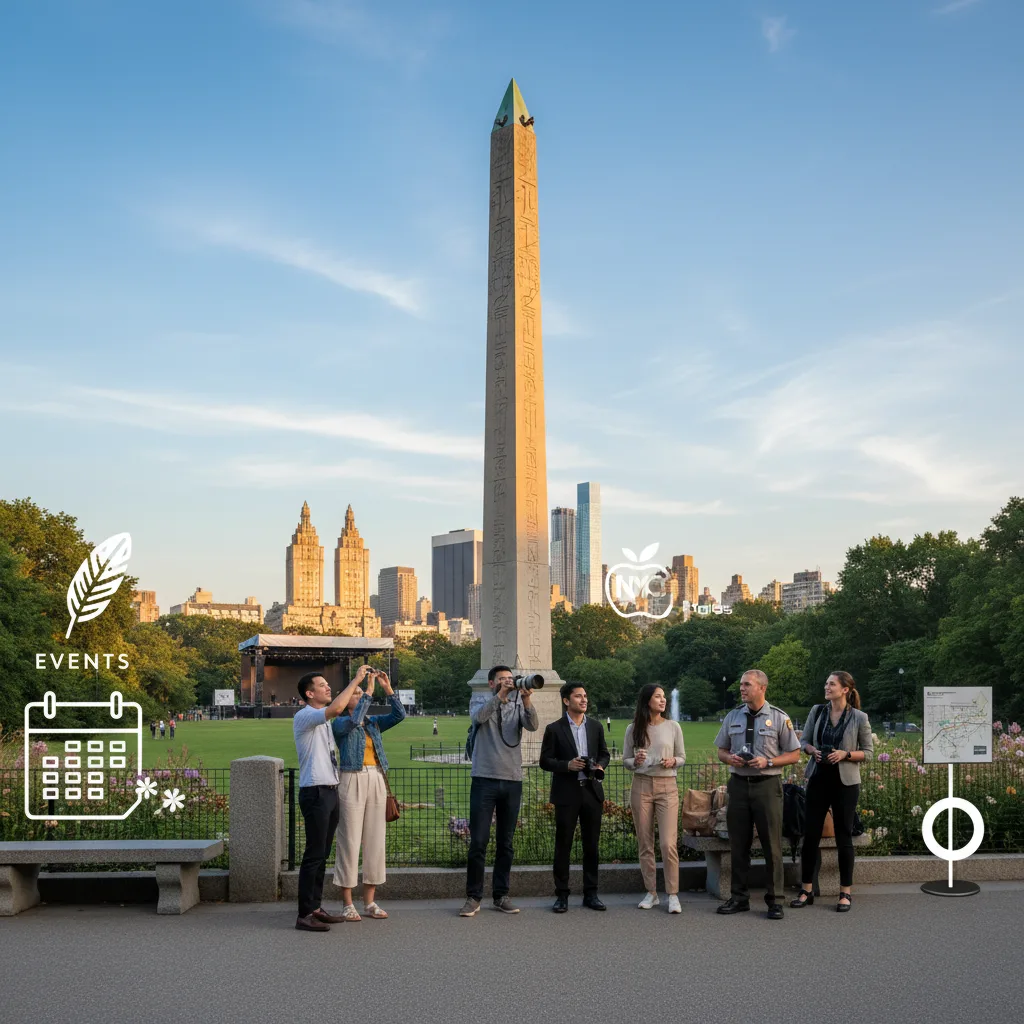
A Guide to What to Know About the Vatican Obelisk in Central Park 2026
Discover what to know about the Vatican Obelisk (Cleopatra's Needle) in Central Park, its history, journey to NYC, and where to find it in 2026.