


Borough President Proposes Task Force for Central Park Apartments Area
Enjoying the coverage?
Central Park news, events and park updates in your inbox every Friday. Free; unsubscribe in one click.
Sent every Friday. By subscribing, you agree to our Terms of Use and Privacy Policy.
NEW YORK — Manhattan Borough President Mark Levine proposed a resident-led safety task force Tuesday after the collapse of a carriage horse sparked daily protests along Central Park South, ABC7 New York first reported. The move comes as real estate boards and tenant associations raise concerns over noise and safety around luxury buildings.
Local housing coalitions claim the picketing has severely impacted the peaceful environment expected near these multi-million dollar properties. The proposed task force aims to address safety on the shared roadways while managing the high volume of animal advocacy demonstrations.
Protest Escalation Disrupts Central Park South Residential Corridor
Demonstrations have grown significantly since the horse collapsed near the East 72nd Street entrance. Activists carrying signs and megaphones have occupied several public plazas, directly facing some of the most expensive residential properties in the city.
The Central Park News Friday Briefing
Central Park news, events and park updates in your inbox every Friday. Free; unsubscribe in one click.
Sent every Friday. By subscribing, you agree to our Terms of Use and Privacy Policy.
The constant noise has driven some tenants to file formal grievances with their respective co-op boards. Property managers report that building vestibules are frequently blocked during peak demonstration hours, complicating building access for residents and delivery services.
Real Estate Boards Warn of Impact on Central Park Apartments
Listing agents representing luxury residences in the neighborhood report a noticeable shift in buyer interest. Several high-end transactions have faced delays as prospective buyers express hesitation over the daily demonstrations outside the buildings.
Data from the Manhattan Realty Guild indicates a minor drop in showing requests for properties along Central Park South since the demonstrations intensified. Brokers are calling for city intervention to relocate the protest assembly areas further away from residential entryways.
Local Resident Associations Join Calls for Route Relocation
"Our residents are paying premium rates for peace and quiet," Suzanne Croft, executive director of the South Manhattan Housing Coalition said Tuesday afternoon. "The current layout of the carriage queues creates constant friction between activists and residents returning to their homes."
Croft added that the coalition has petitioned the Department of Transportation to move the carriage boarding line. The proposed change would move the horses further west toward less congested stretches of the avenue.
Historic Precedents of Manhattan Real Estate and Traffic Battles
This is not the first time high-value properties have clashed with public park commercial operations. Real estate historical records show similar disputes in the early 1990s when street vendor regulations were altered along Fifth Avenue.
Residents previously lobbied the city to restructure the flow of horse-drawn carriages to improve air quality and reduce street noise. Those prior negotiations led to temporary route changes, but the core issues of sharing the busy streets remain unresolved.
Security Measures Implemented Near Central Park South Entrances
In response to the mounting tension, the NYPD 22nd Precinct has deployed barriers to separate protesters from the residential entryways. Private security firms have also increased their presence outside several luxury buildings to assist residents.
These measures are expected to remain in place as the City Council debates broader legislative proposals. Security officials hope the added presence will prevent any escalations during the high-traffic weekend periods.
To understand the broader legislative context of this neighborhood dispute, readers can examine the New York City Council electric alternate carriage fleet proposal which details the suggested technological transition.
Frequently Asked Questions
How do the ongoing carriage horse protests affect the market value of properties along Central Park South?
While long-term property values remain stable, local real estate experts note that showing volume has temporarily decreased by roughly 12 percent. Buyers are expressing concerns over noise levels and ease of access to building garages during major protests.
What security measures can residents of Central Park apartments take during large demonstrations?
Building managements have coordinated with the NYPD 22nd Precinct to establish clear pedestrian corridors for residents. Property owners should utilize side entrances when available and register for local precinct alerts to stay informed about planned weekend vigils.
Are there any current legislative bills aimed at permanently moving the horse carriages away from residential buildings?
Yes, the City Council is actively reviewing a bill that would establish designated off-street boarding zones. This initiative seeks to move the staging areas away from the active sidewalk paths directly adjacent to luxury apartment buildings.
The Central Park News Friday Briefing
Central Park news, events and park updates in your inbox every Friday. Free; unsubscribe in one click.
Sent every Friday. By subscribing, you agree to our Terms of Use and Privacy Policy.
Related Articles
More in Urban Policy & Development →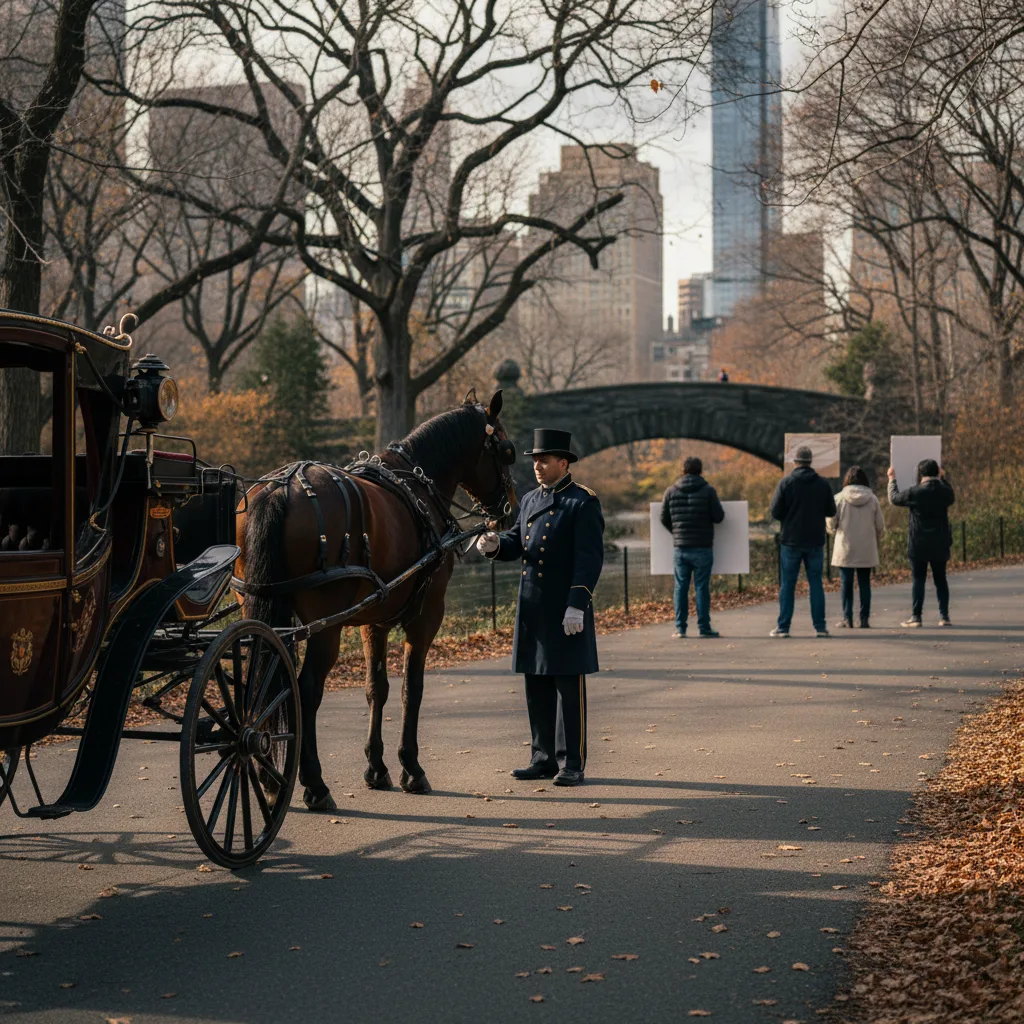
Mayor Mamdani Signs Horse Carriage Ban, Industry Sues City
Mayor Zohran Mamdani signed a bill into law Thursday that will phase out New York City's horse-drawn carriage industry, prompting an immediate lawsuit from carriage drivers.
NYC Carriage Drivers Sue City Over Horse-Drawn Carriage Ban
Central Park's horse-drawn carriage drivers filed a lawsuit against New York City on Thursday, November 19, 2026, challenging a new law banning their operations.
Mayor Mamdani Signs Law Phasing Out NYC Horse Carriages by 2028
Mayor Zohran Mamdani signed legislation on November 20, 2026, to phase out New York City's horse-drawn carriage industry by June 1, 2028.
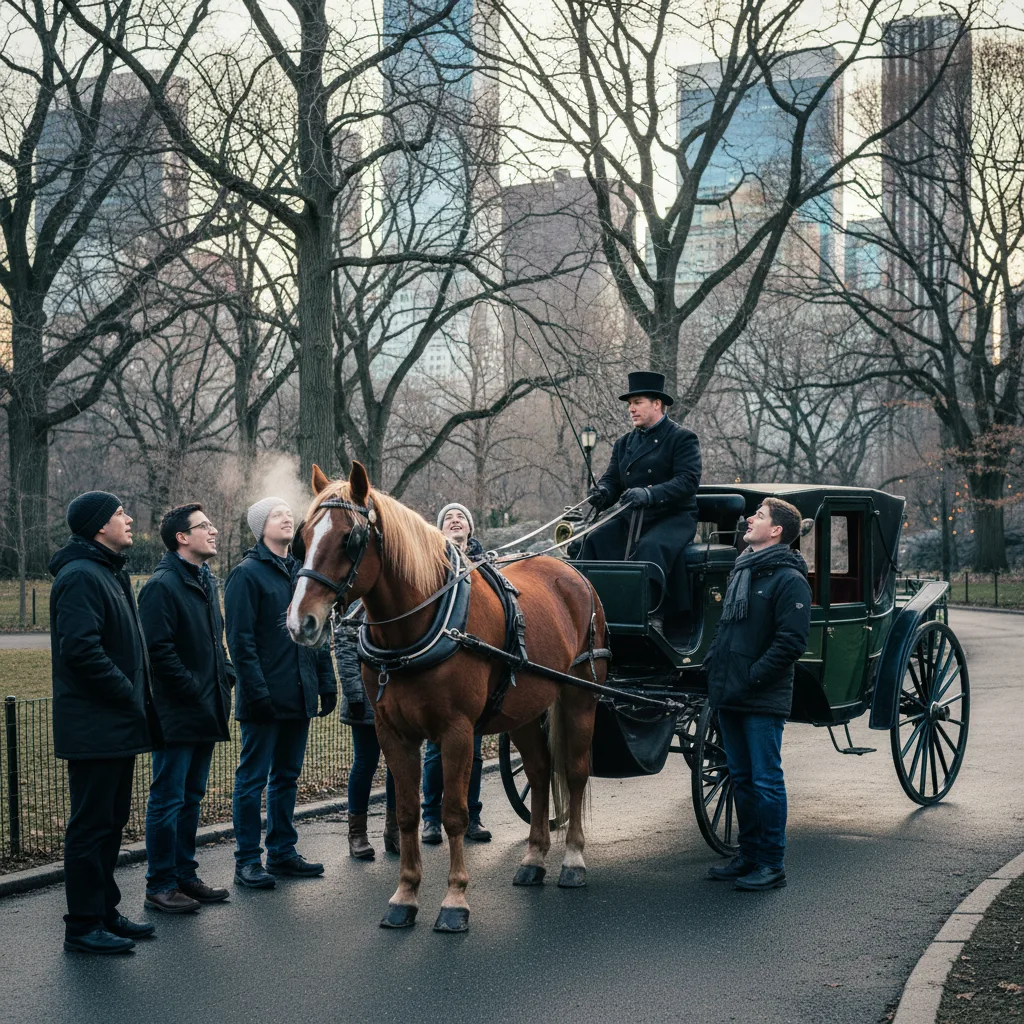
Central Park Carriage Drivers Sue NYC Over Mamdani Ban
Central Park horse-drawn carriage drivers filed a federal lawsuit against New York City on November 20, 2026, challenging Mayor Zohran Mamdani's ban.
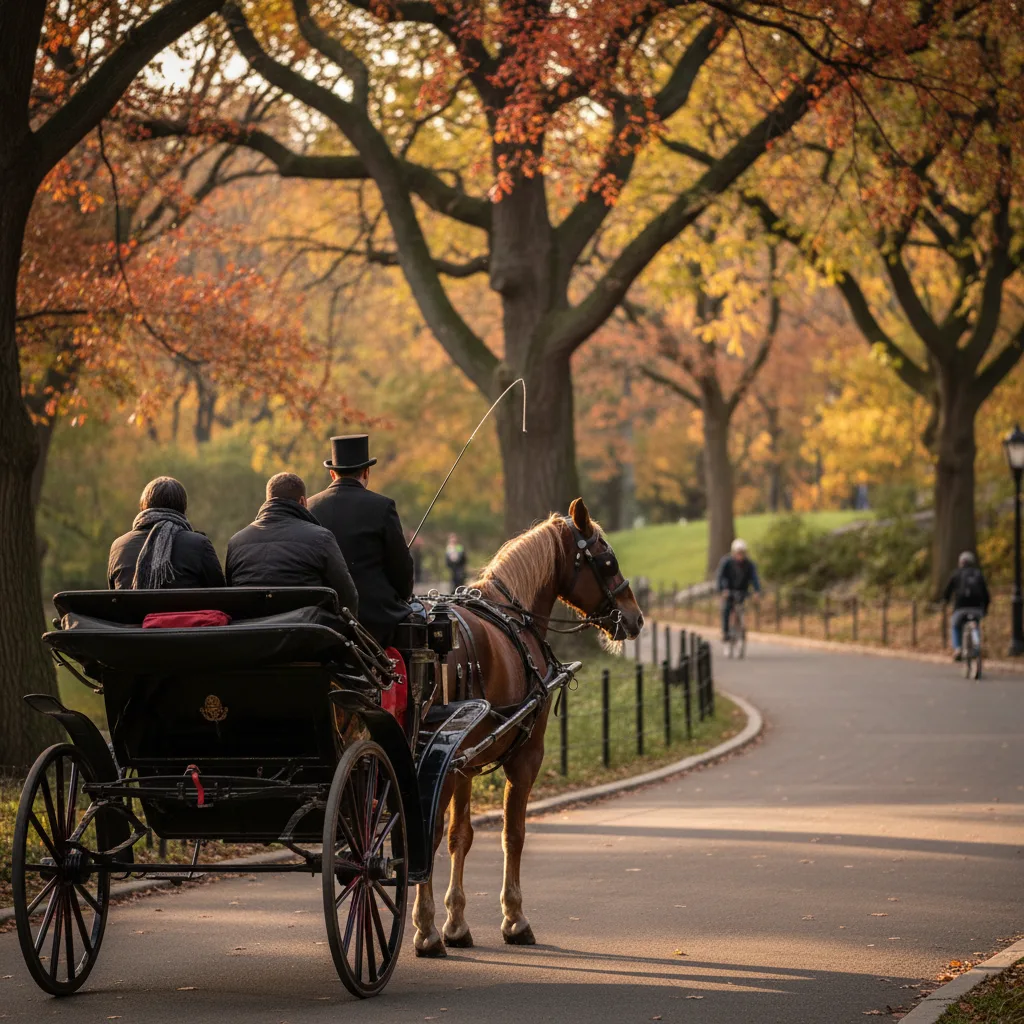
Mayor Mamdani Bans Central Park Horse Carriages, Effective 2028
Mayor Zohran Mamdani signed legislation on November 19, 2026, officially banning horse-drawn carriages in Central Park, with the ban taking effect on June 1, 2028.

Mayor Mamdani Explores Electric Vehicles for Central Park Tourism
Mayor Zohran Mamdani is considering electric tourism vehicles for Central Park following the city's approval to end horse-carriage rides.