


Central Park Horse Carriage Ban Debate Reignites Amid Incident
Enjoying the coverage?
Central Park news, events and park updates in your inbox every Friday. Free; unsubscribe in one click.
Sent every Friday. By subscribing, you agree to our Terms of Use and Privacy Policy.
NEW YORK — A Central Park carriage horse incident that saw a runaway animal bolt through traffic has dramatically reignited the long-standing debate over the future of horse-drawn carriages in New York City. The event, which occurred near West 59th Street and Fifth Avenue on Monday, prompted Mayor Eric Adams’ office to announce a temporary halt to carriage operations, as reported by NBC New York. This immediate response underscores the heightened sensitivity surrounding animal welfare in the iconic urban oasis.
Incident Prompts Immediate Halt to Operations
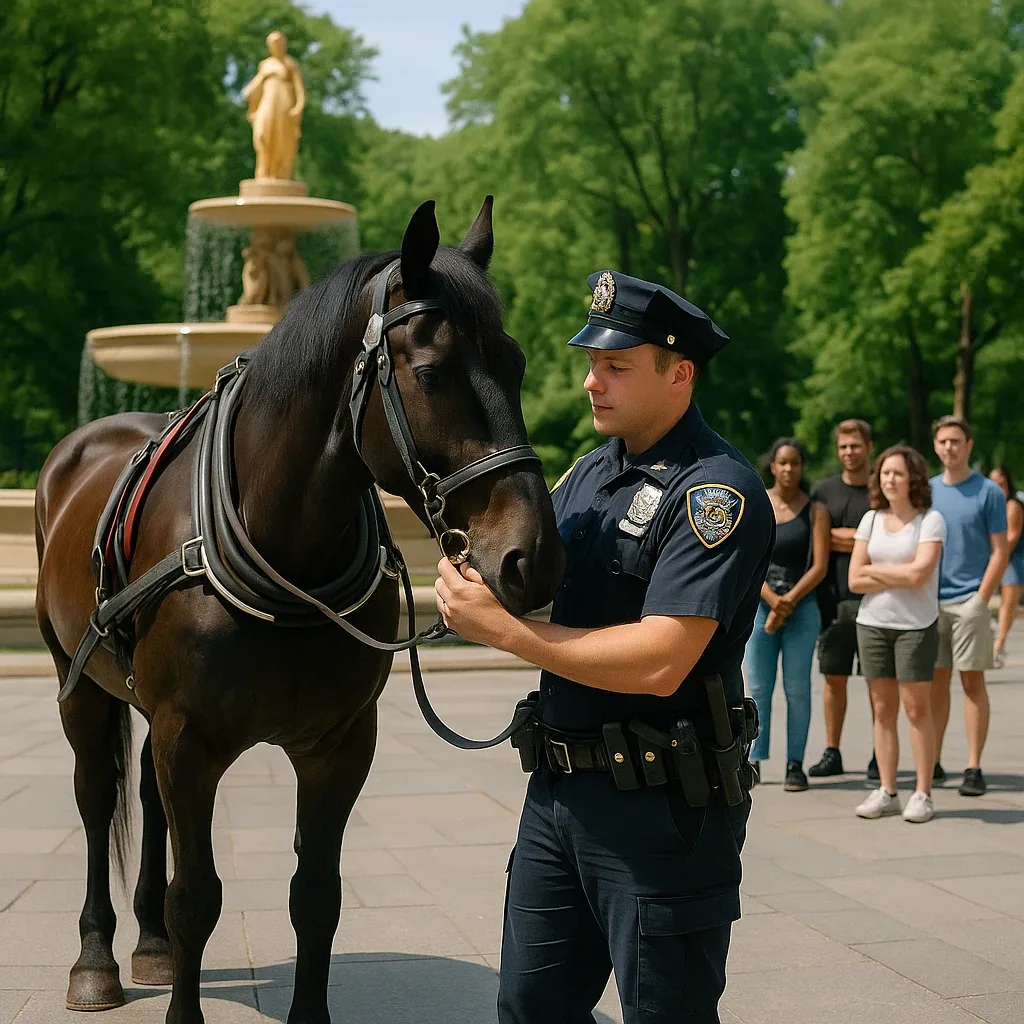
The runaway horse, identified as 'Pumpkin,' broke free from its handler around 11:00 a.m., traversing several blocks before being safely corralled by NYPD officers near the Pulitzer Fountain. While no serious injuries to the horse or public were reported, the chaotic scene captured by bystanders quickly circulated online, intensifying calls from animal rights advocates for a permanent ban. This follows previous incidents, including a prior Central Park carriage operations halt due to a similar runaway event.
NYC Parks Commissioner Sue Donoghue confirmed Monday that the Mayor’s office had decided to pause all horse carriage operations pending a full review of the incident and existing safety protocols. The picturesque area around the Grand Army Plaza entrance was temporarily disrupted as officials secured the animal and investigated the circumstances.
The Central Park News Friday Briefing
Central Park news, events and park updates in your inbox every Friday. Free; unsubscribe in one click.
Sent every Friday. By subscribing, you agree to our Terms of Use and Privacy Policy.
Renewed Push for Ban Gathers Momentum
Animal welfare organizations, including NYCLASS (New Yorkers for Clean, Livable, and Safe Streets), swiftly seized on the incident as further evidence that horse-drawn carriages are unsafe and inhumane in a bustling urban environment. "This is precisely why we have been advocating for a ban for years," said Edita Birnkrant, Executive Director of NYCLASS, in a statement released Monday. "These animals are not suited for city streets, and it's only a matter of time before a more tragic accident occurs."
Proponents of the ban argue that electric carriages offer a modern, ethical alternative that preserves the romantic appeal without the animal welfare concerns. A bill to transition to electric carriages has been stalled in the City Council for months, but supporters believe this latest incident could provide the necessary impetus for its passage.
Drivers and Stable Owners Defend Tradition
Conversely, the horse carriage industry and its union, the Teamsters Local 553, staunchly defend their livelihood and the historical tradition. They maintain that incidents are rare and that their horses are well-cared for, receiving regular veterinary checks and ample rest. "Our horses are part of our family, and their welfare is our top priority," said Christina Hansen, a spokesperson for the industry, on Monday.
Hansen attributed Monday’s incident to an isolated circumstance and emphasized the rigorous safety training drivers undergo. The industry fears a ban would devastate hundreds of jobs and eliminate a beloved Central Park attraction. The stables, located on the west side of Midtown, employ dozens of drivers and caretakers, contributing to the local economy.
Political Pressure Mounts on City Council
The Mayor’s office indicated that the temporary suspension will allow for a comprehensive safety review, but political pressure is undoubtedly a significant factor. Several City Council members have publicly expressed their support for a ban, citing both animal rights and traffic congestion concerns. The current City Council Speaker, Adrienne Adams, has previously signaled openness to legislative solutions regarding the carriages.
Sources close to City Hall suggest that the Mayor is keen to find a resolution that satisfies both sides of the highly emotional debate. The picturesque views from Bow Bridge to Belvedere Castle often feature the carriages, making them an iconic, if controversial, part of the Central Park experience. The public's sentiment, fueled by viral videos, will likely play a crucial role in the ultimate decision.
Looking Ahead: Legislative Action Anticipated
The future of horse-drawn carriages in Central Park now rests largely with the City Council. A vote on the proposed ban, which would replace horse carriages with electric vehicles, could come as early as the fall session. Protests from both sides of the issue are anticipated outside City Hall and near the park's main entrances in the coming weeks.
Meanwhile, the temporary halt on operations ensures that for now, the only sounds echoing across the Great Lawn and Strawberry Fields will be those of nature and visitors, without the clip-clop of horse hooves. The incident serves as a stark reminder of the unique challenges and responsibilities involved in managing one of the world's most famous urban parks, where history and modernity constantly intersect.
Frequently Asked Questions
What are the main arguments for replacing horse-drawn carriages with electric vehicles in Central Park? Advocates for replacing horse-drawn carriages with electric vehicles cite animal welfare concerns, arguing that the horses are not suited for urban traffic and can suffer from heat and stress. They also point to safety risks, such as the recent runaway incident, and propose that electric carriages would reduce traffic congestion and offer a more modern, humane tourist experience, as championed by groups like NYCLASS.
How does the horse carriage industry typically respond to calls for a ban? The horse carriage industry, primarily represented by Teamsters Local 553, argues that their horses are well-cared for, regularly inspected by veterinarians, and that incidents are rare. They emphasize the historical tradition and the significant number of jobs that would be lost if a ban were enacted, proposing that the industry contributes positively to New York City's tourism economy, according to statements reported by NBC New York.
The Central Park News Friday Briefing
Central Park news, events and park updates in your inbox every Friday. Free; unsubscribe in one click.
Sent every Friday. By subscribing, you agree to our Terms of Use and Privacy Policy.
Related Articles
More in Urban Policy & Development →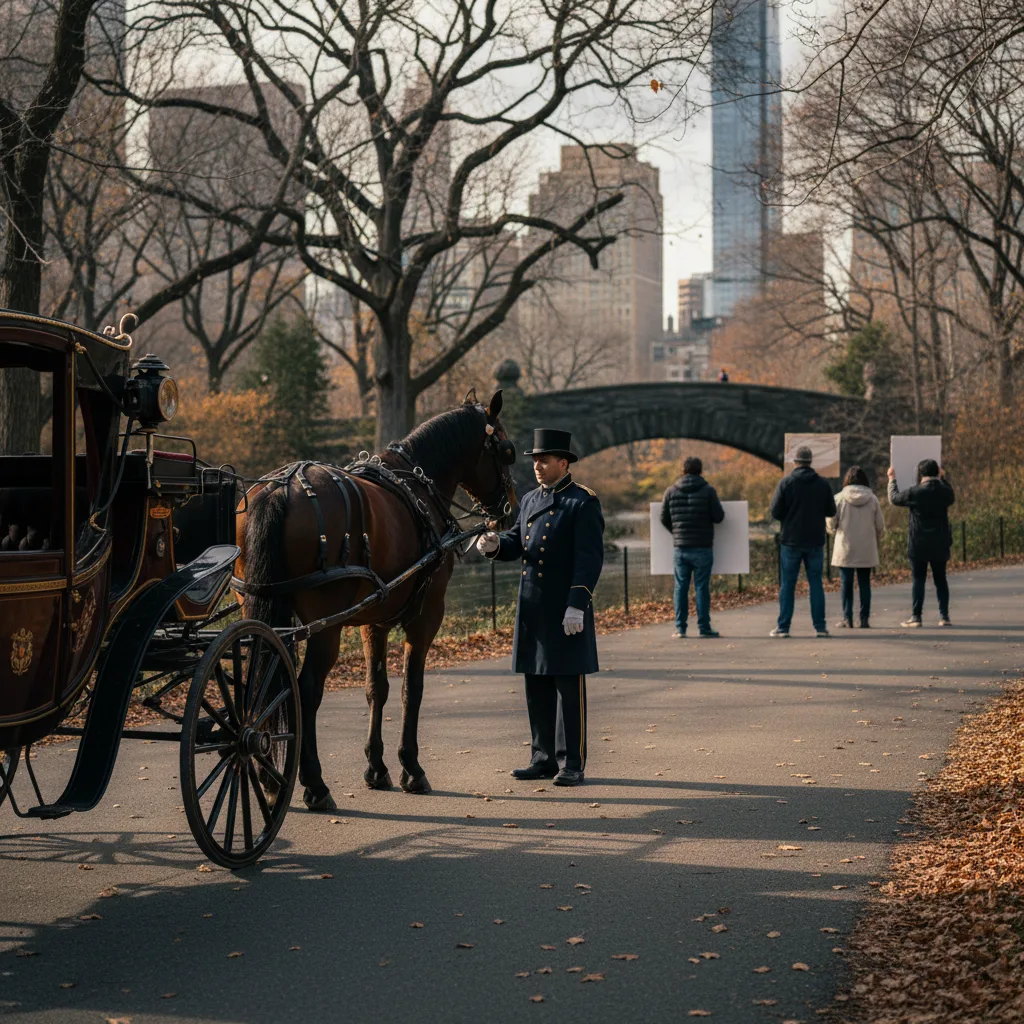
Mayor Mamdani Signs Horse Carriage Ban, Industry Sues City
Mayor Zohran Mamdani signed a bill into law Thursday that will phase out New York City's horse-drawn carriage industry, prompting an immediate lawsuit from carriage drivers.
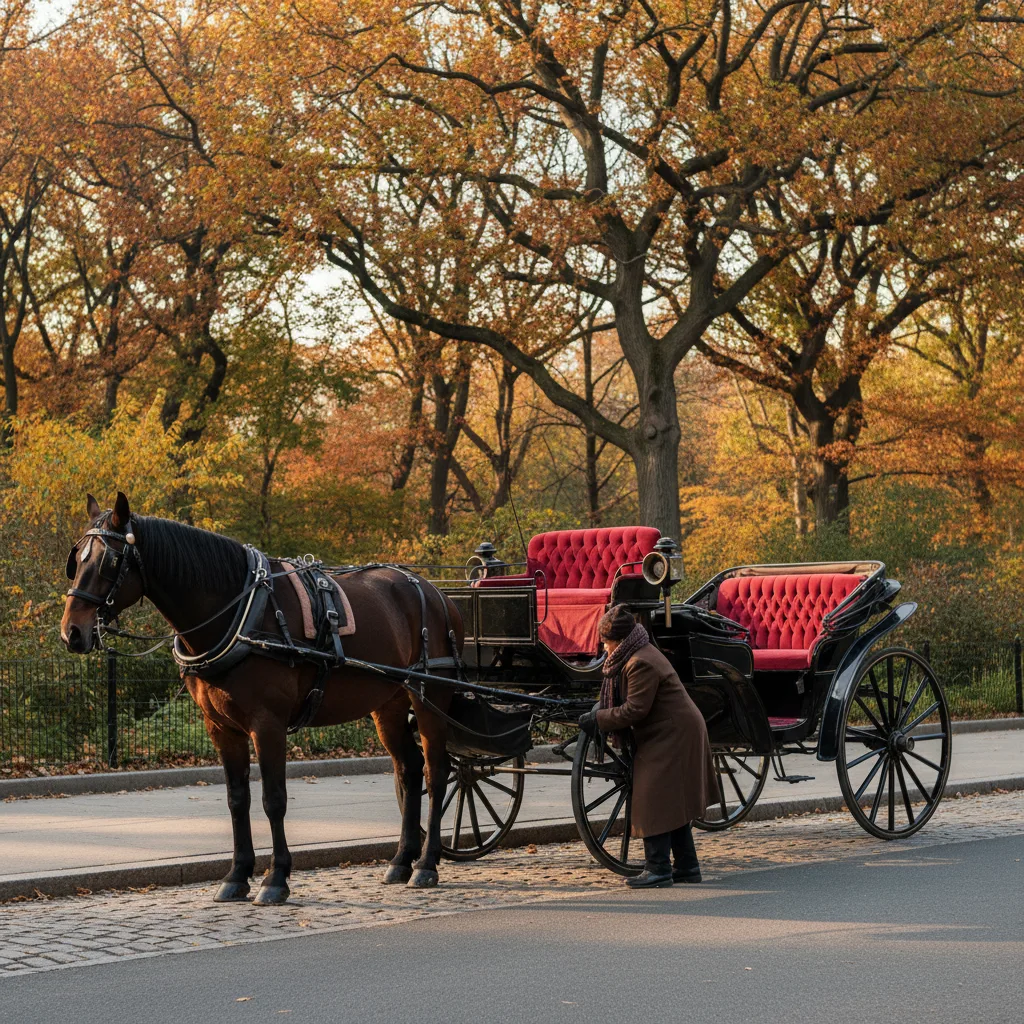
NYC Carriage Drivers Sue City Over Horse-Drawn Carriage Ban
Central Park's horse-drawn carriage drivers filed a lawsuit against New York City on Thursday, November 19, 2026, challenging a new law banning their operations.
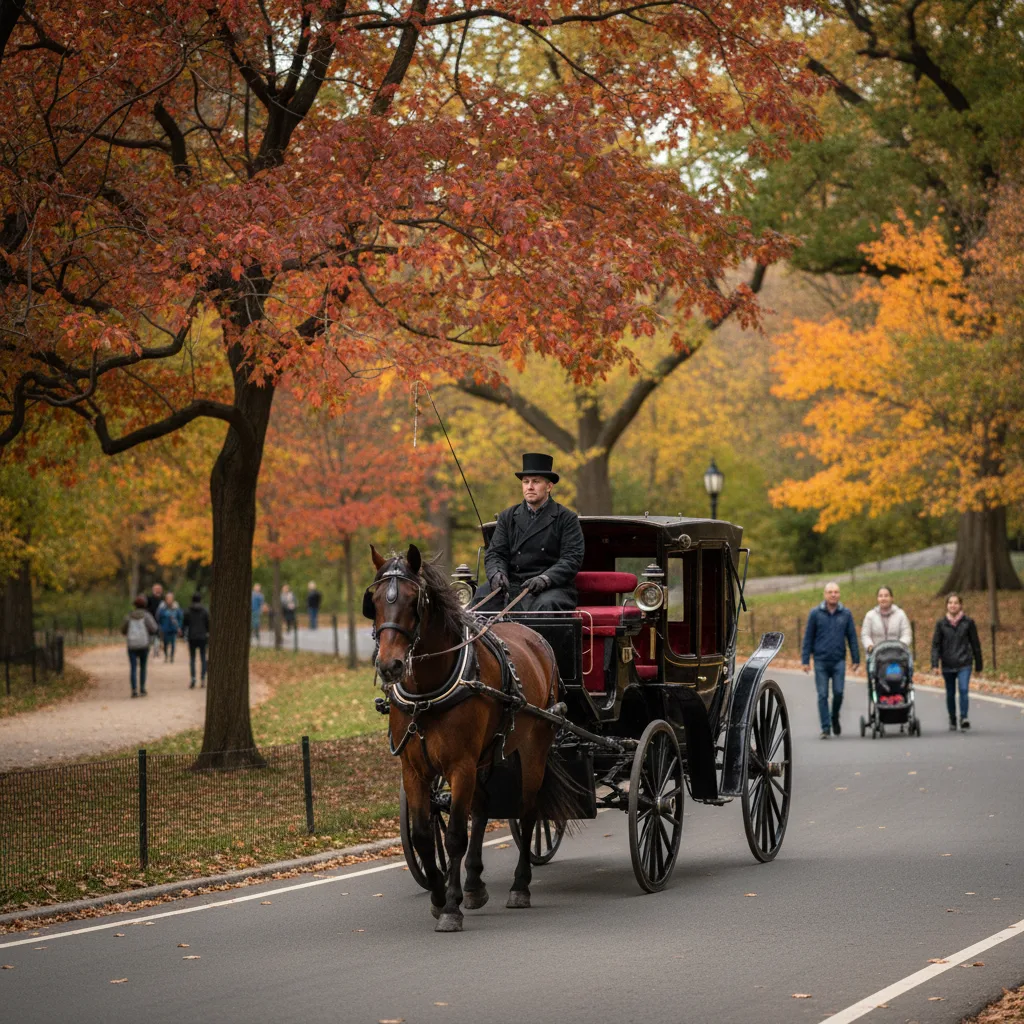
Mayor Mamdani Signs Law Phasing Out NYC Horse Carriages by 2028
Mayor Zohran Mamdani signed legislation on November 20, 2026, to phase out New York City's horse-drawn carriage industry by June 1, 2028.
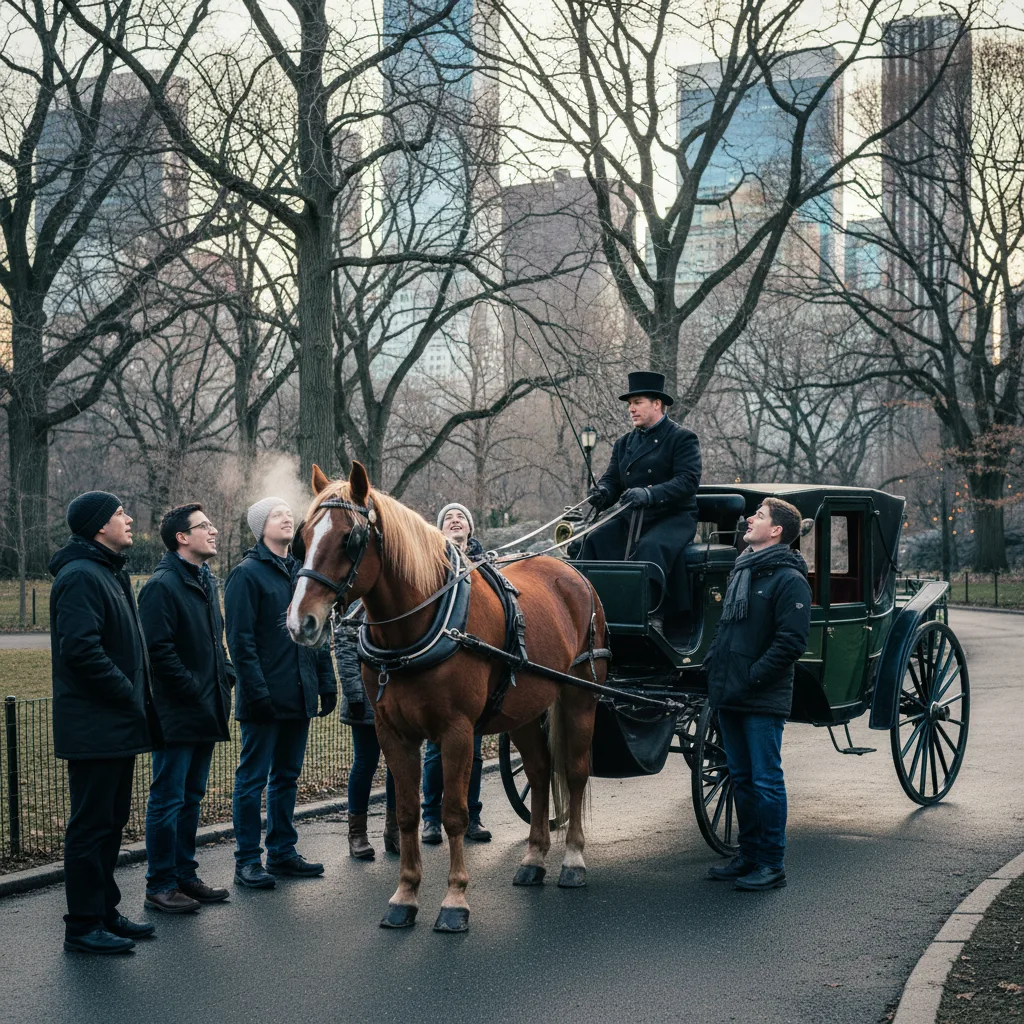
Central Park Carriage Drivers Sue NYC Over Mamdani Ban
Central Park horse-drawn carriage drivers filed a federal lawsuit against New York City on November 20, 2026, challenging Mayor Zohran Mamdani's ban.
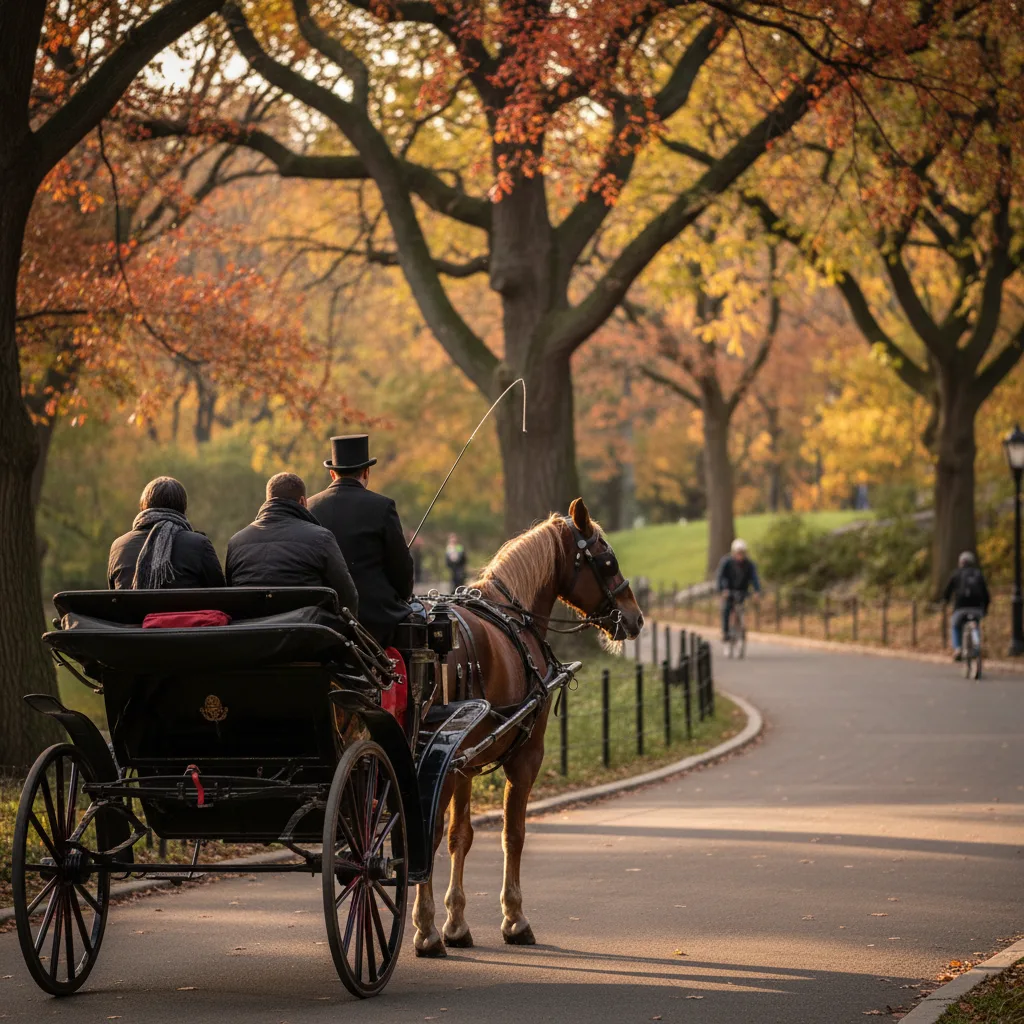
Mayor Mamdani Bans Central Park Horse Carriages, Effective 2028
Mayor Zohran Mamdani signed legislation on November 19, 2026, officially banning horse-drawn carriages in Central Park, with the ban taking effect on June 1, 2028.

Mayor Mamdani Explores Electric Vehicles for Central Park Tourism
Mayor Zohran Mamdani is considering electric tourism vehicles for Central Park following the city's approval to end horse-carriage rides.