


Mayor Mamdani Explores Electric Vehicles for Central Park Tourism
Enjoying the coverage?
Central Park news, events and park updates in your inbox every Friday. Free; unsubscribe in one click.
Sent every Friday. By subscribing, you agree to our Terms of Use and Privacy Policy.
The Short Version
- Mayor Zohran Mamdani is considering electric tourism vehicles for Central Park.
- This move comes after the city approved the end of traditional horse-carriage rides.
- The proposal is part of a broader plan for transitioning away from the horse-carriage industry.
- Alternatives for park tourism are being evaluated for implementation around the park.
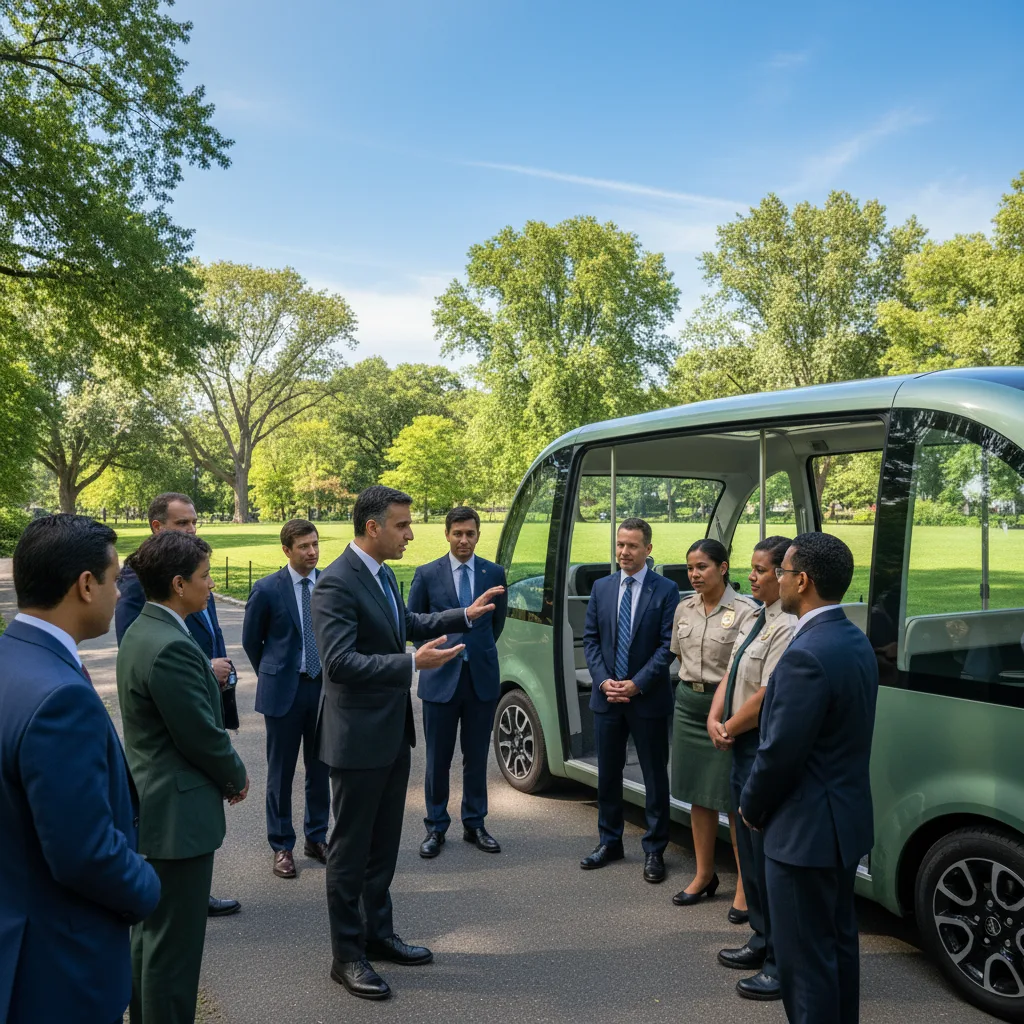
NEW YORK — Mayor Zohran Mamdani announced his consideration of electric tourism vehicles for Central Park on Wednesday, November 18, 2026, according to Streetsblog New York City. This exploration follows the city's approval to end horse-carriage rides, marking a significant shift in park transportation policies.
The Central Park News Friday Briefing
Central Park news, events and park updates in your inbox every Friday. Free; unsubscribe in one click.
Sent every Friday. By subscribing, you agree to our Terms of Use and Privacy Policy.
Transitioning from Horse-Carriage Operations
The city's decision to phase out the long-standing horse-carriage industry has set the stage for new transportation solutions within Central Park. This transition plan aims to address concerns regarding animal welfare while maintaining a robust tourism experience. The horse-carriage ban has been a contentious issue for years, with advocates for both sides presenting strong arguments regarding tradition, livelihoods, and ethical treatment of animals.
Discussions surrounding the ban have involved various stakeholders, including carriage drivers, animal rights organizations, and city officials. The move towards electric alternatives represents a compromise intended to modernize park tourism. Officials have emphasized the need for a smooth shift that supports affected workers while upholding the city's commitment to progressive urban policies.
Electric Vehicle Alternatives Under Review
Mayor Mamdani's office is actively evaluating several electric vehicle options that could operate within Central Park. These options range from smaller, golf cart-like vehicles to more substantial electric shuttles designed to carry multiple passengers. The primary goal is to identify solutions that are environmentally friendly, quiet, and capable of navigating the park's pathways without disrupting its natural environment or pedestrian traffic, Streetsblog New York City reported.
The review process includes assessing vehicle capacity, operational logistics, charging infrastructure needs, and the overall visitor experience. Planners are also considering how these new vehicles would integrate with existing park services and accessibility requirements. The objective is to provide a reliable and enjoyable way for tourists to experience the park's vast landscape, from Bethesda Terrace to the Conservatory Garden, without the traditional horse-drawn carriages.
Impact on Tourism and Local Economy
The proposed shift to electric vehicles could significantly alter Central Park's tourism landscape. While some traditionalists may lament the end of horse-drawn carriages, proponents argue that modern, electric alternatives offer a more sustainable and ethical way to explore the park. The change could attract a new demographic of environmentally conscious tourists and potentially open up new avenues for guided tours.
From an economic standpoint, the transition plan includes provisions to assist current horse-carriage drivers in adapting to the new system. This may involve training programs for operating electric vehicles or opportunities to transition into other park-related roles. The city aims to minimize economic displacement while fostering innovation in park transportation, as detailed by CBS News. Ensuring a fair transition for those whose livelihoods depend on the horse-carriage industry remains a key concern for the administration.
Public and Stakeholder Reactions
The consideration of electric vehicles has sparked varied reactions from the public and key stakeholders. Animal welfare organizations have largely praised the move as a positive step toward humane treatment of animals, aligning with their long-standing advocacy for the horse-carriage ban. They view electric alternatives as a win for both animals and the park's environmental integrity.
Conversely, some horse-carriage operators and their supporters have expressed concerns about the viability of electric vehicles as a direct replacement for their established businesses. They worry about the potential impact on their income and the loss of a historic tradition. City officials have indicated ongoing dialogues with these groups to address their concerns and facilitate a constructive transition process, according to ABC7NY. The Mayor's office has emphasized that community input will be crucial as the plan develops.
What the Reports Don't Say
- The specific timeline for implementing electric tourism vehicles in Central Park has not been disclosed.
- The exact models or types of electric vehicles being considered by the Mayor's office have not been publicly detailed.
- Details on the financial support or retraining programs for displaced horse-carriage drivers are not yet available.
Sources
Compiled by the Central Park News Desk from the sources listed below with AI assistance.
- [Reporting] Wednesday's Headlines: A Tale Of Two Ribbon-Cuttings Edition: Streetsblog New York City
- [Reporting] Horse carriage ban transition plan in NYC: Zohran Mamdani discusses next steps: CBS News
- [Reporting] NYC announces transition plan for horse-drawn carriage drivers, industry ends: ABC7NY
Frequently Asked Questions
What prompted the city to consider electric vehicles for Central Park tourism?
Mayor Mamdani's consideration of electric tourism vehicles directly follows the city's approval to end horse-carriage rides in Central Park. This decision was driven by longstanding debates over animal welfare and a desire to modernize park transportation with more environmentally friendly options. The shift aims to replace a traditional form of tourism with a sustainable alternative.
How will the transition to electric vehicles affect current horse-carriage drivers?
The city plans to implement a transition strategy to support horse-carriage drivers. While specific details are still emerging, this may include retraining programs for operating electric vehicles or opportunities to transition into other roles within the park's tourism sector. The goal is to minimize economic disruption for those affected by the horse-carriage ban.
What are the potential benefits of using electric tourism vehicles in Central Park?
Using electric tourism vehicles in Central Park offers several benefits, including reduced noise pollution, zero tailpipe emissions, and an improved environmental footprint within the park. This modernization could enhance the visitor experience by providing a quieter and more sustainable way to explore the park's attractions, from the Great Lawn to Strawberry Fields, aligning with broader city sustainability goals.
The Central Park News Friday Briefing
Central Park news, events and park updates in your inbox every Friday. Free; unsubscribe in one click.
Sent every Friday. By subscribing, you agree to our Terms of Use and Privacy Policy.
Related Articles
More in Urban Policy & Development →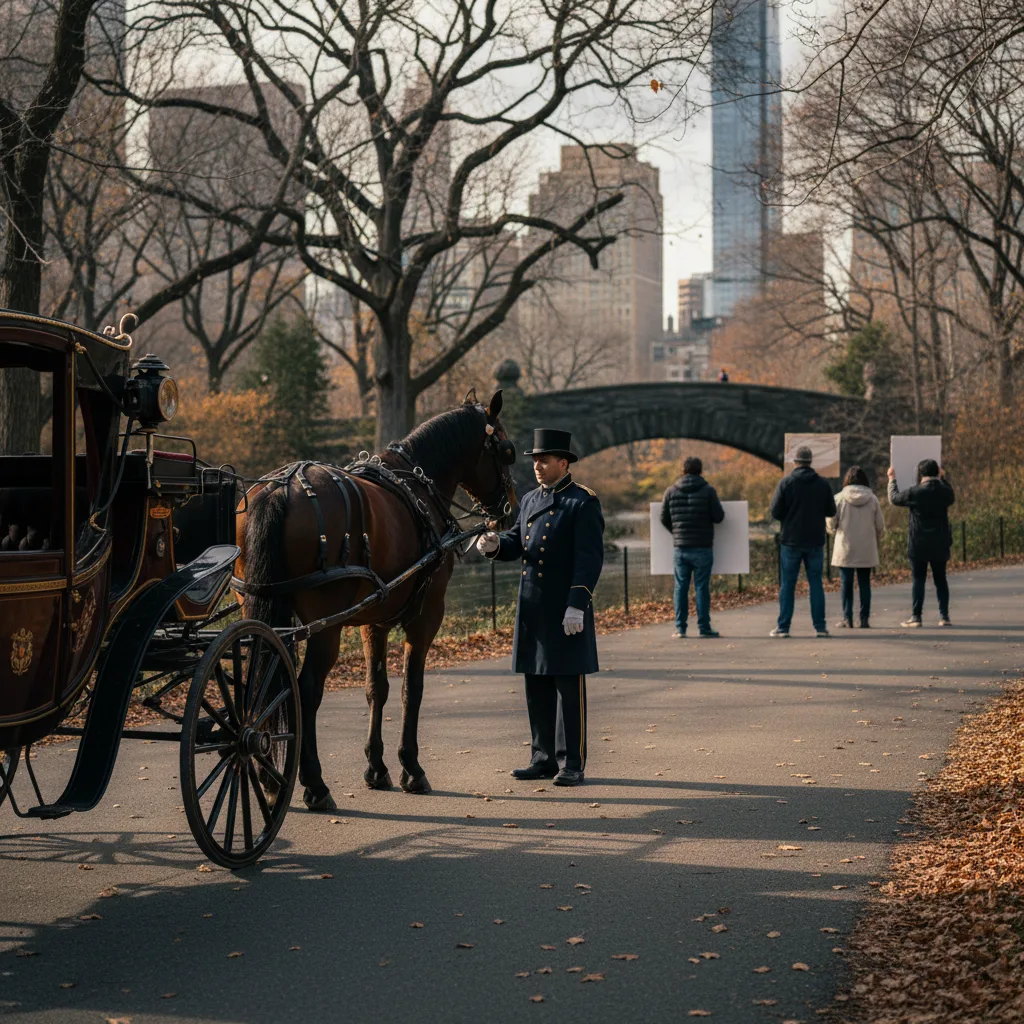
Mayor Mamdani Signs Horse Carriage Ban, Industry Sues City
Mayor Zohran Mamdani signed a bill into law Thursday that will phase out New York City's horse-drawn carriage industry, prompting an immediate lawsuit from carriage drivers.
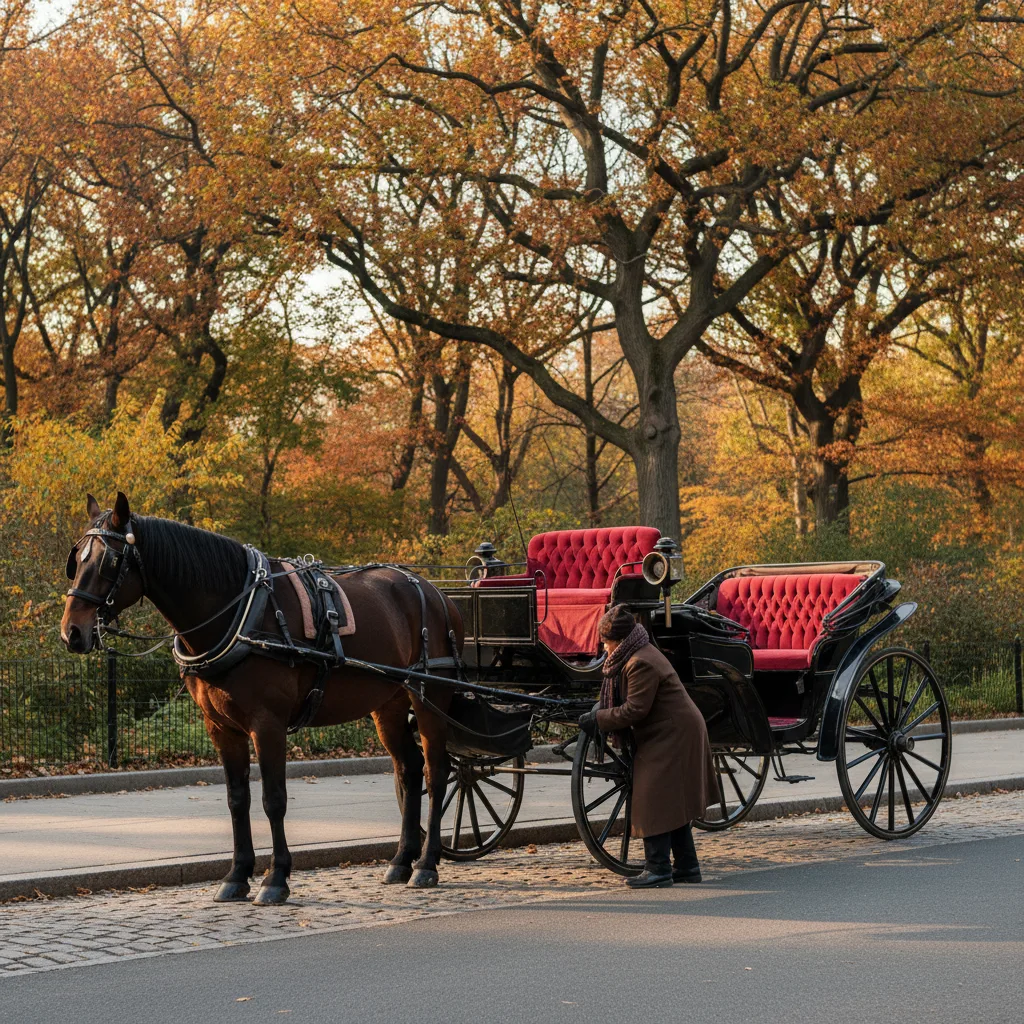
NYC Carriage Drivers Sue City Over Horse-Drawn Carriage Ban
Central Park's horse-drawn carriage drivers filed a lawsuit against New York City on Thursday, November 19, 2026, challenging a new law banning their operations.
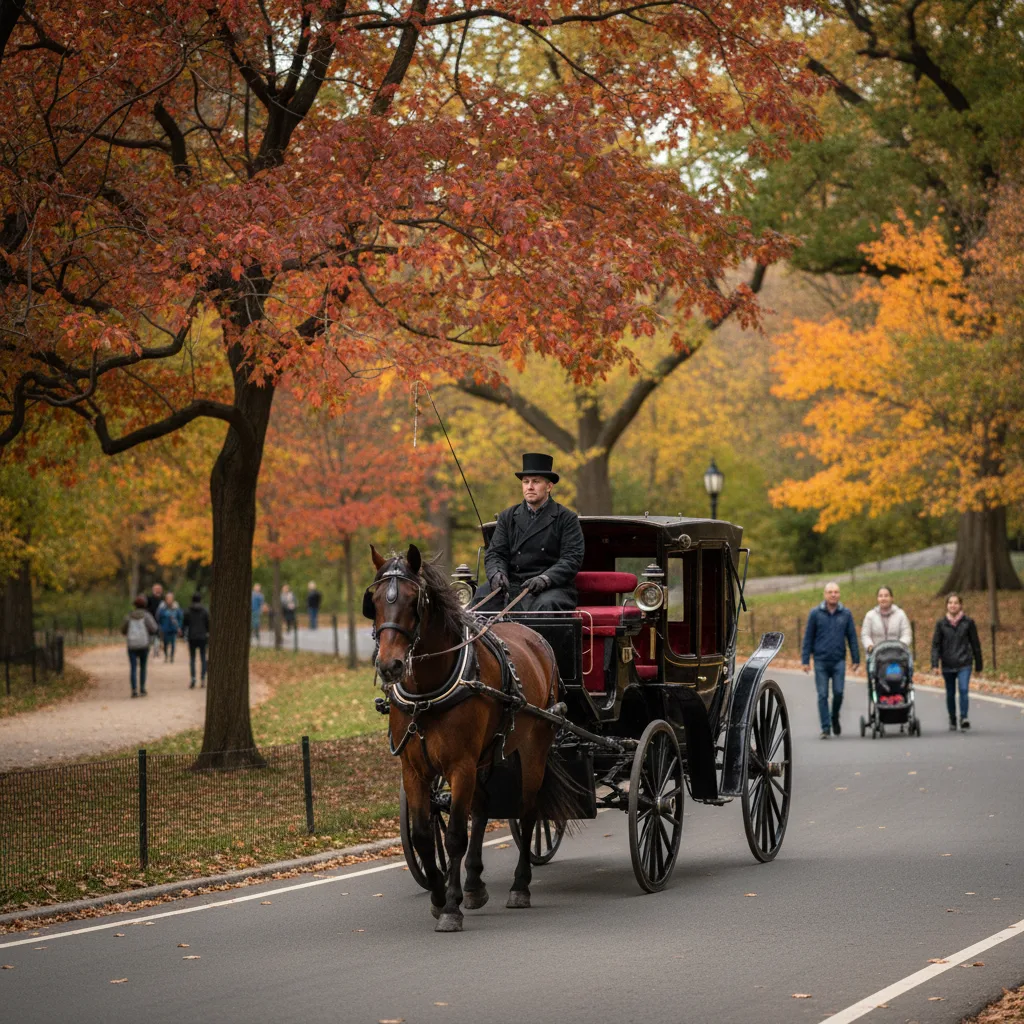
Mayor Mamdani Signs Law Phasing Out NYC Horse Carriages by 2028
Mayor Zohran Mamdani signed legislation on November 20, 2026, to phase out New York City's horse-drawn carriage industry by June 1, 2028.
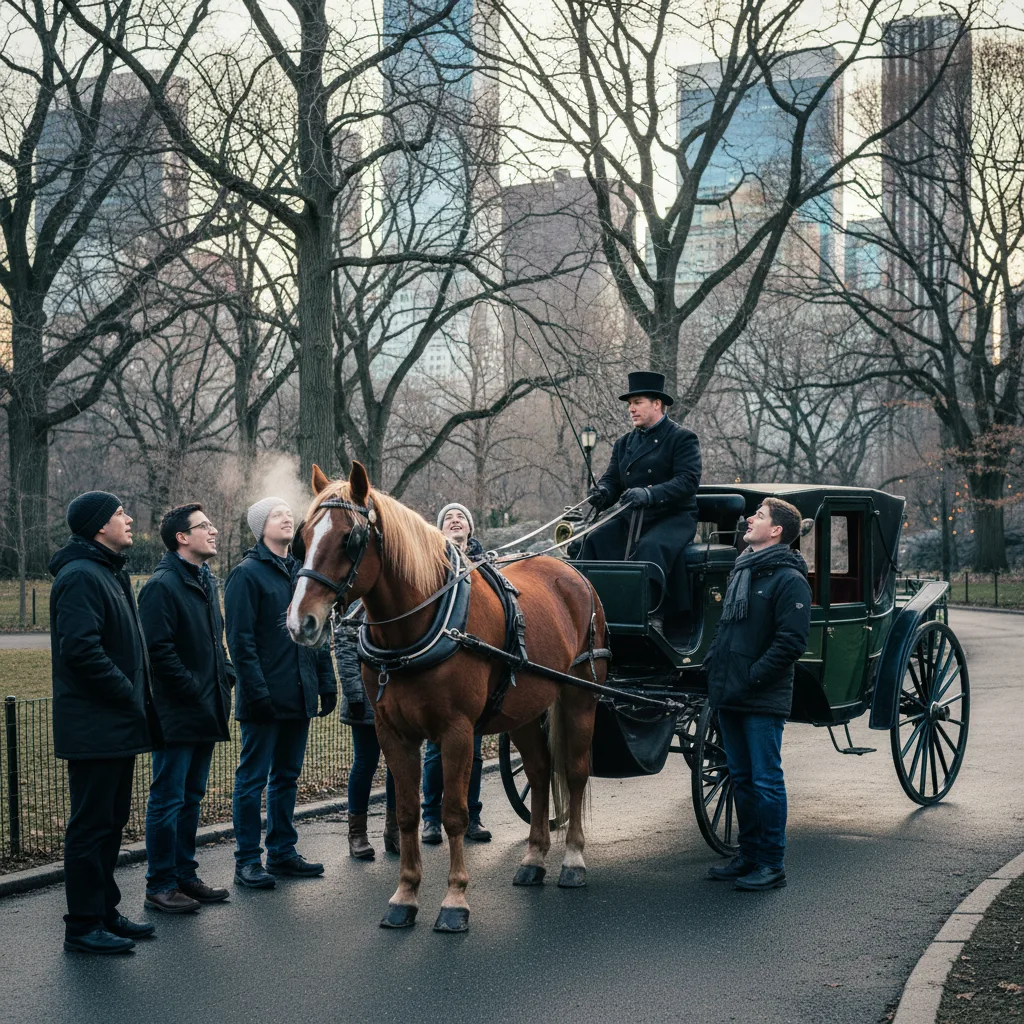
Central Park Carriage Drivers Sue NYC Over Mamdani Ban
Central Park horse-drawn carriage drivers filed a federal lawsuit against New York City on November 20, 2026, challenging Mayor Zohran Mamdani's ban.
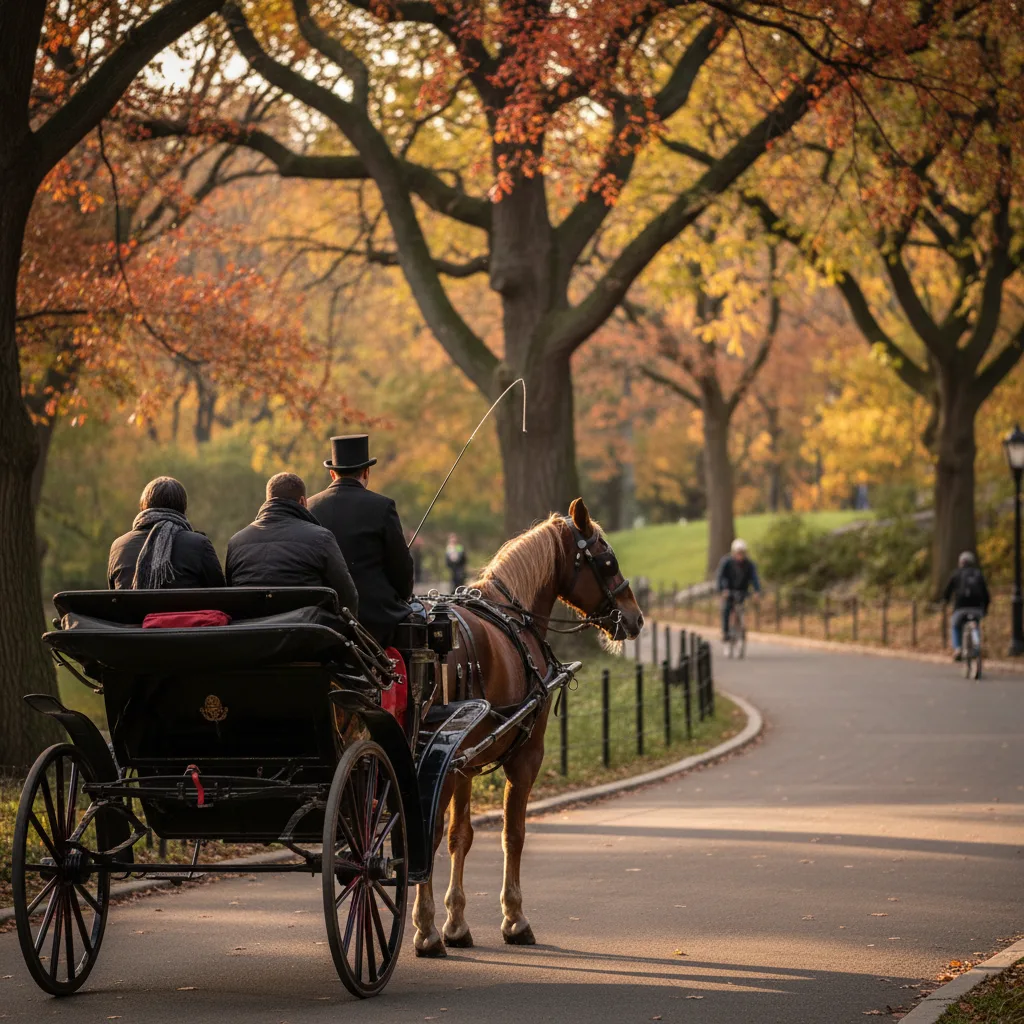
Mayor Mamdani Bans Central Park Horse Carriages, Effective 2028
Mayor Zohran Mamdani signed legislation on November 19, 2026, officially banning horse-drawn carriages in Central Park, with the ban taking effect on June 1, 2028.
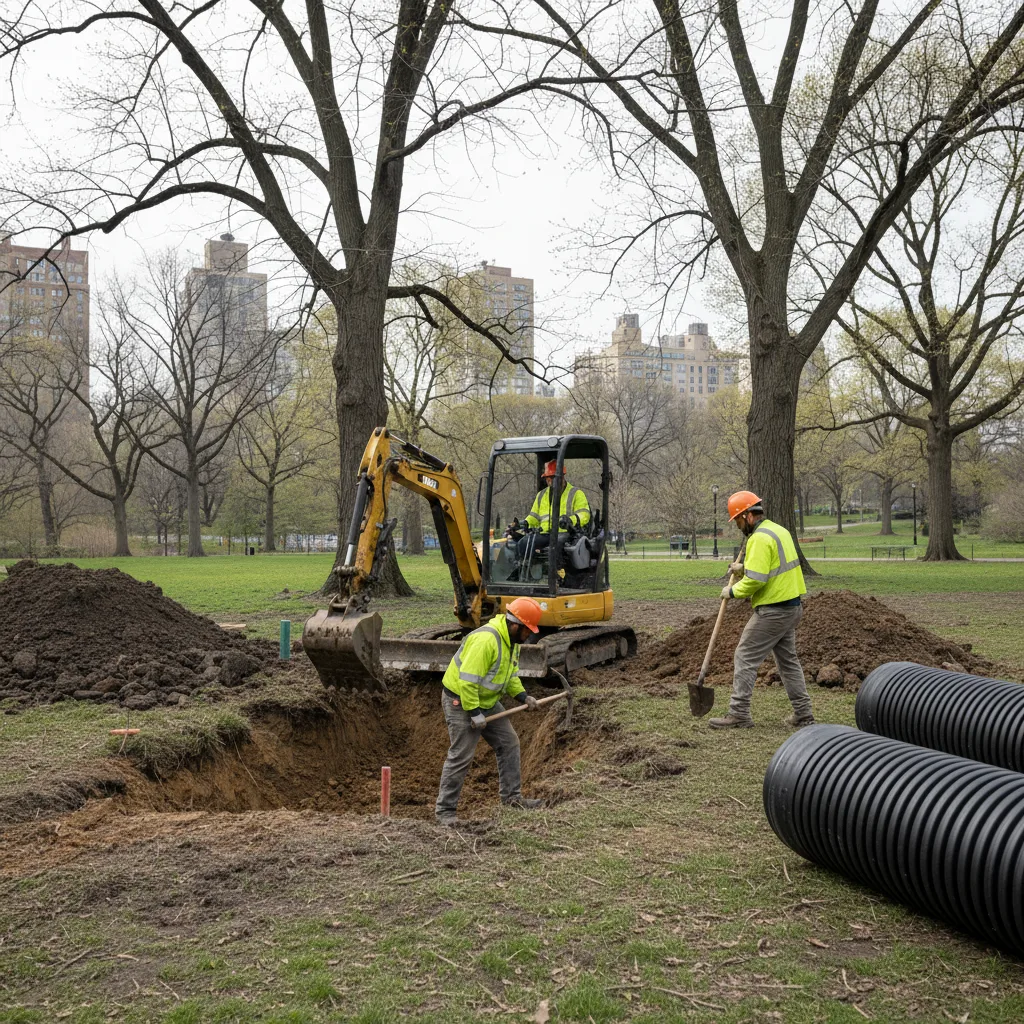
Central Park Flood Project Aims to Ease Harlem Flood Risks
A $35.7 million project in Central Park is underway to reduce flood risks in Harlem and East Harlem, diverting 132 million gallons of stormwater annually.