


Central Park Carriage Drivers Sue NYC Over Mamdani Ban
Enjoying the coverage?
Central Park news, events and park updates in your inbox every Friday. Free; unsubscribe in one click.
Sent every Friday. By subscribing, you agree to our Terms of Use and Privacy Policy.
The Short Version
- Central Park horse-drawn carriage drivers filed a federal lawsuit against New York City on November 20, 2026.
- The lawsuit challenges legislation signed by Mayor Zohran Mamdani to ban the industry by June 2028.
- Drivers filed the suit in Manhattan federal court minutes after the mayor signed the phase-out bill.
- The legal action seeks to block the city law that would end horse carriage operations in two years.
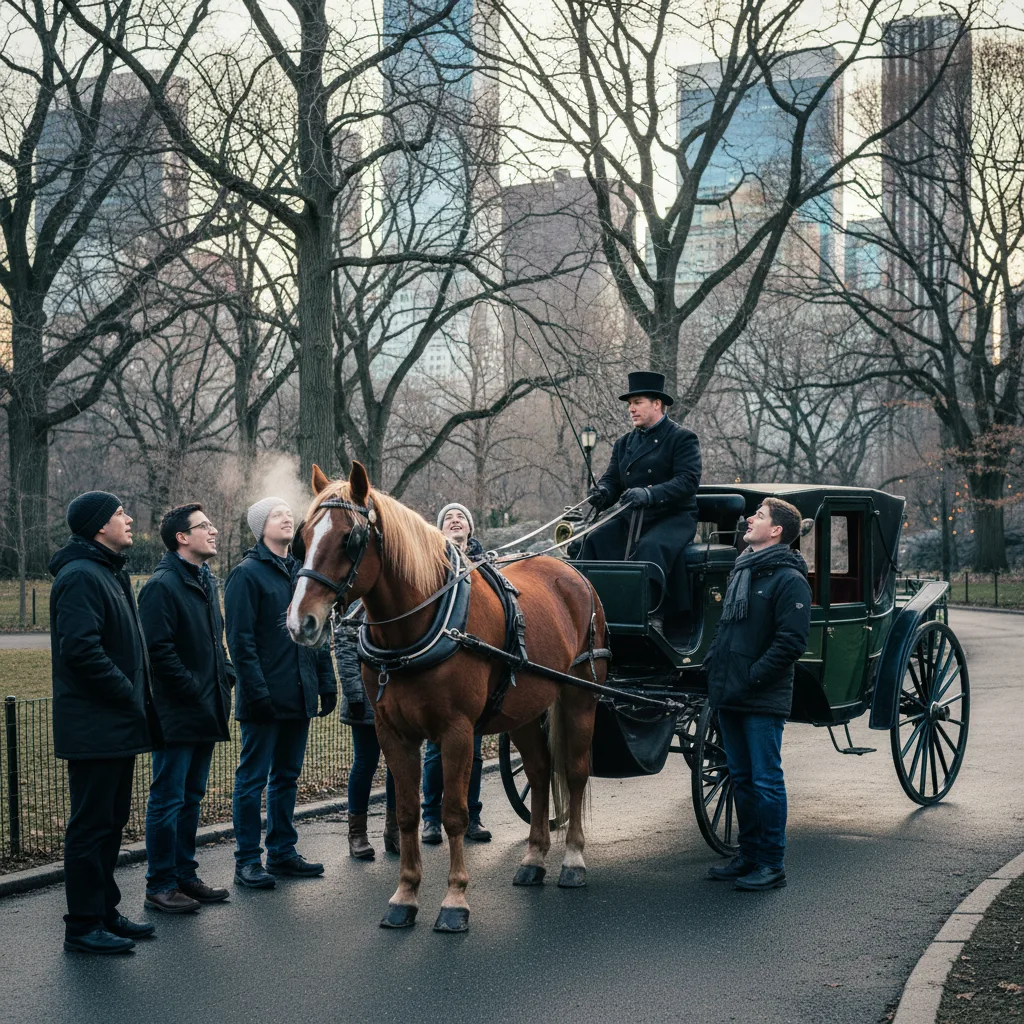
NEW YORK — Central Park’s horse-drawn carriage drivers filed a federal lawsuit against New York City on November 20, 2026, minutes after Mayor Zohran Mamdani signed legislation to phase out the industry, according to The Independent. The legal challenge, lodged in Manhattan, aims to overturn the new law that would terminate carriage rides by June 2028.
The Central Park News Friday Briefing
Central Park news, events and park updates in your inbox every Friday. Free; unsubscribe in one click.
Sent every Friday. By subscribing, you agree to our Terms of Use and Privacy Policy.
Immediate Legal Action Follows Bill Signing
The federal lawsuit was filed almost immediately after Mayor Mamdani affixed his signature to the controversial bill. This swift legal response signals a determined effort by the carriage industry to prevent the ban from taking effect. The action took place in the U.S. District Court for the Southern District of New York.
The drivers' legal team is arguing that the city's legislation infringes upon their rights and economic livelihoods. The suit represents a direct confrontation between the city government's policy and an established, albeit contested, Central Park institution.
Mayor Mamdani Enacts Phase-Out Legislation
Mayor Zohran Mamdani signed the legislation on November 20, 2026, officially initiating the phase-out of New York City’s horse-drawn carriage industry. This move marks the culmination of years of advocacy by animal welfare groups and debate within city hall. The law sets a firm deadline of June 2028 for the cessation of operations, as reported by Newswire.lk.
The legislation's signing was a significant victory for proponents of the ban, who have long argued that the industry is inhumane and outdated. The city has indicated it will offer assistance to those affected by the ban, signaling an awareness of the economic impact.
Industry Response: Challenging the Ban in Court
The lawsuit asserts that the city's ban is unconstitutional and seeks an injunction to prevent its implementation. Drivers and medallion owners argue that the legislation deprives them of their property rights and ability to earn a living. The plaintiffs are also expected to highlight the historical and cultural significance of the horse carriages to Central Park tourism.
Legal experts suggest that the case could involve arguments regarding due process, economic interference, and perhaps even claims of arbitrary and capricious government action. The outcome of the federal challenge will determine the future of this iconic New York City attraction.
City Prepares for Worker Transition and Electric Replacements
Alongside the ban, New York City officials have announced plans to assist the approximately 200 medallion owners, drivers, and stable workers who will be displaced. The city also intends to study potential electric vehicle replacements for use in and around Central Park. This comprehensive approach aims to mitigate the economic fallout while addressing transportation alternatives for park visitors.
The city's efforts to explore electric vehicle options were previously highlighted as Mayor Mamdani considered various alternatives for Central Park tourism. These discussions took place as the city council moved forward with the ban. For more on these alternative proposals, read about Mayor Mamdani explores electric vehicles for Central Park tourism.
Historical Context of the Horse Carriage Debate
The debate over Central Park's horse-drawn carriages has spanned decades, involving various mayors, city councils, and advocacy groups. Opponents have consistently cited animal welfare concerns, arguing that horses should not be working in busy urban environments. Supporters, however, have defended the tradition as a vital part of New York City's tourism and history, asserting that the animals are well cared for.
Previous legislative attempts to ban or significantly restrict the industry have often faced strong opposition and legal challenges. This latest lawsuit is a continuation of a long-standing battle over the future of the horse carriages. The ongoing discussion surrounding worker transitions also brings to mind previous city efforts, such as the NYC framework for horse carriage worker transition.
What the Reports Don't Say
- The specific legal arguments being made by the horse carriage drivers in their federal lawsuit have not yet been fully detailed.
- The exact timeline for the city's assistance programs for affected workers remains unclear.
- The progress or findings of the study into electric vehicle replacements for Central Park have not been released.
Sources
Compiled by the Central Park News Desk from the sources listed below with AI assistance.
- [Reporting] Central Park horse-drawn carriage drivers sue New York City minutes after Mayor Zohran Mamdani signs ban: The Independent
- [Reporting] New York City Mayor Mamdani signs law ending horse drawn carriages: Newswire.lk
Frequently Asked Questions
What is the primary legal argument presented by the horse carriage drivers in their lawsuit?
The horse carriage drivers' lawsuit primarily argues that New York City's ban infringes upon their constitutional rights, specifically challenging the deprivation of their property rights and their ability to earn a livelihood. They contend that the legislation is unconstitutional and are seeking an injunction to prevent the ban from being enforced by the city, highlighting the industry's historical and cultural value to Central Park tourism.
How many workers are expected to be affected by the horse carriage ban?
Approximately 200 medallion owners, drivers, and stable workers are expected to be affected by the horse carriage ban, according to city announcements. New York City has stated its intention to provide assistance programs for these individuals to help them transition to other employment or industries. The city is also studying potential alternative roles, such as operating electric vehicles in and around Central Park.
What is the deadline for the horse-drawn carriage industry to cease operations in Central Park?
The deadline for the horse-drawn carriage industry to cease operations in Central Park, as stipulated by the new legislation, is June 2028. This two-year phase-out period provides time for drivers and owners to adjust and for the city to implement its transition assistance programs and explore alternative tourism transport options within the park. The lawsuit seeks to halt this deadline.
The Central Park News Friday Briefing
Central Park news, events and park updates in your inbox every Friday. Free; unsubscribe in one click.
Sent every Friday. By subscribing, you agree to our Terms of Use and Privacy Policy.
Related Articles
More in Urban Policy & Development →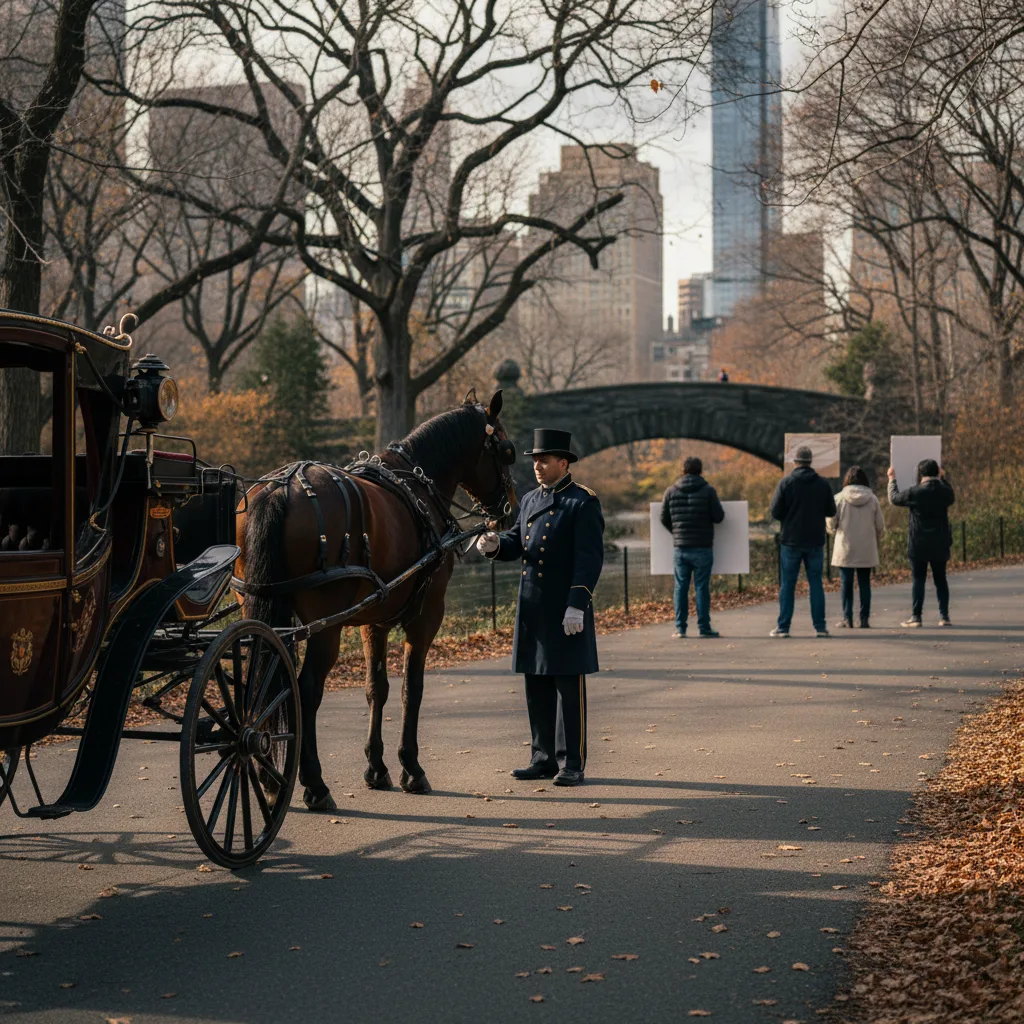
Mayor Mamdani Signs Horse Carriage Ban, Industry Sues City
Mayor Zohran Mamdani signed a bill into law Thursday that will phase out New York City's horse-drawn carriage industry, prompting an immediate lawsuit from carriage drivers.
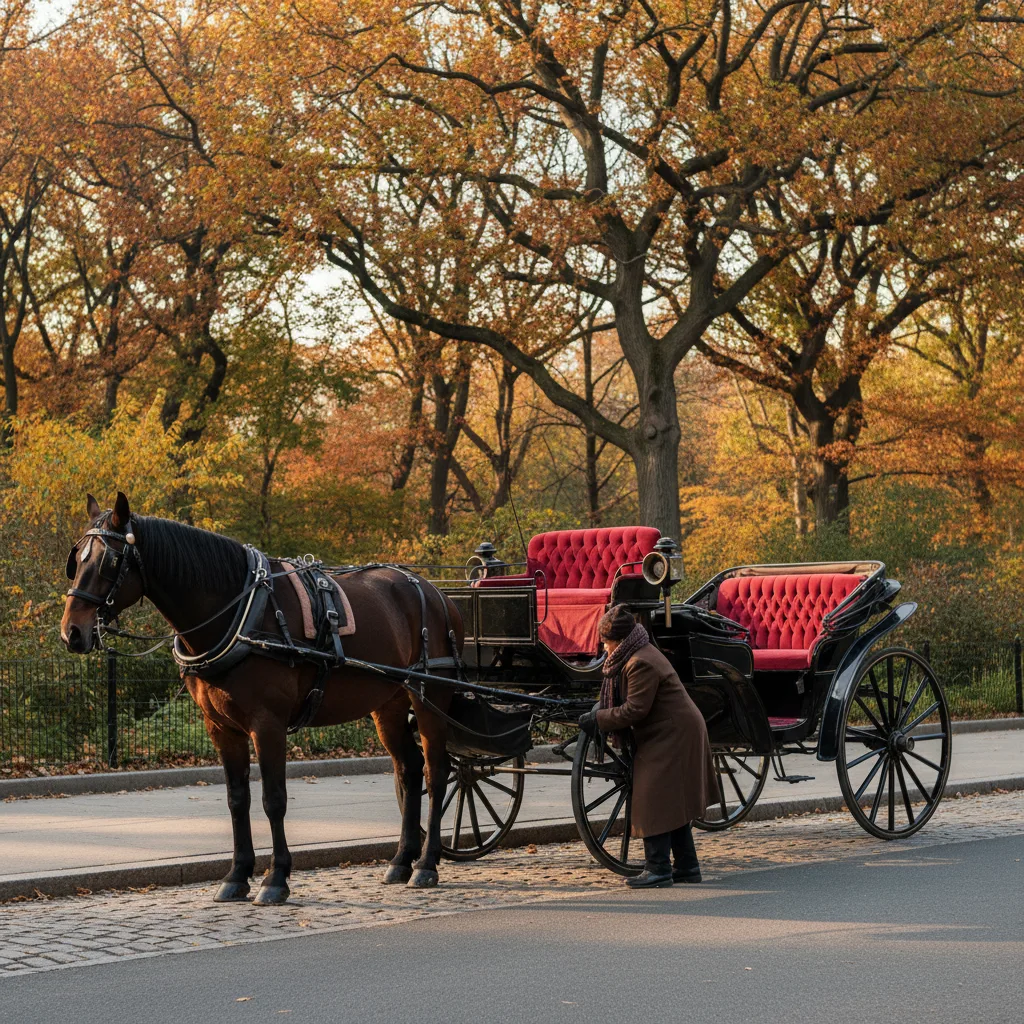
NYC Carriage Drivers Sue City Over Horse-Drawn Carriage Ban
Central Park's horse-drawn carriage drivers filed a lawsuit against New York City on Thursday, November 19, 2026, challenging a new law banning their operations.
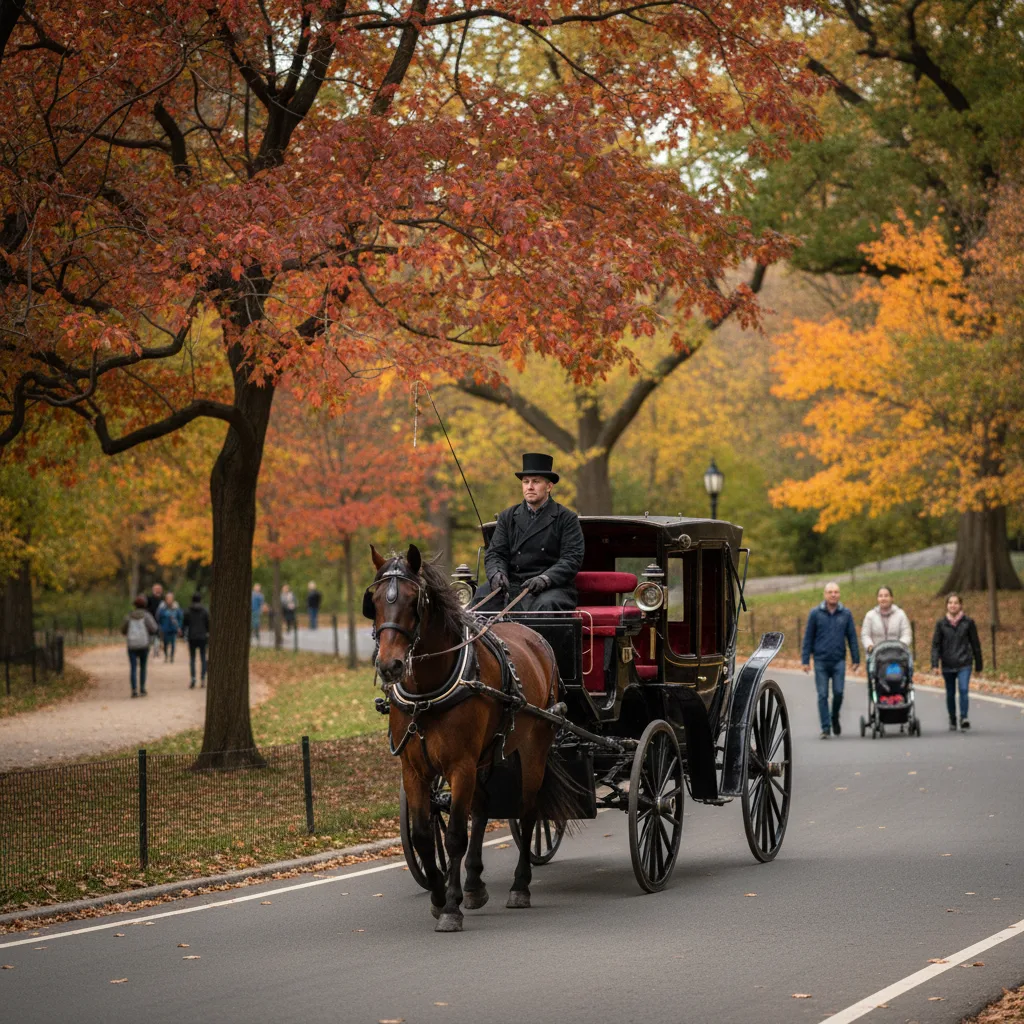
Mayor Mamdani Signs Law Phasing Out NYC Horse Carriages by 2028
Mayor Zohran Mamdani signed legislation on November 20, 2026, to phase out New York City's horse-drawn carriage industry by June 1, 2028.
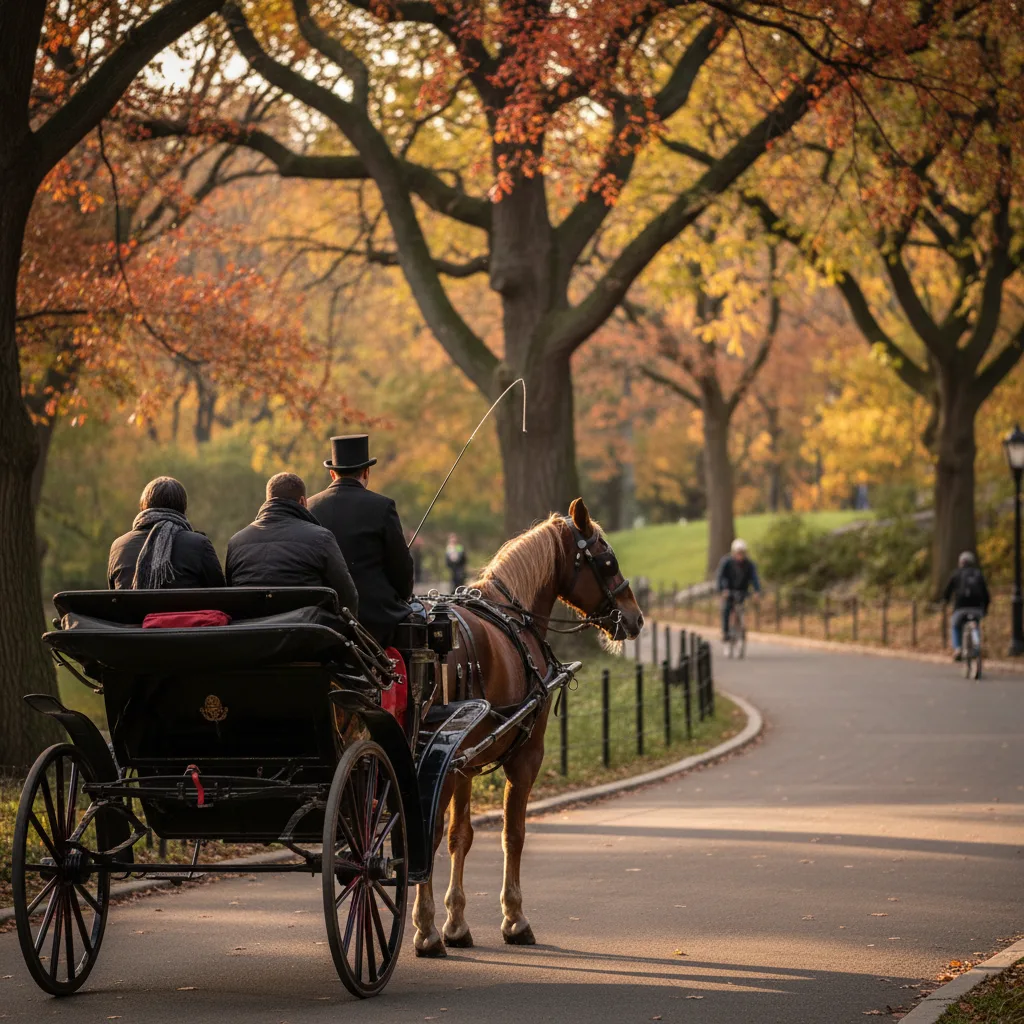
Mayor Mamdani Bans Central Park Horse Carriages, Effective 2028
Mayor Zohran Mamdani signed legislation on November 19, 2026, officially banning horse-drawn carriages in Central Park, with the ban taking effect on June 1, 2028.

Mayor Mamdani Explores Electric Vehicles for Central Park Tourism
Mayor Zohran Mamdani is considering electric tourism vehicles for Central Park following the city's approval to end horse-carriage rides.
Central Park Flood Project Aims to Ease Harlem Flood Risks
A $35.7 million project in Central Park is underway to reduce flood risks in Harlem and East Harlem, diverting 132 million gallons of stormwater annually.