


Mayor Mamdani Signs Horse Carriage Ban, Industry Sues City
Enjoying the coverage?
Central Park news, events and park updates in your inbox every Friday. Free; unsubscribe in one click.
Sent every Friday. By subscribing, you agree to our Terms of Use and Privacy Policy.
The Short Version
- Mayor Zohran Mamdani signed legislation on Thursday, November 20, 2026, officially banning New York City's horse-drawn carriage industry.
- The ban is scheduled to take full effect in June 2028, ending a 150-year Central Park tradition.
- Immediately after the signing, horse-drawn carriage drivers filed a lawsuit to halt the new law.
- The union representing the drivers argues the ban jeopardizes livelihoods and cultural heritage.
- The new law aims to transition drivers to alternative employment within the city's tourism sector.
NEW YORK: Mayor Zohran Mamdani signed a bill into law on Thursday, November 20, 2026, that will phase out New York City's 150-year-old horse-drawn carriage industry, according to NBC New York. This action immediately prompted a lawsuit from carriage drivers seeking to block the new legislation.
The Central Park News Friday Briefing
Central Park news, events and park updates in your inbox every Friday. Free; unsubscribe in one click.
Sent every Friday. By subscribing, you agree to our Terms of Use and Privacy Policy.
Historic Ban Ends Century-Old Central Park Tradition
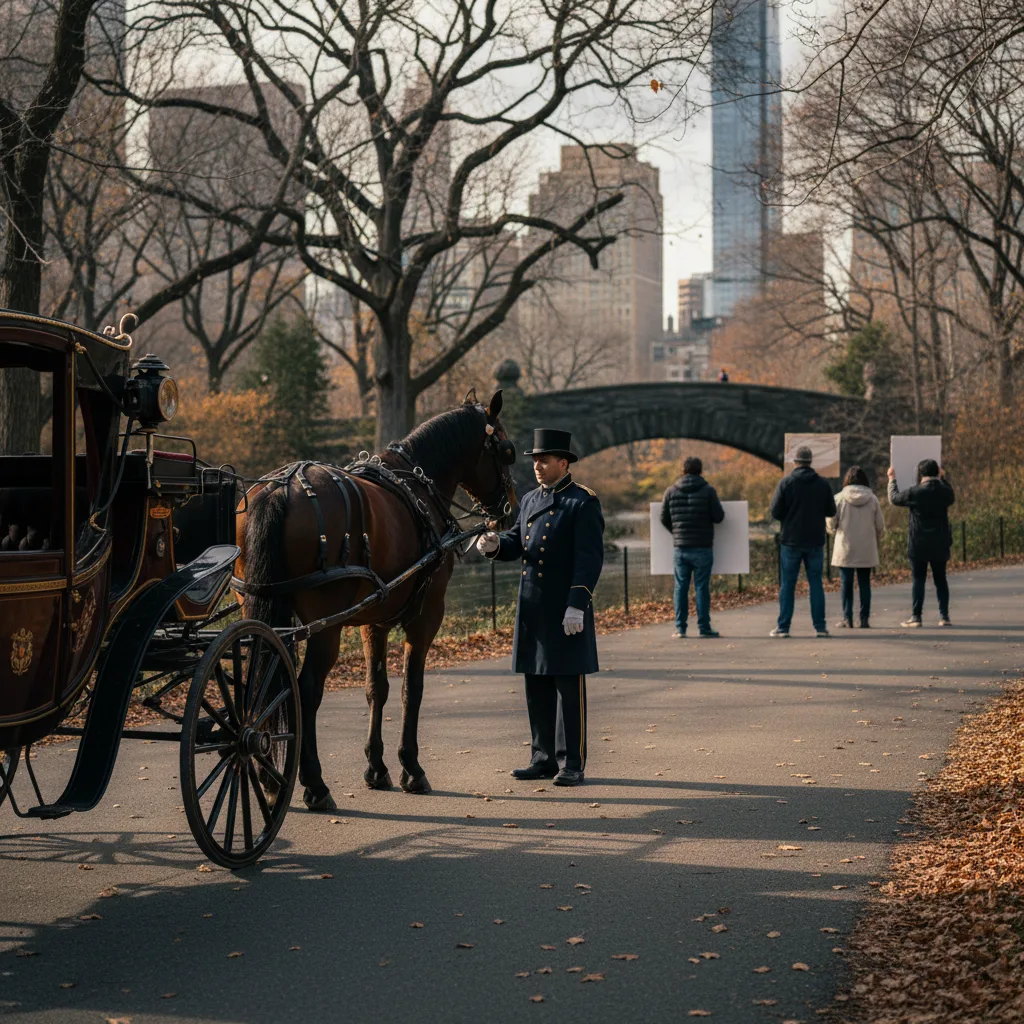
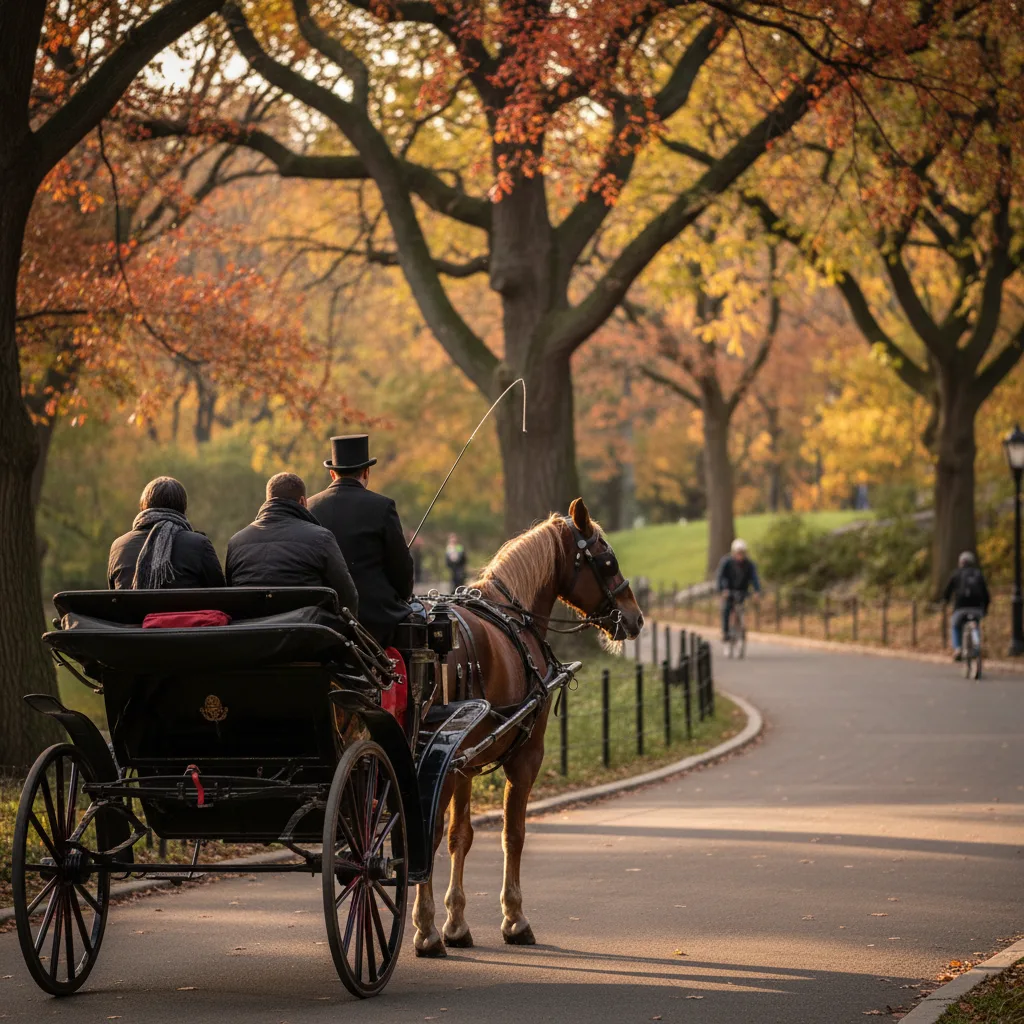
The legislation officially bans horse-drawn carriages from city streets, targeting an industry deeply intertwined with Central Park's identity for over a century and a half. The measure marks a significant shift in urban policy regarding animal welfare and historic tourism operations. The move follows years of debate between animal rights advocates and industry stakeholders.
Animal welfare groups have long pushed for the ban, citing concerns over the horses' living conditions and safety in busy city traffic. Supporters of the ban celebrated the mayor's signature as a victory for animal rights. They argue that the urban environment is unsuitable for working horses.
Drivers File Immediate Legal Challenge
Minutes after Mayor Mamdani's signature, the horse-drawn carriage drivers filed a lawsuit to halt the ban. This legal action signals a protracted battle over the future of the industry and the livelihoods of those it employs. The lawsuit, filed by the union representing the drivers, asserts the ban is an overreach and economically damaging.
According to NBC New York, the legal challenge aims to secure an injunction against the law's implementation. Drivers argue that the ban will render their specialized skills obsolete and eliminate hundreds of jobs without adequate replacement. They emphasize their role in maintaining a historic New York City experience for tourists.
Industry Impact and Economic Concerns
The ban, set to commence in June 2028, will directly impact approximately 200 drivers and stable workers who operate in and around Central Park. Many drivers have stated that their families have been involved in the carriage industry for generations. The economic implications extend beyond direct employment to related services like farriers and feed suppliers.
Union representatives contend that the city has not provided a viable transition plan for workers. They say the proposed alternatives do not account for the specialized nature of their work or the significant investment in their carriages and horses. The industry is a key part of the Central Park tourism ecosystem.
Political Context and Public Debate
The signing of the ban follows a prolonged and often contentious public debate within New York City. Mayor Mamdani, a prominent socialist voice in city politics, has been a long-standing proponent of phasing out the carriage industry. His administration views the ban as a progressive step towards modernizing the city's tourism offerings.
Opponents of the ban, including many long-time New Yorkers, argue it erodes a unique piece of the city's cultural heritage. They point to the tradition of carriage rides through Central Park as a quintessential New York experience. The political divide on the issue has been sharp, reflecting broader ideological differences on urban development and animal welfare.
Potential Future of Central Park Tourism
With the horse-drawn carriages set for eventual removal, discussions have emerged about alternative tourist attractions in Central Park. Proposals have included electric vehicles designed to offer similar scenic tours without animal involvement. However, no concrete plans for replacement services have been finalized.
The city's intention is to ensure a smooth transition for both workers and visitors, maintaining Central Park's appeal as a world-renowned destination. The legal battle initiated by the drivers may significantly influence the timeline and eventual shape of this transition. For further background on the ongoing legal challenges, readers can review previous coverage of the NYC carriage drivers suing city.
What the Reports Don't Say
- The specific arguments and legal precedents cited in the carriage drivers' lawsuit have not yet been detailed publicly.
- The exact nature of the city's transition plan for displaced workers and the funding allocated for it remain unclear.
- There is no firm timeline or specific proposal for alternative tourist transportation methods within Central Park.
Sources
Compiled by the Central Park News Desk from the sources listed below with AI assistance.
- [Reporting] Mamdani signs horse carriage ban into law – NBC New York: NBC New York
- [Reporting] Mamdani bans Central Park horse carriages: Brussels Signal
Frequently Asked Questions
When will the horse-drawn carriage ban officially take effect in Central Park?
The ban on horse-drawn carriages in Central Park and across New York City is scheduled to begin in June 2028. This allows for a transition period for the industry, although the exact details of that transition are still being debated and may be affected by the ongoing lawsuit from the carriage drivers.
What are the main reasons cited for the ban on horse-drawn carriages?
Proponents of the ban, including Mayor Zohran Mamdani and animal welfare organizations, cite concerns over the humane treatment of horses in a busy urban environment and safety issues related to traffic. They argue that the city is an unsuitable place for working animals and advocate for more modern, animal-free tourism options.
What is the primary argument of the horse carriage drivers against the ban?
The horse-drawn carriage drivers argue that the ban threatens their livelihoods and eliminates a historic New York City tradition that has existed for over 150 years. Their lawsuit contends that the city has not provided adequate plans for their economic displacement and that the ban is an overreach of city power.
The Central Park News Friday Briefing
Central Park news, events and park updates in your inbox every Friday. Free; unsubscribe in one click.
Sent every Friday. By subscribing, you agree to our Terms of Use and Privacy Policy.
Related Articles
More in Urban Policy & Development →
NYC Carriage Drivers Sue City Over Horse-Drawn Carriage Ban
Central Park's horse-drawn carriage drivers filed a lawsuit against New York City on Thursday, November 19, 2026, challenging a new law banning their operations.
Mayor Mamdani Signs Law Phasing Out NYC Horse Carriages by 2028
Mayor Zohran Mamdani signed legislation on November 20, 2026, to phase out New York City's horse-drawn carriage industry by June 1, 2028.
Central Park Carriage Drivers Sue NYC Over Mamdani Ban
Central Park horse-drawn carriage drivers filed a federal lawsuit against New York City on November 20, 2026, challenging Mayor Zohran Mamdani's ban.
Mayor Mamdani Bans Central Park Horse Carriages, Effective 2028
Mayor Zohran Mamdani signed legislation on November 19, 2026, officially banning horse-drawn carriages in Central Park, with the ban taking effect on June 1, 2028.

Mayor Mamdani Explores Electric Vehicles for Central Park Tourism
Mayor Zohran Mamdani is considering electric tourism vehicles for Central Park following the city's approval to end horse-carriage rides.
Central Park Flood Project Aims to Ease Harlem Flood Risks
A $35.7 million project in Central Park is underway to reduce flood risks in Harlem and East Harlem, diverting 132 million gallons of stormwater annually.