


Central Park Flood Project Aims to Ease Harlem Flood Risks
Enjoying the coverage?
Central Park news, events and park updates in your inbox every Friday. Free; unsubscribe in one click.
Sent every Friday. By subscribing, you agree to our Terms of Use and Privacy Policy.
The Short Version
- A $35.7 million project in Central Park is underway to reduce flood risks in Harlem and East Harlem.
- The new system is designed to divert 132 million gallons of stormwater from city sewers annually.
- Officials state the initiative will save 175 homes from sewer backups each year and reduce pollution in the Harlem River.
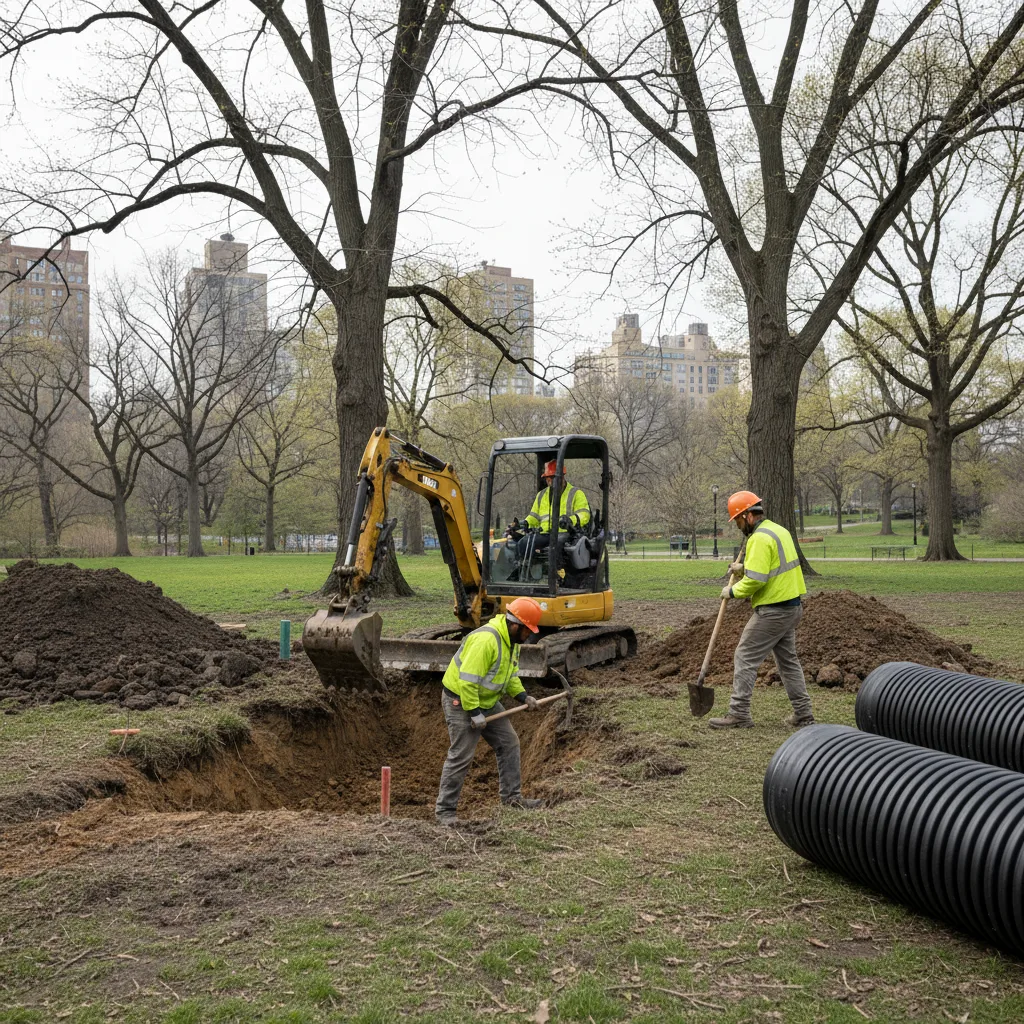
NEW YORK — Officials confirmed a $35.7 million project within Central Park designed to alleviate significant flood risks for residents in Harlem and East Harlem is now underway. The initiative, announced on Saturday, November 14, 2026, aims to improve the city's stormwater management infrastructure, particularly during heavy rainfall events.
The Central Park News Friday Briefing
Central Park news, events and park updates in your inbox every Friday. Free; unsubscribe in one click.
Sent every Friday. By subscribing, you agree to our Terms of Use and Privacy Policy.
New System to Divert 132 Million Gallons Annually
The core of the Central Park flood project involves implementing a sophisticated new system capable of diverting 132 million gallons of stormwater away from city sewers each year. This substantial diversion is expected to significantly reduce the burden on aging infrastructure, especially in neighborhoods prone to flooding. The project targets an ongoing challenge for urban areas: managing increased precipitation due to climate change.
Harlem and East Harlem have historically faced chronic flooding issues, leading to property damage and public health concerns. The new system is a collaborative effort to address these vulnerabilities directly. By capturing and redirecting stormwater within the park, the project aims to protect homes and reduce the incidence of sewage backups into residential properties.
Protecting Homes and Reducing Pollution in Harlem
City officials stated that the new flood-fighting system is projected to save 175 homes from sewer backups each year. This direct impact provides crucial relief to homeowners who have repeatedly suffered from property damage and the associated costs and disruptions. The initiative reflects a commitment to enhancing community resilience against environmental hazards.
Beyond property protection, the project is also expected to yield significant environmental benefits. By preventing stormwater from overwhelming combined sewer systems, it will reduce the discharge of pollutants into the Harlem River. This improvement in water quality aligns with broader city efforts to revitalize New York's waterways and ecosystems. The project demonstrates a multi-faceted approach to urban infrastructure challenges.
Addressing Long-Standing Flood Vulnerabilities
Harlem and East Harlem have long been identified as areas highly susceptible to flooding, a problem exacerbated by impervious surfaces and an overburdened sewer system. The new Central Park project represents a targeted intervention to address these long-standing vulnerabilities. Local advocacy groups and residents have consistently called for comprehensive solutions to these recurring issues.
This infrastructure upgrade is part of a larger city-wide strategy to adapt to more frequent and intense weather events. Investments in green infrastructure, such as stormwater capture systems, are becoming increasingly vital for protecting urban communities. The project in Central Park serves as a model for how natural landscapes can be leveraged to mitigate urban environmental risks. Similar initiatives are being considered across the city to manage extreme weather events, including responses to freezing wind chills hitting the city.
Collaboration and Funding for Flood Mitigation
The $35.7 million project is a joint effort involving various city and state agencies, highlighting a coordinated approach to critical urban planning. Funding for such large-scale infrastructure improvements often comes from a combination of federal grants, state allocations, and municipal budgets. These investments are deemed essential for public safety and long-term urban sustainability.
The groundbreaking for this project underscores a strategic partnership between different levels of government to tackle complex environmental challenges. Such collaborative funding and execution are typical for large-scale urban development projects that aim to benefit multiple communities. This joint investment reflects the significant priority placed on flood mitigation in vulnerable neighborhoods.
What the Reports Don't Say
- The precise location within Central Park where the flood mitigation system is being installed is not specified.
- A detailed timeline for the project's completion is not provided in the initial announcement.
Sources
Compiled by the Central Park News Desk from the sources listed below. AI-assisted; checked against the sources at publication.
- [Reporting] Central Park Project Aims to Ease Flood Risks in Harlem and East Harlem(https://ground.news/article/mamdani-and-hochul-break-ground-on-36-million-flood-fighting-project-in-central-park): Ground News
Frequently Asked Questions
How will this Central Park project reduce flooding in Harlem?
The project will install a new system within Central Park that diverts 132 million gallons of stormwater annually from city sewers, significantly reducing the strain on the existing infrastructure. This prevents sewer backups and protects homes in Harlem and East Harlem from flooding during heavy rains.
What are the main benefits of this flood mitigation project?
Beyond reducing residential flooding, the project is expected to save 175 homes from sewer backups each year. It will also decrease the amount of pollution discharged into the Harlem River by preventing combined sewer overflows, thus improving water quality in the area.
What is the cost of the Central Park flood project?
The Central Park flood mitigation project is budgeted at $35.7 million. This investment covers the installation of the new stormwater diversion system and related infrastructure designed to protect Harlem and East Harlem.
The Central Park News Friday Briefing
Central Park news, events and park updates in your inbox every Friday. Free; unsubscribe in one click.
Sent every Friday. By subscribing, you agree to our Terms of Use and Privacy Policy.
Related Articles
More in Urban Policy & Development →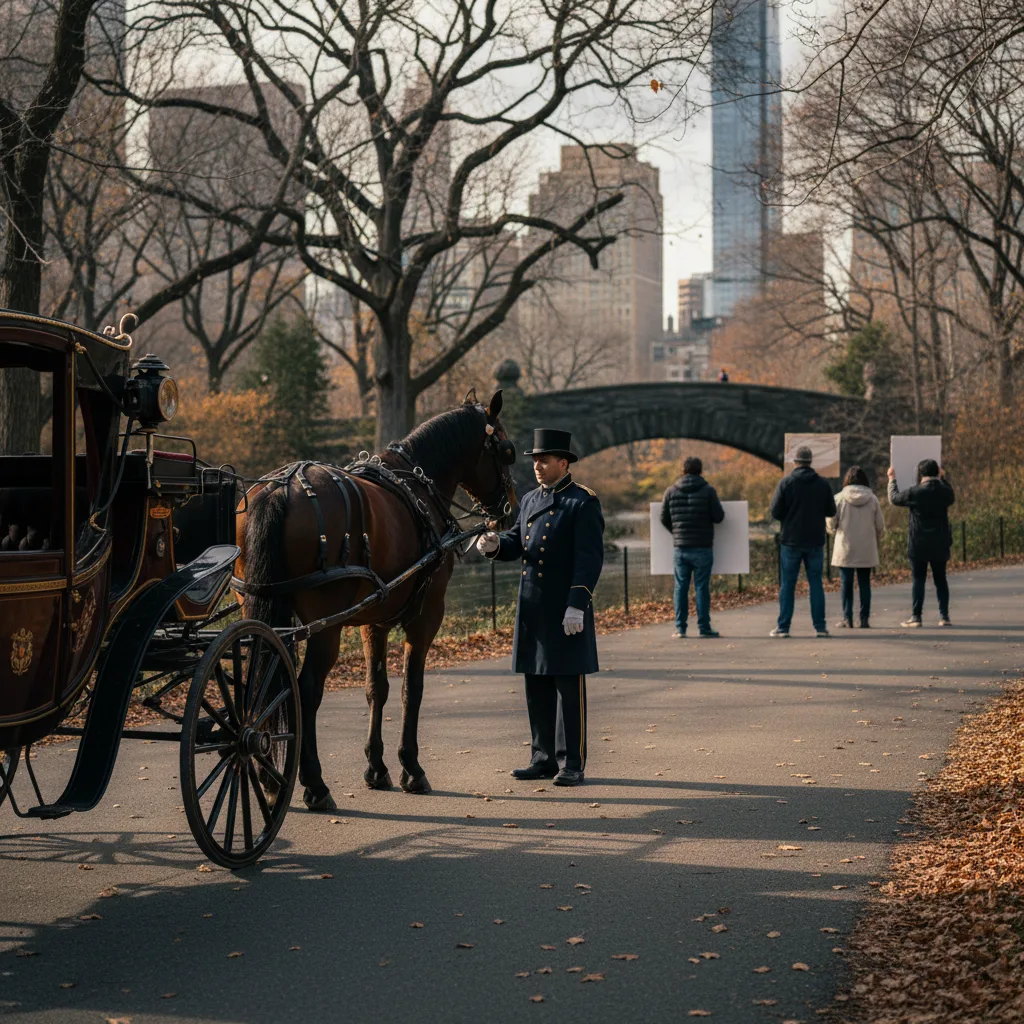
Mayor Mamdani Signs Horse Carriage Ban, Industry Sues City
Mayor Zohran Mamdani signed a bill into law Thursday that will phase out New York City's horse-drawn carriage industry, prompting an immediate lawsuit from carriage drivers.
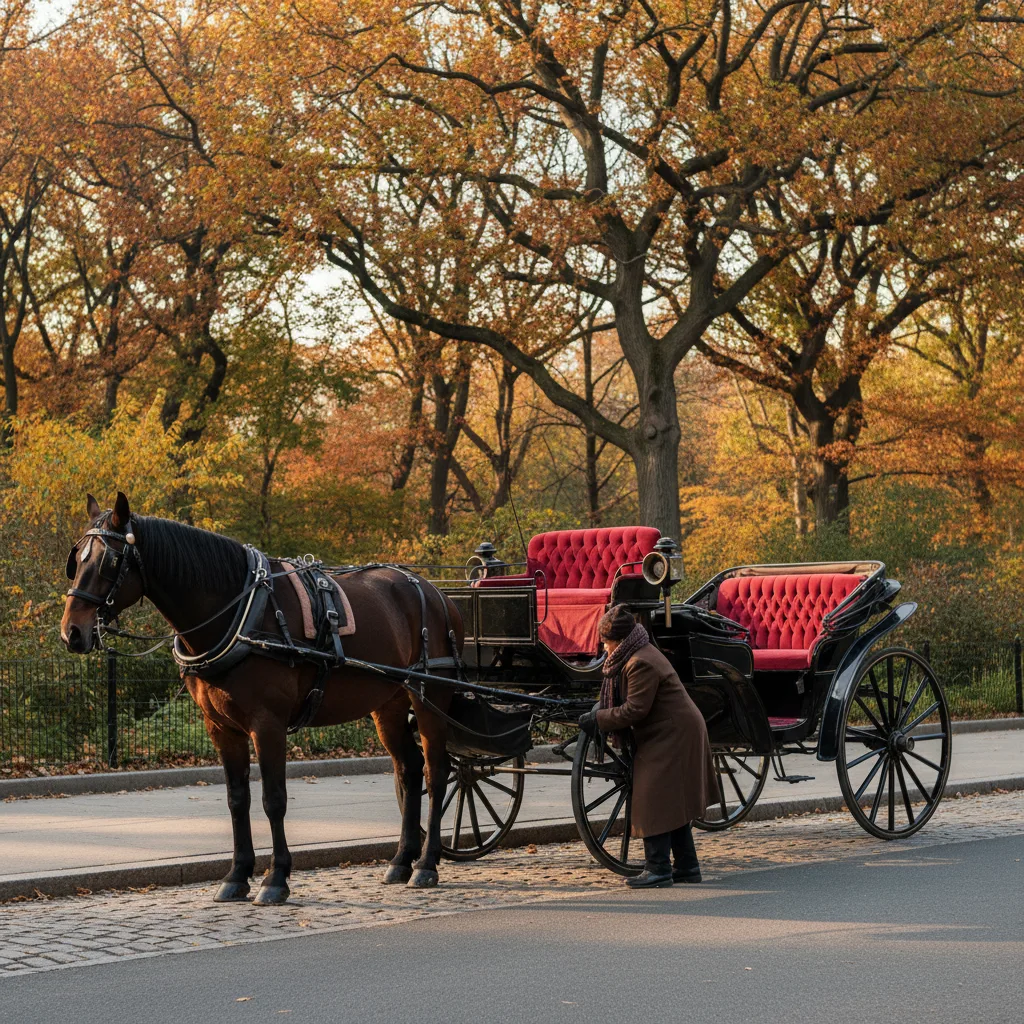
NYC Carriage Drivers Sue City Over Horse-Drawn Carriage Ban
Central Park's horse-drawn carriage drivers filed a lawsuit against New York City on Thursday, November 19, 2026, challenging a new law banning their operations.
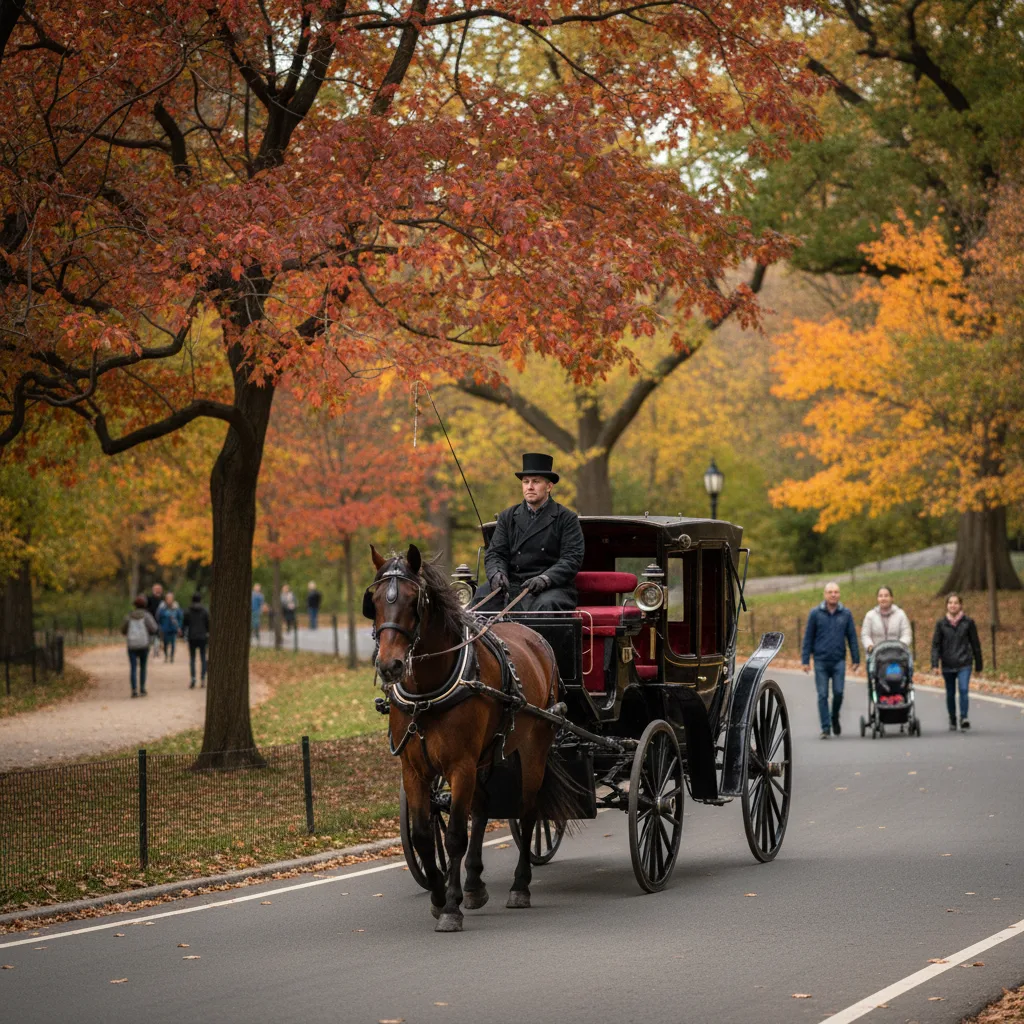
Mayor Mamdani Signs Law Phasing Out NYC Horse Carriages by 2028
Mayor Zohran Mamdani signed legislation on November 20, 2026, to phase out New York City's horse-drawn carriage industry by June 1, 2028.
Central Park Carriage Drivers Sue NYC Over Mamdani Ban
Central Park horse-drawn carriage drivers filed a federal lawsuit against New York City on November 20, 2026, challenging Mayor Zohran Mamdani's ban.
Mayor Mamdani Bans Central Park Horse Carriages, Effective 2028
Mayor Zohran Mamdani signed legislation on November 19, 2026, officially banning horse-drawn carriages in Central Park, with the ban taking effect on June 1, 2028.

Mayor Mamdani Explores Electric Vehicles for Central Park Tourism
Mayor Zohran Mamdani is considering electric tourism vehicles for Central Park following the city's approval to end horse-carriage rides.