


Mayor Mamdani Bans Central Park Horse Carriages, Effective 2028
Enjoying the coverage?
Central Park news, events and park updates in your inbox every Friday. Free; unsubscribe in one click.
Sent every Friday. By subscribing, you agree to our Terms of Use and Privacy Policy.
The Short Version
- Mayor Zohran Mamdani signed legislation on November 19, 2026, officially banning horse-drawn carriages in Central Park.
- The ban is scheduled to take effect on June 1, 2028, ending a tradition that dates back to 1858.
- The decision follows prolonged debate and activism concerning animal welfare and traffic congestion.
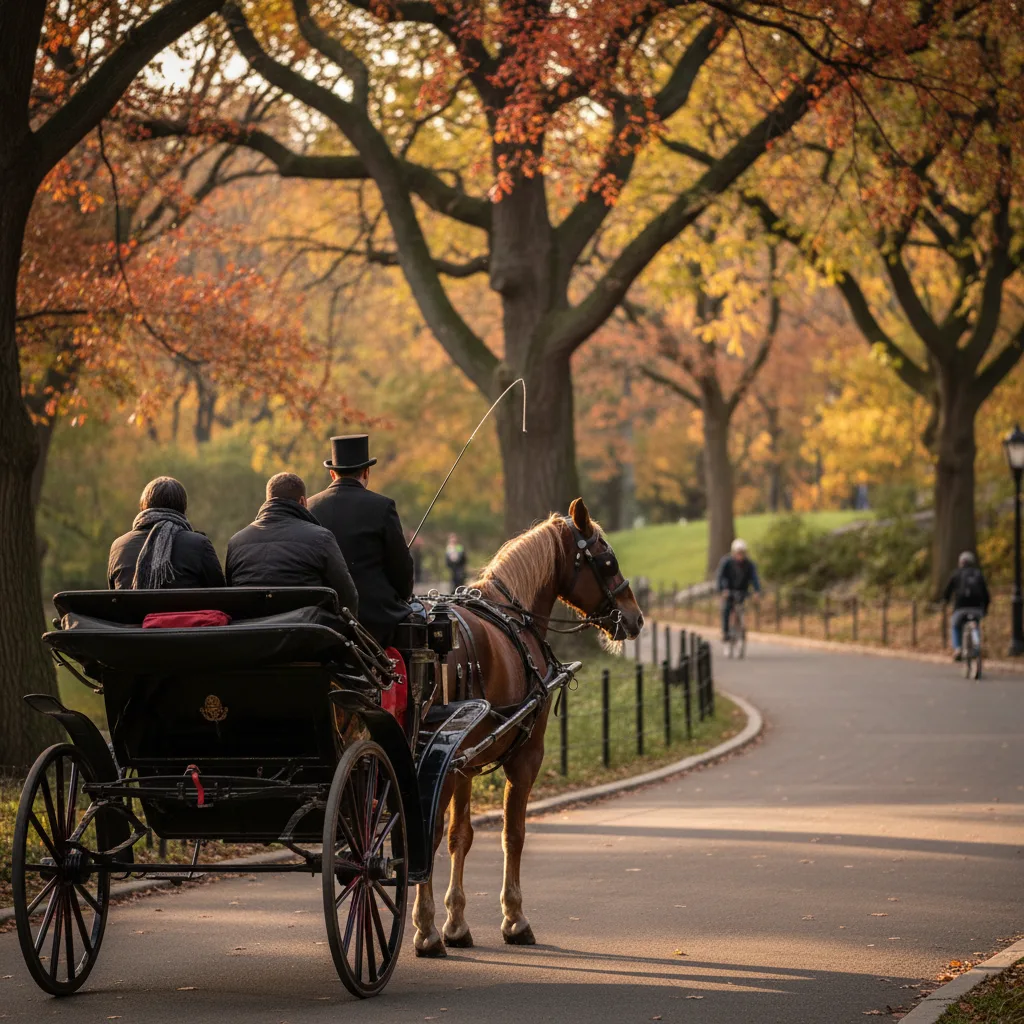
NEW YORK — Mayor Zohran Mamdani officially banned horse-drawn carriages in Central Park on November 19, 2026, signing legislation that will end the historic tradition by June 1, 2028, according to WNBC. This action marks a significant shift in the iconic park's landscape and follows years of advocacy from animal welfare organizations.
The Central Park News Friday Briefing
Central Park news, events and park updates in your inbox every Friday. Free; unsubscribe in one click.
Sent every Friday. By subscribing, you agree to our Terms of Use and Privacy Policy.
Official Action Closes an Era for Central Park
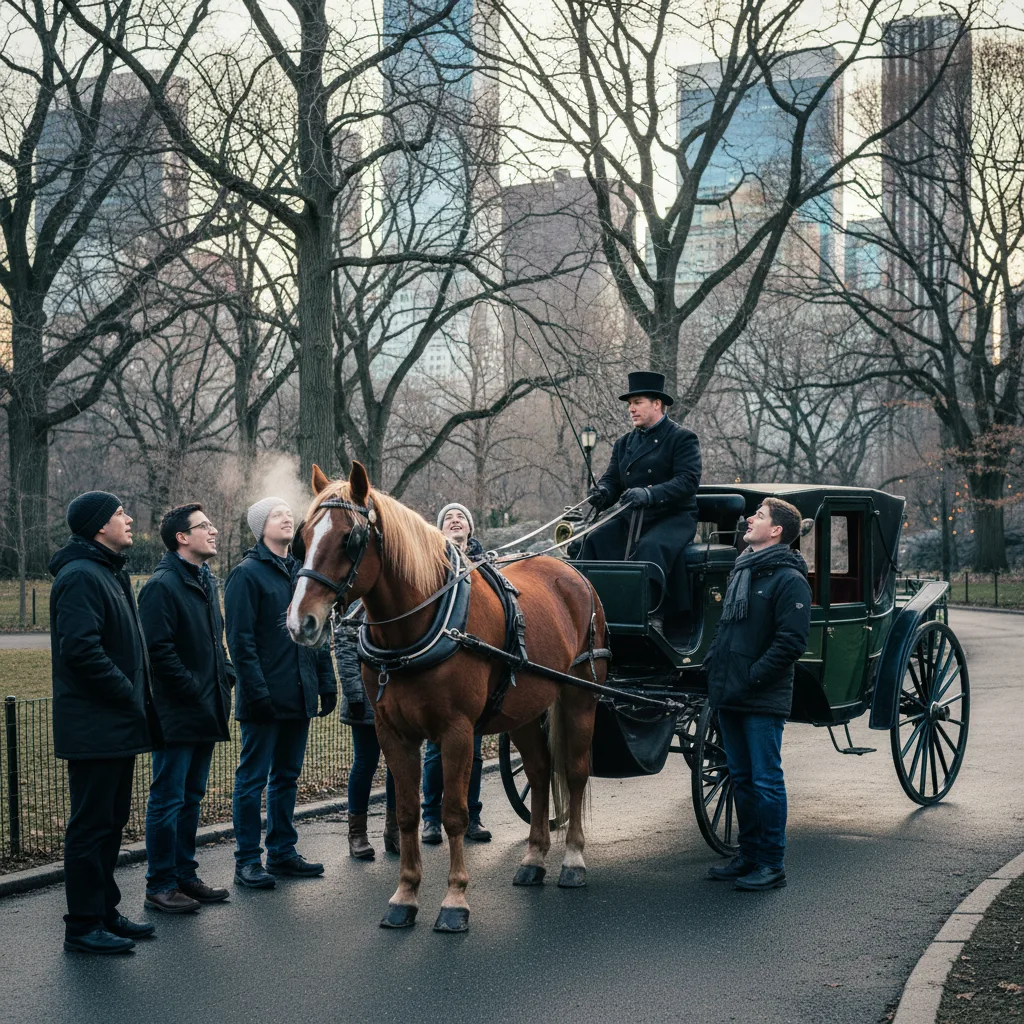
Mayor Mamdani's signature finalized a legislative process that saw the New York City Council vote to phase out the carriages earlier this fall. The ban directly impacts the operations around Central Park South and the adjacent routes, where horse carriages have been a familiar sight for visitors for generations. The law sets a clear deadline, giving operators time to transition.
The phase-out period is intended to allow for a smooth shift for the roughly 130 drivers and stable workers currently employed in the industry. Discussions have included potential retraining programs and alternative employment opportunities, such as positions in electric vehicle tourism, as previously explored by the Mayor's office. This move echoes previous city efforts to address the future of these workers, as highlighted in a recent NYC framework for horse carriage worker transition.
Controversy and Animal Welfare Concerns
The decision to ban horse carriages has been a contentious issue, dividing public opinion and drawing significant attention from animal rights activists. Opponents of the carriages have long argued that the urban environment, with its heavy traffic and pollution, is unsuitable for horses. They cite concerns about the animals' welfare, including housing conditions, working hours, and exposure to adverse weather conditions.
Activists frequently gathered near the entrances to Central Park, particularly around the West 59th Street and Fifth Avenue area, to protest the industry. These demonstrations often brought the issue to the forefront, pushing city officials to address the long-standing debate. Advocates for the ban celebrate the Mayor's decision as a victory for animal rights in New York City.
Economic Impact and Historic Tradition
While animal welfare groups commend the ban, carriage operators and their supporters express worries about the economic consequences for those whose livelihoods depend on the industry. The horse carriage business, which dates back to 1858 in Central Park, represents a significant part of the park's tourism economy and employs numerous individuals. For many operators, their work is not just a job but a family tradition passed down through generations.
The city's initiative aims to mitigate these economic dislocations through a proposed transition plan. This plan seeks to offer alternative employment options, potentially within the burgeoning electric tourism sector. This strategic move aligns with Mayor Mamdani's prior exploration of electric vehicles for Central Park tourism, suggesting a potential pathway for displaced workers.
A Future Without Horse Carriages
With the ban becoming effective in less than two years, Central Park will see a notable change to its visitor experience. The sight and sound of horse-drawn carriages have been synonymous with the park for over 160 years, offering a nostalgic charm for many tourists and residents. The upcoming absence of these carriages will mark a new chapter in the park's history, influencing how future generations experience its iconic pathways and landmarks.
The city's focus will now shift towards implementing the transition plan and ensuring that the ban is enforced smoothly by the June 1, 2028, deadline. This includes addressing the rehoming of the horses and the retraining of the drivers. The Central Park Conservancy, responsible for the park's operations and maintenance, will likely oversee changes to visitor services that traditionally included carriage rides.
Where the Sources Differ
No significant differences were reported among the primary sources regarding the Mayor's signing of the ban or its effective date.
What the Reports Don't Say
- The specific details of the financial aid or retraining programs for affected carriage drivers have not yet been fully outlined.
- The exact number of horses that will require rehoming or the organizations responsible for their placement after the ban are not specified.
- The city's comprehensive plan for alternative tourism experiences within Central Park following the ban's implementation remains to be fully detailed.
Sources
Compiled by the Central Park News Desk from the sources listed below with AI assistance.
Frequently Asked Questions
What is the primary reason for banning horse-drawn carriages in Central Park?
The primary reason for the ban is concern over animal welfare, with activists arguing that the urban environment and heavy traffic conditions are unsuitable for horses. Advocates have campaigned for years, citing issues related to the animals' living conditions, strenuous work, and exposure to pollution in New York City.
How will the ban affect the current horse carriage drivers?
The ban includes a transition period designed to assist current horse carriage drivers and stable workers. The city is exploring options for retraining programs and alternative employment, potentially within the growing electric vehicle tourism sector, as a way to mitigate the economic impact on their livelihoods.
When will the ban on horse-drawn carriages take full effect in Central Park?
The ban on horse-drawn carriages is officially scheduled to take full effect on June 1, 2028. This date provides a nearly two-year window for the city and current operators to manage the transition away from the traditional service.
The Central Park News Friday Briefing
Central Park news, events and park updates in your inbox every Friday. Free; unsubscribe in one click.
Sent every Friday. By subscribing, you agree to our Terms of Use and Privacy Policy.
Related Articles
More in Urban Policy & Development →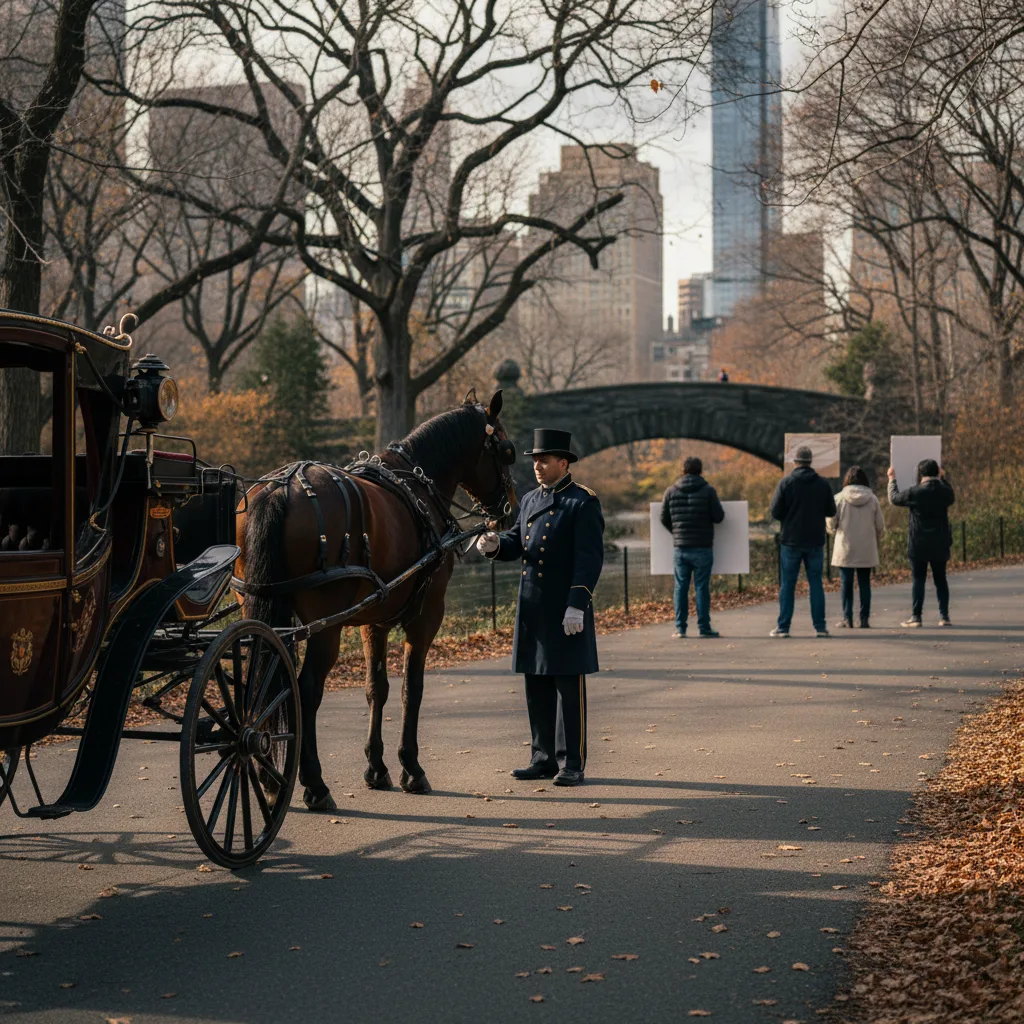
Mayor Mamdani Signs Horse Carriage Ban, Industry Sues City
Mayor Zohran Mamdani signed a bill into law Thursday that will phase out New York City's horse-drawn carriage industry, prompting an immediate lawsuit from carriage drivers.
NYC Carriage Drivers Sue City Over Horse-Drawn Carriage Ban
Central Park's horse-drawn carriage drivers filed a lawsuit against New York City on Thursday, November 19, 2026, challenging a new law banning their operations.
Mayor Mamdani Signs Law Phasing Out NYC Horse Carriages by 2028
Mayor Zohran Mamdani signed legislation on November 20, 2026, to phase out New York City's horse-drawn carriage industry by June 1, 2028.
Central Park Carriage Drivers Sue NYC Over Mamdani Ban
Central Park horse-drawn carriage drivers filed a federal lawsuit against New York City on November 20, 2026, challenging Mayor Zohran Mamdani's ban.

Mayor Mamdani Explores Electric Vehicles for Central Park Tourism
Mayor Zohran Mamdani is considering electric tourism vehicles for Central Park following the city's approval to end horse-carriage rides.

Central Park Flood Project Aims to Ease Harlem Flood Risks
A $35.7 million project in Central Park is underway to reduce flood risks in Harlem and East Harlem, diverting 132 million gallons of stormwater annually.