


Central Park Carriage Driver Sues City Over Horse's Death, Alleges Poisoning

NEW YORK — A Central Park carriage driver filed a lawsuit against the city this summer, alleging that his horse died from poisoning by a plant. The driver claims the city's negligence contributed to the animal's death, which occurred earlier this year, according to CBS News.
This legal action re-ignites long-standing debates surrounding the welfare of carriage horses in Central Park and the regulations governing their operations. The incident has drawn attention from animal rights activists and city officials alike.
Driver's Allegations Point to Environmental Hazard
The unnamed carriage driver's lawsuit asserts that a toxic plant found within Central Park was responsible for his horse's demise. This claim suggests a failure in park maintenance or oversight regarding potentially hazardous vegetation accessible to the working animals. The legal filing seeks to hold the city accountable for what the driver describes as preventable circumstances leading to his horse's death.
The presence of poisonous plants within Central Park is not unprecedented, and park authorities are typically vigilant about identifying and managing such risks. However, the lawsuit highlights a specific incident where these measures may have been insufficient to protect the animals operating within the park's confines.
Animal Welfare Debates Reignite in Central Park
The death of the carriage horse and the subsequent lawsuit have intensified scrutiny from animal welfare organizations. These groups have historically advocated for the permanent ban of horse-drawn carriages in Central Park, citing concerns over animal treatment, traffic hazards, and the urban environment's suitability for horses. This latest incident provides new fuel for their arguments.
The issue often sparks passionate debate between activists, who envision a future without horse-drawn carriages, and the carriage industry, which defends its traditions and economic contributions. The lawsuit brings the welfare of these working animals back into the public discourse, prompting renewed calls for reform or outright prohibition from groups advocating for animal rights.
City's Responsibility and Regulatory Framework
The lawsuit directly challenges the city's responsibility for maintaining a safe environment for Central Park's carriage horses. The city's Parks Department and health agencies play a role in monitoring park conditions and ensuring public safety, which extends to regulating commercial operations like the carriage industry. The legal proceedings will likely scrutinize the adequacy of existing regulations and enforcement.
New York City has a complex set of rules governing horse-drawn carriages, covering everything from veterinary care requirements to operational hours and routes. These regulations are designed to protect the horses and ensure public safety, but incidents like this prompt questions about their effectiveness and the need for potential revisions.
Potential Precedent for Future Carriage Operations
The outcome of this lawsuit could set a significant precedent for the future of Central Park's horse-drawn carriage industry. A ruling in favor of the driver, especially if it implicates park conditions, could lead to stricter regulations, increased liability for the city, or even renewed legislative efforts to ban the industry entirely. Conversely, if the city prevails, it could reinforce the current operational framework.
This legal battle unfolds against the backdrop of Central Park, a place where joggers run the Jacqueline Kennedy Onassis Reservoir loop and visitors enjoy the iconic Bethesda Terrace, often seeing the carriages as part of the park's traditional charm. The resolution will undoubtedly influence public perception and policy regarding these long-standing operations.
Frequently Asked Questions
What is the primary allegation in the Central Park carriage driver's lawsuit?
The carriage driver is primarily alleging that his horse died due to poisoning from a plant within Central Park and that the city was negligent in preventing this. The lawsuit seeks to establish the city's responsibility for maintaining a safe environment for the working animals.
How might this lawsuit impact the future of horse-drawn carriages in Central Park?
The lawsuit could lead to significant changes in regulations for horse-drawn carriages, potentially increasing the city's liability or reigniting calls for a ban on the industry. The outcome will likely influence both public opinion and policy decisions concerning this historic Central Park attraction.
Related Articles
More in Urban Policy & Development →
NYC DOT Advises Central Park Area Traffic Disruptions September 27
NYC DOT issued advisories for major traffic disruptions near Central Park on September 27, 2026, due to a parade and crane operations. Expect delays.

Davis Center at Harlem Meer Unveils State-of-the-Art Facilities
The new Davis Center at the Harlem Meer in Central Park's north end now features a state-of-the-art pool, ice rink, and multi-use turf field, enhancing community recreational options.
NYC City Record Confirms September 21, 2026, Publication Schedule
The NYC City Record confirmed its September 21, 2026, publication schedule, detailing administrative notices, procurement, and public hearings. This ensures transparency for municipal operations and public access to vital city information.
Fifth Avenue Traffic Shutdown September 19 for Steuben Parade
Fifth Avenue in Manhattan will shut down 19 streets on September 19, 2026, for the German-American Steuben Parade, causing major traffic disruptions. Plan alternate routes for this Upper East Side event.
NYPH Regenerative Metropolis Symposium 2026 Set for September 18
The NYPH Regenerative Metropolis Symposium 2026, focusing on sustainable urban development, will convene September 18 at 63 Fifth Avenue. This public event highlights NYC's commitment to climate resilience for residents.
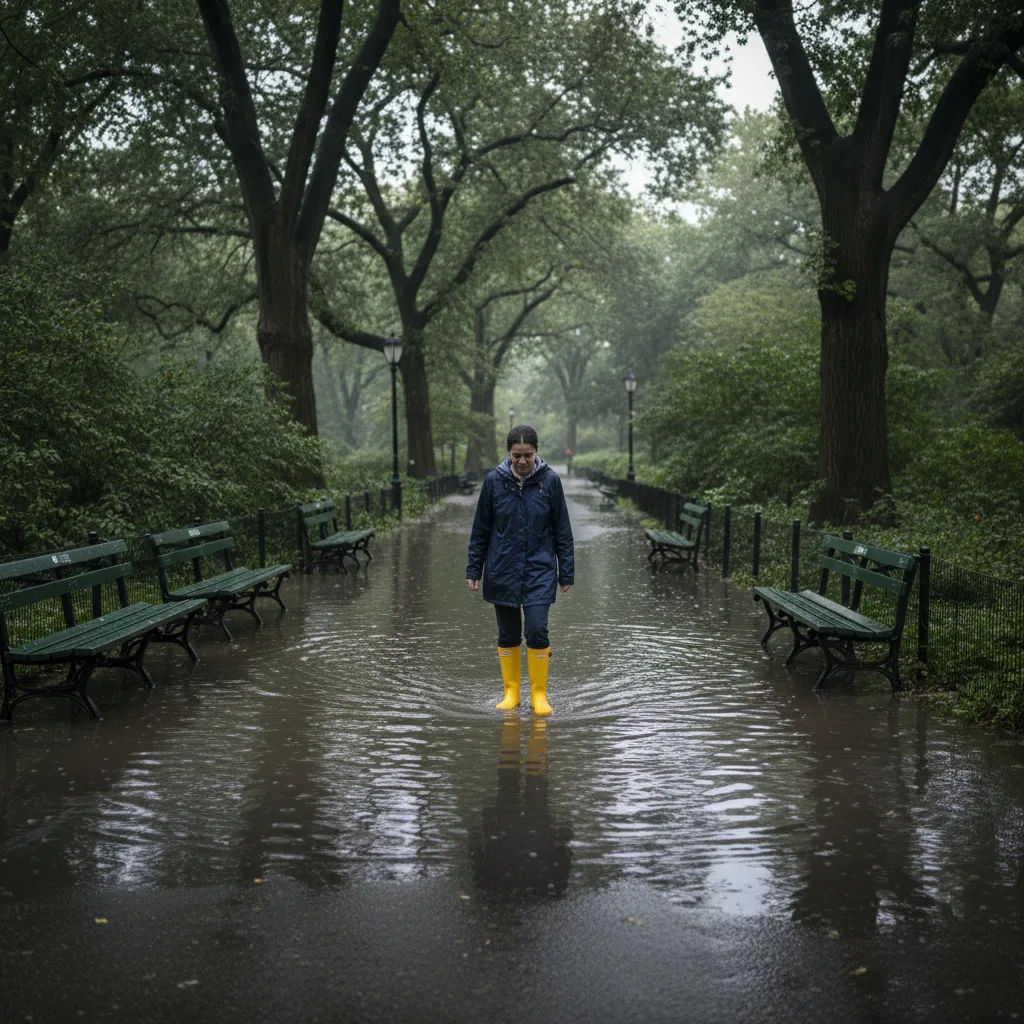
Central Park Experiences Climate Change Impacts, UN News Reports in September 2026
Central Park is experiencing heavier downpours, flooding, and heatwaves due to climate change, impacting its ecosystem and visitors, according to UN News.