


Central Park Experiences Climate Change Impacts, UN News Reports in September 2026

NEW YORK — Central Park, New York City’s iconic urban oasis, is experiencing increased pressures from climate change, including heavier downpours, severe flooding, and soil erosion, according to a September 2026 report by UN News. Prolonged heatwaves are also impacting the park’s delicate ecosystem and the comfort of its millions of visitors.
Ecosystem Adaptation to Extreme Weather
The UN News report highlights how Central Park's natural systems are struggling to adapt to rapidly changing weather patterns. Increased rainfall intensity leads to more significant stormwater runoff, overwhelming drainage systems and causing localized flooding. This persistent saturation contributes to soil erosion, particularly in vulnerable areas like the Ramble and wooded sections, threatening established plant life and pathways.
Heatwaves, which are becoming more frequent and intense, place additional stress on the park’s trees and plant species. The increased temperatures also make the park less comfortable and potentially hazardous for visitors, especially during peak summer months. These environmental shifts necessitate continuous monitoring and adaptive management strategies from the Central Park Conservancy.
Impact on Visitors and Park Infrastructure
The changes in climate directly affect the experience of Central Park's estimated 42 million annual visitors. Extreme heat can deter outdoor activities, reducing overall park usage during certain periods. Heavy downpours disrupt events, damage walking paths, and can make certain areas temporarily inaccessible. The safety of visitors becomes a paramount concern under these conditions.
Park infrastructure, including pathways, bridges, and drainage systems, also faces heightened wear and tear from these weather extremes. The Central Park Conservancy, responsible for the park's maintenance, must invest more resources into repairing and upgrading these systems to withstand future climate challenges. This directly impacts the Conservancy's budget and resource allocation.
The Role of Central Park in Urban Resilience
Despite the challenges, Central Park plays a crucial role in New York City's urban resilience efforts. Its extensive green spaces help mitigate the urban heat island effect, providing cooler temperatures compared to surrounding concrete areas. The park's trees and vegetation also absorb carbon dioxide and help manage stormwater runoff, offering natural environmental benefits to the city.
The park serves as a living laboratory for studying urban ecological responses to climate change. Scientists and park managers are continually observing these impacts to inform future conservation strategies not only for Central Park but also for other urban green spaces worldwide. This broader perspective emphasizes the park's significance beyond its immediate boundaries.
Conservancy's Ongoing Efforts and Future Strategies
The Central Park Conservancy is actively engaged in strategies to help the park adapt to these changing conditions. This includes implementing new planting schemes that favor drought-resistant or flood-tolerant species and enhancing drainage infrastructure. Educational programs also inform visitors about the impacts of climate change and how they can contribute to the park's preservation.
These proactive measures are part of a long-term commitment to ensure Central Park remains a vibrant and healthy green space for future generations. The challenges posed by climate change are complex and require sustained effort, continuous research, and community support. The Conservancy continues to publish updates on Central Park's ecosystem adaptation to these pressures.
Global Recognition of Urban Green Spaces
The attention from UN News underscores Central Park's global significance as a model for urban parks and a bellwether for climate change impacts in urban environments. The park, stretching from 59th Street to 110th Street between Fifth Avenue and Central Park West, is a recognized landmark. What happens here often informs conservation efforts and urban planning in other major cities around the world.
Understanding and addressing the climate-related vulnerabilities of Central Park is therefore not just a local issue, but one with international relevance. The ongoing efforts to protect and adapt the park provide valuable lessons for sustainable urban development. Its iconic status makes it a visible example of global environmental challenges.
Frequently Asked Questions
How is climate change affecting Central Park?
Central Park is experiencing several climate change impacts, including heavier downpours, increased flooding, and soil erosion. Additionally, prolonged heatwaves are stressing the park's ecosystem and affecting visitor comfort, as reported by UN News in September 2026.
What efforts is the Central Park Conservancy making to combat these impacts?
The Central Park Conservancy is implementing adaptive strategies such as planting drought-resistant or flood-tolerant species and upgrading drainage infrastructure. They also conduct educational programs to inform visitors about climate change and park preservation efforts.
Why is Central Park considered important for urban resilience?
Central Park contributes to urban resilience by mitigating the urban heat island effect, absorbing carbon dioxide, and managing stormwater runoff. It also serves as a crucial site for studying urban ecological responses to climate change, offering lessons for other cities globally.
Related Articles
More in Urban Policy & Development →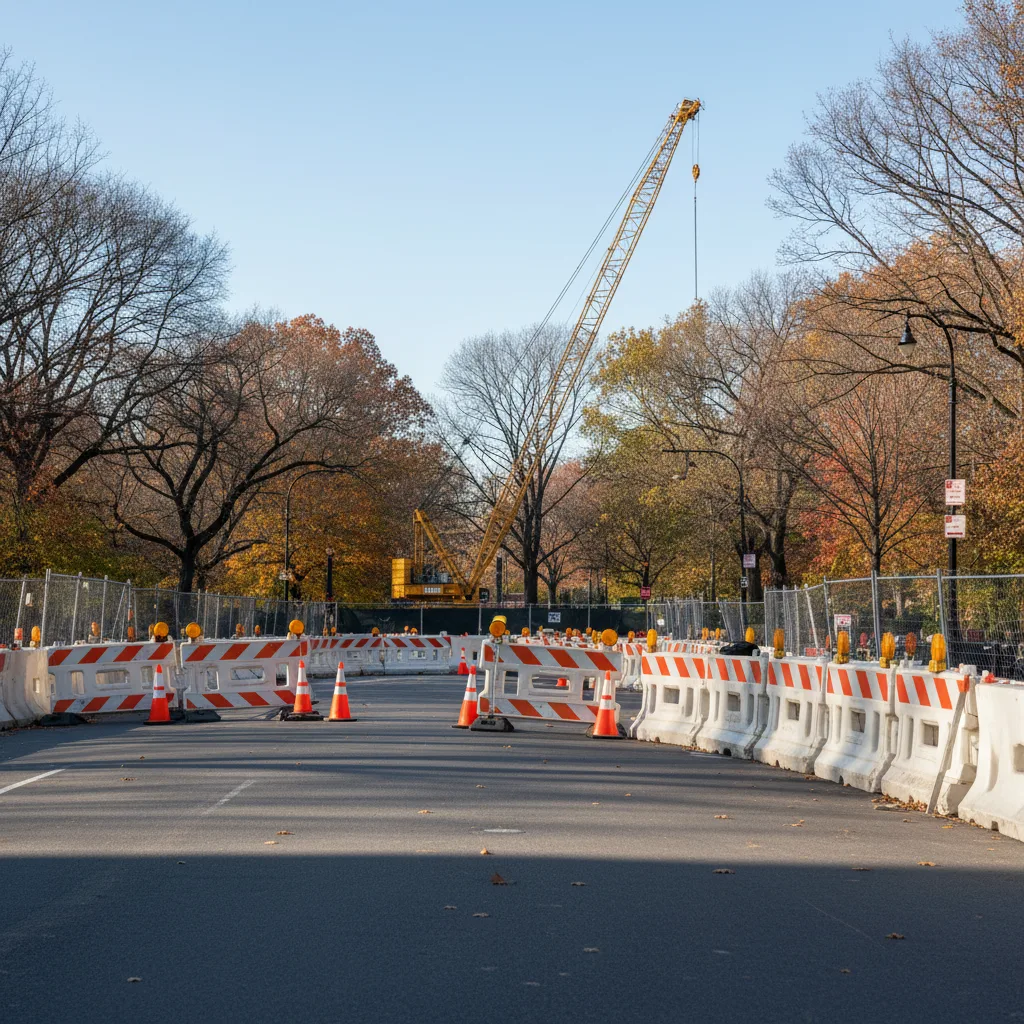
NYC DOT Advises Central Park Area Traffic Disruptions September 27
NYC DOT issued advisories for major traffic disruptions near Central Park on September 27, 2026, due to a parade and crane operations. Expect delays.

Davis Center at Harlem Meer Unveils State-of-the-Art Facilities
The new Davis Center at the Harlem Meer in Central Park's north end now features a state-of-the-art pool, ice rink, and multi-use turf field, enhancing community recreational options.
NYC City Record Confirms September 21, 2026, Publication Schedule
The NYC City Record confirmed its September 21, 2026, publication schedule, detailing administrative notices, procurement, and public hearings. This ensures transparency for municipal operations and public access to vital city information.
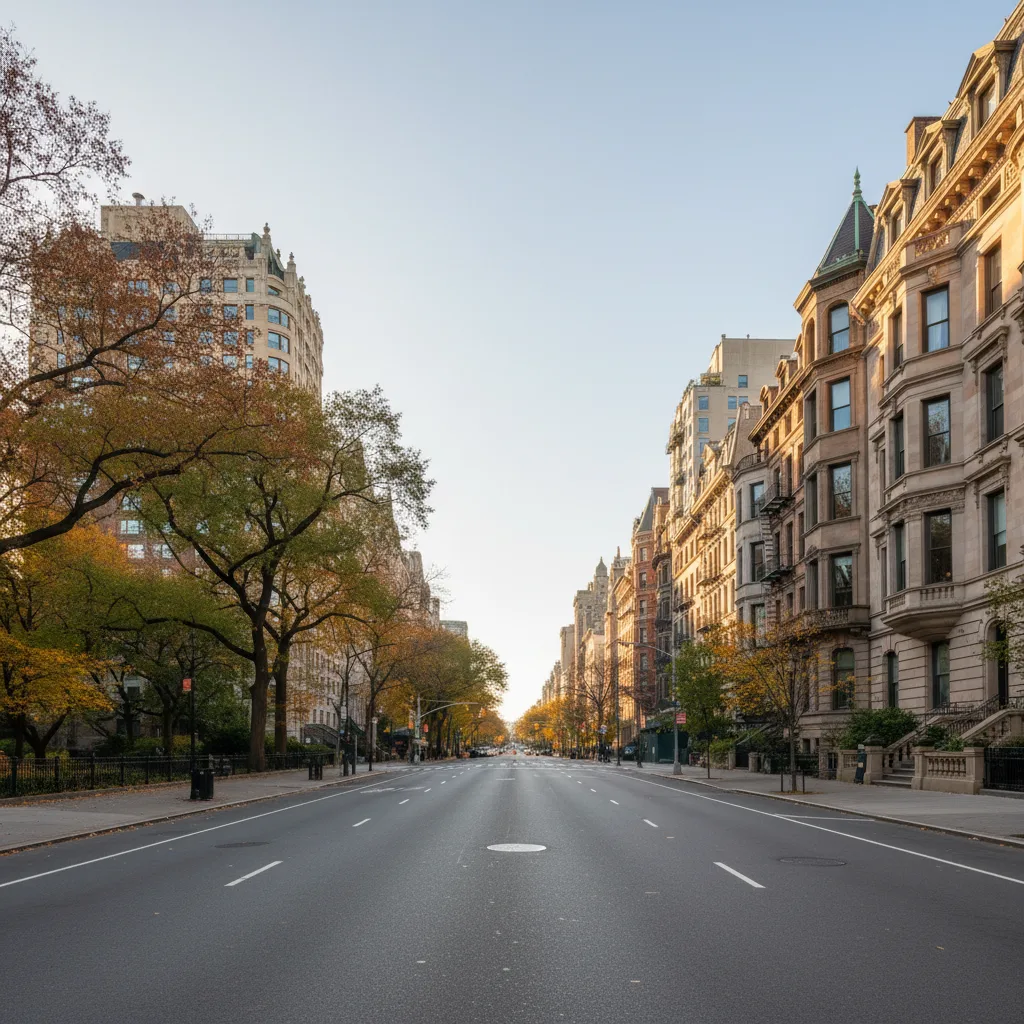
Fifth Avenue Traffic Shutdown September 19 for Steuben Parade
Fifth Avenue in Manhattan will shut down 19 streets on September 19, 2026, for the German-American Steuben Parade, causing major traffic disruptions. Plan alternate routes for this Upper East Side event.

Central Park Carriage Driver Sues City Over Horse's Death, Alleges Poisoning
A Central Park carriage driver is suing New York City, claiming his horse died from plant poisoning. This lawsuit raises concerns about animal welfare and park safety for residents.
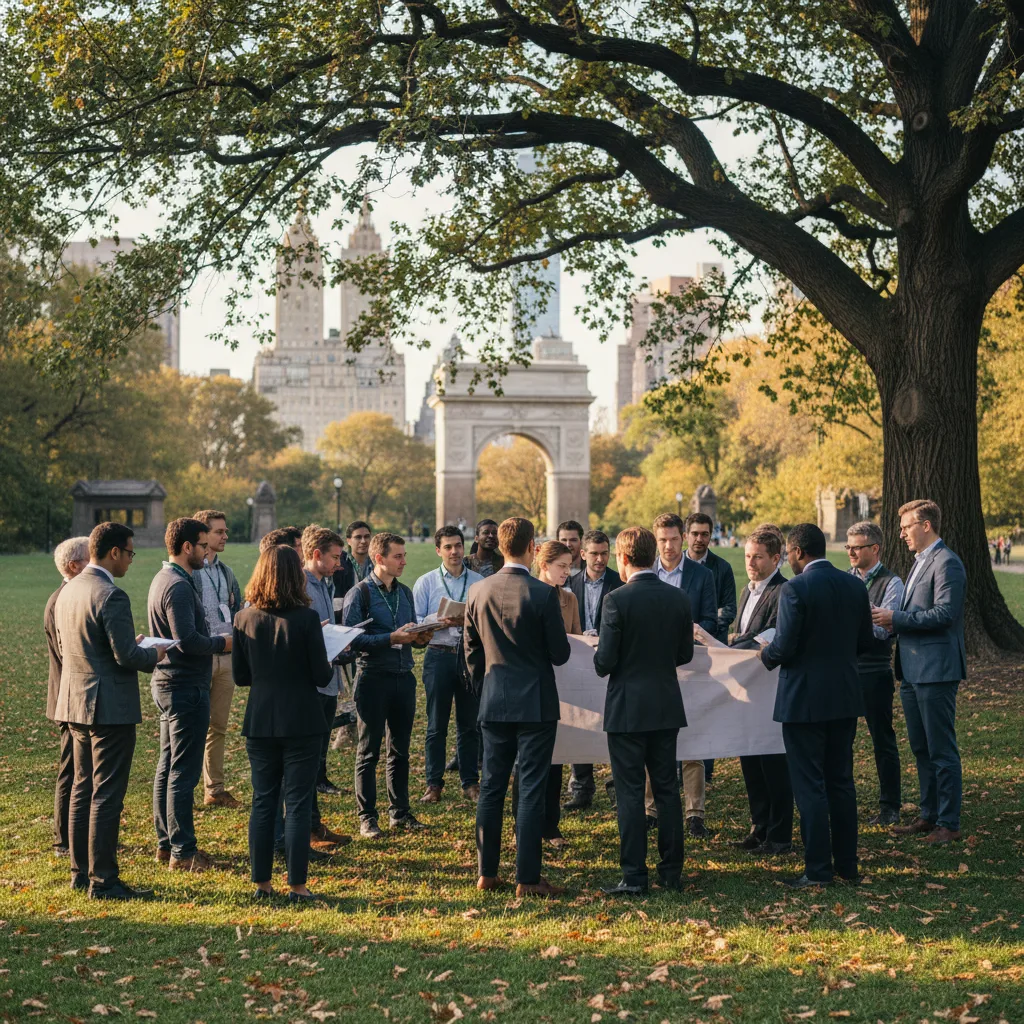
NYPH Regenerative Metropolis Symposium 2026 Set for September 18
The NYPH Regenerative Metropolis Symposium 2026, focusing on sustainable urban development, will convene September 18 at 63 Fifth Avenue. This public event highlights NYC's commitment to climate resilience for residents.