


Central Park's Ecosystem Adapting to Climate Change Pressures 2026
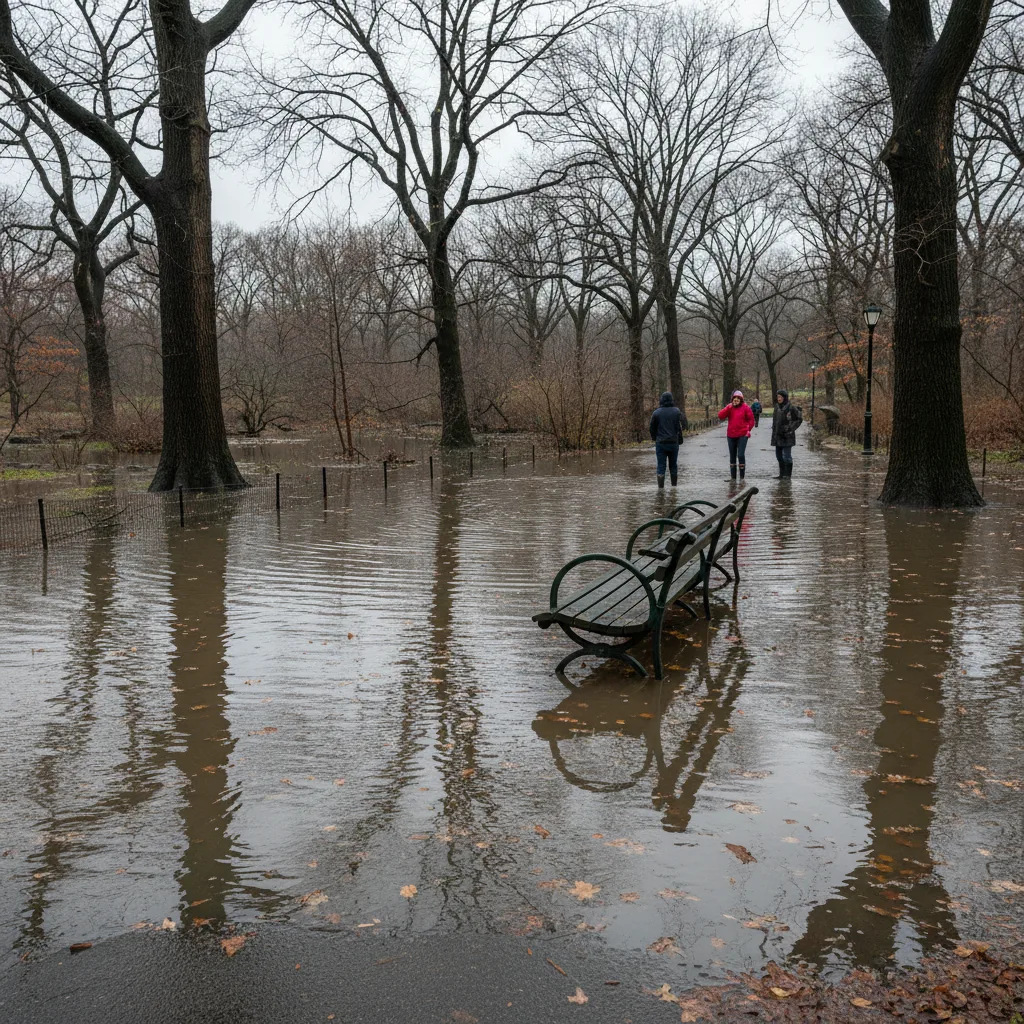
NEW YORK — New York's Central Park, a globally recognized landmark, is adapting to significant pressures from climate change, including heavier downpours and prolonged heatwaves, according to a report by UN News. These environmental shifts are impacting the park's ecosystem and posing challenges for visitor experience. Flooding and soil erosion are becoming more common issues for the park's horticultural teams.
Verified Climate Impacts on Central Park
The United Nations report highlights increased instances of extreme weather events directly affecting Central Park. Heavier rainfall events contribute to significant flooding in low-lying areas, overwhelming existing drainage systems. This leads to accelerated soil erosion, particularly in vulnerable areas like The Ramble and around the Reservoir, impacting plant life and pathways.
Simultaneously, extended periods of high temperatures are stressing the park's diverse tree canopy and other vegetation. Heatwaves not only affect the health of the ecosystem but also pose a health risk to visitors, as the park becomes less effective as an urban heat island mitigator. The Central Park Conservancy's Director of Horticulture noted the need for adaptive planting strategies.
Managing Water Runoff and Erosion Control
To combat the effects of increased downpours, the Central Park Conservancy is implementing new strategies for water management and erosion control. These include upgrading drainage infrastructure and employing natural solutions like rain gardens and permeable surfaces to absorb excess water. Such efforts aim to protect the park's historic landscape and prevent further degradation of trails and planting beds.
The Conservancy's teams are also focusing on soil stabilization techniques, particularly in sloped areas prone to erosion. These measures are crucial for preserving the integrity of paths, particularly in areas like the Bethesda Terrace, and maintaining the habitat for local wildlife. Investment in sustainable landscaping practices is a key part of their long-term operational plan, as detailed in reports regarding Central Park Park Operations & Maintenance.
Adapting to Prolonged Heatwaves
Addressing prolonged heatwaves involves a multi-faceted approach, including selecting heat-tolerant plant species and enhancing irrigation systems. The Conservancy is also focusing on maintaining and expanding the park's tree canopy, which provides crucial shade and helps mitigate urban heat island effects. This strategy benefits both the ecosystem and park visitors seeking respite from the summer sun.
Furthermore, the park's water bodies, such as the Lake and the Harlem Meer, play a role in moderating local temperatures, although they too are affected by higher evaporation rates. Educational programs are also being developed to inform visitors about staying safe during hot weather, advising them to utilize shaded areas like The Mall and stay hydrated. The impact of such conditions is regularly monitored, as noted in recent Central Park Weather & Health updates.
Long-Term Climate Resilience Strategies
The Central Park Conservancy is actively integrating climate resilience into its long-term planning, working to ensure the park's sustainability for future generations. This includes detailed ecological studies and partnerships with environmental scientists to understand and predict future climate impacts. The goal is to create a more resilient park that can withstand changing environmental conditions while continuing to serve as a vital green lung for New York City.
These strategies involve careful selection of plant palettes, focusing on native species that are naturally adapted to local conditions and more resistant to pests and diseases exacerbated by climate change. The Conservancy’s approach recognizes Central Park not just as a recreational space, but as a living laboratory for urban ecological resilience. This forward-thinking approach is critical for the park’s continued health and its role in New York City’s environmental strategy.
Public Awareness and Engagement
Engaging the public in understanding climate change impacts on Central Park is another key component of the Conservancy's efforts. Educational signage and guided tours highlight climate adaptation initiatives, encouraging visitors to become stewards of the park. The Conservancy also provides resources on how individuals can contribute to environmental sustainability efforts, both within and outside the park.
Visitor awareness is particularly important for mitigating human impacts on vulnerable areas, such as avoiding off-path routes that can worsen soil erosion. By fostering a sense of shared responsibility, the Conservancy aims to enlist the community in preserving Central Park’s natural beauty and ecological health. The official Central Park visit guide offers additional information on how visitors can minimize their environmental footprint.
Frequently Asked Questions
How do heavier downpours specifically affect Central Park's infrastructure?
Heavier downpours lead to increased stormwater runoff, which can overload the park's drainage systems and contribute to localized flooding. This excessive water flow can also cause significant soil erosion, particularly on slopes and along water features like the Lake and the Reservoir. Erosion damages pathways, exposes tree roots, and can impact the stability of certain structures within the park, necessitating costly repairs and maintenance.
What can visitors do to help Central Park cope with climate change impacts?
Visitors can help by staying on marked paths to prevent soil erosion, especially during and after heavy rains. Conserving water, disposing of waste properly, and supporting the Central Park Conservancy’s climate initiatives through volunteering or donations also contribute. Learning about the park's ecosystems and understanding the challenges it faces can also foster a greater sense of stewardship.
What types of plants are being introduced to help the park adapt to changing temperatures?
The Central Park Conservancy is focusing on introducing plant species that are more resilient to the anticipated effects of climate change, such as drought-tolerant plants that can withstand prolonged heatwaves and native species better adapted to variable conditions. This includes diverse tree species for an enhanced canopy, and shrubs and groundcovers that can help with water absorption and soil stabilization, ensuring ecological diversity and resilience.
Related Articles
More in Urban Policy & Development →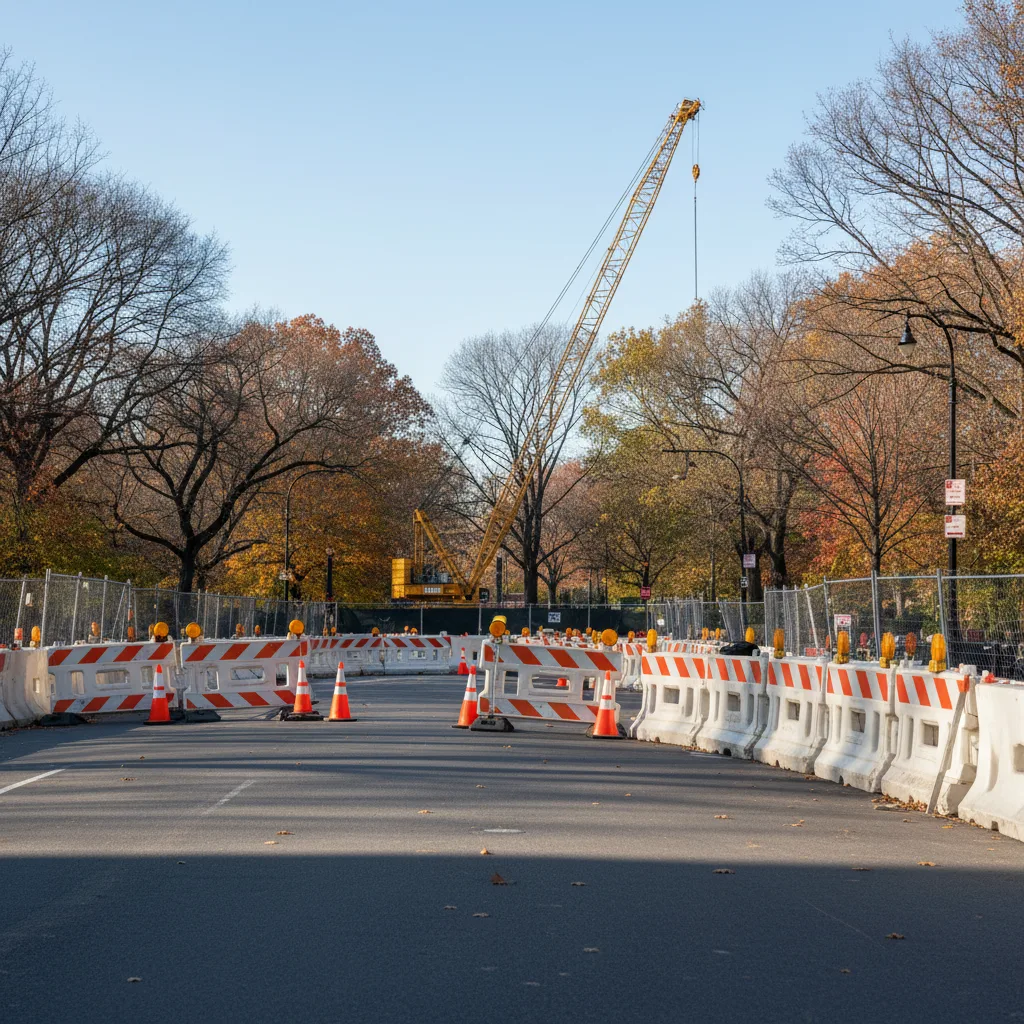
NYC DOT Advises Central Park Area Traffic Disruptions September 27
NYC DOT issued advisories for major traffic disruptions near Central Park on September 27, 2026, due to a parade and crane operations. Expect delays.
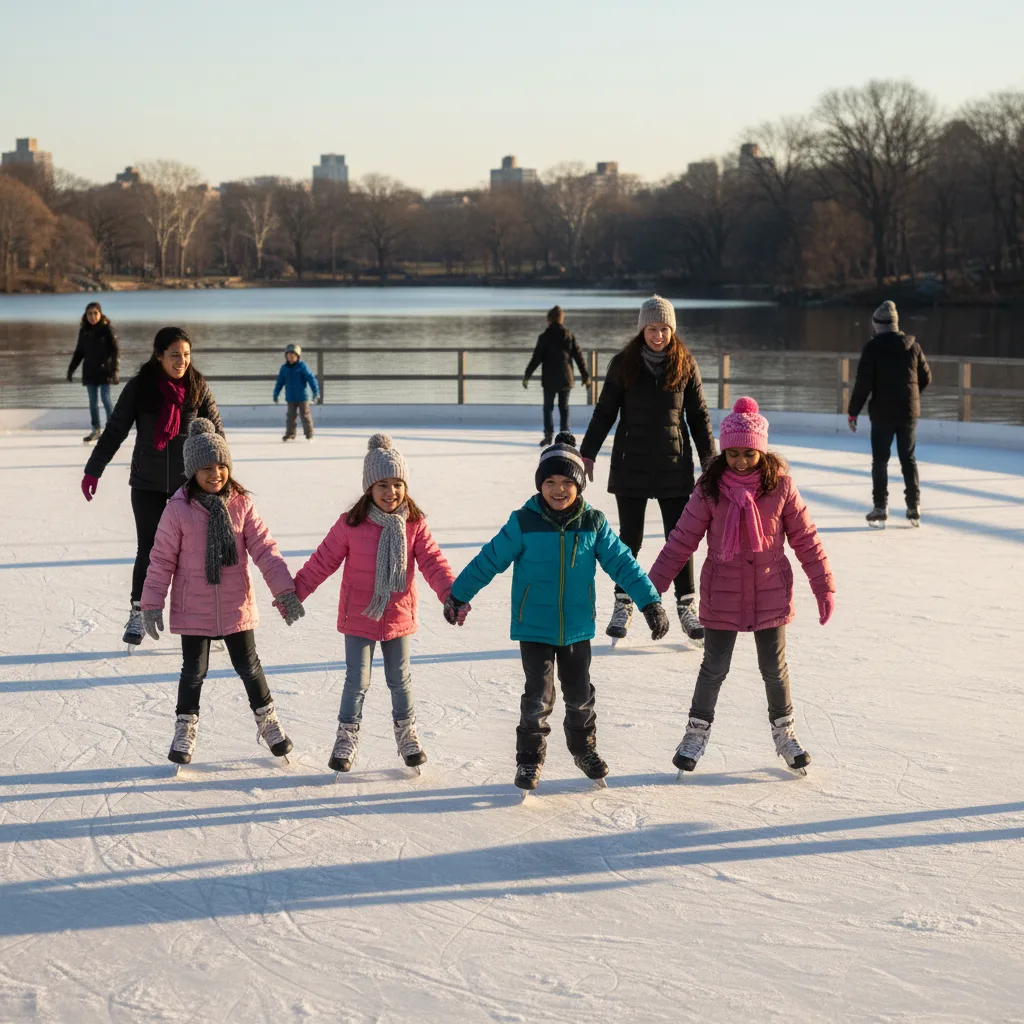
Davis Center at Harlem Meer Unveils State-of-the-Art Facilities
The new Davis Center at the Harlem Meer in Central Park's north end now features a state-of-the-art pool, ice rink, and multi-use turf field, enhancing community recreational options.
NYC City Record Confirms September 21, 2026, Publication Schedule
The NYC City Record confirmed its September 21, 2026, publication schedule, detailing administrative notices, procurement, and public hearings. This ensures transparency for municipal operations and public access to vital city information.
Fifth Avenue Traffic Shutdown September 19 for Steuben Parade
Fifth Avenue in Manhattan will shut down 19 streets on September 19, 2026, for the German-American Steuben Parade, causing major traffic disruptions. Plan alternate routes for this Upper East Side event.

Central Park Carriage Driver Sues City Over Horse's Death, Alleges Poisoning
A Central Park carriage driver is suing New York City, claiming his horse died from plant poisoning. This lawsuit raises concerns about animal welfare and park safety for residents.
NYPH Regenerative Metropolis Symposium 2026 Set for September 18
The NYPH Regenerative Metropolis Symposium 2026, focusing on sustainable urban development, will convene September 18 at 63 Fifth Avenue. This public event highlights NYC's commitment to climate resilience for residents.