


Central Park Conservancy Plans Extensive 2026 Programs to Honor Seneca Village Legacy
The Central Park Conservancy has announced ambitious plans for 2026 to further commemorate and educate the public about Seneca Village, a significant pre-Central Park community. These initiatives, particularly highlighted for Black History Month in 2026, aim to bring renewed attention to the lives and historical contributions of the free Black residents and Irish immigrants who once thrived on this land.
For many New Yorkers, the narrative of Central Park begins with its picturesque landscapes and recreational offerings. However, beneath its carefully sculpted beauty lies a profound history, notably that of Seneca Village. This robust community, established in 1825, was home to a vibrant population of primarily African American landowners, many of whom owned significant property and held political influence, enjoying a quality of life rare for Black New Yorkers of their era. The village boasted churches, a school, and a cemetery, serving as a stable and prosperous enclave in what was then rural Manhattan. Its forced displacement in the 1850s, through eminent domain, to make way for Central Park, represents a crucial yet often overlooked chapter in New York City's development and the broader history of racial injustice in America. The Conservancy's commitment in 2026 will ensure that this vital story reaches a wider audience.
Historical Significance and Displacement of Seneca Village
Seneca Village's establishment predates the formal planning of Central Park by several decades, serving as a testament to self-sufficiency and community building by marginalized groups. At its peak, the village housed approximately 225 residents, including more than 50 African American property owners. Owning land in New York City during this period was particularly significant, as it granted African American men the right to vote. This made Seneca Village a powerful, enfranchised community, contrasting sharply with the systemic disenfranchisement faced by Black citizens elsewhere. The residents were forcibly removed between 1853 and 1857, their homes and churches demolished, to clear the land for the creation of Central Park. This act of displacement, while legal at the time, erased a thriving community and its tangible legacy for over a century, until archaeological efforts and historical research began to unearth its story.
Scope of the 2026 Commemorative Programs
Looking ahead to 2026, the Central Park Conservancy intends to broaden its educational outreach significantly. Planned programs will include enhanced guided tours of the former village site, leveraging recent archaeological findings and historical documents to bring the community's past to life. These tours will provide visitors with a deeper understanding of the villagers' daily lives, their societal contributions, and the impact of their forced removal. Furthermore, the Conservancy plans to develop advanced digital models and interactive exhibits, potentially utilizing virtual reality or augmented reality technologies, allowing a more immersive experience for those who cannot visit in person. Educational materials will be distributed to schools and community centers, particularly during Black History Month, to ensure that Seneca Village's legacy is integrated into broader historical curricula. These initiatives underscore the Conservancy's dedication to presenting a complete and nuanced history of Central Park.
Key Points:
- Central Park Conservancy to launch extensive programs in 2026.
- Focus on commemorating Seneca Village, a free Black community displaced for Central Park.
- Initiatives timed with Black History Month in 2026.
- Programs will include enhanced tours, digital models, and educational resources.
- Aims to highlight the significant, often-overlooked history of a thriving 19th-century community.
Related Articles
More in Arts & Culture →
Central Park Film Festival Returns October 6-9, 2026
Central Park's Film Festival returns October 6-9, 2026, offering free outdoor cinematic experiences. This annual event attracts thousands, enhancing the city's cultural landscape. Plan your visit now.
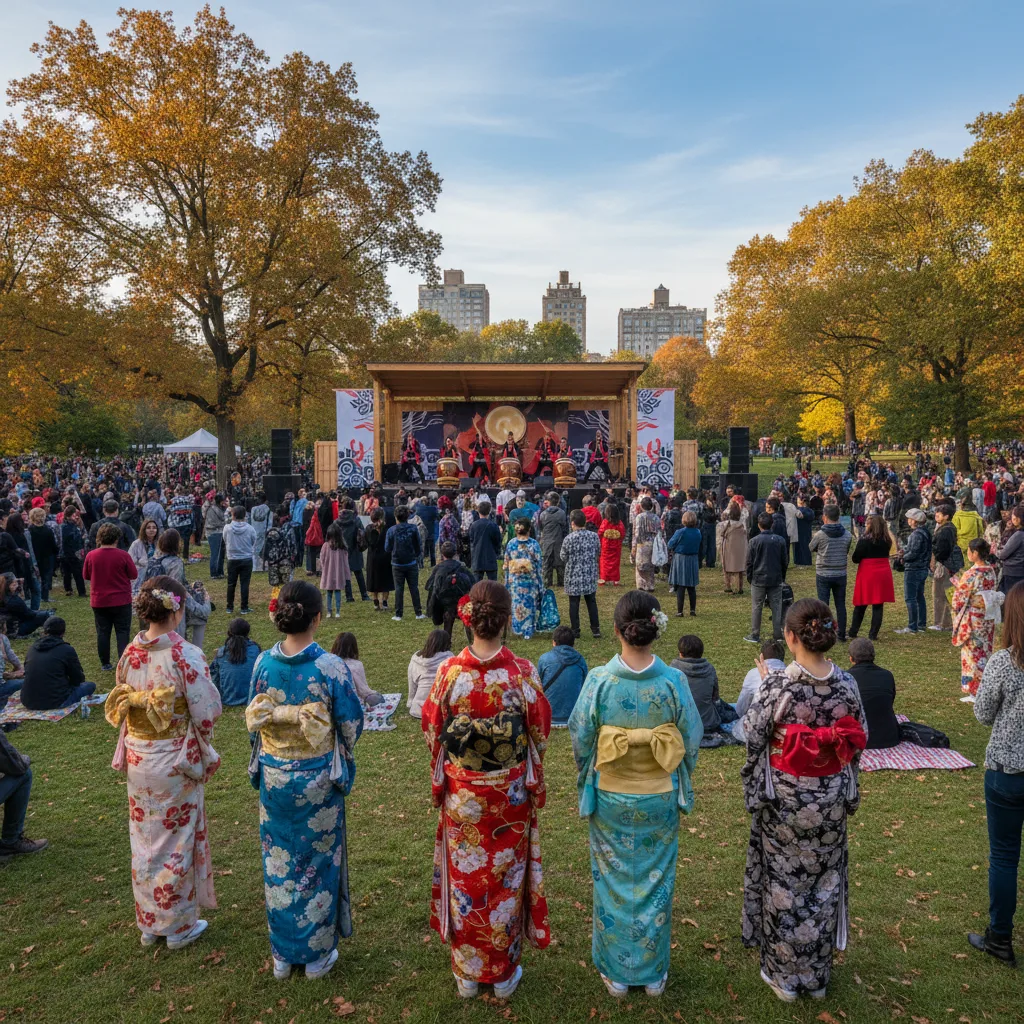
Central Park Hosts October 3 Japanese Buddhist Fall Festival
Central Park will host a Japanese Buddhist Fall Festival on October 3, 2026, alongside the Madison Avenue Fall Gallery Walk. This offers New Yorkers diverse cultural experiences and celebrates global traditions.
Arsenal Gallery Unveils "New Dendrology" Art Exhibition in Central Park
Central Park's Arsenal Gallery presents "New Dendrology," a group exhibition exploring trees and human connection through art. It runs 9 a.m. to 5 p.m. daily.
Central Park: A Historical Overview from 1858 to Present Day
Central Park, created in 1858 to meet NYC's recreational needs, now attracts 42 million annual visitors, many unaware of its deep history.
New York Swings with Josh Lee & The Family September 30, 2026
Josh Lee and The Family will present “New York Swings” on September 30, 2026, featuring Lindy Hop and live swing-era jazz music. Experience vintage jazz and dance in the heart of NYC.
Central Park Conservancy Hosts Seneca Village Tours September 27
Central Park Conservancy hosted Seneca Village Tours on September 27, 2026, exploring the history of the pre-park African-American community from West 82nd to 89th Street.