


Central Park Conservancy Urges Citywide Car Ban in Parks
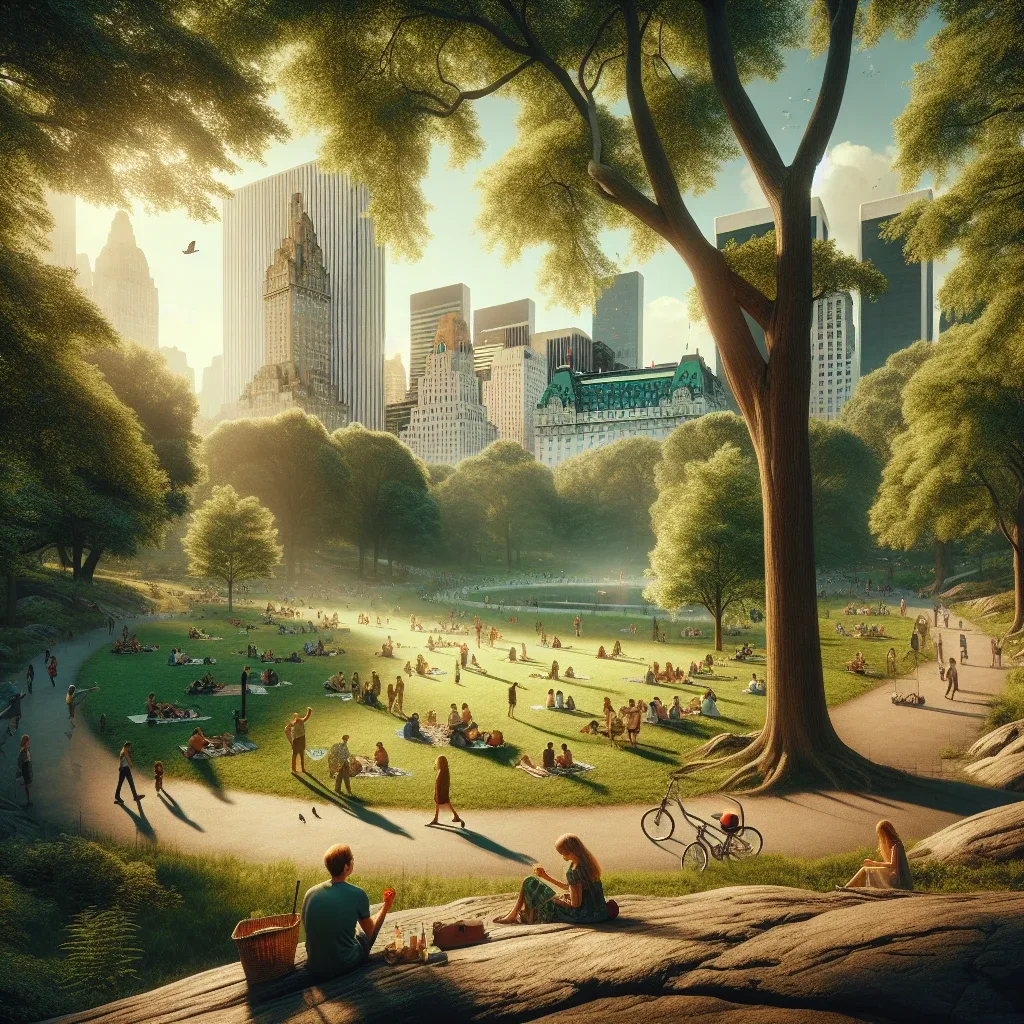
NEW YORK — The Central Park Conservancy officially called for a citywide ban on private vehicles in all New York City parks, setting an ambitious target date of March 31, 2026. This push aims to enhance safety, improve air quality, and reclaim green spaces for pedestrian and recreational use across the five boroughs.
The Conservancy’s stance, detailed in a recent press release, aligns with growing public demand for car-free environments within urban green havens. They argue that the presence of vehicles diminishes the primary purpose of parks as sanctuaries from city life.
Decades of Debate on Park Access
The debate over vehicular access in New York City parks has spanned decades, with various administrations implementing partial or temporary bans. Central Park itself has seen a progressive reduction in car traffic, culminating in significant restrictions on its scenic drives during peak hours and weekends.
Regina Campbell, President and CEO of the Central Park Conservancy, spoke about the initiative's broader implications. "Our parks are vital urban lungs, and allowing cars through them contradicts their fundamental purpose," Campbell stated emphatically in a recent interview. "We believe a full citywide ban by March 2026 is not only achievable but essential for the health and well-being of all New Yorkers."
Environmental and Safety Benefits Outlined
The Conservancy's proposal highlights several key benefits expected from a comprehensive car ban. Reduced vehicle emissions would lead to improved air quality within park boundaries, directly benefiting visitors and local ecosystems.
Furthermore, the elimination of traffic would significantly enhance pedestrian safety, particularly for children and elderly individuals using park pathways. Data from the New York City Department of Transportation (DOT) shows that even with current restrictions, vehicle-related incidents occasionally occur on park roads.
Economic and Community Impact Projections
Critics of a full ban often cite concerns about accessibility for commuters or local businesses that rely on through-traffic. However, the Conservancy suggests that enhanced public transportation options and designated drop-off points could mitigate these challenges.
The organization points to successful car-free initiatives in other major global cities, where parks have become even greater community hubs. A study commissioned by the Conservancy indicated a potential 15% increase in park visitors during off-peak hours if all vehicular traffic were removed.
City Council Responds to Conservancy's Call
Members of the New York City Council have begun reviewing the Conservancy's formal request and corresponding policy recommendations. Councilwoman Marisol Rodriguez, representing a district adjacent to Central Park, acknowledged the community's varied opinions.
"The Conservancy's proposal is bold and merits serious consideration," Rodriguez told reporters last week. "We must balance public safety and environmental goals with the practical needs of residents and the city's infrastructure. Our committee will hold public hearings starting in late April 2026."
March 2026 Events: Defrosting in Central Park
While the car ban discussion continues, Central Park is bustling with activities this March 2026. Visitors can enjoy a series of events designed to celebrate the arrival of spring and "defrost" from winter's chill. These include guided nature walks, birdwatching tours, and family-friendly workshops near the Harlem Meer.
According to the Central Park Conservancy press information, these events are designed to showcase the park's vibrant life. The Conservancy is particularly promoting its new interpretive programs focused on sustainable park use and ecological awareness throughout the month.
What are the arguments for a citywide car ban in parks?
Advocates, including the Central Park Conservancy, argue that banning cars would significantly improve air quality, reduce noise pollution, and increase safety for pedestrians and cyclists. They contend that parks should prioritize green space and recreation over vehicular thoroughfares, creating healthier environments for both nature and people. Removing cars also opens up more space for community activities and quiet enjoyment of nature.
How would a car ban affect accessibility for residents?
Concerns about accessibility are frequently raised, especially for individuals with mobility challenges or those who rely on vehicles for commuting. Proponents suggest implementing robust alternative transportation solutions, such as expanded shuttle services within parks, improved public transit connections, and designated accessible drop-off zones, to ensure that everyone can still access and enjoy the parks conveniently. The Conservancy proposes dedicated routes for emergency vehicles and essential park maintenance operations.
What is the timeline for this proposed ban?
As announced by the Central Park Conservancy, the ambitious target date for a citywide car ban in all New York City parks is March 31, 2026. This timeline anticipates a period of policy debate, public hearings, and the development of necessary logistical infrastructure. The New York City Council is expected to deliberate on the proposal and gather community feedback throughout 2026.
Related Articles
More in Urban Policy & Development →
NYC Mayor Mamdani Booed at Union Square October 7 Vigil
Mayor Mamdani faced boos and protests at a Union Square vigil Thursday marking the Oct. 7 attacks, highlighting deep community divisions in NYC.
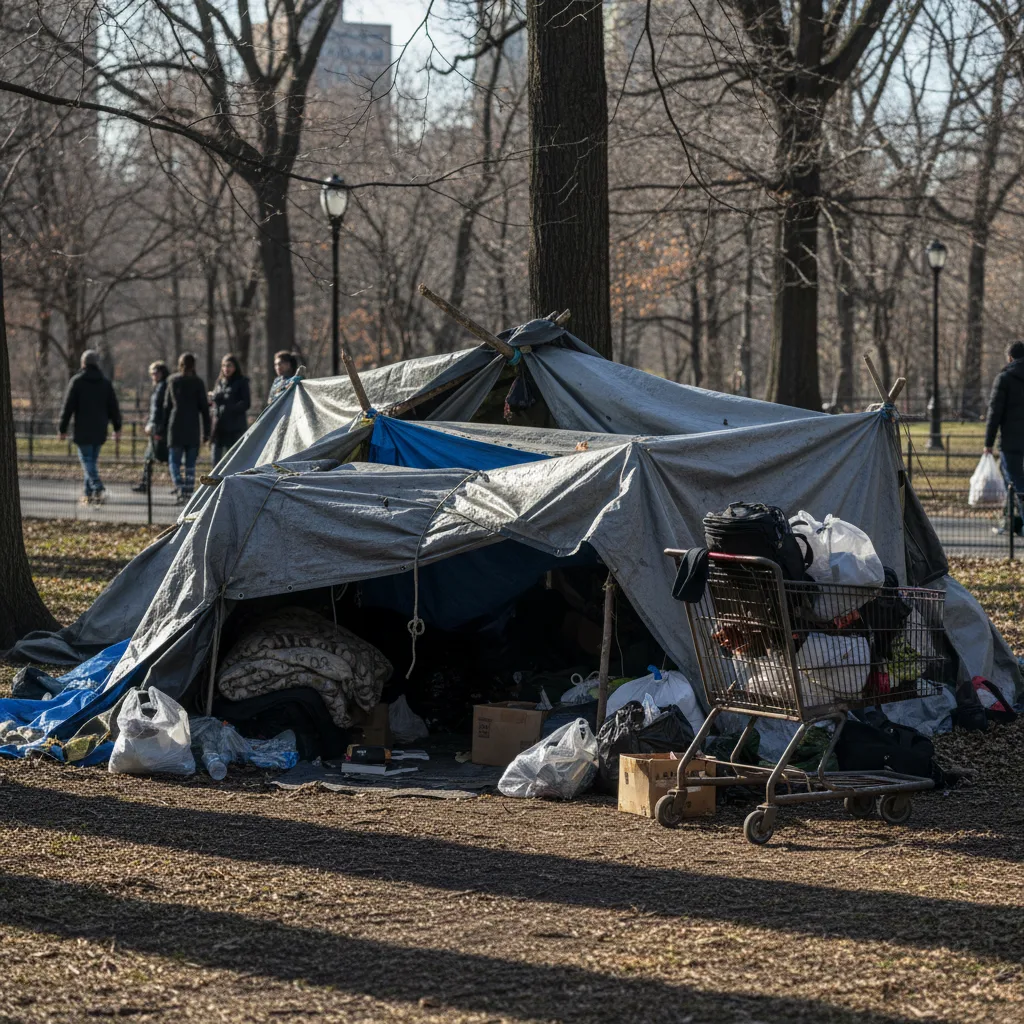
NYC Homeless Encampments Spotted Across Manhattan, Raising Concerns
Multiple homeless encampments have been spotted across Manhattan, raising significant concerns about urban policy and public safety. City officials are under pressure to address the growing homelessness crisis.
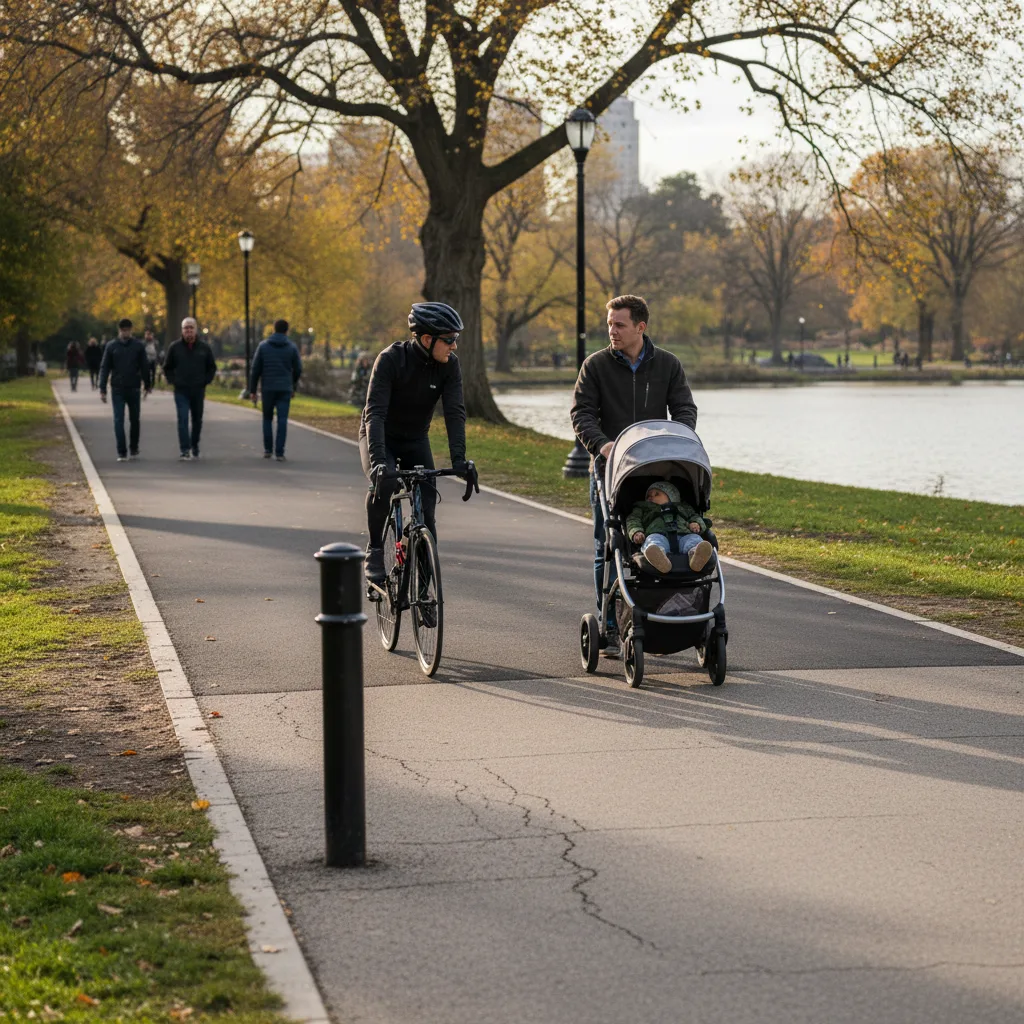
Safety Advocate Blames Park Redesign for Rising Central Park Cyclist Crashes
Safety advocates blame recent Central Park redesigns for a pedestrian's death and rising cyclist crashes, calling for urgent review of infrastructure.
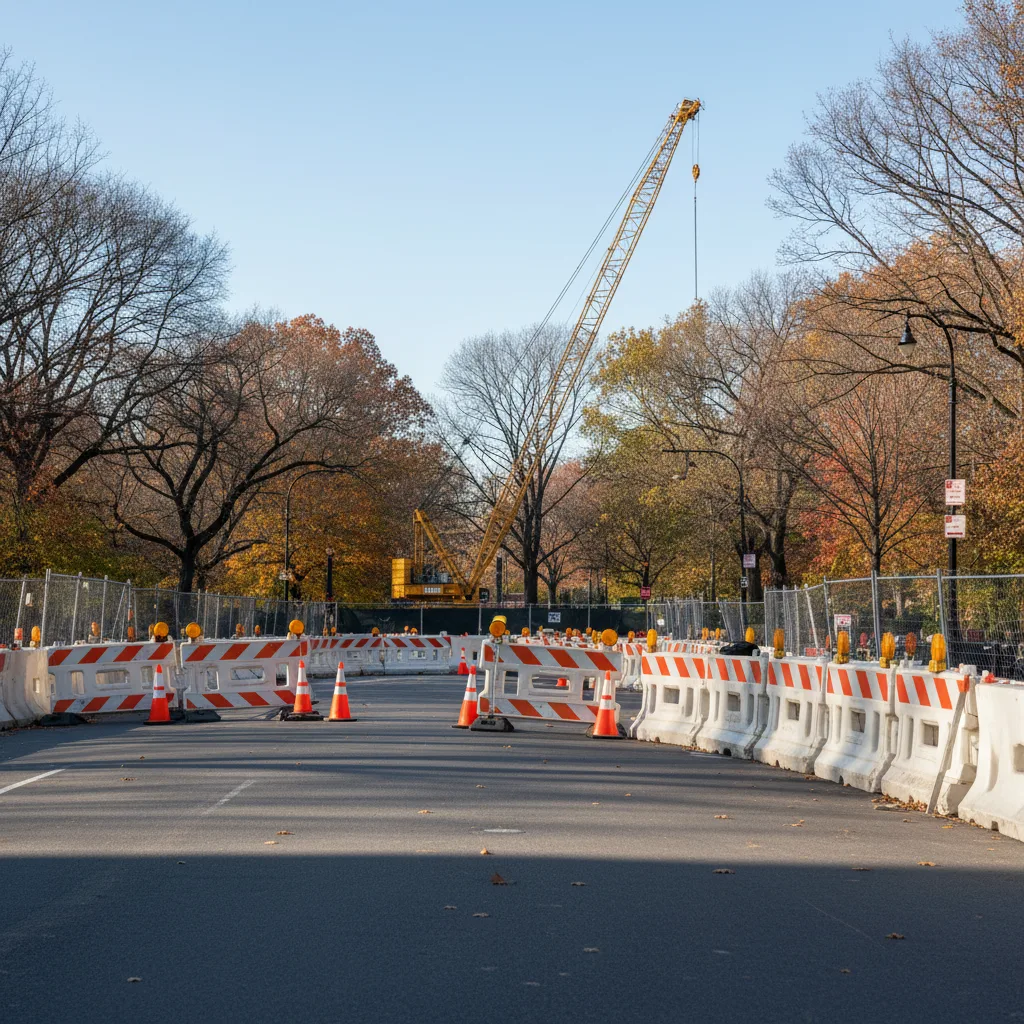
NYC DOT Advises Central Park Area Traffic Disruptions September 27
NYC DOT issued advisories for major traffic disruptions near Central Park on September 27, 2026, due to a parade and crane operations. Expect delays.

Davis Center at Harlem Meer Unveils State-of-the-Art Facilities
The new Davis Center at the Harlem Meer in Central Park's north end now features a state-of-the-art pool, ice rink, and multi-use turf field, enhancing community recreational options.
NYC City Record Confirms September 21, 2026, Publication Schedule
The NYC City Record confirmed its September 21, 2026, publication schedule, detailing administrative notices, procurement, and public hearings. This ensures transparency for municipal operations and public access to vital city information.