


NYC Parks Proposal Targets E-Bike, Scooter Use in Central Park

NEW YORK — The New York City Department of Parks & Recreation has initiated a public review period for a proposed rule change that would significantly restrict or outright ban the use of e-bikes and electric scooters within Central Park and other city parks. The move comes amid increasing concerns over pedestrian safety and the ecological impact of these devices in designated green spaces.
The proposal, announced on April 22, 2026, aims to clarify existing regulations that largely predate the widespread adoption of electric personal mobility devices. City officials emphasize the need to maintain the park's tranquil environment and protect the high volume of foot traffic, particularly in areas like the Mall and near the Conservatory Water.
Safety Concerns Drive Proposed Regulations
The primary driver behind the proposed ban is a surge in reported accidents and near-misses involving e-bikes and scooters. Data from the NYPD's 20th Precinct, which patrols a significant portion of Central Park, indicates a 35% increase in pedestrian-device collisions over the past year. Many of these incidents occurred on pathways not designed for high-speed two-wheeled vehicles.
"Our parks are first and foremost for relaxation and recreation, not high-speed transit," stated NYC Parks Commissioner Sue Donoghue at a press conference outside the Arsenal building on April 24, 2026. "This proposal seeks to restore the balance, ensuring everyone can enjoy our green spaces safely, especially the many families and children who frequent these areas."
Public Reaction and Accessibility Debates
The proposal has ignited a spirited debate among park users, accessibility advocates, and delivery workers who rely on e-bikes for their livelihoods. While many pedestrians welcome the prospect of safer pathways, others argue that a blanket ban could disproportionately affect individuals with mobility challenges and those who use e-bikes as their primary mode of transportation.
Public hearings are scheduled for late May and early June, allowing residents to voice their opinions directly to the Parks Department. Representatives from several advocacy groups, including Wheels for All NYC, have expressed concerns that alternative solutions, such as designated lanes or speed limits, should be explored before resorting to an outright prohibition. More details on the discussion can be found on Central Park news articles.
Enforcement Challenges and Economic Impact
Enforcing a comprehensive ban across all 843 acres of Central Park, and other city parks, would present significant operational challenges for park rangers and the NYPD. Past attempts to enforce bicycle speed limits have met with limited success. The proposed regulations also raise questions about potential economic impacts on food delivery services, many of which rely on e-bikes for efficient transit within and around the park.
The Parks Department is exploring various enforcement strategies, including increased patrols, public awareness campaigns, and potential partnerships with delivery companies to encourage compliance. Fines for violations are expected to be substantial, mirroring existing penalties for unauthorized vehicle use in park areas, potentially starting at $150 for a first offense.
The New Davis Center: A Different Kind of Park Development
In related news, progress continues on the new Davis Center at the Harlem Meer, a project aimed at enhancing community access and environmental education in the northern section of Central Park. The center, slated for a grand opening in late 2026, will serve as a year-round hub, offering recreational programs, educational workshops, and a much-needed facility for visitors near the Charles A. Dana Discovery Center.
This development, funded primarily through private donations and grants, represents a significant investment in the park's northern reaches. It contrasts with the regulatory discussions, focusing instead on positive development for park engagement. The building, designed with sustainable materials, will also house updated facilities for ice skating and boating, providing a modern amenity for the diverse communities surrounding the Meer.
Frequently Asked Questions About Park Regulations
Many residents are asking about the timeline for these proposed e-bike and scooter regulations. The public comment period is expected to conclude by mid-June 2026, with a final decision anticipated by late summer. Another common query revolves around the definition of an "e-bike" under the new rules, which will likely distinguish between pedal-assist bicycles and those with throttles capable of higher speeds. Cyclists are often curious about alternatives for commuting; the city encourages the use of dedicated bike lanes on surrounding streets rather than park paths. Concerns about existing exemptions for accessibility devices are also being addressed, with officials clarifying that medical mobility scooters and wheelchairs would not be affected. For more general information on Central Park news and updates, check the official Central Park website.
Related Articles
More in Urban Policy & Development →
NYC Mayor Mamdani Booed at Union Square October 7 Vigil
Mayor Mamdani faced boos and protests at a Union Square vigil Thursday marking the Oct. 7 attacks, highlighting deep community divisions in NYC.
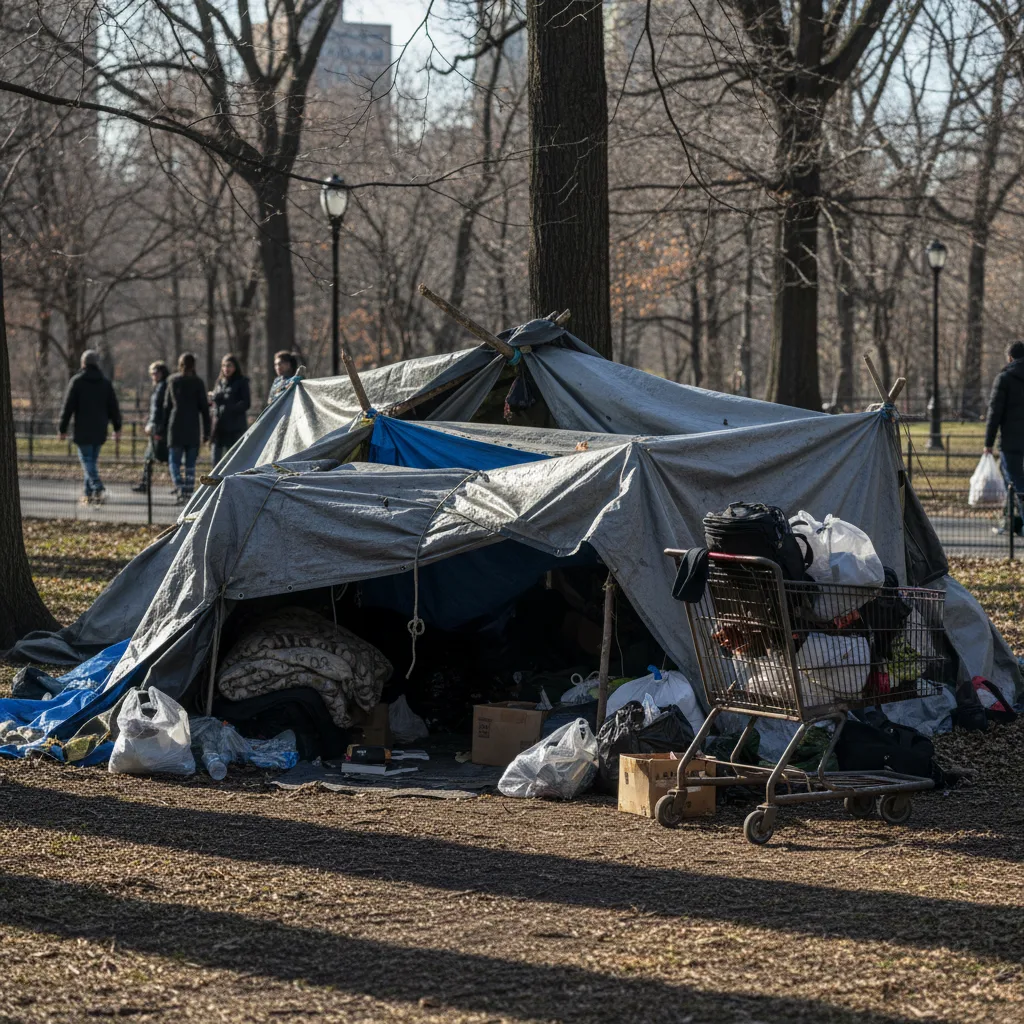
NYC Homeless Encampments Spotted Across Manhattan, Raising Concerns
Multiple homeless encampments have been spotted across Manhattan, raising significant concerns about urban policy and public safety. City officials are under pressure to address the growing homelessness crisis.
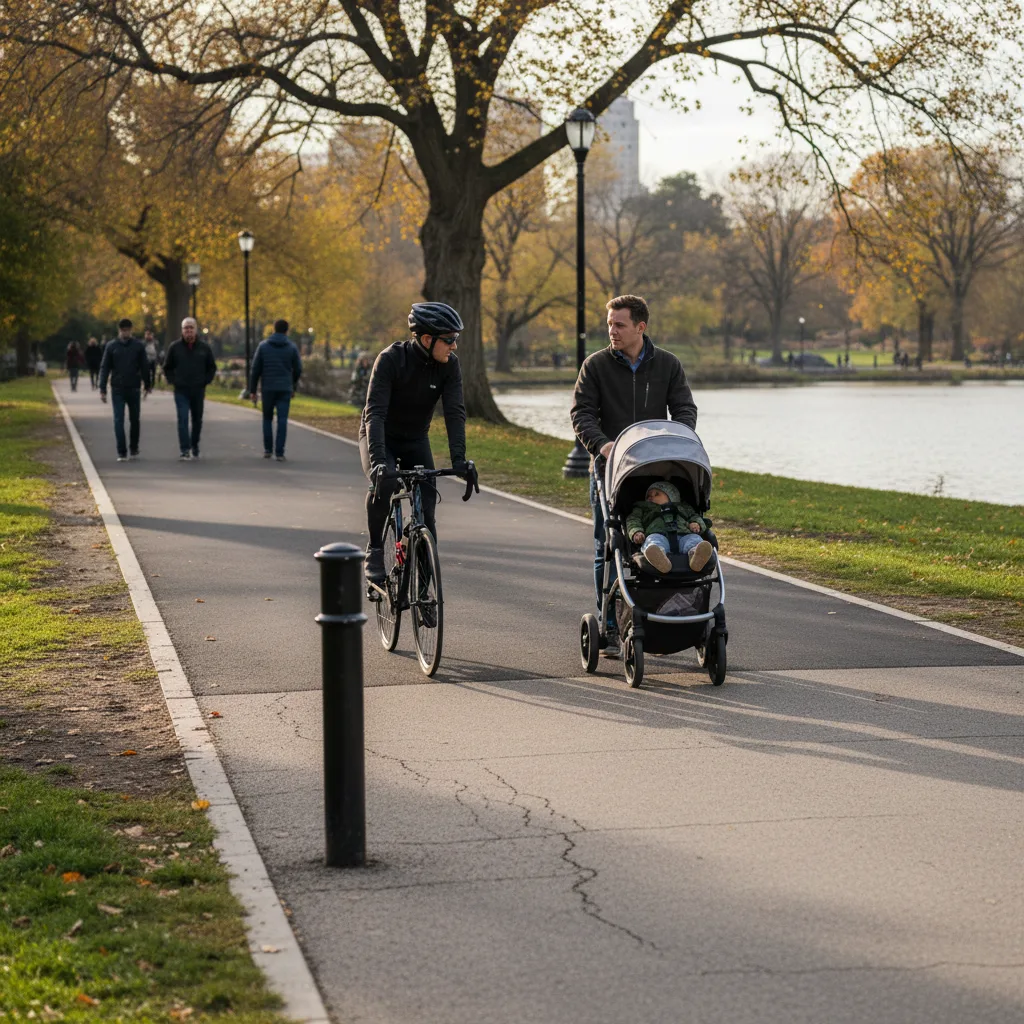
Safety Advocate Blames Park Redesign for Rising Central Park Cyclist Crashes
Safety advocates blame recent Central Park redesigns for a pedestrian's death and rising cyclist crashes, calling for urgent review of infrastructure.
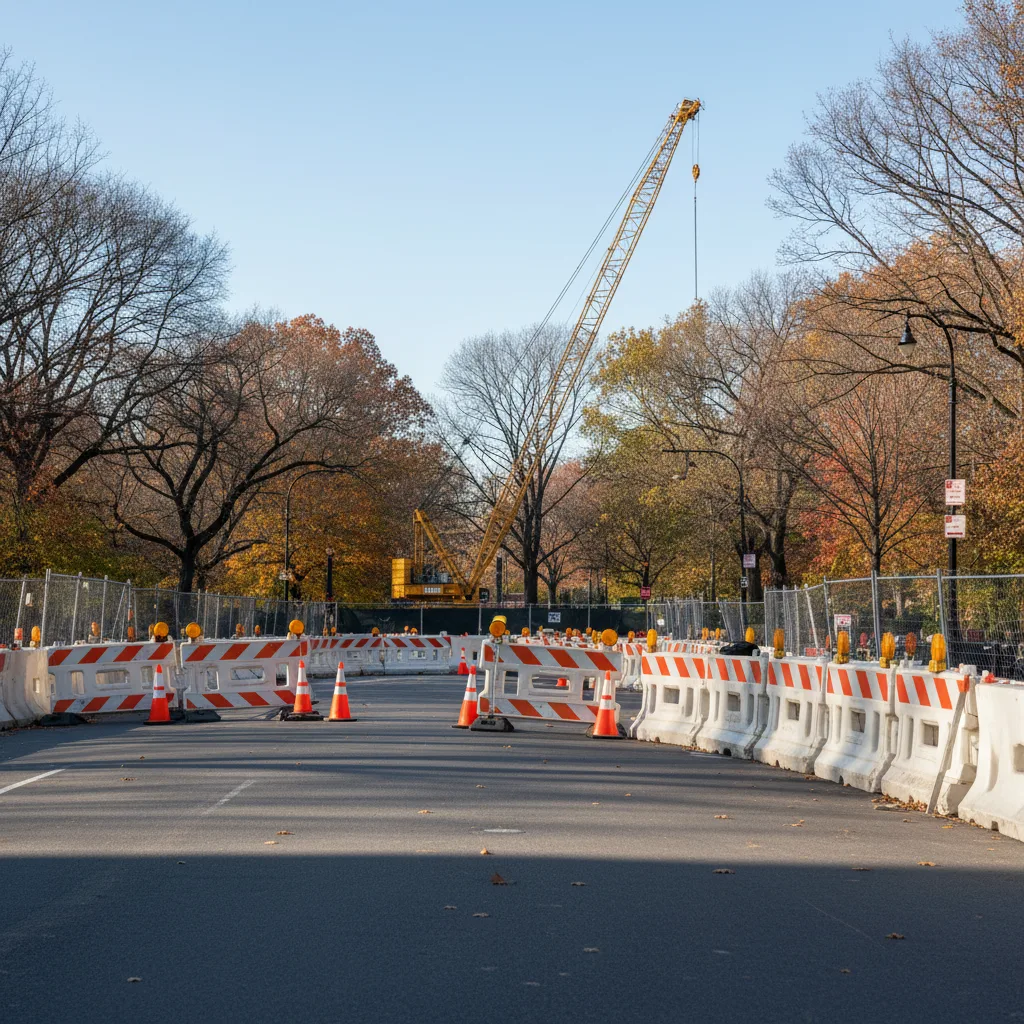
NYC DOT Advises Central Park Area Traffic Disruptions September 27
NYC DOT issued advisories for major traffic disruptions near Central Park on September 27, 2026, due to a parade and crane operations. Expect delays.
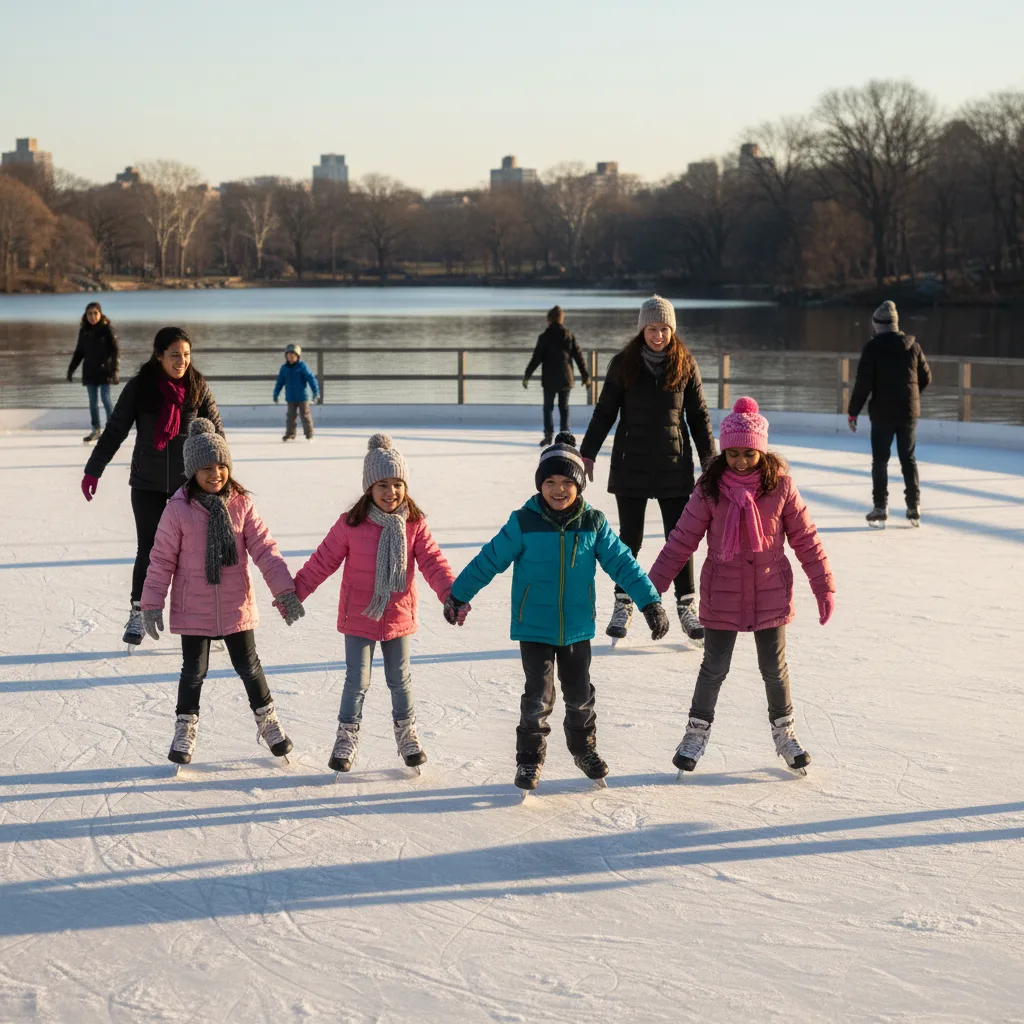
Davis Center at Harlem Meer Unveils State-of-the-Art Facilities
The new Davis Center at the Harlem Meer in Central Park's north end now features a state-of-the-art pool, ice rink, and multi-use turf field, enhancing community recreational options.
NYC City Record Confirms September 21, 2026, Publication Schedule
The NYC City Record confirmed its September 21, 2026, publication schedule, detailing administrative notices, procurement, and public hearings. This ensures transparency for municipal operations and public access to vital city information.