


Central Park Conservancy Details 2026 Preservation Efforts, Public Access
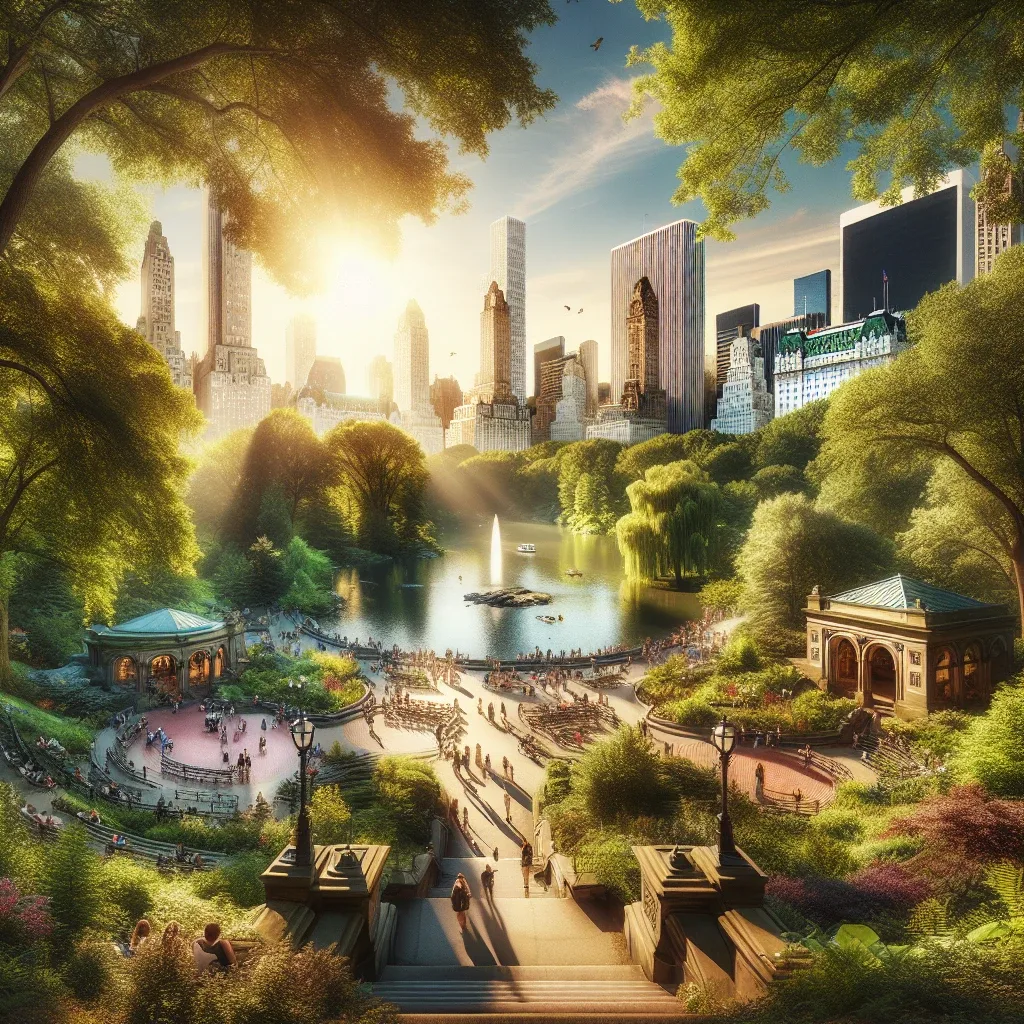
NEW YORK — "Our mission is not just to maintain Central Park, but to preserve its ecological integrity and ensure its vitality for every New Yorker and visitor, today and for generations to come," stated Elizabeth Green, President and CEO of the Central Park Conservancy. Her remarks underscored the organization's unwavering commitment to the 843-acre urban oasis.
In a recent annual report released in February 2026, the Conservancy detailed its comprehensive strategies for horticultural care, historical preservation, and public engagement for the upcoming year. These efforts are crucial in managing one of the world's most iconic and heavily trafficked urban green spaces.
Sustaining Central Park's Ecological Health
The Central Park Conservancy's 2026 initiatives include a robust focus on ecological restoration and sustainable landscape management. A key project involves the ongoing rehabilitation of the North Woods, a 40-acre forested area that provides crucial habitat for diverse wildlife and offers a tranquil escape from the bustling city.
This year's budget allocates $7 million specifically for ecological projects, including invasive species removal, native plant restoration, and stream bank stabilization within the North Woods and The Ramble. These efforts aim to enhance biodiversity and improve water quality within the park's delicate ecosystems, confirmed Dr. Eleanor Vance, the Conservancy's Chief Landscape Architect.
"Maintaining Central Park's natural areas requires continuous, intensive work, informed by scientific research and horticultural expertise," Dr. Vance told a gathering at the Charles A. Dana Discovery Center. "Our goal is to create resilient landscapes that thrive amidst urban pressures and climate change challenges." More information on the Conservancy's extensive work can be found in their online magazine articles.
Historical Preservation and Architectural Stewardship
Beyond natural landscapes, the Conservancy is also responsible for the preservation of Central Park's numerous architectural elements, including its 36 bridges and arches, monuments, and iconic structures like Bethesda Terrace and the Naumburg Bandshell. For 2026, a $3.5 million budget has been earmarked for specific historical restoration projects.
This includes the delicate cleaning and repair of several historical statues, such as the grand Angel of the Waters sculpture at Bethesda Fountain, and the ongoing structural assessment of the Dairy Visitor Center. The goal is to safeguard the original design and artistic vision of park creators Frederick Law Olmsted and Calvert Vaux.
"Every brick, every carved detail tells a story of New York's past," explained Michael Chang, Director of Historical Preservation. "Our work ensures these stories continue to be told accurately and beautifully for future generations." For a deeper dive into the park's rich history, refer to Central Park historical information.
Enhancing Public Access and Visitor Experience
Recognizing that Central Park serves millions of visitors annually, the Conservancy is dedicated to ensuring equitable access and an enriching experience for all. In 2026, efforts include improving accessibility ramps, maintaining over 150 miles of pathways, and providing comprehensive visitor services.
Approximately 1,500 volunteer hours are dedicated each week to various park-keeping tasks, from gardening to greeting visitors, supplementing the work of over 300 paid staff members. This combined effort ensures that areas like the Conservatory Garden are impeccably maintained and that park-goers feel welcomed and informed.
"Central Park truly belongs to everyone, and our role is to facilitate that connection," Green reiterated. "We strive to make every visit memorable, whether someone is enjoying a quiet moment by The Reservoir or attending a vibrant event on the Great Lawn." The sights of meticulously manicured flowerbeds near the Pond, vibrant even in early spring, silently attest to the relentless dedication of these caretakers.
Community Engagement and Philanthropy
The Conservancy operates as a public-private partnership, raising 75% of Central Park’s annual operating budget. This reliance on philanthropy highlights the vital role of individual donors and corporate sponsors in sustaining the park’s excellence.
Throughout 2026, various fundraising events and membership drives are planned to support these extensive efforts. The Conservancy also actively engages the community through educational programs, public tours, and volunteer opportunities, fostering a sense of shared stewardship.
These programs aim to educate the public on the importance of conservation and the delicate balance required to maintain a natural environment within a dense urban landscape. They empower citizens to become active participants in the park’s future.
Frequently Asked Questions About the Central Park Conservancy's Work
What are the Conservancy's main priorities for 2026? For 2026, the Central Park Conservancy is prioritizing ecological restoration, particularly in the North Woods, through invasive species removal and native plant restoration. They are also focusing on historical preservation projects, including statue cleaning and structural assessments of iconic park architecture like Bethesda Terrace.
How is the Conservancy funded? The Central Park Conservancy is a public-private partnership that raises 75% of Central Park’s annual operating budget through philanthropy. This includes contributions from individual donors, corporate sponsors, and various fundraising events throughout the year.
What efforts are made to improve visitor experience and access? The Conservancy is dedicated to enhancing public access by maintaining over 150 miles of pathways and improving accessibility ramps. They also provide comprehensive visitor services and rely on approximately 1,500 weekly volunteer hours to ensure the park remains welcoming and well-maintained for millions of visitors.
Related Articles
More in Wildlife & Nature →
Central Park Boathouse Bird Watching Tour Offers Educational Experience
Central Park Boathouse offers an educational bird watching tour, providing visitors an opportunity to observe avian species. This experience connects locals with nature, enhancing appreciation for park wildlife.
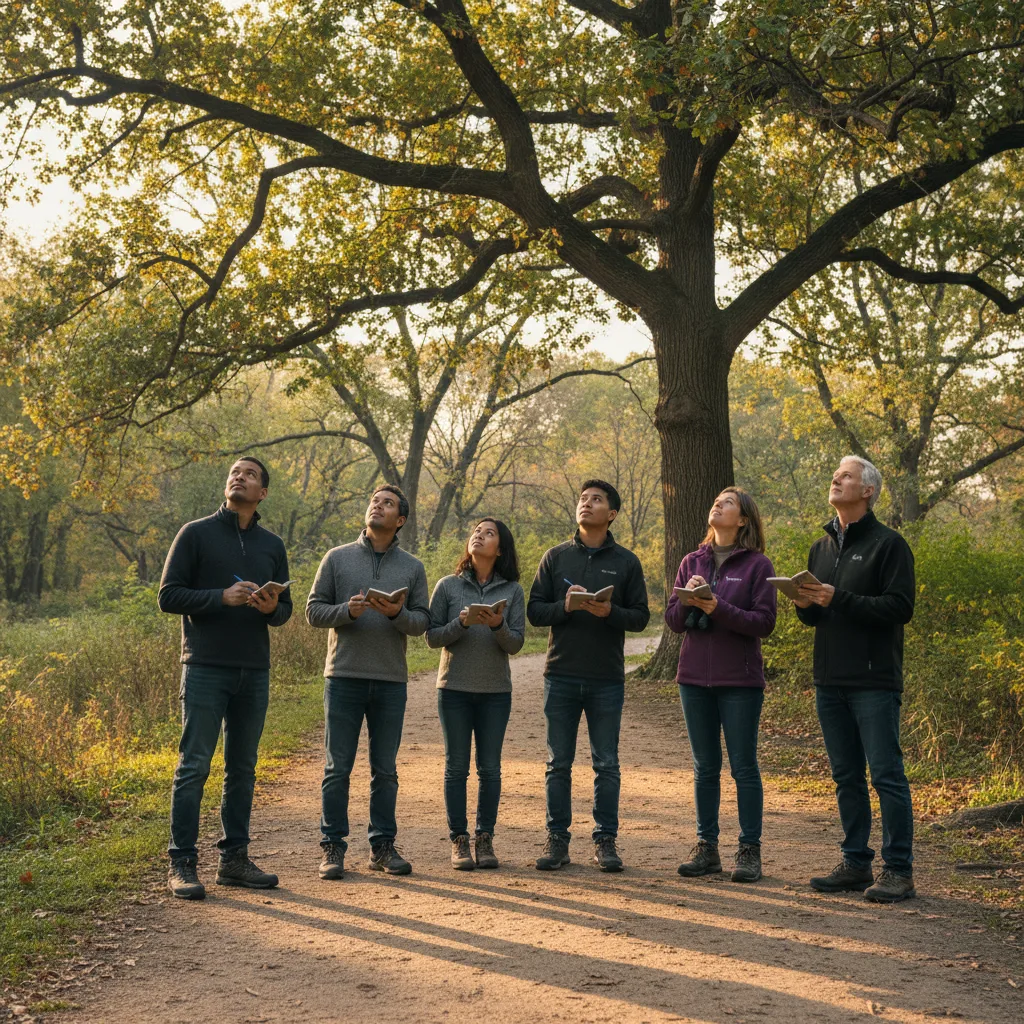
Central Park Event Calendar Features Climate Week Activities September 27
Central Park's event calendar for September 27, 2026, included a Climate Week-aligned "Journal, Meditation, + Bird Walk," promoting environmental awareness.
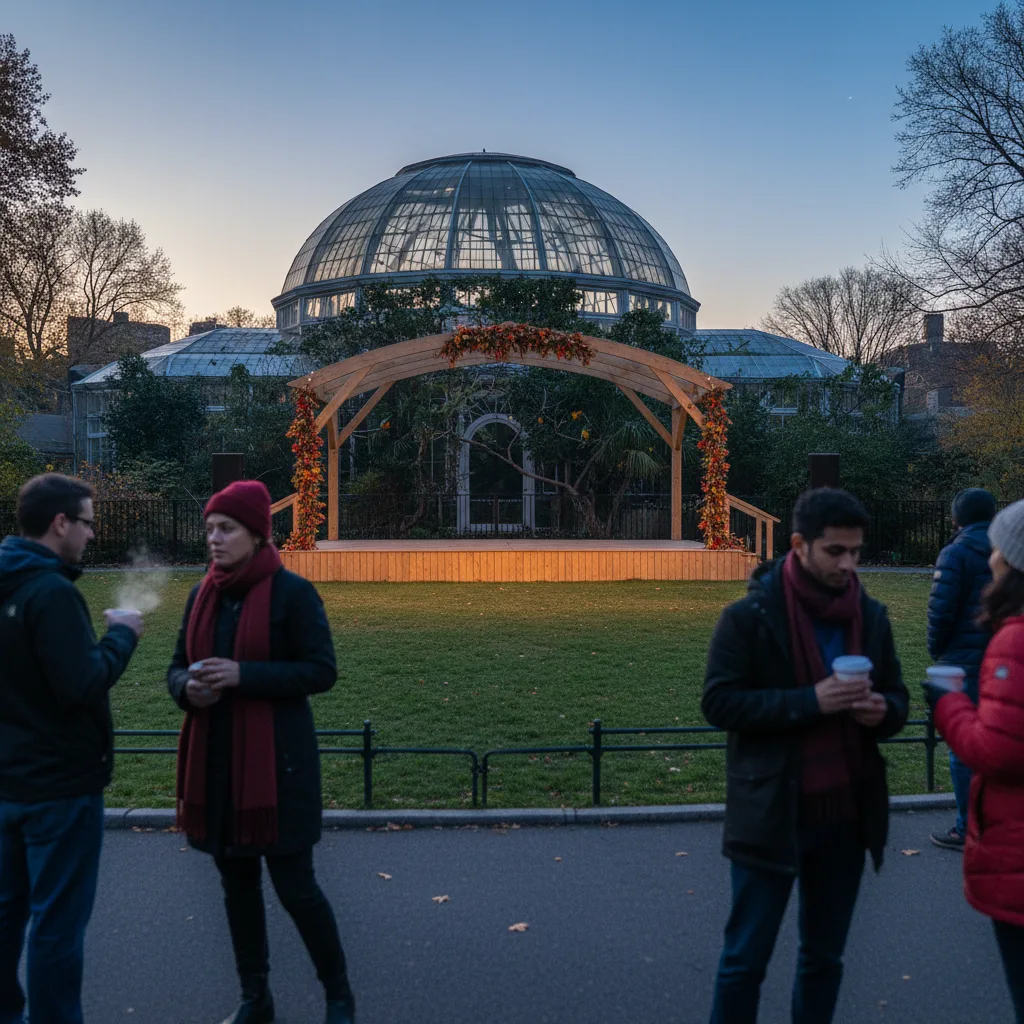
Wildlife Conservation Society Awards Lovejoy Prize at Central Park Zoo
Wildlife Conservation Society awards 2026 Thomas E. Lovejoy Prize today at Central Park Zoo during Climate Week in New York City.
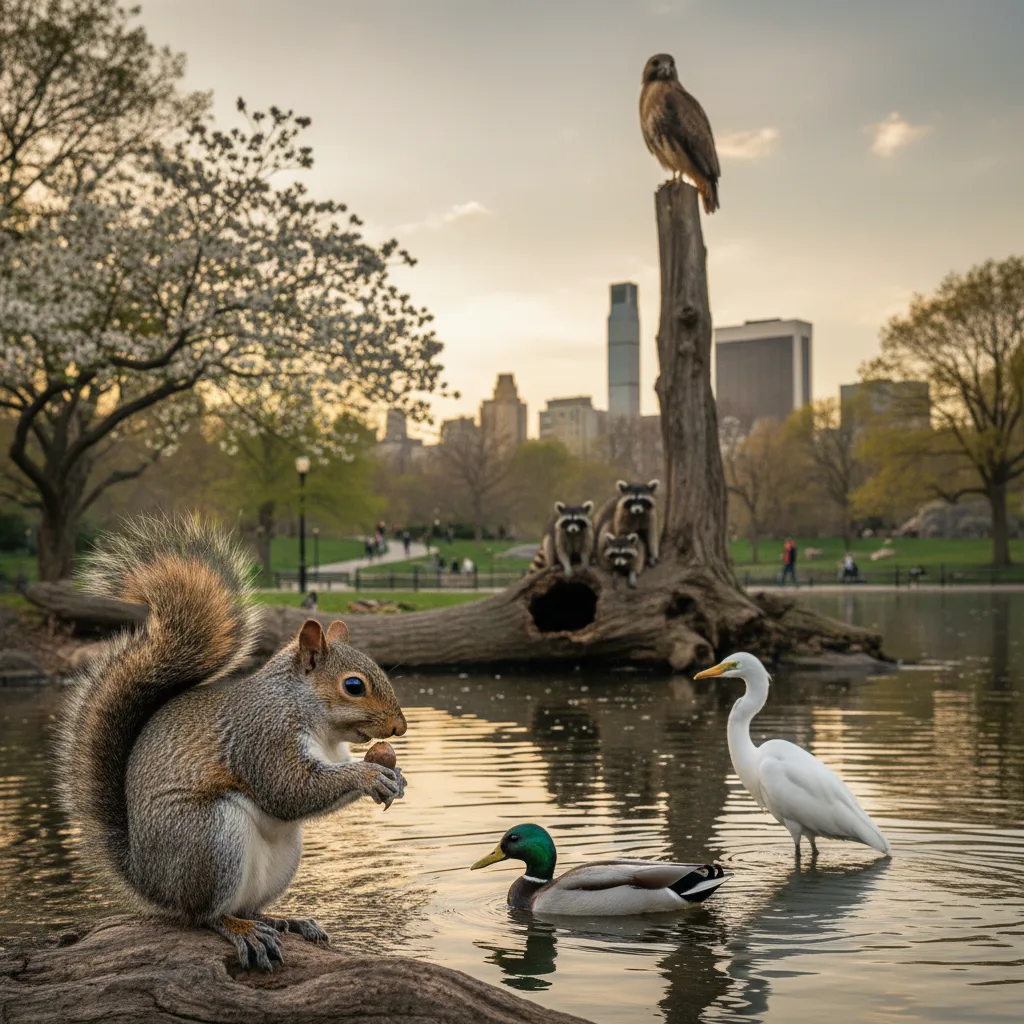
A Guide to Central Park's Wildlife: What to Know About the Park's Animals and Ecosystem
Discover the diverse Central Park wildlife, from birds and mammals to aquatic life. Learn responsible observation tips and conservation efforts for 2026.
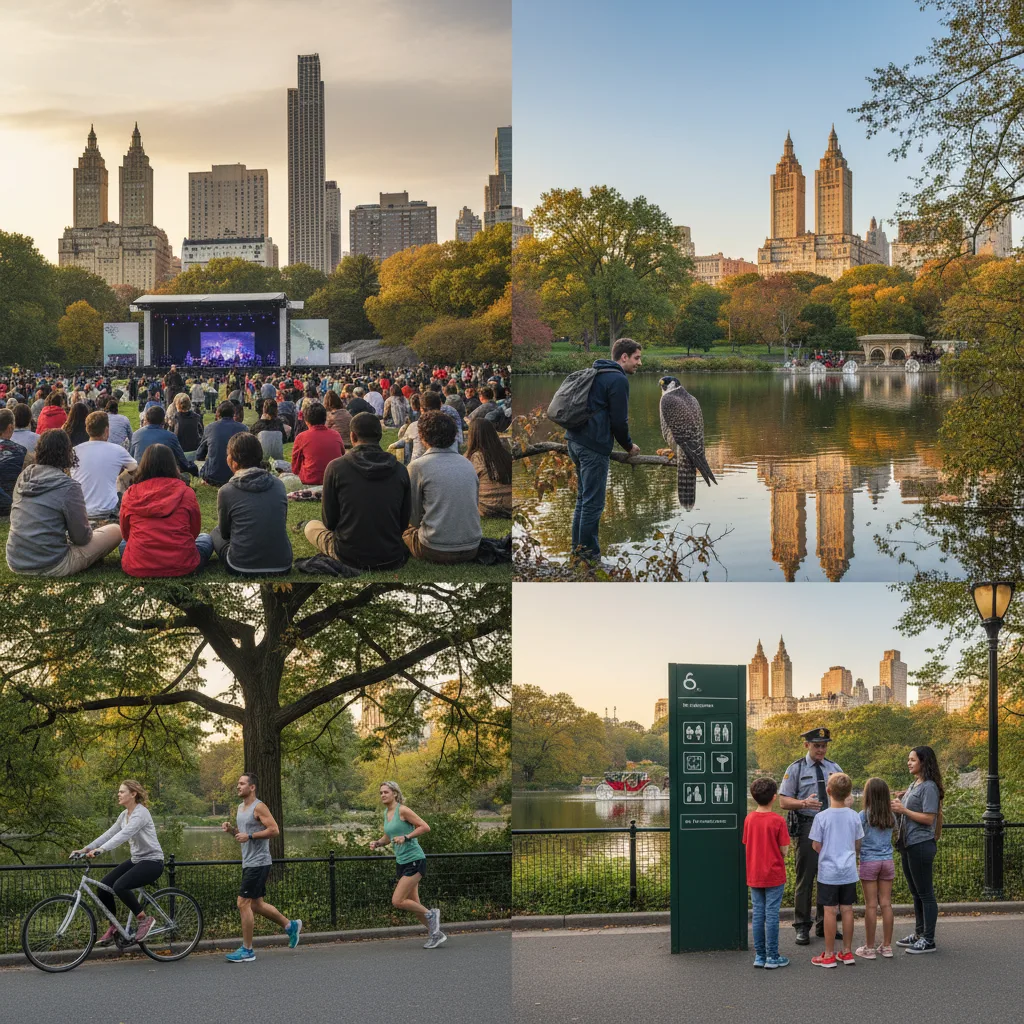
A Guide to Central Park's Top Activities and Best Things to Do in 2026
Discover the best things to do in Central Park, NYC, with our comprehensive 2026 guide to iconic landmarks, activities, and hidden gems for visitors.
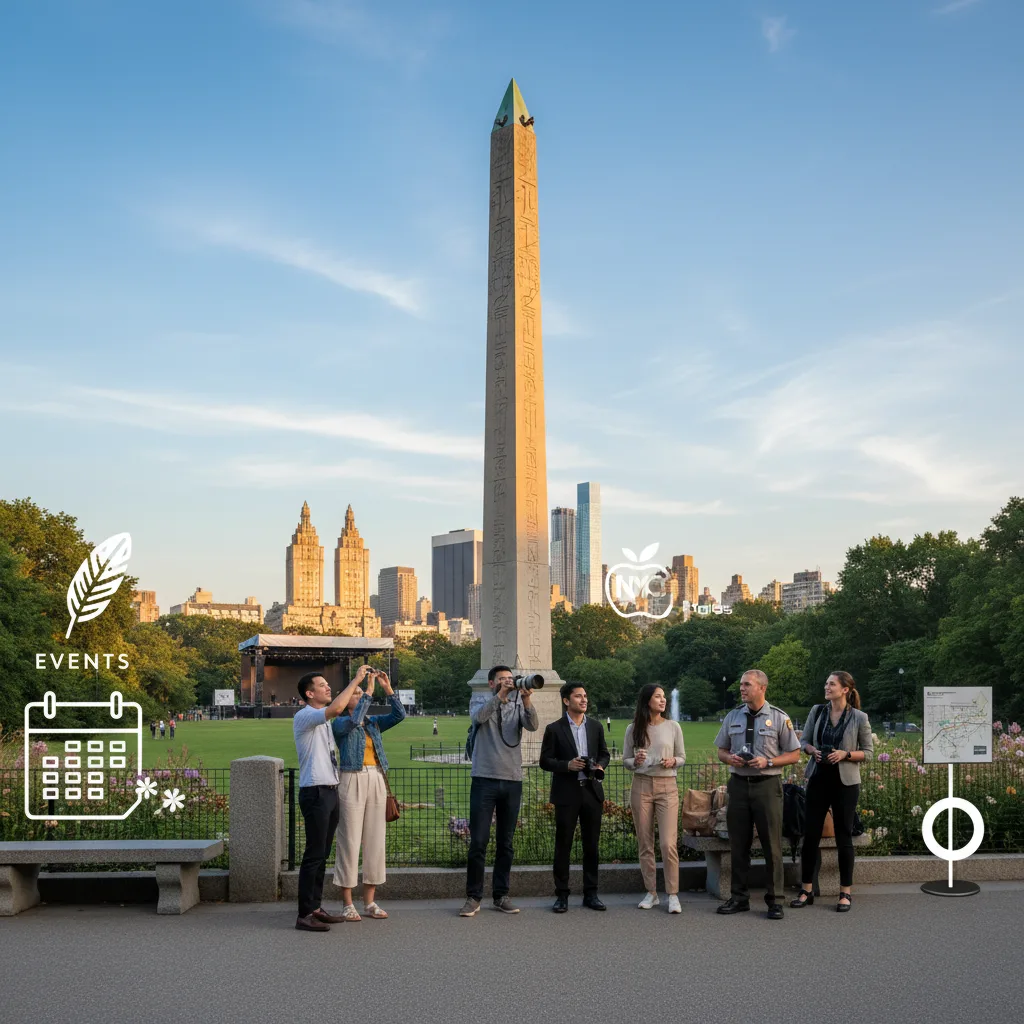
A Guide to What to Know About the Vatican Obelisk in Central Park 2026
Discover what to know about the Vatican Obelisk (Cleopatra's Needle) in Central Park, its history, journey to NYC, and where to find it in 2026.