


Central Park Conservancy Issues New Visitor Guidelines for 2026
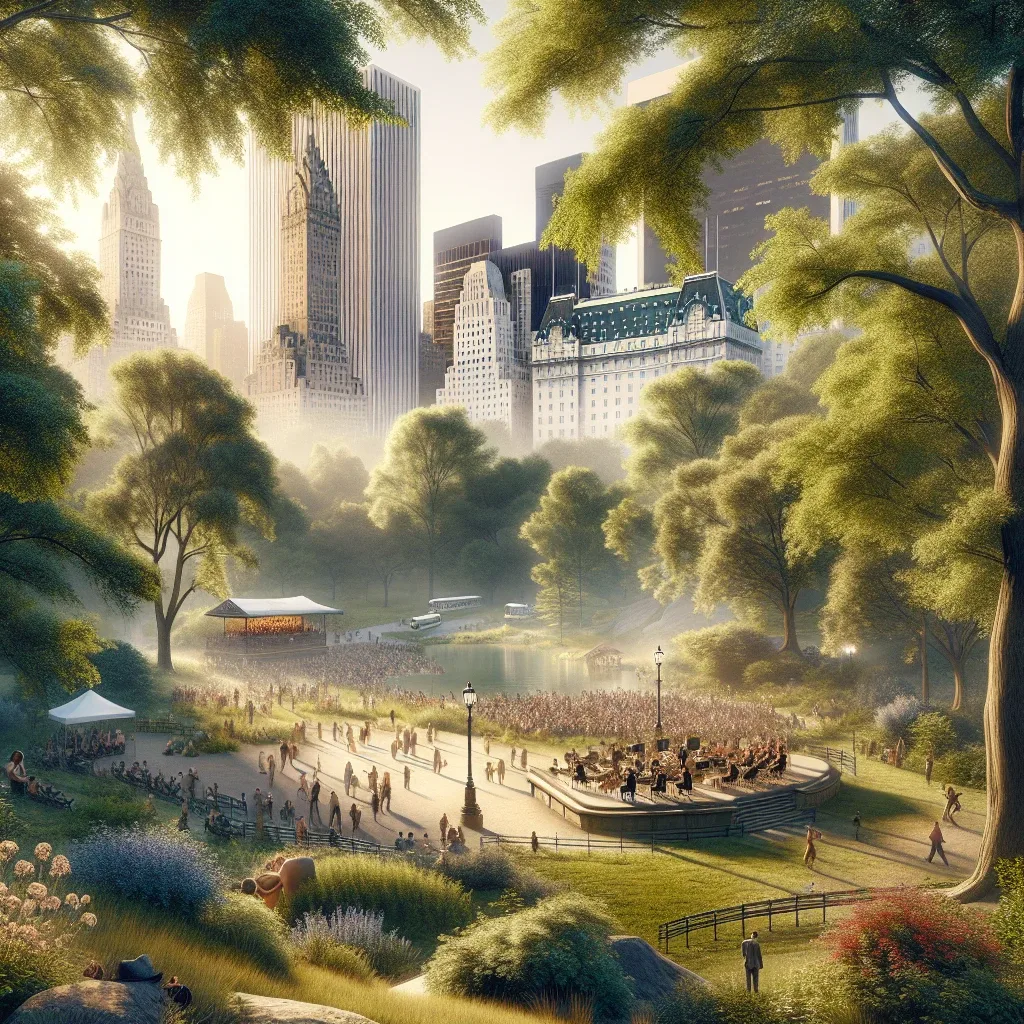
NEW YORK — The Central Park Conservancy, in collaboration with the New York City Department of Parks and Recreation, has issued updated visitor guidelines for 2026, emphasizing public safety and park preservation. These new protocols aim to ensure a positive experience for the park's estimated 42 million annual visitors, particularly concerning large gatherings and shared spaces.
Elizabeth W. Smith, President and CEO of the Central Park Conservancy, reiterated the park’s commitment to public access while ensuring a safe environment. "Central Park remains a vital green oasis for millions, and these guidelines help us manage its use responsibly," Smith announced from the Conservancy’s offices near Belvedere Castle. "Our priority is always the well-being of our visitors and the health of the park itself."
Evolving Safety Protocols for Public Spaces
The new guidelines build upon lessons learned from previous public health crises and increasing park usage. While the specific mandate for face coverings from earlier years has been lifted, the Conservancy now strongly recommends maintaining personal space, particularly in crowded areas like the Bethesda Terrace or during peak event times on the Great Lawn. Signage across the park, particularly at major entrances such as Columbus Circle and Grand Army Plaza, will reflect these recommendations.
"The core principle is respect for fellow park-goers and our environment," stated Dr. Alan Peterson, Chief Public Health Advisor for the NYC Parks Department. He noted that while compliance is voluntary, community cooperation is essential for a harmonious shared space. "We encourage visitors to be mindful, particularly around popular landmarks and during large-scale events, to keep at least 6 feet from others when possible."
Protecting Park Ecosystems and Infrastructure
Beyond personal safety, the guidelines also underscore the importance of protecting the park's delicate ecosystems. Visitors are reminded to stay on marked paths, refrain from disturbing wildlife, and dispose of waste properly. Last year, the Conservancy reported a 10% increase in litter during summer months, prompting renewed calls for environmental stewardship.
Specific attention is given to the maintenance of the park’s 150 miles of pathways and over 20,000 trees. The Conservancy's team of arborists and landscape architects work year-round to preserve the park's natural beauty and structural integrity. Damaging foliage or interfering with historical structures is strictly prohibited and can result in fines under city regulations.
Community Engagement and Awareness Campaigns
To disseminate these guidelines effectively, the Central Park Conservancy is launching a new awareness campaign across social media and physical signage within the park. Volunteer ambassadors, identifiable by their Conservancy vests, will also be present at high-traffic areas to answer questions and offer friendly reminders. They are often seen near the Conservatory Water model boat pond, guiding visitors.
This proactive approach aims to educate rather than simply enforce, fostering a sense of shared responsibility among visitors. Public feedback on previous guidelines has been instrumental in shaping these updated protocols. The Conservancy encourages continued dialogue through their official channels, emphasizing that the park belongs to everyone. The Conservancy official site provides full details on these updated guidelines.
Ensuring Accessibility for All New Yorkers
Central Park remains committed to being accessible to all New Yorkers and visitors, irrespective of physical ability. The new guidelines re-emphasize the importance of maintaining clear pathways for wheelchairs and strollers. Accessibility initiatives include improved ramp access at various points and accessible restroom facilities throughout the park, including near the Delacorte Theater.
Park staff undergo regular training on accessibility best practices to assist visitors with diverse needs. These efforts align with the city's broader commitment to inclusive public spaces. The Conservancy continually evaluates and updates its infrastructure to ensure a welcoming environment for everyone, highlighting its role as a universal sanctuary.
FAQ: Central Park 2026 Visitor Guidelines
What are the key updated recommendations for Central Park visitors in 2026? The primary recommendations include maintaining personal space, especially in crowded areas, staying on marked paths to protect ecosystems, and disposing of all waste properly. These measures are designed to ensure a safe and respectful experience for everyone.
Is it still mandatory to wear a face covering in Central Park? No, the mandatory requirement for face coverings has been lifted for 2026. However, the Central Park Conservancy recommends maintaining personal space, particularly in congested sections of the park, to ensure comfort for all visitors.
Where can I find more detailed information on these guidelines? Comprehensive details regarding the updated visitor guidelines are available on the official Central Park Conservancy website under the alerts or visitor information section. Information is also posted on signs at various park entrances and points of interest.
What happens if someone violates the park guidelines? While the Conservancy emphasizes education and voluntary compliance, egregious violations such as damaging park property, disturbing wildlife, or illegal activities may lead to enforcement by park rangers or the NYPD, potentially resulting in fines or other penalties.
How can I report an issue or provide feedback on park conditions? Visitors can report issues or provide feedback directly through the Central Park Conservancy’s website, via a dedicated phone line, or by speaking with park staff and volunteer ambassadors on-site. This feedback is crucial for ongoing park management and improvement efforts.
Related Articles
More in Park Operations & Maintenance →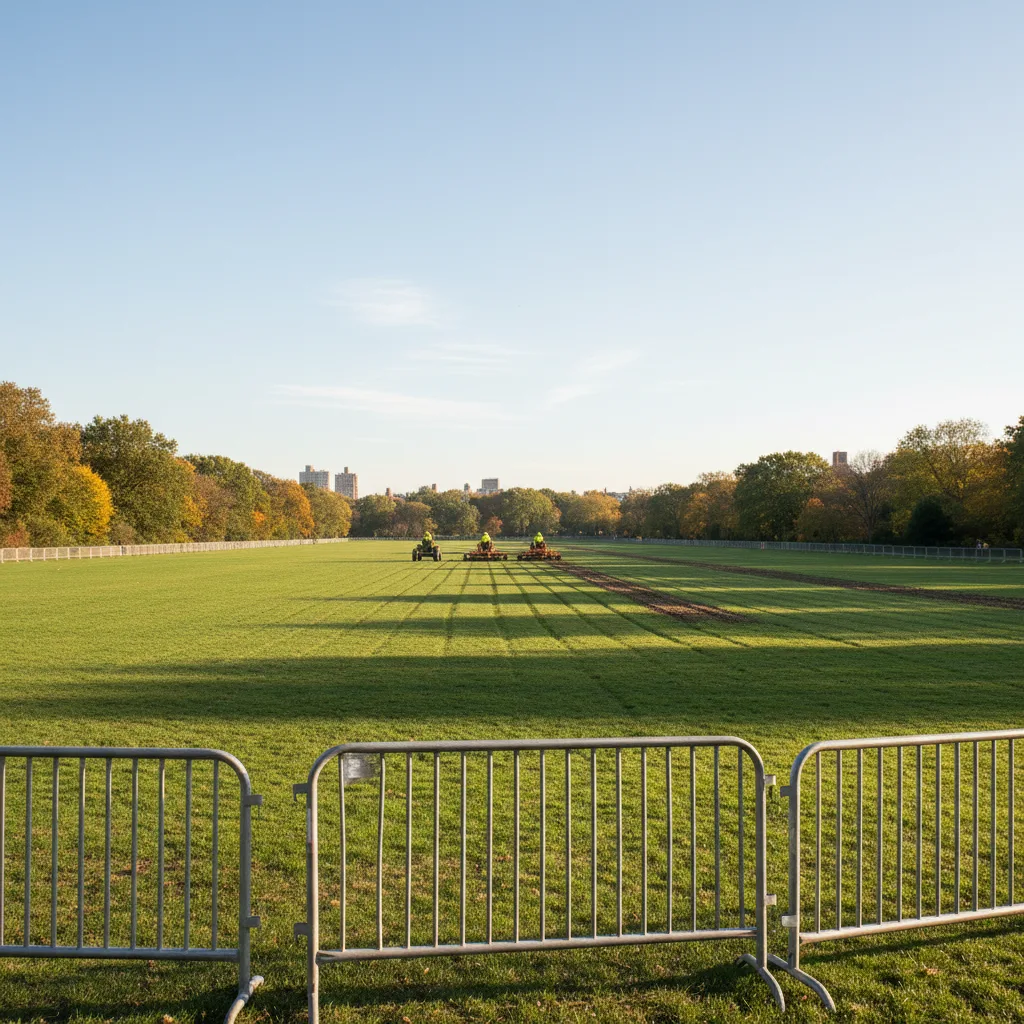
Central Park Conservancy Closes Great Lawn for Scheduled Maintenance
The Central Park Conservancy closed the Great Lawn through October 2, 2026, for scheduled maintenance, impacting weekend activities. Essential upkeep ensures the iconic green space remains vibrant for visitors.
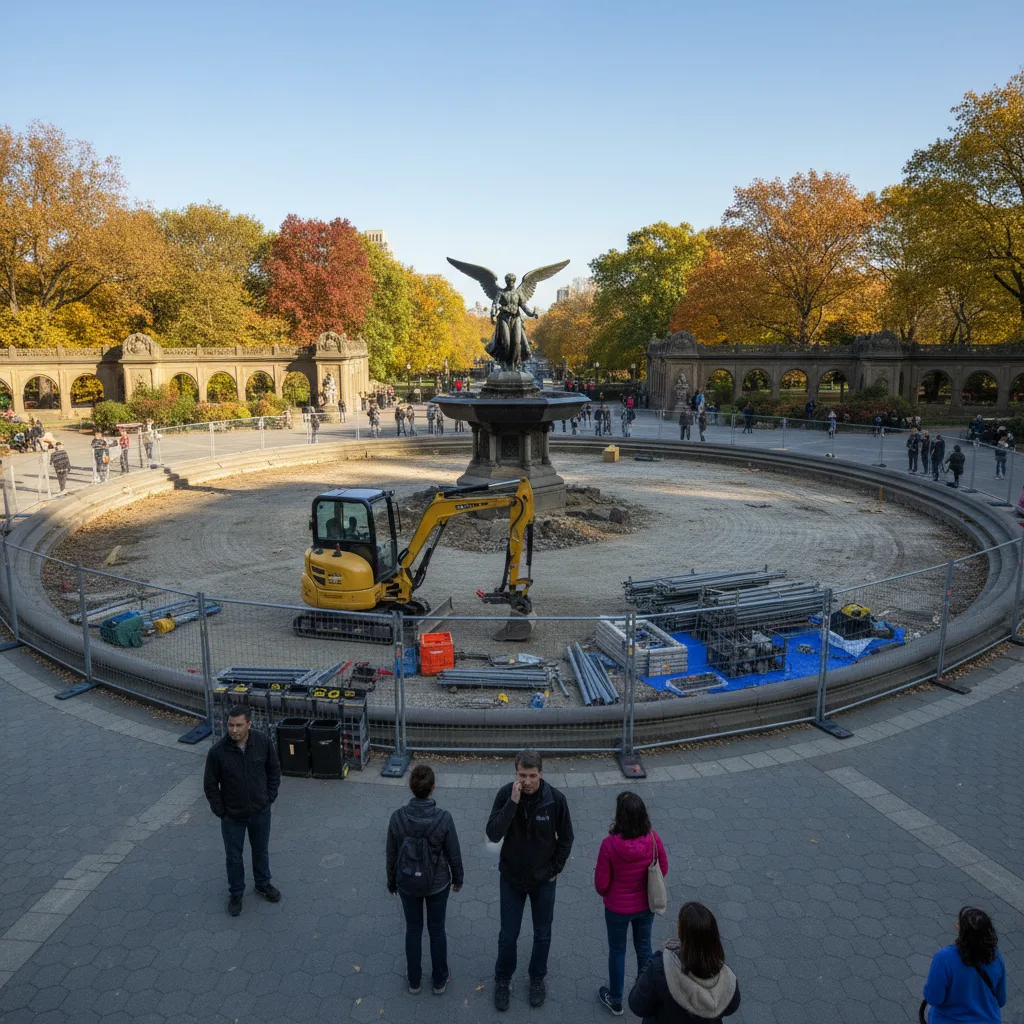
Central Park Conservancy Announces Bethesda Fountain, Great Lawn Closures
Central Park Conservancy announced Bethesda Fountain is off for restoration and the Great Lawn closed through October 2, 2026 for maintenance, affecting visitor access.
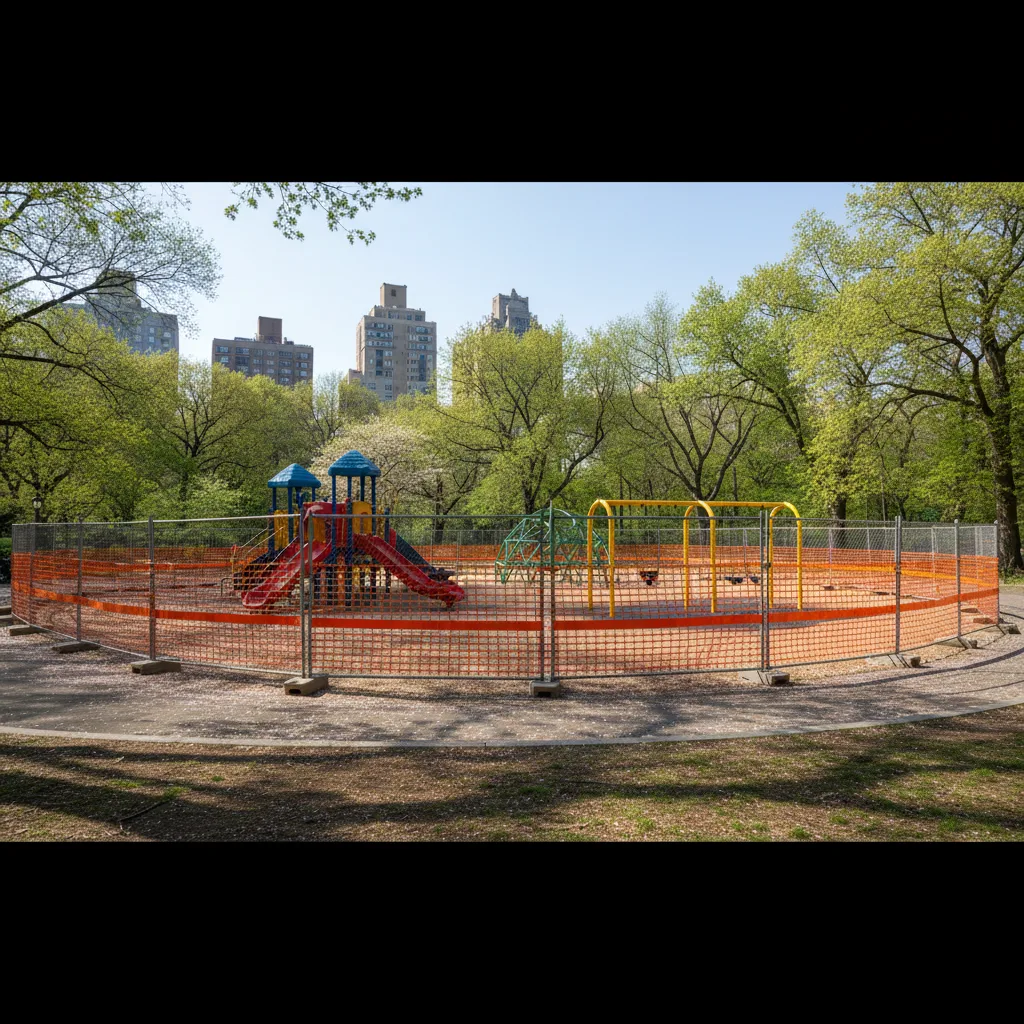
Central Park Conservancy Closes East 110th Street Playground for Restoration
Central Park Conservancy closed the East 110th Street Playground for restoration, while North Meadow and Heckscher ballfields shut due to weather. Plan your visit; check alerts for closures impacting recreation in Central Park.
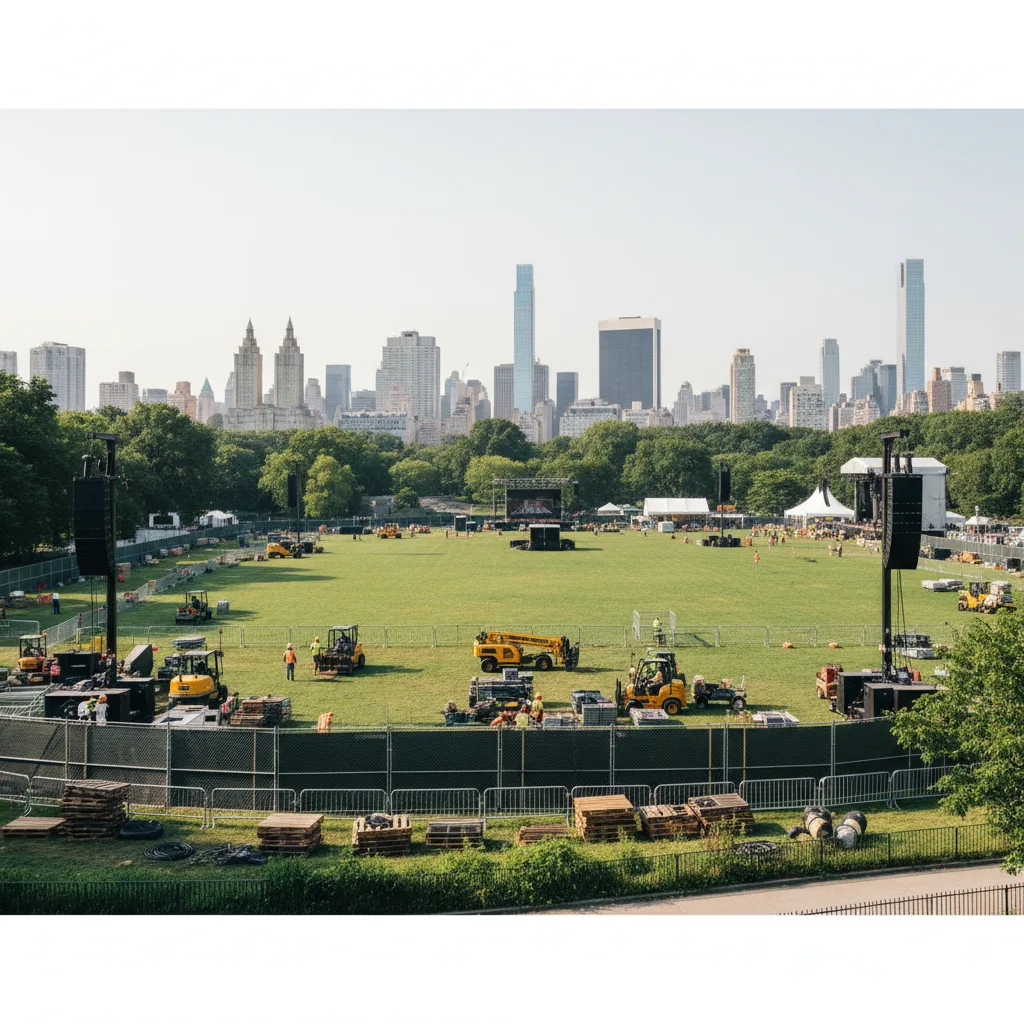
Central Park Conservancy Closes Great Lawn for Global Citizen Festival
Central Park Conservancy confirmed the Great Lawn is closed through September 26, 2026, for the Global Citizen Festival, affecting access to Belvedere Castle and Turtle Pond. Local residents and visitors should plan alternate routes and expect traffic delays around the park's perimeter.
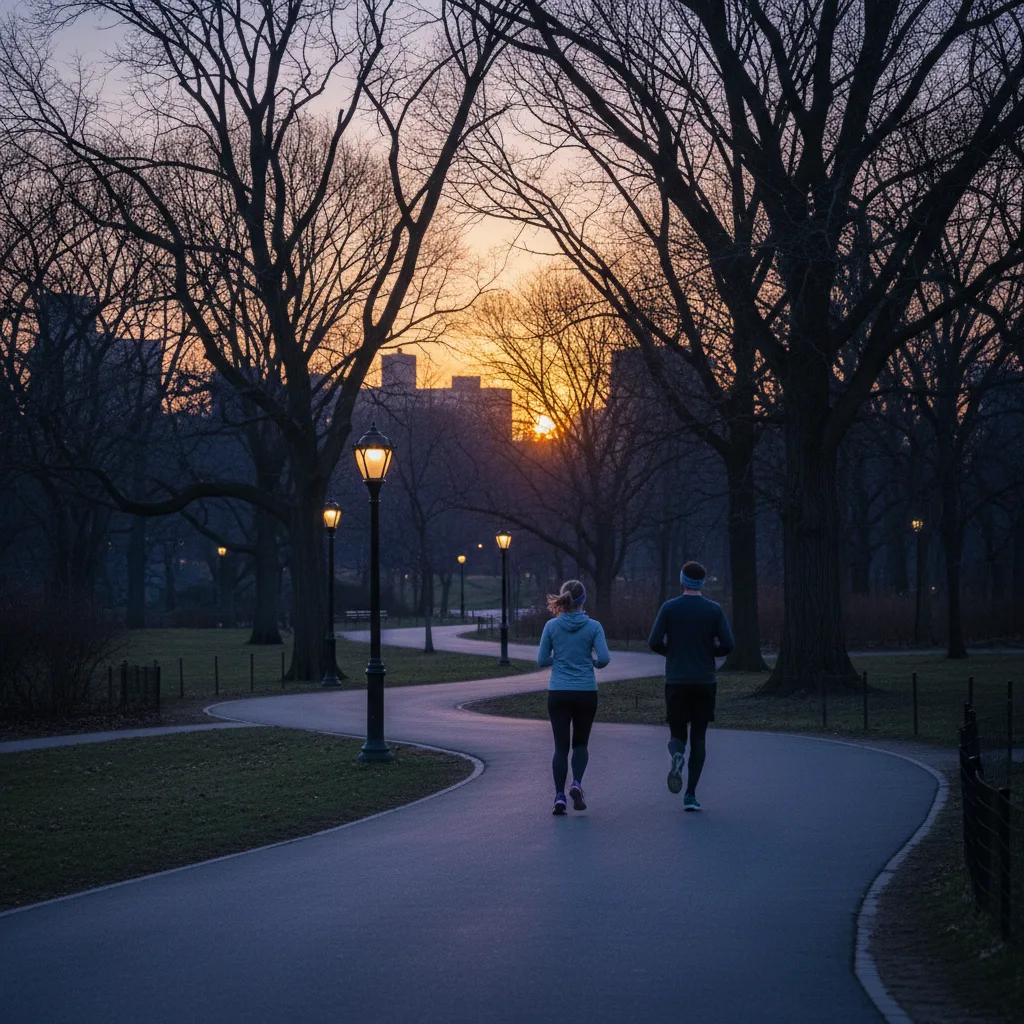
Central Park Conservancy Confirms 2026 Daily Operating Hours
Central Park Conservancy confirms 2026 daily hours: 6:00 a.m. to 1:00 a.m. This notice is for visitor planning, not a change.
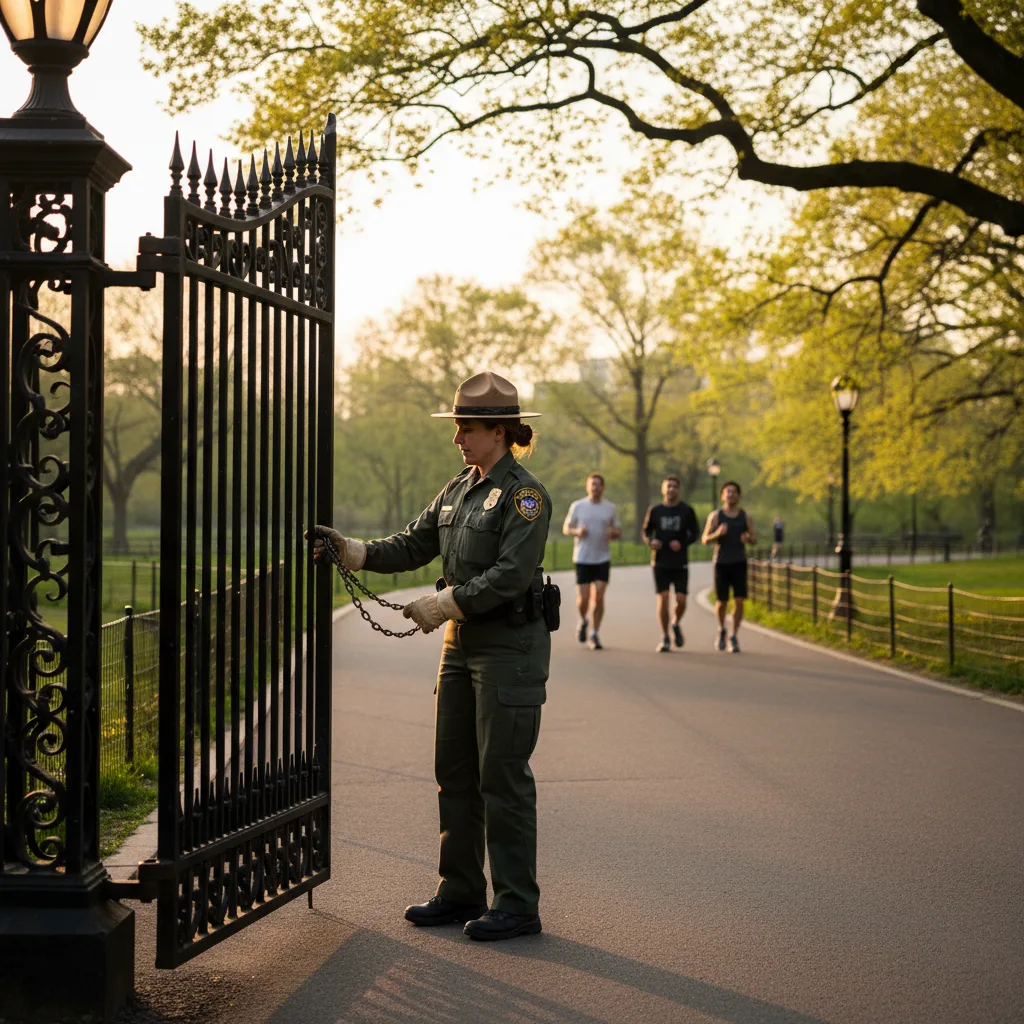
Central Park Conservancy Announces Park Hours Update for 2026
Central Park Conservancy announced updated 2026 park hours, maintaining 6:00 a.m. to 1:00 a.m. access daily. This schedule balances public enjoyment with critical maintenance and security operations.