


Conservancy Issues Central Park Safety, Etiquette Reminders 2026

NEW YORK — The Central Park Conservancy, stewards of New York City’s most iconic urban oasis, has issued updated guidelines for visitors for 2026, emphasizing public safety and park etiquette. These reminders aim to ensure a positive experience for all who utilize the park’s sprawling grounds and diverse attractions.
The guidelines, published on the Conservancy’s official website, cover a range of topics from respecting natural habitats to maintaining personal space. Officials stress that adherence to these rules is vital for the preservation of the park and the well-being of its millions of annual visitors.
Maintaining Public Health and Personal Space
While the specific nature of public health advisories can evolve, the Conservancy maintains core principles of responsible park usage. Visitors are consistently encouraged to practice courtesy and maintain respectful distances from other park-goers, particularly in crowded areas like The Mall and Conservatory Water.
“Our primary goal is to provide a safe, clean, and beautiful environment for everyone,” stated Elizabeth Rogers, Vice President of Operations for the Central Park Conservancy. “This includes encouraging personal responsibility, such as proper waste disposal and mindful interactions with wildlife.” Such measures are critical for sustaining the park's ecological balance.
The guidelines also touch upon specific activities, reminding cyclists to adhere to designated paths and speed limits. Pedestrians are urged to stay on marked trails to protect sensitive flora and fauna within the park’s diverse ecosystems.
Protecting Central Park’s Natural Environment
A significant portion of the Conservancy’s messaging focuses on environmental stewardship. Visitors are reminded that Central Park is a living ecosystem requiring careful preservation, especially its hundreds of acres of woodlands and grasslands.
Strict rules against littering, picking flowers, or disturbing wildlife are actively enforced by the Parks Enforcement Patrol (PEP). The Conservancy highlights that even small actions, like feeding squirrels, can disrupt the park's delicate natural balance.
“Every piece of trash left behind impacts the park’s beauty and its ability to thrive,” explained Dr. Evelyn Reed, a horticulturalist with the Conservancy, speaking from the Hallett Nature Sanctuary. “We ask everyone to use the many receptacles provided or to carry out what they carry in.” This approach underscores a collective responsibility.
Updated Rules for Organized Activities 2026
For 2026, the Conservancy has reiterated specific rules for organized groups and permitted events. Groups exceeding a certain size (typically 20 people) must obtain a permit in advance for activities such as picnics, athletic events, or commercial filming.
This system helps manage park usage, prevent overcrowding, and protect park resources. Information on obtaining permits can be found on the Central Park Conservancy’s official website, a resource frequently updated with new regulations.
Commercial vendors, including food trucks and tour operators, must also possess valid permits and adhere to strict operating guidelines. This ensures they operate harmoniously with the park’s overall aesthetic and visitor experience, without impeding public access.
Staying Informed: Alerts and Advisories
Visitors are strongly encouraged to check the Central Park Conservancy’s alerts page before their visit for any real-time updates or advisories. These may include temporary closures due to maintenance, weather conditions, or special events.
The page often provides critical information about specific areas of the park, like the North Woods or the Ramble, that might have particular ecological sensitivities or temporary access restrictions. Being informed helps visitors plan their routes and activities effectively.
Recent alerts have included advisories for extreme heat during summer months and icy conditions during winter, demonstrating the Conservancy’s commitment to proactive communication. These warnings help prevent accidents and ensure visitor comfort.
Responsible Pet Ownership in the Park
The Conservancy also issued reminders regarding responsible pet ownership. Dogs are welcome in most areas of Central Park but must be kept on a leash between 9:00 AM and 9:00 PM. Designated off-leash areas are available during specified hours, often in the early mornings and late evenings.
Owners are required to clean up after their pets, a rule vital for maintaining park hygiene and preventing the spread of disease. Waste bags are available at various park entrances, including those near West 72nd Street.
“Our four-legged friends are a cherished part of the Central Park community,” noted Officer Kevin Chen of the Parks Enforcement Patrol. “But their owners have a responsibility to ensure their pets do not disturb wildlife or other park visitors.” Adherence to these rules supports a harmonious environment for all.
Frequently Asked Questions About Park Rules and Safety
Where can I find a complete list of Central Park rules and regulations? A comprehensive list of rules, including those for pet owners, cyclists, and organized groups, is available on the Central Park Conservancy’s official website. This resource is frequently updated.
Do I need a permit to have a picnic in Central Park? Generally, small, informal picnics do not require a permit. However, if your group is larger than 20 people or if you plan to bring large equipment, you will likely need a permit. Check the Conservancy’s website for specific group size requirements and to obtain a permit.
What are the consequences for violating park rules? Violating park rules, such as littering, disturbing wildlife, or failing to leash your dog in a designated on-leash area, can result in fines issued by the Parks Enforcement Patrol or the NYPD. Severe violations may lead to more serious legal action, as reported by ABC7 News Central Park coverage.
How can I report a maintenance issue or safety concern in Central Park? Maintenance issues, like fallen trees or damaged benches, can be reported directly to the Central Park Conservancy through their website or by calling their main office. For immediate safety concerns or emergencies, always call 911.
Related Articles
More in Park Operations & Maintenance →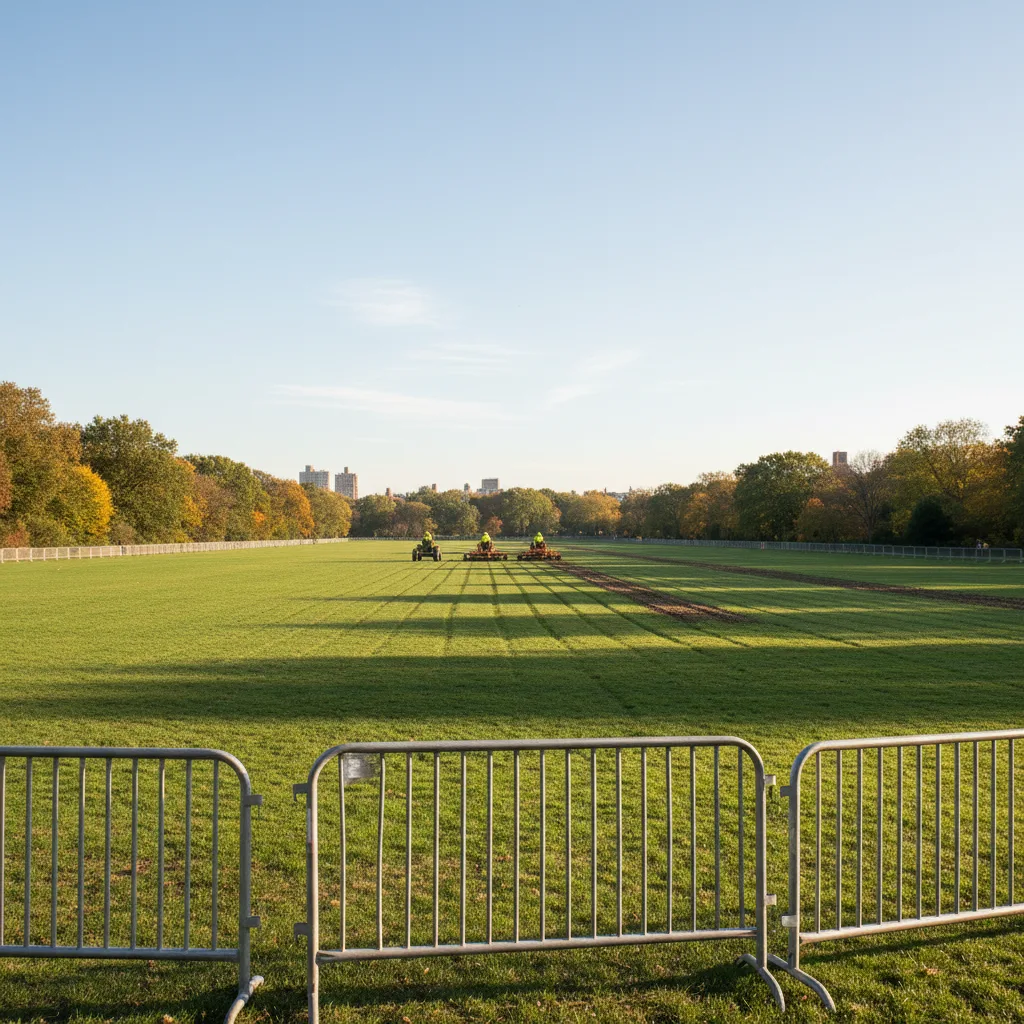
Central Park Conservancy Closes Great Lawn for Scheduled Maintenance
The Central Park Conservancy closed the Great Lawn through October 2, 2026, for scheduled maintenance, impacting weekend activities. Essential upkeep ensures the iconic green space remains vibrant for visitors.
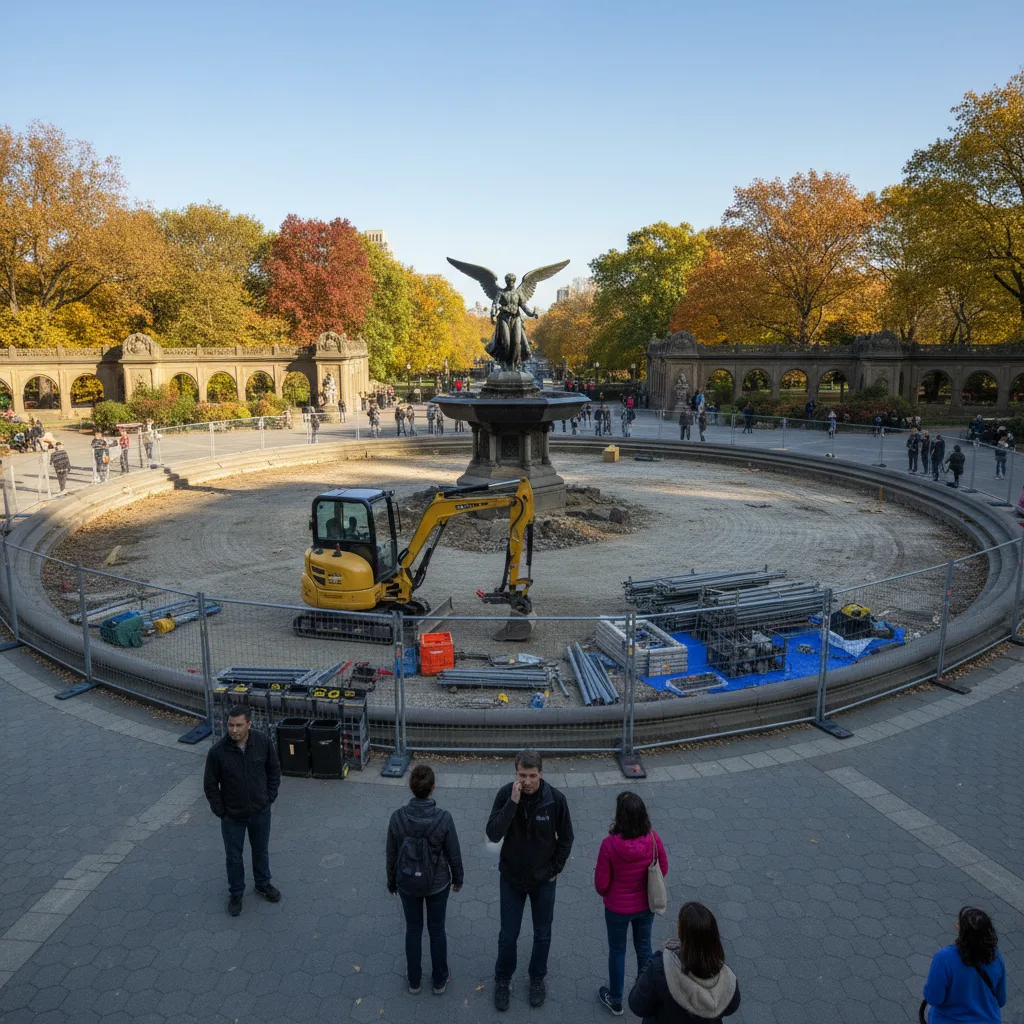
Central Park Conservancy Announces Bethesda Fountain, Great Lawn Closures
Central Park Conservancy announced Bethesda Fountain is off for restoration and the Great Lawn closed through October 2, 2026 for maintenance, affecting visitor access.
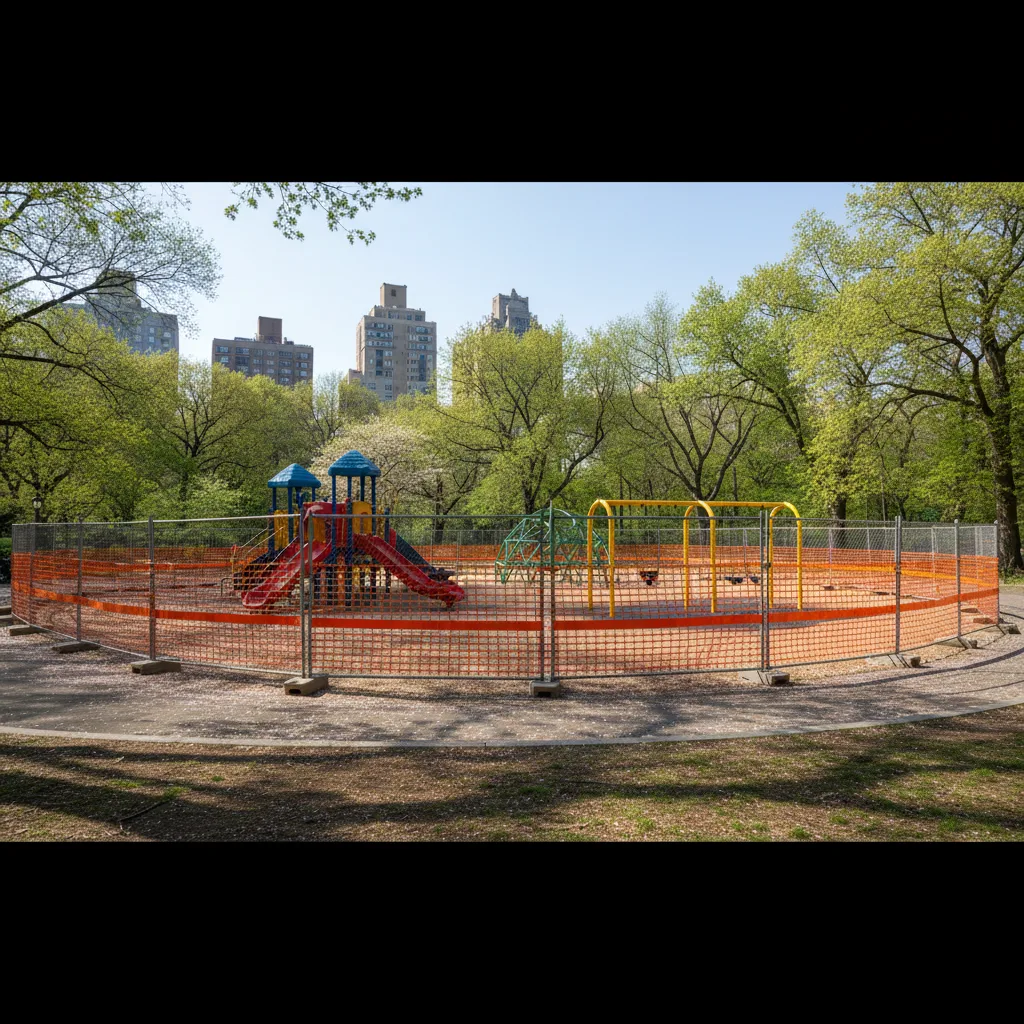
Central Park Conservancy Closes East 110th Street Playground for Restoration
Central Park Conservancy closed the East 110th Street Playground for restoration, while North Meadow and Heckscher ballfields shut due to weather. Plan your visit; check alerts for closures impacting recreation in Central Park.
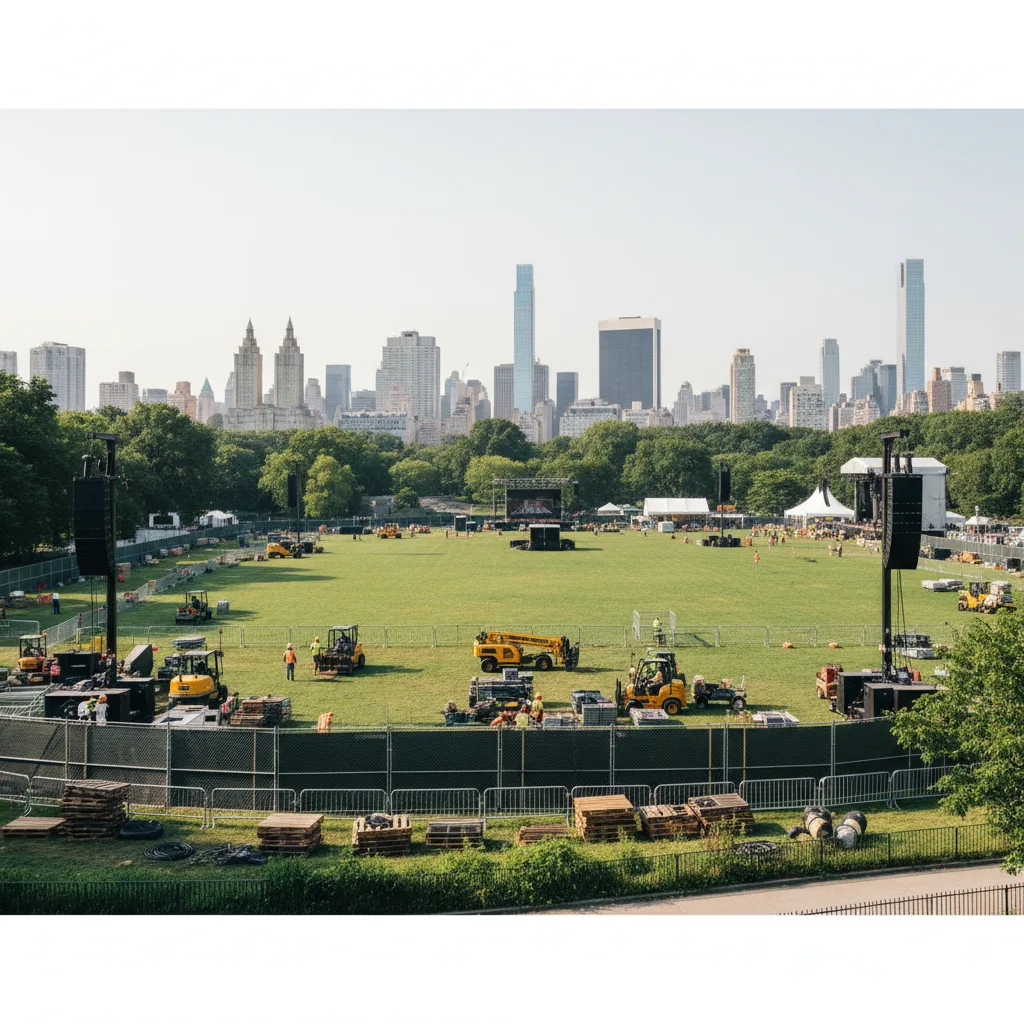
Central Park Conservancy Closes Great Lawn for Global Citizen Festival
Central Park Conservancy confirmed the Great Lawn is closed through September 26, 2026, for the Global Citizen Festival, affecting access to Belvedere Castle and Turtle Pond. Local residents and visitors should plan alternate routes and expect traffic delays around the park's perimeter.
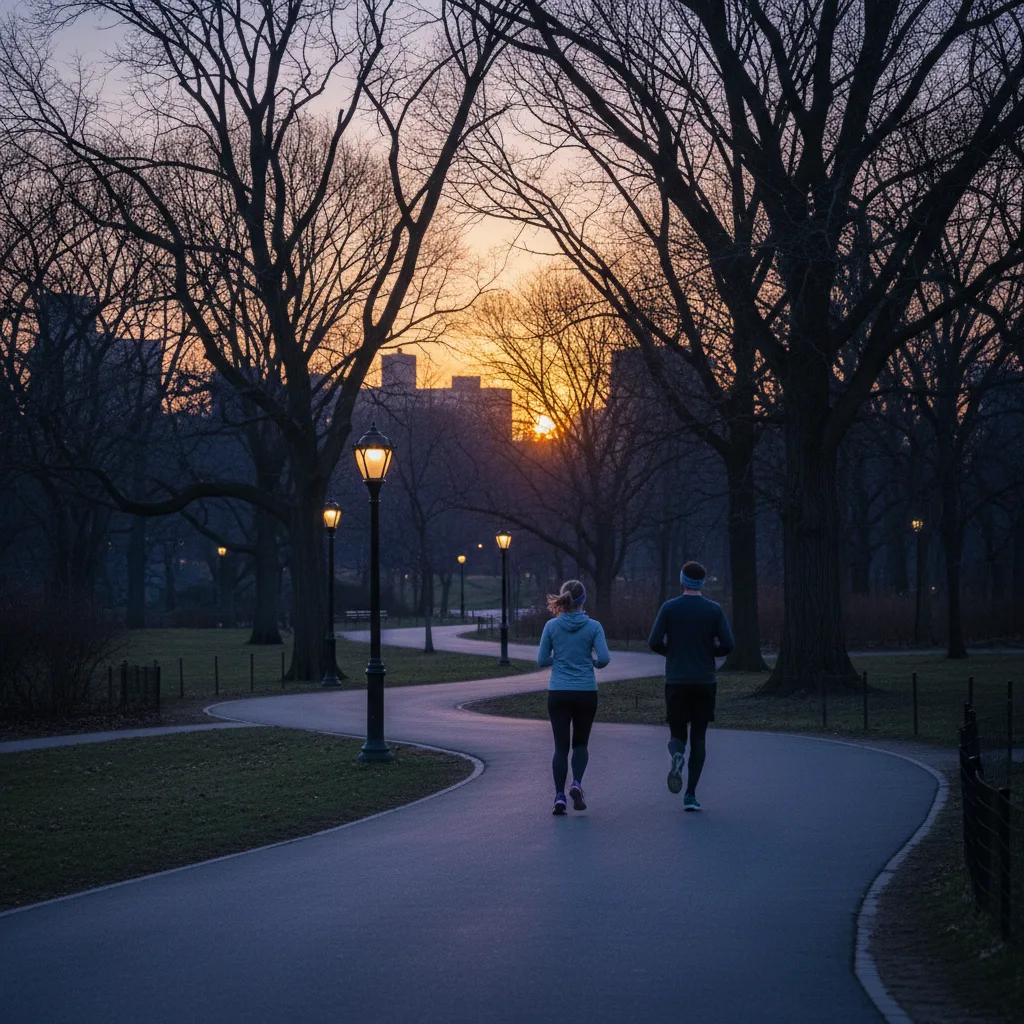
Central Park Conservancy Confirms 2026 Daily Operating Hours
Central Park Conservancy confirms 2026 daily hours: 6:00 a.m. to 1:00 a.m. This notice is for visitor planning, not a change.
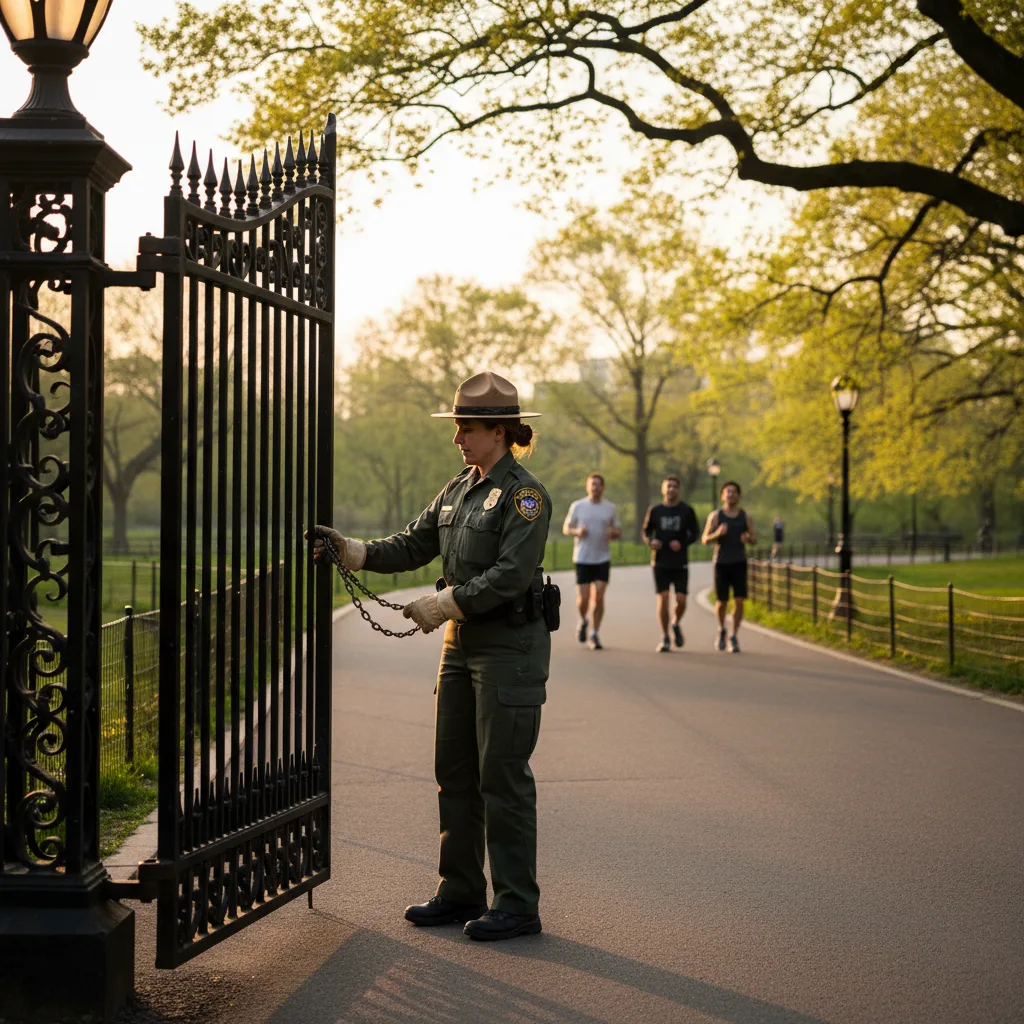
Central Park Conservancy Announces Park Hours Update for 2026
Central Park Conservancy announced updated 2026 park hours, maintaining 6:00 a.m. to 1:00 a.m. access daily. This schedule balances public enjoyment with critical maintenance and security operations.