


Central Park Conservancy Official Outlines 2026 Preservation Goals
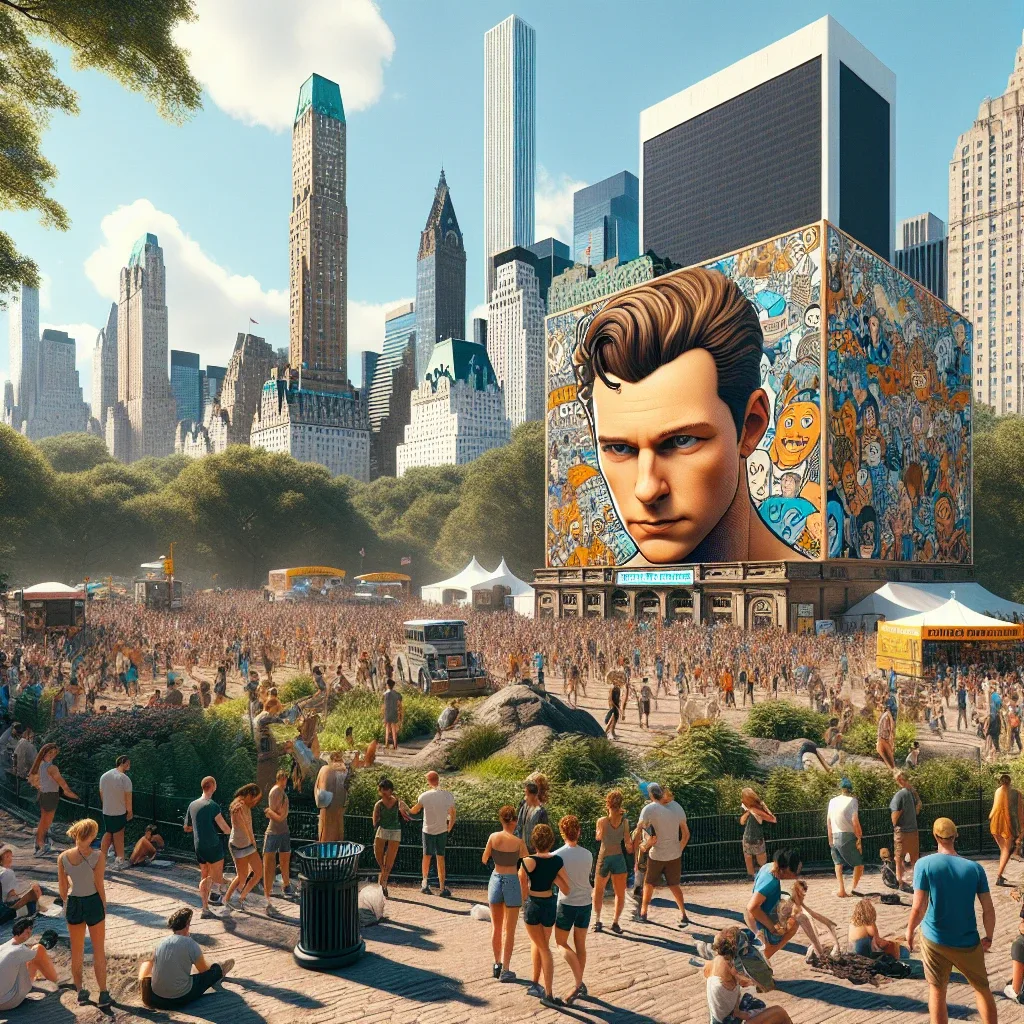
NEW YORK — "Our commitment to Central Park's ecological integrity and ensuring a world-class experience for our millions of visitors remains unwavering," said Elizabeth Adams, Vice President of Operations for the Central Park Conservancy, speaking to reporters at the Dene in the park's mid-section this Monday morning. Her remarks emphasized the multifaceted challenges of managing a globally renowned urban oasis that sees over 42 million visitors annually. The Conservancy outlined ambitious plans for 2026 focusing on sustainable maintenance, enhanced public safety, and educational programming.
The 843-acre green expanse, a National Historic Landmark, presents unique challenges in balancing preservation with public access. This year, the Conservancy projects significant investment into critical infrastructure repairs and advanced horticultural practices. This strategic approach aims to protect the park's diverse ecosystems while improving the visitor journey.
Sustaining the Urban Oasis: Ecological Initiatives
The Central Park Conservancy has detailed several key ecological initiatives slated for implementation throughout 2026. These programs are designed to bolster biodiversity and restore natural habitats that have faced decades of urban pressure. One primary focus involves the restoration of the critically important Ramble, a 38-acre woodland area known for its complex topography and rich birdlife.
Conservancy scientists reported that invasive plant species continue to pose a significant threat to native flora. Dr. Julian Thorne, Director of Ecological Management, explained that targeted removal efforts will intensify this spring across specific woodland areas and wetlands. His team plans to utilize innovative biological controls alongside manual removal to ensure long-term sustainability. The projected cost for these specific ecological restoration projects in 2026 is estimated at $3.5 million, a figure supported by private donations and city grants.
Enhancing Visitor Experience and Accessibility
Beyond ecological efforts, the Conservancy is dedicated to improving the park experience for all visitors. This includes upgrading pathways and signage, particularly around high-traffic areas like Bethesda Terrace and the Mall. A new digital wayfinding system, set to pilot near the Grand Army Plaza entrance, will offer real-time information on park attractions and amenities.
Accessibility remains a core priority, with plans to make more of the park's less-traveled paths compliant with ADA standards. "We believe Central Park should be a welcoming and accessible space for everyone, regardless of physical ability," stated Mark Peterson, Director of Visitor Services. He confirmed that initial construction on improved ramps and tactile paving would begin in late summer near the Dairy Visitor Center, allowing easier access to the southern end of the park. The full details of these improvements can be found on the Central Park event calendar.
Public Safety and Community Engagement
Public safety remains paramount in Central Park, especially with rising visitor numbers. The Central Park Police Precinct, in conjunction with the Conservancy’s security team, will increase patrols across the park's 58 miles of pedestrian pathways. This includes augmented bicycle patrols and strategic placement of uniformed officers during peak hours and major events.
Community engagement also forms a vital part of the Conservancy's 2026 agenda. They plan to expand their popular "Walks & Talks" program, offering free guided tours focusing on the park's history, architecture, and ecology. These programs serve as crucial educational outreach, fostering a deeper appreciation for the park among residents and tourists alike. Interested individuals can learn more about how to support these programs through Friends of Central Park membership.
Confronting Climate Challenges
Central Park, like all urban green spaces, faces the growing challenges posed by climate change. The Conservancy has outlined specific strategies to mitigate these impacts, including drought-resistant landscaping in vulnerable areas and improved stormwater management systems. They plan to implement a new irrigation system in the North Woods, aiming to conserve approximately 15% more water than current methods.
These efforts are not only about immediate environmental benefits but also about securing the park’s resilience for future generations. Dr. Thorne highlighted the importance of species diversity in urban forestry, advocating for a wider range of tree species to better withstand changing climatic conditions. This adaptive management strategy underscores the long-term vision for the park's ecological health.
Future Outlook and Funding
The Central Park Conservancy operates as a private, non-profit organization, managing the park in partnership with the New York City Department of Parks & Recreation. Over 80% of the park's annual operating budget, which averages around $100 million, is raised by the Conservancy. This funding supports everything from daily maintenance to major restoration projects.
Officials expressed optimism about continued public and private support, crucial for meeting the ambitious goals set for 2026 and beyond. "The park is a living legacy, and its future health depends on collective stewardship," Ms. Adams affirmed. The Conservancy continues to seek new partnerships and volunteers to aid in their ongoing efforts.
Frequently Asked Questions About Central Park Initiatives
Many visitors often inquire about how the Central Park Conservancy operates and funds its projects. The Conservancy is responsible for the daily care and management of the park, including horticulture, landscape management, and maintenance, under a contract with the city. Its primary funding comes from philanthropic contributions, memberships, and revenue-generating programs. Projects like the 2026 ecological restorations and accessibility improvements are directly supported by these funds. Another common question revolves around public safety within the park. The Central Park Police Precinct, a specialized unit of the NYPD, works closely with the Conservancy's security team to ensure visitor safety, deploying both uniformed and plainclothes officers, particularly in response to specific intelligence or during large public gatherings. Furthermore, the Conservancy actively promotes volunteer participation, with various programs available for individuals and groups interested in contributing to the park's upkeep and beautification. Details on these can often be found on the Conservancy's official website.
Related Articles
More in Wildlife & Nature →
Central Park Boathouse Bird Watching Tour Offers Educational Experience
Central Park Boathouse offers an educational bird watching tour, providing visitors an opportunity to observe avian species. This experience connects locals with nature, enhancing appreciation for park wildlife.
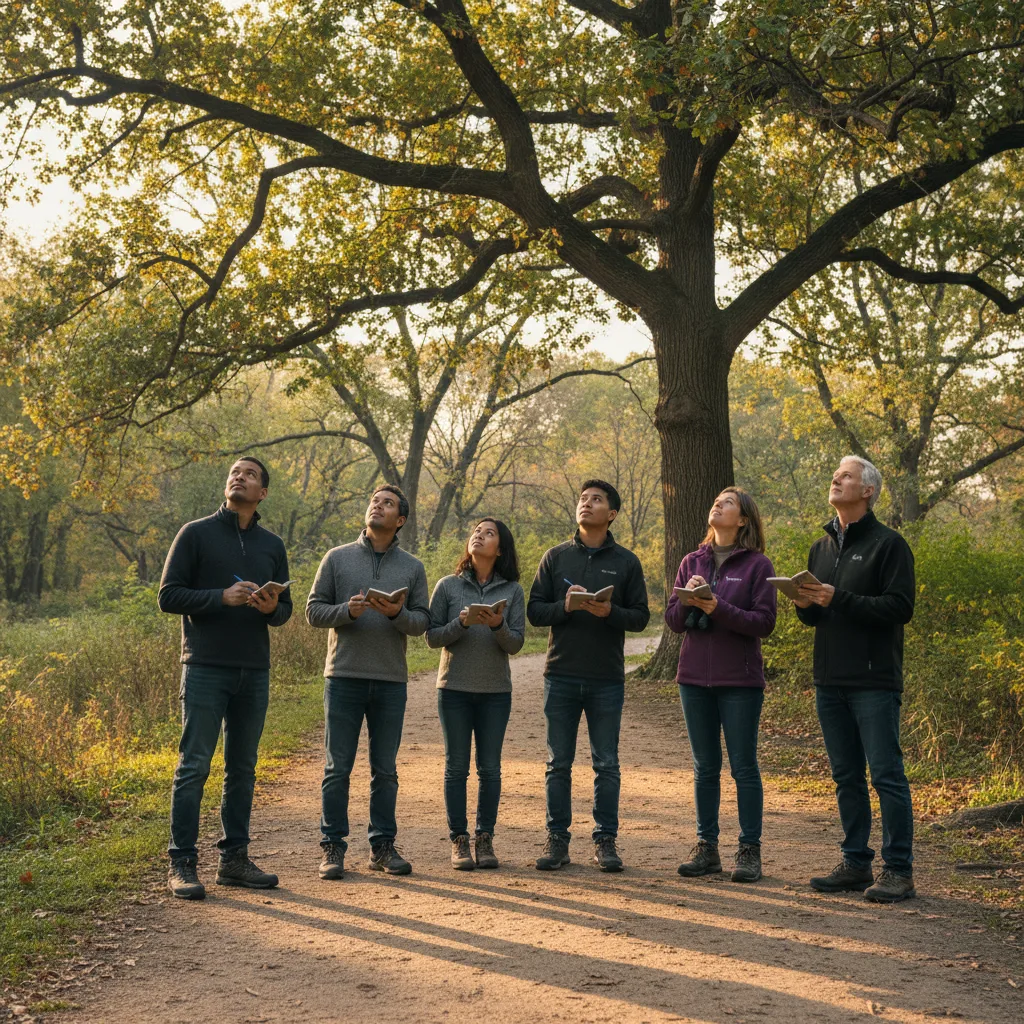
Central Park Event Calendar Features Climate Week Activities September 27
Central Park's event calendar for September 27, 2026, included a Climate Week-aligned "Journal, Meditation, + Bird Walk," promoting environmental awareness.
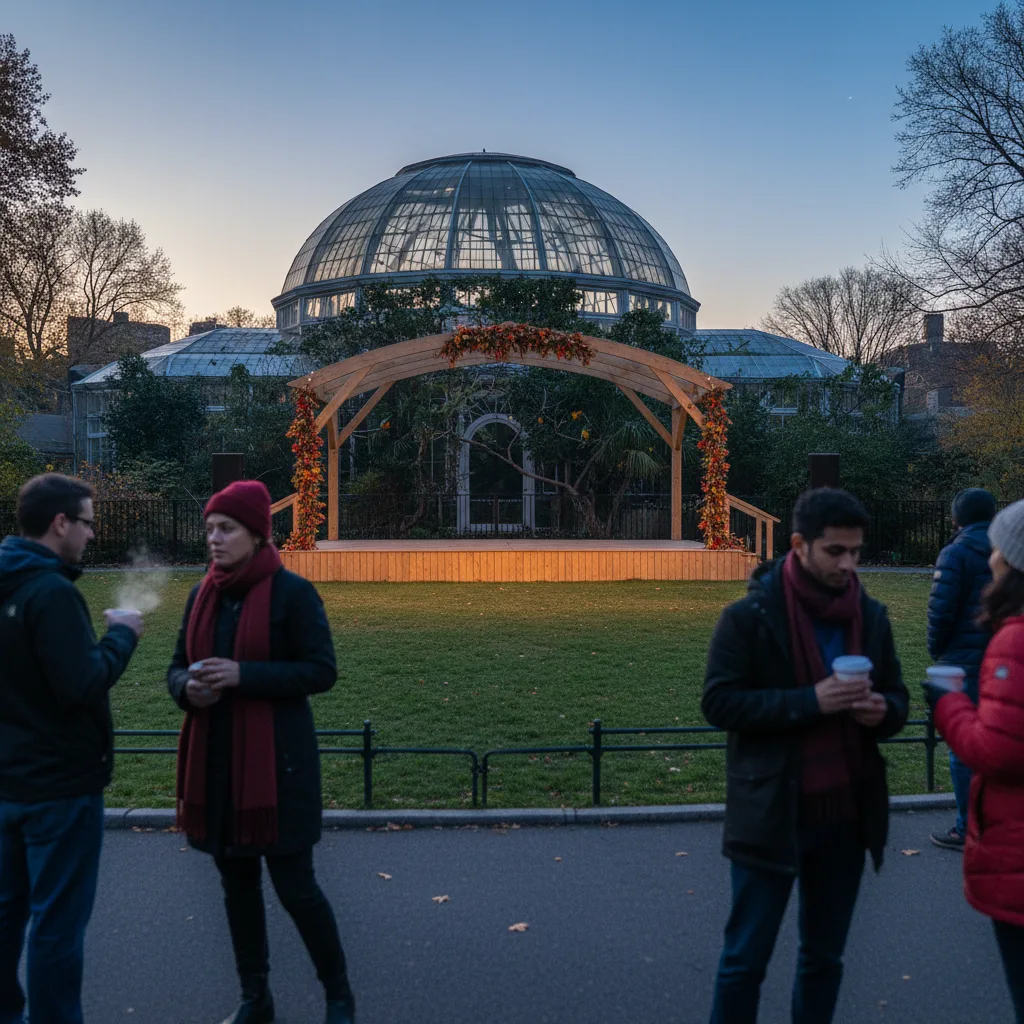
Wildlife Conservation Society Awards Lovejoy Prize at Central Park Zoo
Wildlife Conservation Society awards 2026 Thomas E. Lovejoy Prize today at Central Park Zoo during Climate Week in New York City.
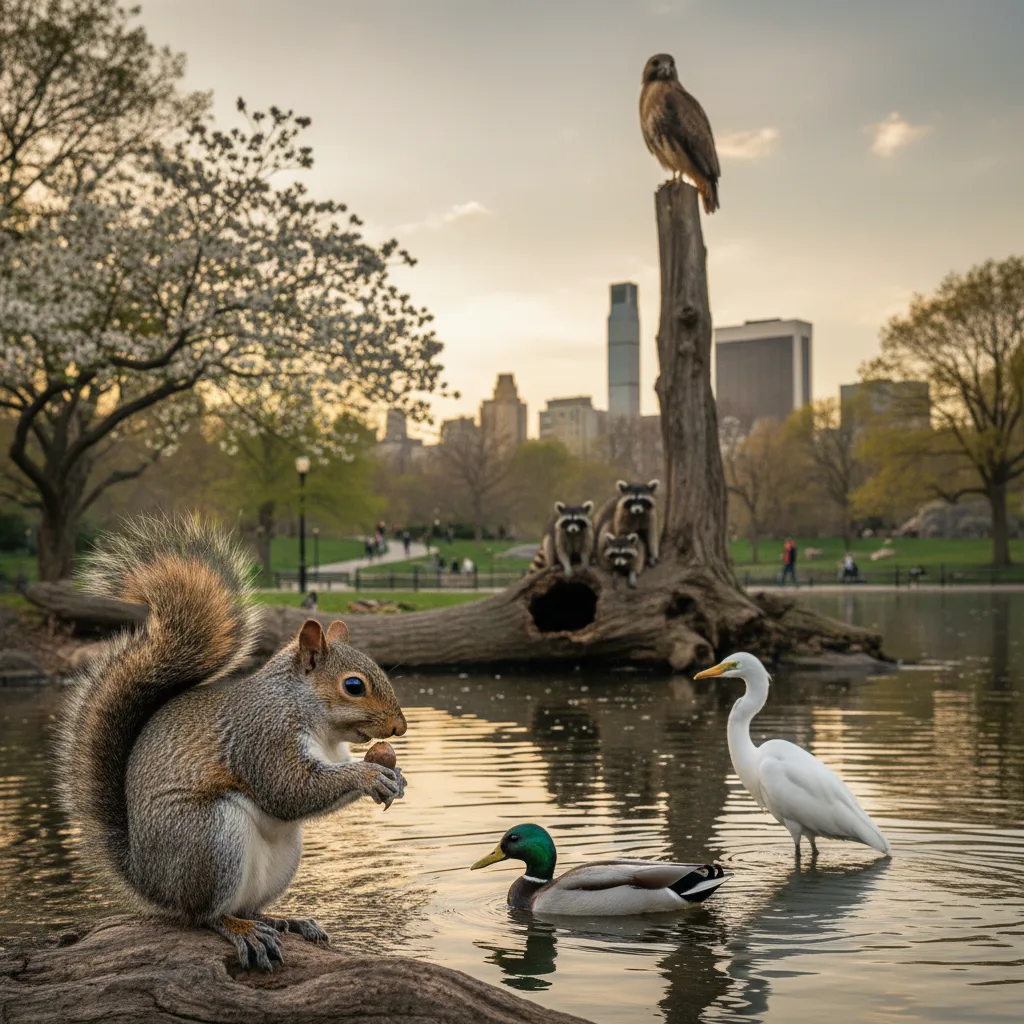
A Guide to Central Park's Wildlife: What to Know About the Park's Animals and Ecosystem
Discover the diverse Central Park wildlife, from birds and mammals to aquatic life. Learn responsible observation tips and conservation efforts for 2026.
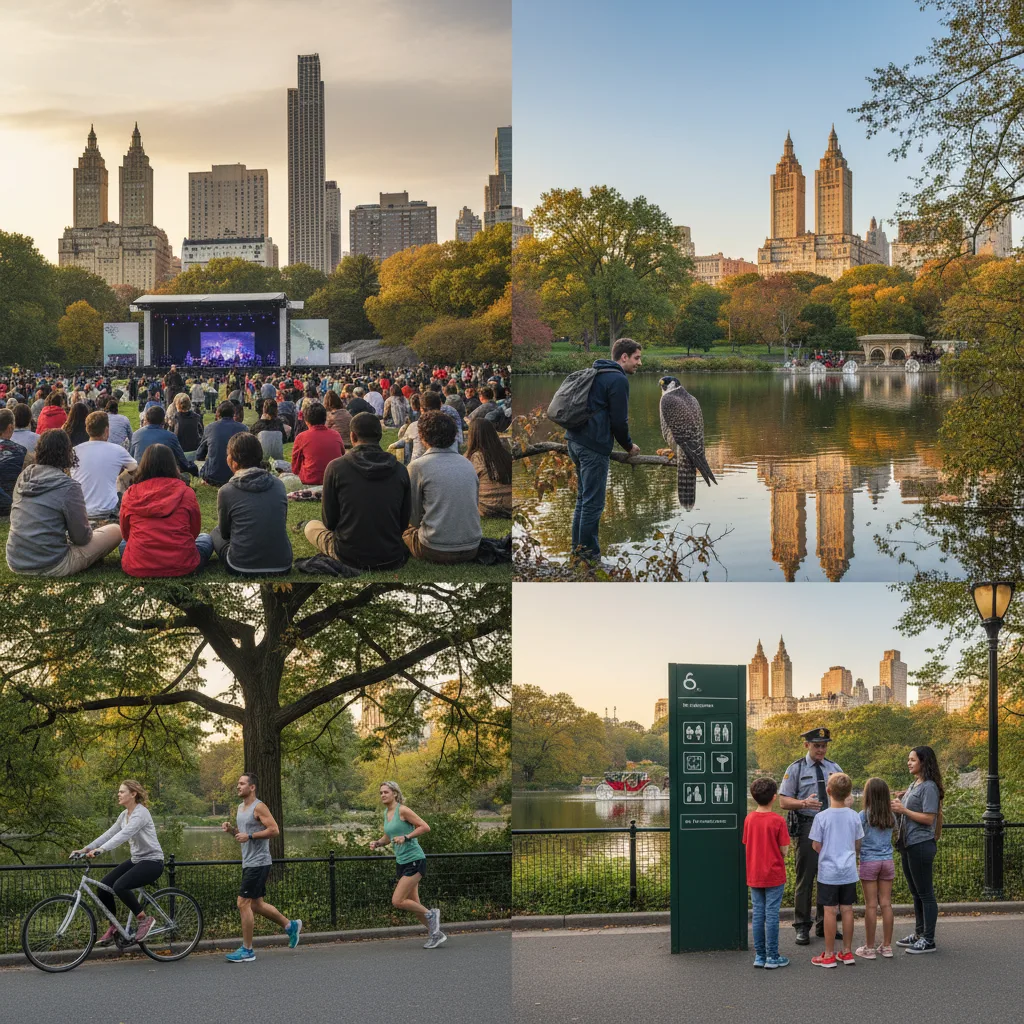
A Guide to Central Park's Top Activities and Best Things to Do in 2026
Discover the best things to do in Central Park, NYC, with our comprehensive 2026 guide to iconic landmarks, activities, and hidden gems for visitors.
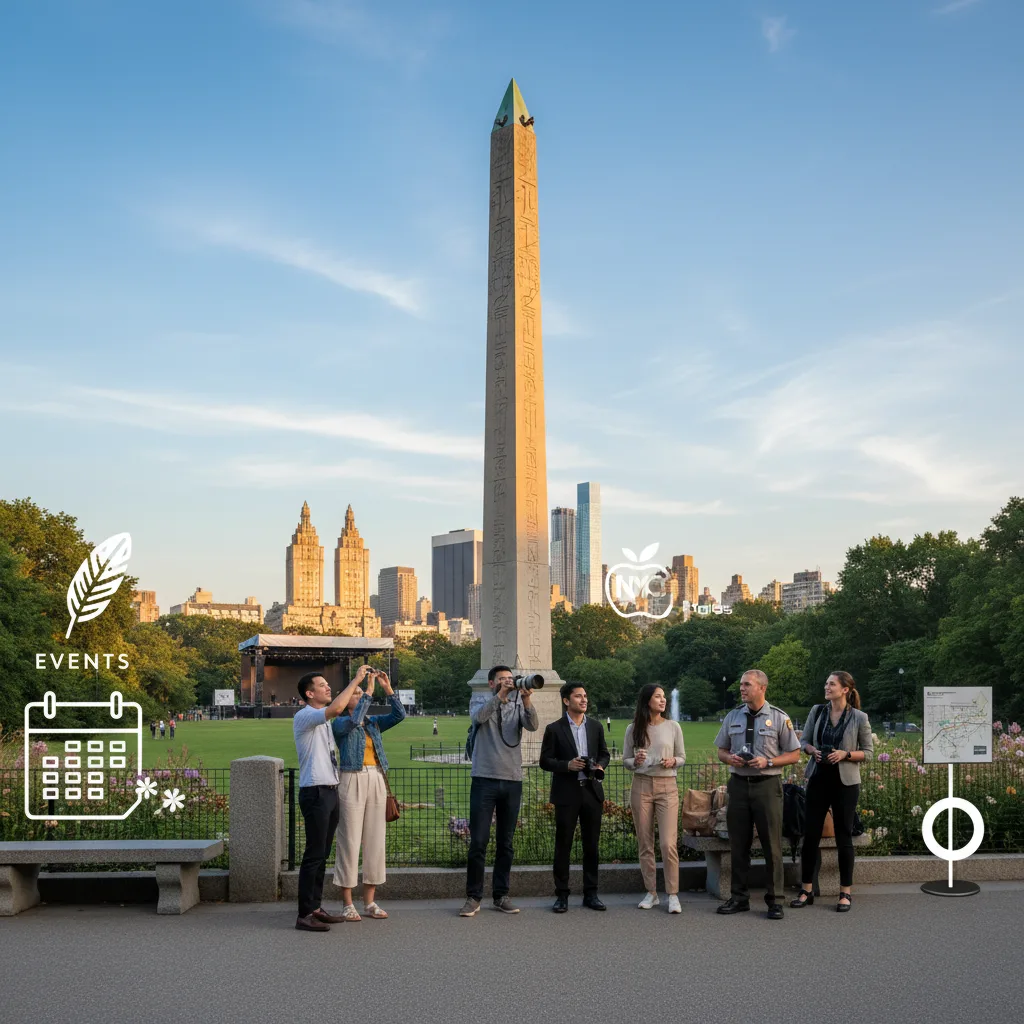
A Guide to What to Know About the Vatican Obelisk in Central Park 2026
Discover what to know about the Vatican Obelisk (Cleopatra's Needle) in Central Park, its history, journey to NYC, and where to find it in 2026.