


Central Park Conservancy Pushes for Car Ban in All NYC Parks by March 2026
Enjoying the coverage?
Central Park news, events and park updates in your inbox every Friday. Free; unsubscribe in one click.
Sent every Friday. By subscribing, you agree to our Terms of Use and Privacy Policy.
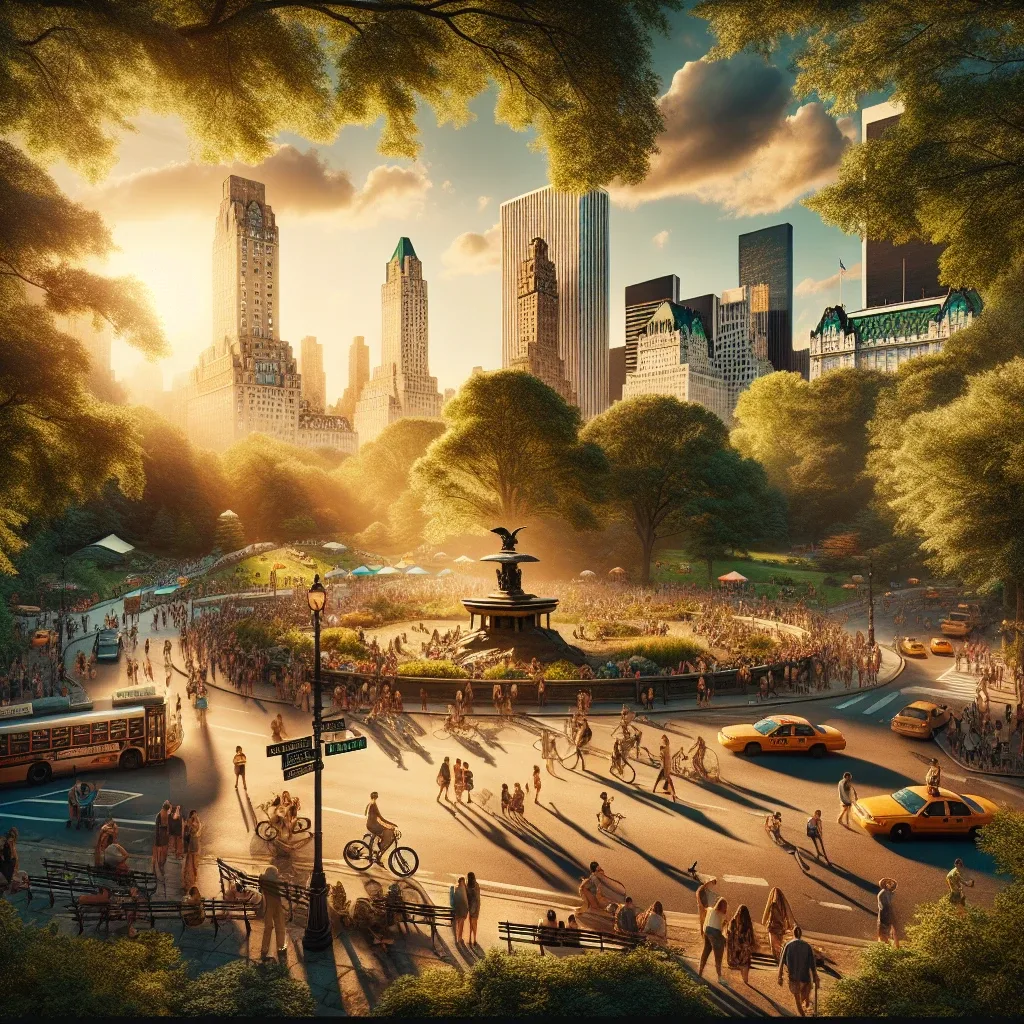
NEW YORK — The Central Park Conservancy has intensified its advocacy for a citywide ban on cars from all New York City parks, with a target date of March 31, 2026. This significant policy push, detailed in a recent press release, aims to enhance pedestrian safety, reduce air pollution, and reclaim green spaces for recreational use. The Conservancy's campaign comes alongside an announcement of various defrosting events scheduled for March within Central Park.
The initiative builds upon the success of Central Park's own car-free zones, which have expanded over recent years. Advocates argue that extending this model to all city parks would create a healthier and safer environment for millions of New Yorkers. This bold proposal seeks to fundamentally alter how residents interact with their urban green infrastructure.
The Vision for Car-Free Parks
For years, Central Park has served as a proving ground for the car-free movement. In 2018, all vehicular traffic was permanently banned above 72nd Street, a move that significantly improved safety for cyclists and pedestrians. This success provides a compelling argument for the Conservancy's broader vision. "Our goal is simple: to make every city park a sanctuary for people, not cars," affirmed Elizabeth W. Smith, President and CEO of the Central Park Conservancy, in a statement to The New York Times.
The Central Park News Friday Briefing
Central Park news, events and park updates in your inbox every Friday. Free; unsubscribe in one click.
Sent every Friday. By subscribing, you agree to our Terms of Use and Privacy Policy.
Removing cars from parks would free up miles of roadways, transforming them into additional pedestrian and cycling paths, or even new green spaces. This move promises to dramatically reduce noise pollution and vehicle emissions, improving air quality in densely populated neighborhoods. The Conservancy cites health benefits for residents, especially children and the elderly.
Environmental and Safety Benefits
The environmental benefits of a citywide car ban are substantial. Reduced vehicular traffic directly correlates with lower levels of particulate matter and greenhouse gas emissions, contributing to cleaner air across the five boroughs. This aligns with New York City's broader climate goals and public health initiatives. The initiative also aims to reduce the carbon footprint associated with park maintenance.
From a safety perspective, the data is clear: fewer cars mean fewer accidents. Pedestrians and cyclists would no longer contend with traffic, significantly decreasing the risk of collisions. This is particularly crucial in parks, where children and families are prevalent. The Conservancy points to a 90% reduction in vehicle-pedestrian collisions in Central Park's car-free zones since their implementation.
Opposition and Logistical Challenges
While the concept of car-free parks enjoys broad support from environmental and pedestrian advocacy groups, it faces opposition from various stakeholders. Some argue that emergency vehicle access could be hampered, although the Conservancy ensures that emergency services would maintain necessary routes. Local businesses surrounding parks might also fear reduced customer access, though this has not been a sustained issue for Central Park businesses.
Logistically, implementing such a ban across all 1,700-plus parks in NYC presents significant challenges, including re-routing traffic on adjacent city streets and managing access for park maintenance vehicles. The Department of Transportation would need to undertake extensive traffic studies and infrastructure adjustments to accommodate the shift. "Any citywide policy requires careful planning and robust public discourse," noted a representative from the NYC Department of Transportation.
March 2026 Events in Central Park: Defrosting the City
Amidst this policy debate, Central Park is also gearing up for a series of March events designed to welcome spring and celebrate the park's natural beauty as the city defrosts. These events include guided nature walks focusing on early spring flora, birdwatching tours near the Harlem Meer, and family-friendly activities at the Charles A. Dana Discovery Center. The full schedule promises a vibrant start to spring.
Special programs will also commemorate Women's History Month, with tours highlighting the contributions of women to the park's history and development. "March is a beautiful time to rediscover the park as it awakens," expressed a Central Park Conservancy event coordinator, detailing events available via Central Park Conservancy press releases. These events encourage greater public engagement and appreciation for the park's diverse offerings.
Public Engagement and Next Steps
To advance their car-ban initiative, the Central Park Conservancy plans to engage in a series of public forums and consultations with city officials, community boards, and local residents throughout 2026. These discussions are critical for addressing concerns and building consensus around the proposed changes. The Conservancy is actively soliciting public feedback through their website.
Securing broad public and political support will be key to meeting the ambitious March 31, 2026, deadline for a citywide car ban. The success of this advocacy effort could set a precedent for urban park management globally. For more information on park events and advocacy efforts, visitors can explore the Central Park official news page.
FAQs About Park Car Bans and March Events
Many residents inquire about the specific impact of a car ban on park access, particularly for individuals with mobility challenges. The Central Park Conservancy's proposal includes provisions for accessible transportation within the parks, such as electric shuttles, and maintains necessary access for emergency and maintenance vehicles. The goal is to improve accessibility for all, not restrict it.
Regarding March 2026 events, most are free, but some specialized tours or workshops may require pre-registration or a small fee. Specific details for each event, including meeting points like the Dairy Visitor Center or Loeb Boathouse, and accessibility information, are available on the Conservancy's official website. Check the schedule regularly as new events might be added as spring approaches.
The Central Park News Friday Briefing
Central Park news, events and park updates in your inbox every Friday. Free; unsubscribe in one click.
Sent every Friday. By subscribing, you agree to our Terms of Use and Privacy Policy.
Related Articles
More in Urban Policy & Development →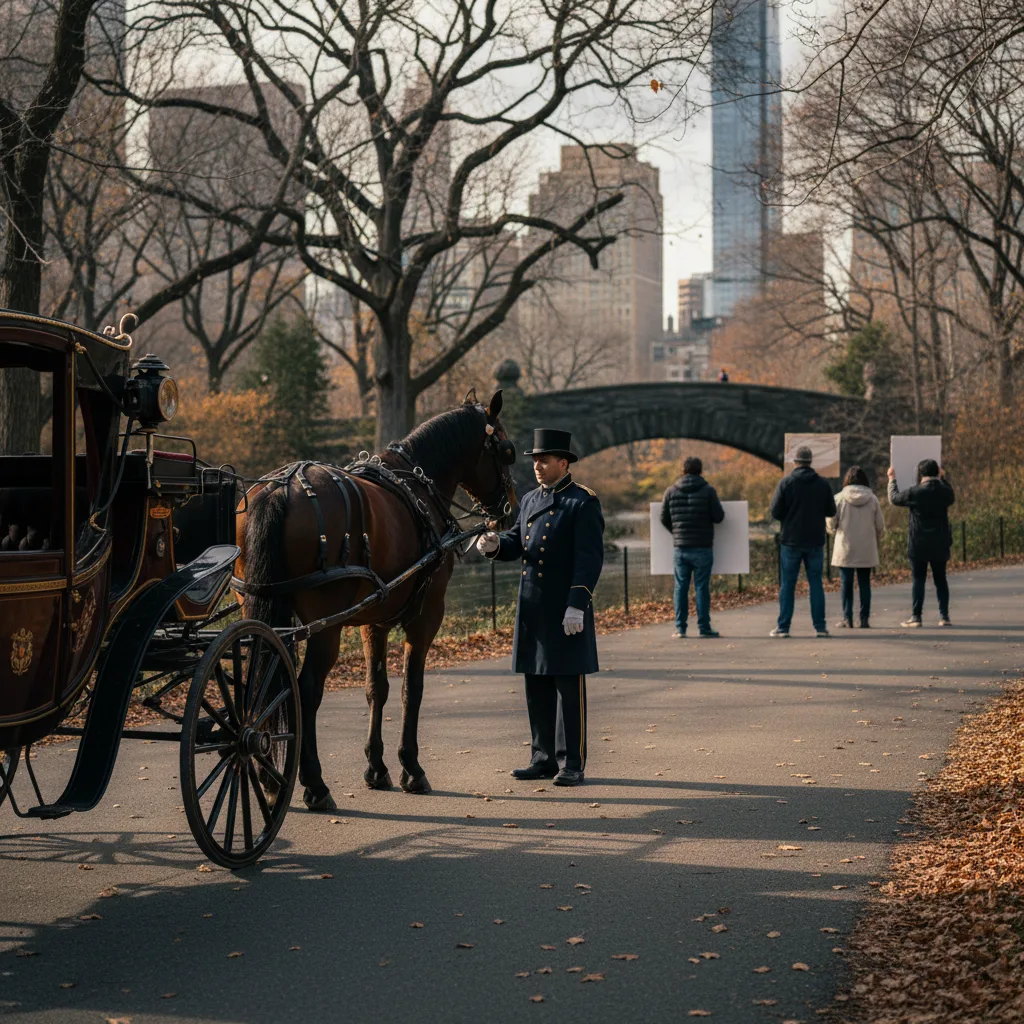
Mayor Mamdani Signs Horse Carriage Ban, Industry Sues City
Mayor Zohran Mamdani signed a bill into law Thursday that will phase out New York City's horse-drawn carriage industry, prompting an immediate lawsuit from carriage drivers.
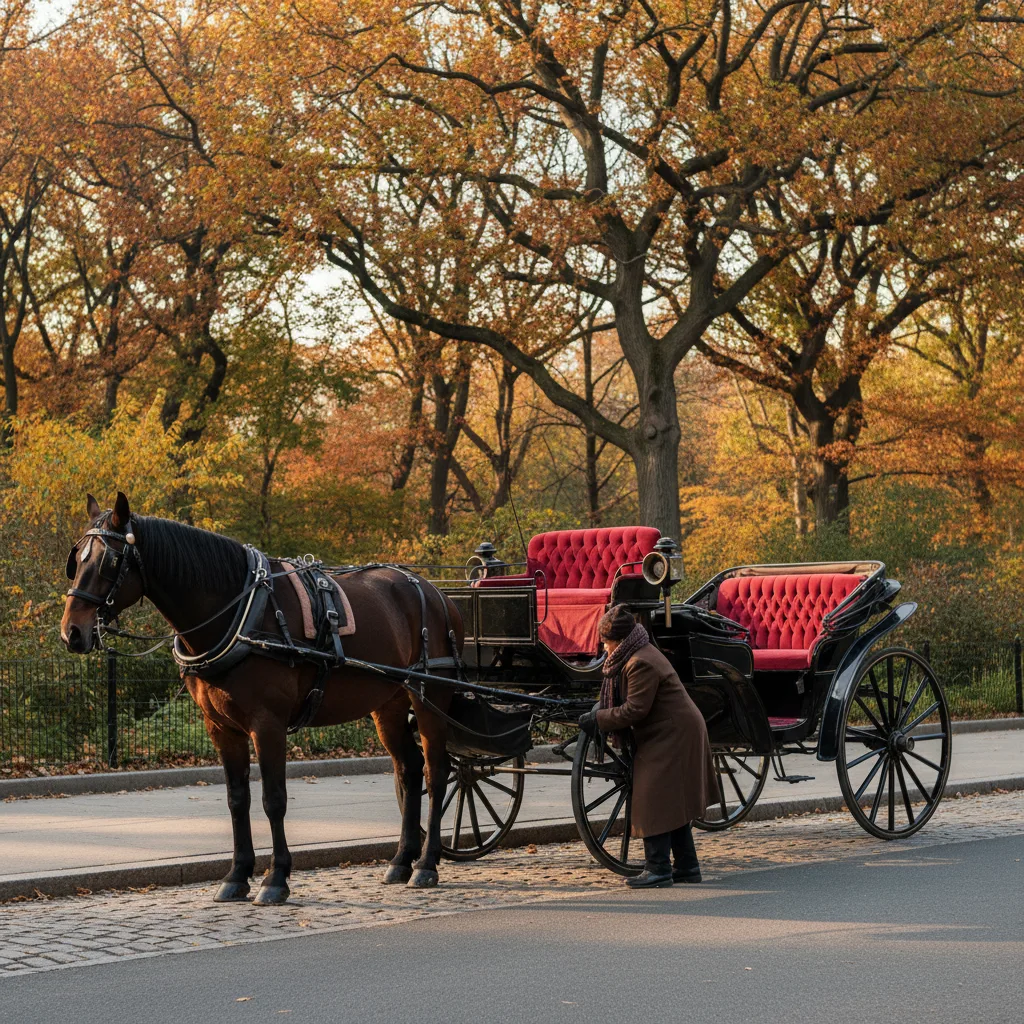
NYC Carriage Drivers Sue City Over Horse-Drawn Carriage Ban
Central Park's horse-drawn carriage drivers filed a lawsuit against New York City on Thursday, November 19, 2026, challenging a new law banning their operations.
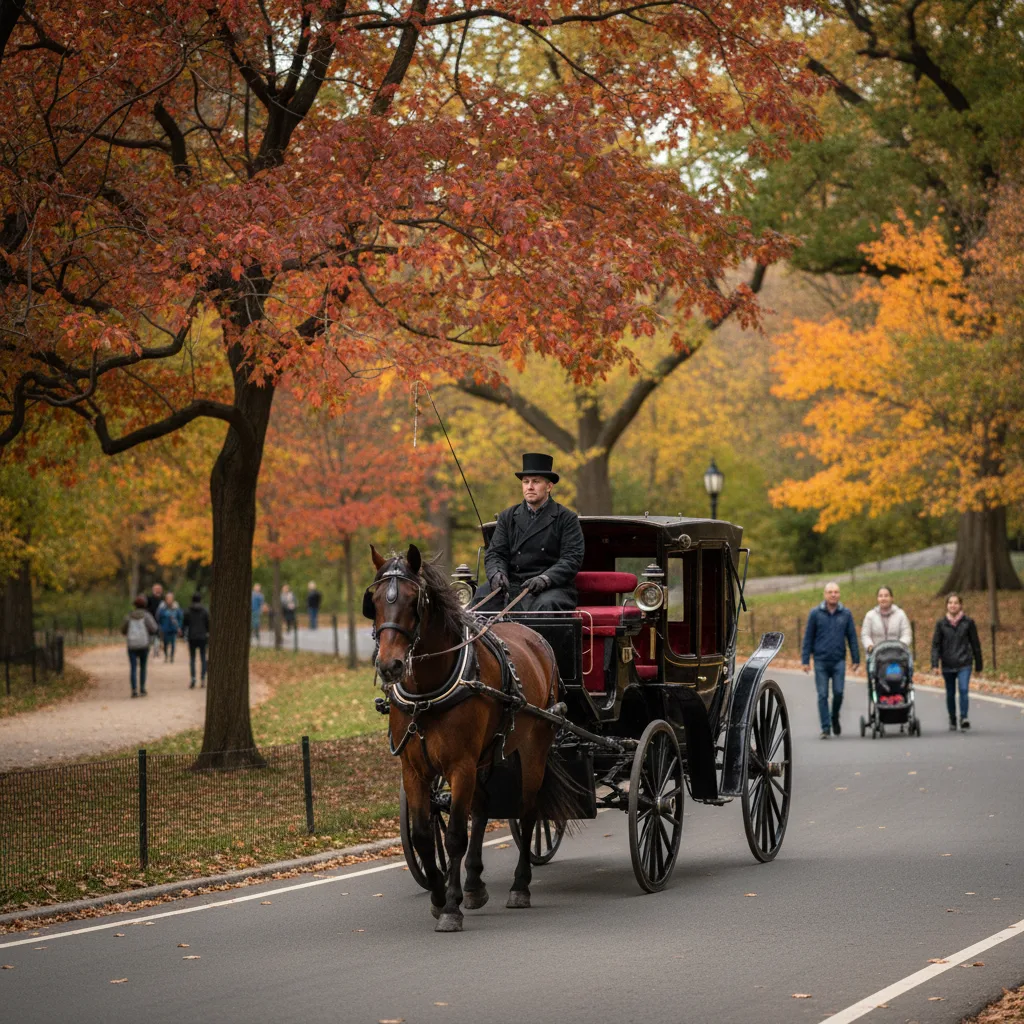
Mayor Mamdani Signs Law Phasing Out NYC Horse Carriages by 2028
Mayor Zohran Mamdani signed legislation on November 20, 2026, to phase out New York City's horse-drawn carriage industry by June 1, 2028.
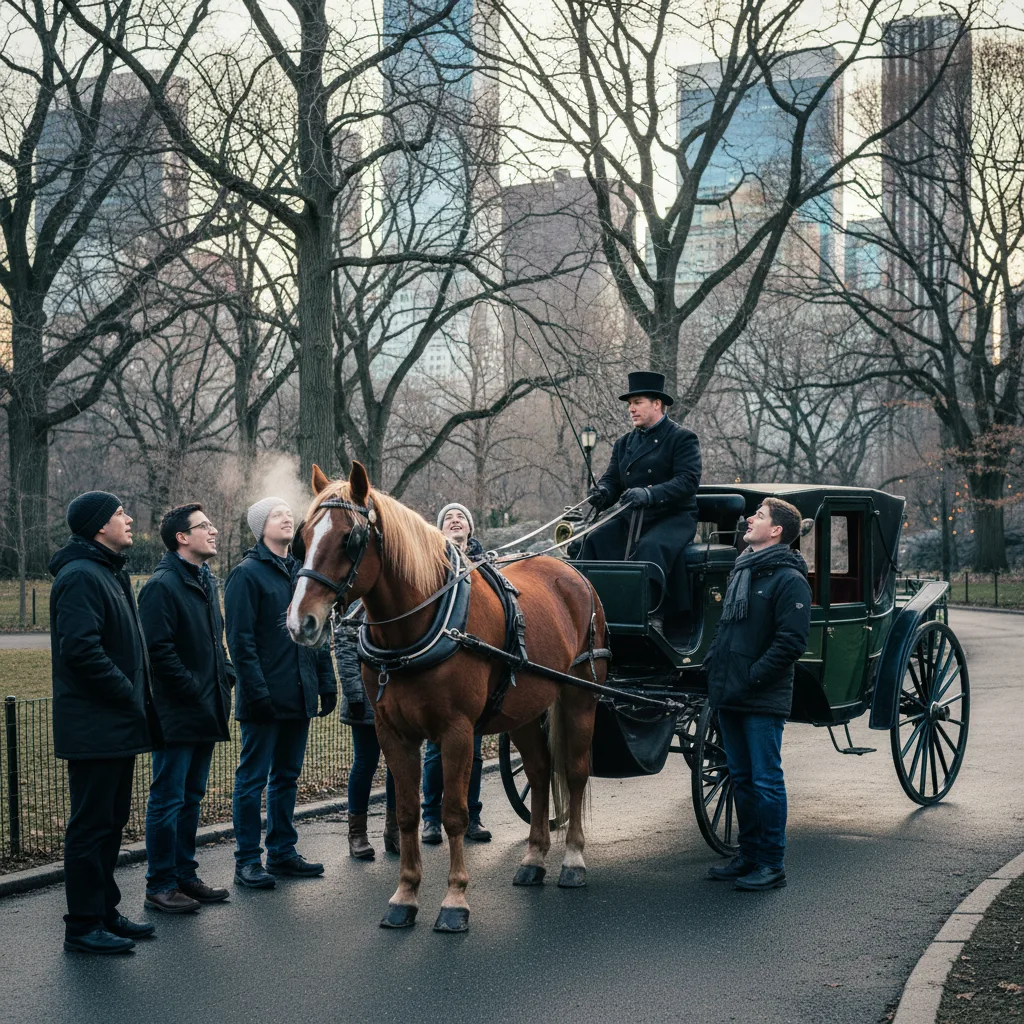
Central Park Carriage Drivers Sue NYC Over Mamdani Ban
Central Park horse-drawn carriage drivers filed a federal lawsuit against New York City on November 20, 2026, challenging Mayor Zohran Mamdani's ban.
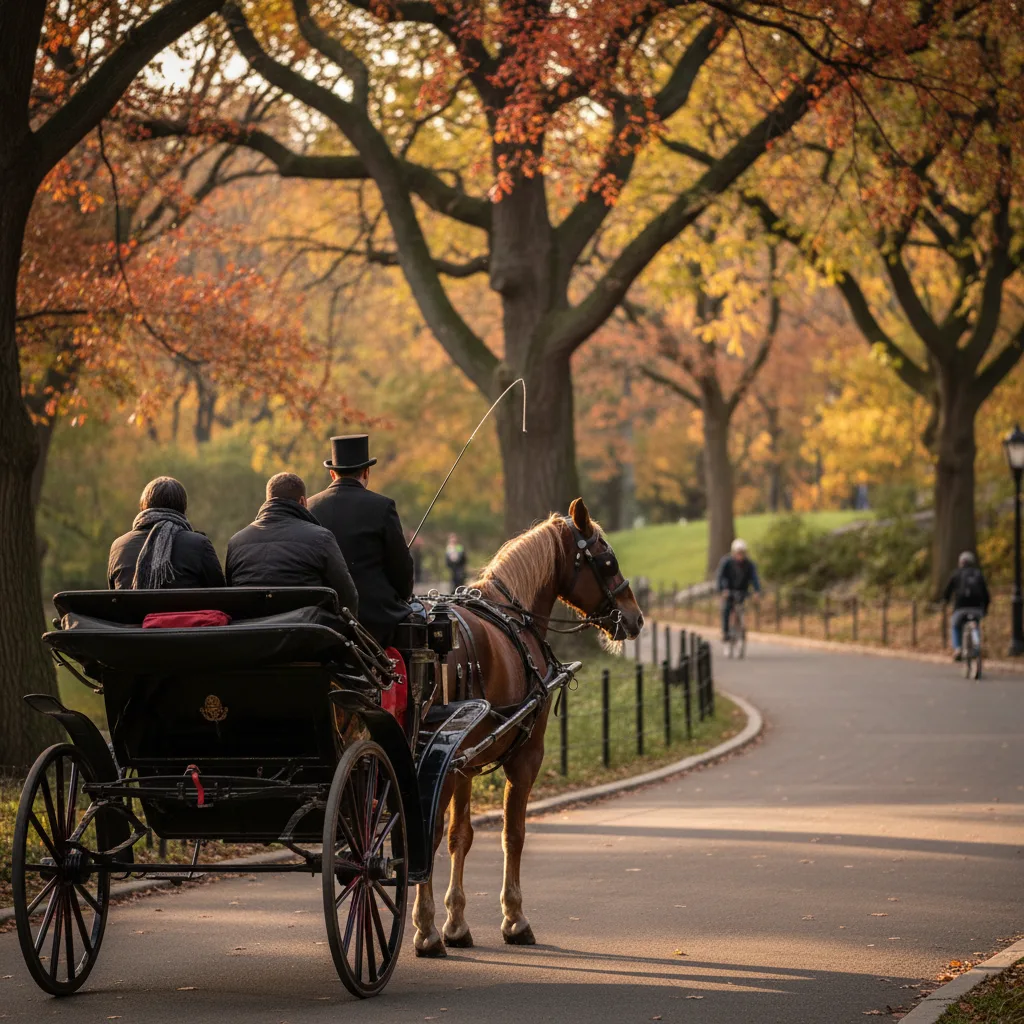
Mayor Mamdani Bans Central Park Horse Carriages, Effective 2028
Mayor Zohran Mamdani signed legislation on November 19, 2026, officially banning horse-drawn carriages in Central Park, with the ban taking effect on June 1, 2028.
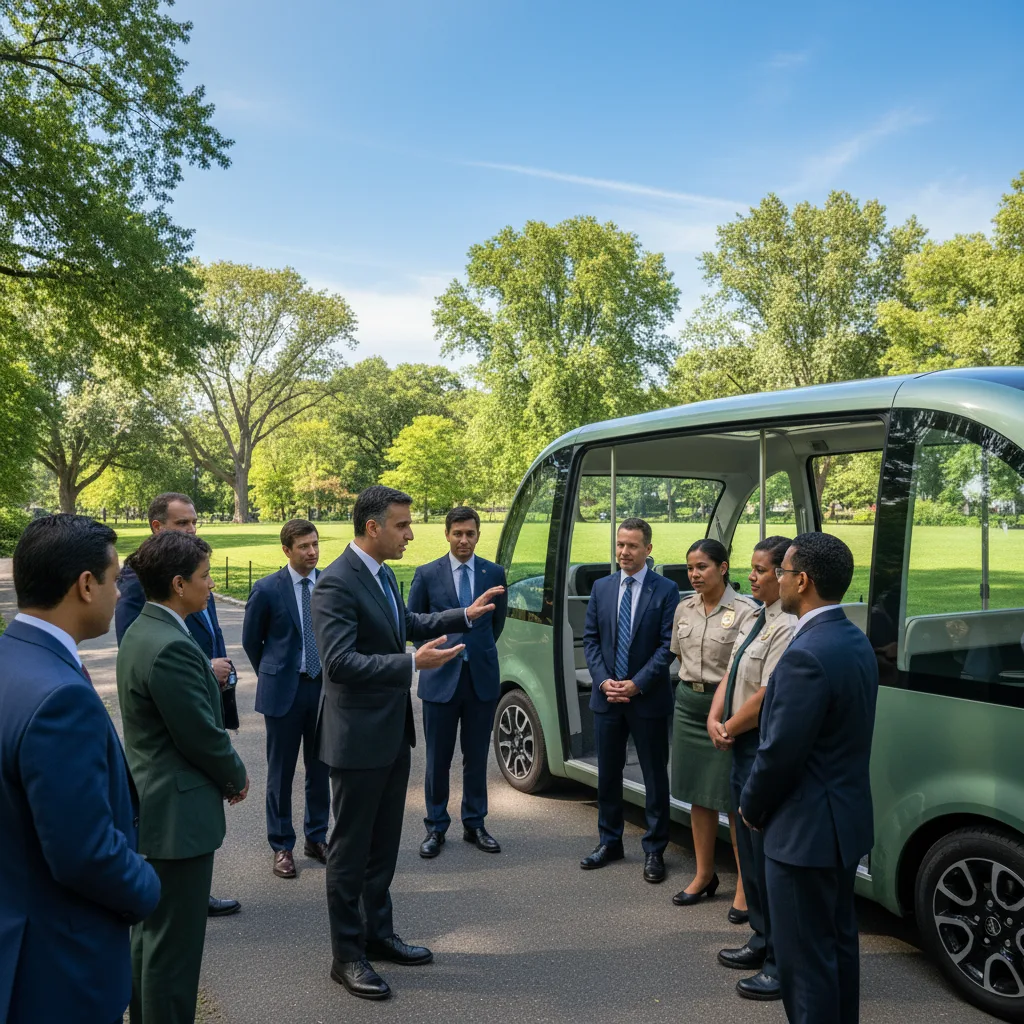
Mayor Mamdani Explores Electric Vehicles for Central Park Tourism
Mayor Zohran Mamdani is considering electric tourism vehicles for Central Park following the city's approval to end horse-carriage rides.