


Central Park Conservancy Seeks Volunteers for Spring Restoration 2026

NEW YORK — The Central Park Conservancy is actively recruiting volunteers for its crucial Spring Restoration program in 2026, calling upon community members to help prepare the park for its busiest season.
From planting thousands of new bulbs to clearing winter debris and restoring pathways, these efforts are vital to maintaining the beauty and ecological health of the iconic 843-acre green space.
Conservancy Mobilizes for Annual Spring Clean-Up Efforts
Each spring, as the last vestiges of winter recede, the Central Park Conservancy launches its intensive restoration initiatives. These programs rely heavily on dedicated volunteers who contribute thousands of hours annually.
Volunteer tasks include a wide range of activities, such as planting new flower beds in the Conservatory Garden, raking leaves and fallen branches from the Great Lawn, and assisting with erosion control in areas like The Ramble.
“Our volunteers are the backbone of Central Park’s beauty,” stated Emily Carter, Director of Volunteer Programs for the Central Park Conservancy. “Their dedication ensures that millions of visitors each year experience the park at its very best, especially during the vibrant spring months."
Last year, over 3,000 individual volunteers contributed more than 30,000 hours to park maintenance and restoration projects. The Conservancy aims to surpass these figures in 2026, expanding its outreach to local community groups and schools.
Diverse Roles for Community Engagement and Environmental Stewardship
Volunteer opportunities are diverse, catering to various skill levels and interests. Individuals can sign up for one-off planting events, join regular gardening groups, or assist with specialized projects such as invasive species removal or trail maintenance.
No prior experience in gardening or landscaping is necessary, as the Conservancy provides all necessary training, tools, and supervision. This makes it an accessible way for New Yorkers to contribute directly to their urban environment.
“I’ve been volunteering for three years now, and it’s incredibly rewarding to see the immediate impact of our work,” said Michael Chen, a resident of the Upper West Side who regularly helps maintain the paths near the Reservoir. “It’s a tangible way to give back to the city.”
The Central Park Conservancy manages over 20,000 trees and millions of plants within the park, making continuous care essential. Even on a pleasant spring afternoon, the Conservancy's ground crews are meticulously pruning and planting, ensuring every corner thrives.
Educational Programs and Long-Term Impact
Beyond immediate restoration, the Spring program also incorporates educational components. Volunteers learn about the park’s ecological systems, the history of its landscape design, and sustainable gardening practices.
These educational initiatives aim to foster a deeper appreciation for Central Park’s natural heritage and encourage ongoing environmental stewardship among participants. Many volunteers return year after year, building a strong sense of community.
"Understanding the science behind what we do empowers our volunteers to become true park advocates," explained Dr. David Lopez, Head of Horticulture for the Conservancy. "It’s not just about weeding; it’s about nurturing an entire urban ecosystem."
For those interested in contributing, detailed information about registration, event schedules, and specific volunteer roles can be found on the Central Park Conservancy's official newsroom and volunteer portal.
Supporting Central Park's Future Through Collaborative Efforts
The success of these annual programs is a testament to the collaborative spirit between the Conservancy’s professional staff and the dedicated public. It ensures that Central Park remains a vibrant, healthy, and accessible resource for all.
Local businesses and corporate groups are also encouraged to participate through organized team-building volunteer days. These partnerships provide vital support and often result in significant contributions to larger-scale projects within the park. This kind of local engagement is essential to maintaining Central Park's beauty and accessibility.
As spring approaches, the Conservancy looks forward to welcoming both returning volunteers and new faces to help shape the next chapter of Central Park’s natural splendor. Their collective efforts directly benefit millions who use the park daily.
Central Park Conservancy Spring Volunteering: Quick Answers
What kind of tasks do Central Park Conservancy volunteers perform in the spring?
Spring volunteers engage in a variety of essential tasks, including planting flowers and bulbs, raking leaves and clearing debris, maintaining pathways, weeding garden beds, and participating in erosion control projects throughout the park's 843 acres.
Do I need prior experience to volunteer with the Central Park Conservancy?
No prior experience is necessary. The Central Park Conservancy provides all required training, tools, and supervision for its volunteer programs, making it accessible for anyone interested in contributing to the park's maintenance and beauty.
How can I sign up to volunteer for Central Park's Spring Restoration program in 2026?
Interested individuals or groups can sign up and find detailed information about volunteer opportunities, schedules, and registration on the official Central Park Conservancy website, specifically within their newsroom or dedicated volunteer portal.
Related Articles
More in Wildlife & Nature →
Central Park Boathouse Bird Watching Tour Offers Educational Experience
Central Park Boathouse offers an educational bird watching tour, providing visitors an opportunity to observe avian species. This experience connects locals with nature, enhancing appreciation for park wildlife.
Central Park Event Calendar Features Climate Week Activities September 27
Central Park's event calendar for September 27, 2026, included a Climate Week-aligned "Journal, Meditation, + Bird Walk," promoting environmental awareness.
Wildlife Conservation Society Awards Lovejoy Prize at Central Park Zoo
Wildlife Conservation Society awards 2026 Thomas E. Lovejoy Prize today at Central Park Zoo during Climate Week in New York City.
A Guide to Central Park's Wildlife: What to Know About the Park's Animals and Ecosystem
Discover the diverse Central Park wildlife, from birds and mammals to aquatic life. Learn responsible observation tips and conservation efforts for 2026.
A Guide to Central Park's Top Activities and Best Things to Do in 2026
Discover the best things to do in Central Park, NYC, with our comprehensive 2026 guide to iconic landmarks, activities, and hidden gems for visitors.
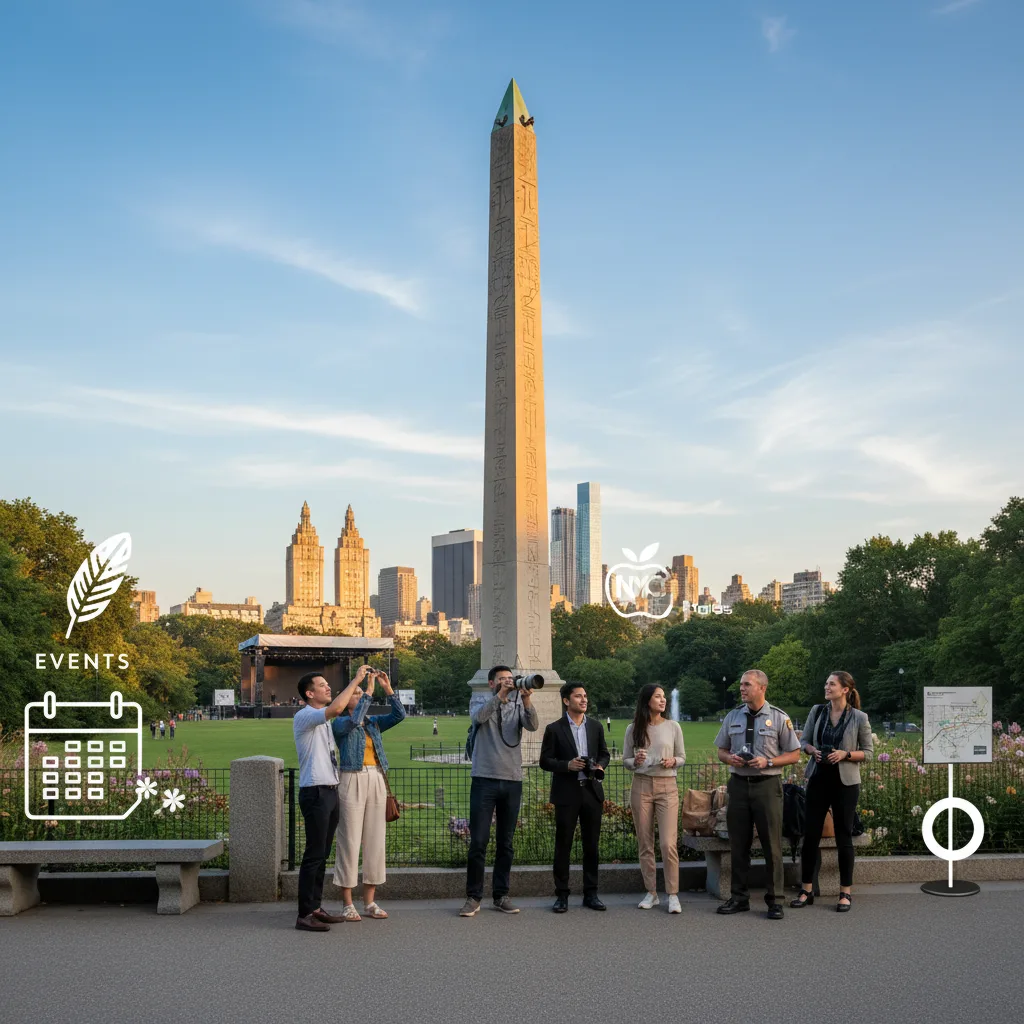
A Guide to What to Know About the Vatican Obelisk in Central Park 2026
Discover what to know about the Vatican Obelisk (Cleopatra's Needle) in Central Park, its history, journey to NYC, and where to find it in 2026.