


Central Park Conservatory Garden Showcases Spring 2026 Floral Display
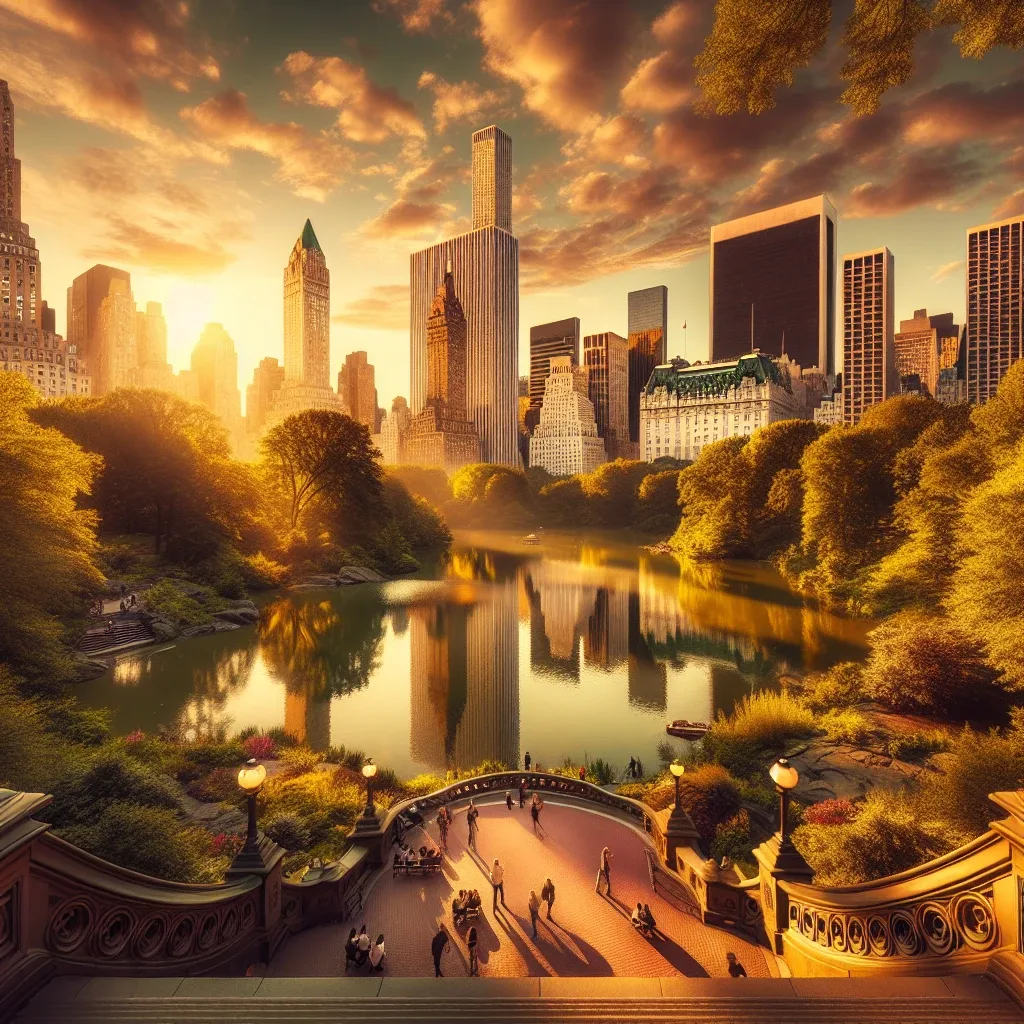
NEW YORK — Central Park’s Conservatory Garden has officially burst into a spectacular array of colors, marking the eagerly awaited arrival of spring 2026. Thousands of tulips, daffodils, and hyacinths now blanket the garden's meticulously designed beds, drawing a consistent stream of local visitors and international tourists alike. The vibrant display is expected to continue through late May, offering a tranquil escape within the bustling city.
A Symphony of Blooms in East Harlem
The Conservatory Garden, Central Park's only formal garden, spans six acres between 104th and 106th Streets on the east side, accessible via the majestic Vanderbilt Gate at Fifth Avenue and 105th Street. This iron gate, originally a gift from Cornelius Vanderbilt II, once stood at his Fifth Avenue mansion. Today, it serves as a grand entrance to a botanical masterpiece.
Seasonal plantings are a hallmark of the garden, changing with each turn of the calendar. Early spring 2026 brought a dazzling collection of over 100,000 bulbs, carefully cultivated and planted by the Central Park Conservancy horticulture team. These efforts ensure a seamless transition from one bloom cycle to the next, maintaining the garden's iconic beauty for all to enjoy.
The Three Distinct Sections of Floral Grandeur
The garden is divided into three distinct sections, each with its own character and charm, providing varied experiences for visitors. The northern end features the French-style garden, centered around the Three Dancing Maidens fountain, where geometric patterns and precise lines define its elegance. The vibrant yellows and reds of early-season pansies now dominate this section, creating a striking visual.
In contrast, the central Italianate Garden offers a more open, expansive feel, framed by stately yew hedges and featuring a large lawn that leads to a beautiful wisteria pergola. Its focal point is the grand fountain, where two figures hold an ornate shell, reflecting the classical design. Families often picnic on the grass here, soaking in the serene atmosphere and the delicate scent of blossoms.
To the south, the English-style garden provides a more informal, winding landscape, known as the Burnett Fountain, adorned with a bronze statue of Mary and Dickon from Frances Hodgson Burnett's classic The Secret Garden. This section is currently a riot of pink and purple crocuses and early rhododendrons, creating a more intimate, romantic setting. The diverse floral selections across these areas mean there is always something new to discover with each visit.
Central Park Conservancy's Meticulous Care
The Central Park Conservancy, a private, non-profit organization, manages the garden's year-round maintenance and seasonal planting schedule. Their dedicated staff and volunteers work tirelessly to preserve the garden's historical integrity and horticultural excellence. The Conservancy relies heavily on private donations to fund these extensive operations.
"We are immensely proud of the Conservatory Garden, especially during the spring bloom when it truly shines," stated Elizabeth Graham, Chief Horticulturalist for the Central Park Conservancy, on Tuesday morning. Graham confirmed that the team began preparing for the spring display as early as last autumn, ensuring robust growth and vibrant colors for all to witness. This level of planning is essential for a garden of this scale.
Visitors can find full Central Park event schedules and detailed information about the garden's history on the Conservancy’s official website. These resources offer deeper insights into the complex operations that maintain the park's natural and designed beauty. Many visitors find these details enhance their appreciation of the space.
Planning Your 2026 Visit and Beyond
Access to the Conservatory Garden is free, making it an accessible destination for anyone looking to experience one of New York City’s most beautiful floral spectacles. The garden's operating hours are from 8:00 AM until dusk, seven days a week, weather permitting. Photography is encouraged, but visitors are reminded to stay on pathways and respect the plantings.
The Conservatory Garden is more than just a collection of flowers; it is a meticulously curated landscape that tells a story of urban natural beauty and dedicated preservation. This spring 2026 display exemplifies the ongoing commitment to maintaining Central Park as a world-class public space. The vibrant tulips and hyacinths offer a striking contrast to the city's towering skyscrapers, a true urban oasis.
Local families with children often seek out the English Garden for its charming Burnett Fountain, a familiar landmark. Meanwhile, serious gardeners frequently come with sketchbooks and cameras, eager to capture the precise arrangements and diverse species. The garden acts as an outdoor classroom for many, inspiring new horticultural interests.
Frequently Asked Questions About the Spring Blooms
Many visitors wonder about the best times to see specific flowers or what facilities are available within the garden. The peak bloom for tulips and daffodils typically occurs from late April through mid-May, depending on the exact spring temperatures. Visitors can confirm current bloom conditions by checking the Central Park Conservancy's online updates before their trip. Public restrooms are located just outside the garden's main entrance, near the Vanderbilt Gate. Seating is available throughout the garden, particularly in the Italianate and French sections, offering comfortable spots for rest and contemplation. The garden provides an ideal setting for quiet reflection amidst the urban bustle. Learn more about Central Park attractions for future visits and seasonal offerings.
Related Articles
More in Wildlife & Nature →
Central Park Boathouse Bird Watching Tour Offers Educational Experience
Central Park Boathouse offers an educational bird watching tour, providing visitors an opportunity to observe avian species. This experience connects locals with nature, enhancing appreciation for park wildlife.
Central Park Event Calendar Features Climate Week Activities September 27
Central Park's event calendar for September 27, 2026, included a Climate Week-aligned "Journal, Meditation, + Bird Walk," promoting environmental awareness.
Wildlife Conservation Society Awards Lovejoy Prize at Central Park Zoo
Wildlife Conservation Society awards 2026 Thomas E. Lovejoy Prize today at Central Park Zoo during Climate Week in New York City.
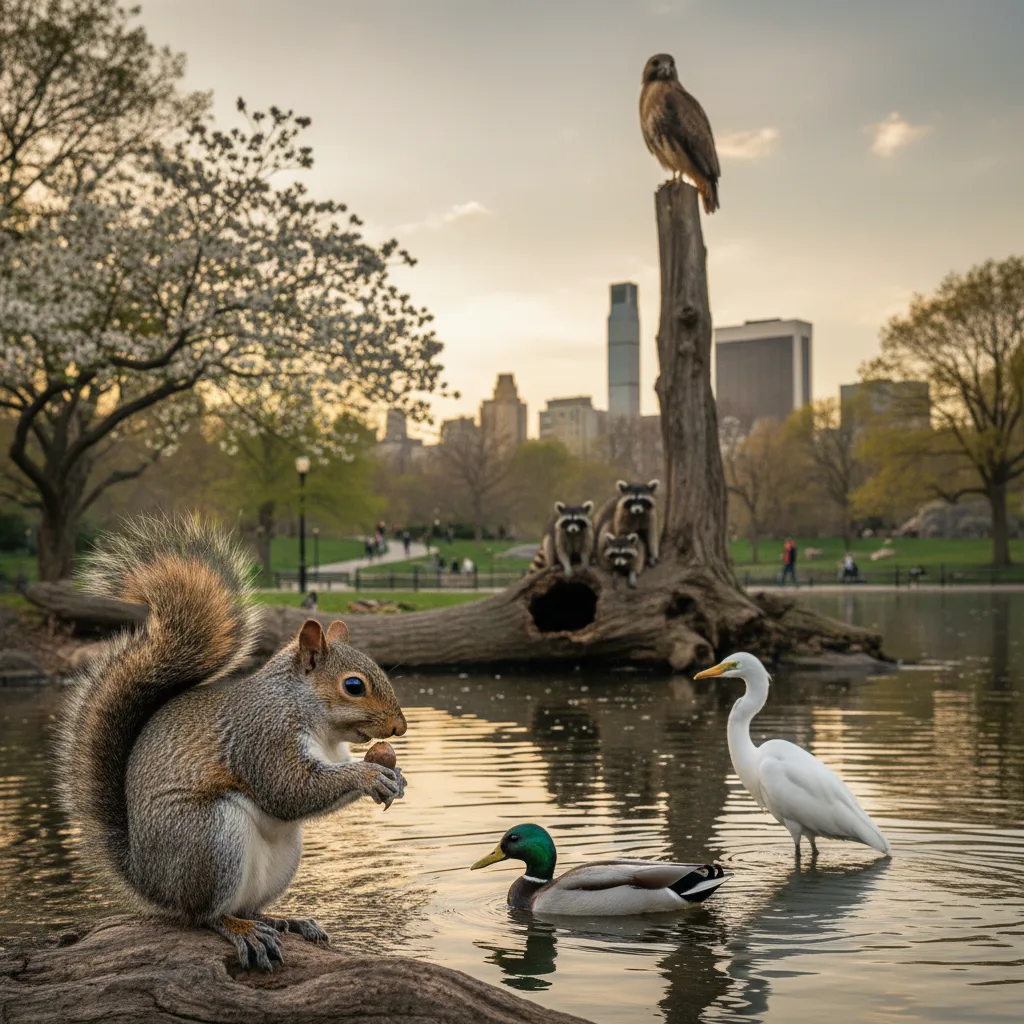
A Guide to Central Park's Wildlife: What to Know About the Park's Animals and Ecosystem
Discover the diverse Central Park wildlife, from birds and mammals to aquatic life. Learn responsible observation tips and conservation efforts for 2026.
A Guide to Central Park's Top Activities and Best Things to Do in 2026
Discover the best things to do in Central Park, NYC, with our comprehensive 2026 guide to iconic landmarks, activities, and hidden gems for visitors.
A Guide to What to Know About the Vatican Obelisk in Central Park 2026
Discover what to know about the Vatican Obelisk (Cleopatra's Needle) in Central Park, its history, journey to NYC, and where to find it in 2026.