


Safety Advocate Blames Park Redesign for Rising Central Park Cyclist Crashes
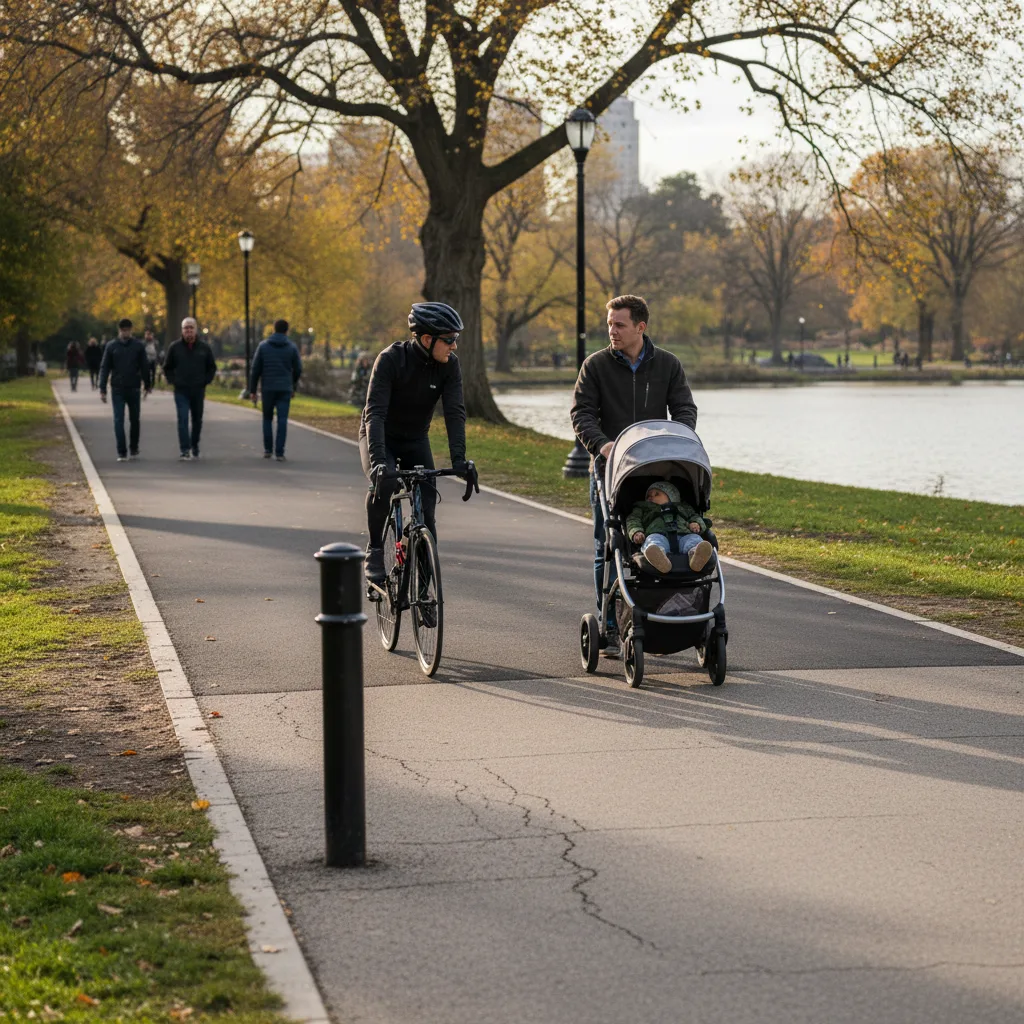
NEW YORK — A safety advocate on Monday blamed recent Central Park redesigns for the death of a pedestrian and a reported rise in cyclist crashes across the park. The statement, made on September 28, 2026, intensified calls for a reevaluation of park infrastructure. The advocate's concerns come as authorities confirm a new fatal incident involving a pedestrian and cyclist.
Recent Fatal Incident Prompts Safety Review
Central Park witnessed a fatal collision recently when a pedestrian was struck by a bicyclist, according to the New York Post. The incident, which led to the pedestrian's death, has brought park safety to the forefront of local discussions. This tragedy has reignited debates about how design changes might affect user safety in shared spaces within the park.
Following the incident, local officials and park users are urging city authorities to review current safety protocols. The increasing number of cyclist-related incidents is causing concern among various groups, including pedestrians and advocacy organizations.
Redesign Accusations and Rising Incident Data
The safety advocate specifically highlighted sections of Central Park where design modifications, intended to improve traffic flow, may have inadvertently increased risks for pedestrians. These changes, implemented in certain areas, reportedly altered traditional pathways and sightlines. The advocate points to data suggesting an uptick in collisions involving bicycles since these redesigns were completed.
While specific figures on cyclist crashes were not immediately available from official sources, the advocate's claims align with anecdotal reports from parkgoers. Many regular visitors have observed a noticeable change in how pedestrians and cyclists interact, particularly in redesigned zones near the Jacqueline Kennedy Onassis Reservoir and along the 72nd Street Transverse.
Community Response and Calls for Action
Community groups and park user associations have expressed growing alarm regarding the safety of Central Park. They are pressing the NYC Parks Department and the Central Park Conservancy to conduct an independent review of all recent redesigns. The groups advocate for immediate measures to mitigate risks, including better signage and clearer demarcations between pedestrian and cycling paths.
Some residents have also called for increased park enforcement and educational campaigns targeting both cyclists and pedestrians. The goal is to foster greater awareness and adherence to safety regulations to prevent future incidents. Concerns extend beyond the immediate incident to the broader implications for the park's millions of annual visitors.
Historical Context of Central Park Design
Central Park, created in 1858, has a long history of design adaptations to meet the recreational needs of a growing city, as detailed on CentralParkNYC.org. Over its 160-year history, the park has undergone numerous changes, from the initial vision of designers Frederick Law Olmsted and Calvert Vaux to modern modifications. The original design prioritized a separation of different modes of transport, an aspect that some advocates argue has been compromised in recent years.
Early park pathways were carefully engineered to create distinct experiences for carriages, equestrians, and pedestrians. This historical precedent is often cited by those who believe that current redesigns should recommit to clearer divisions between user groups. Such a focus could potentially reduce the likelihood of collisions in crowded areas like the Great Lawn perimeter or around Bow Bridge.
Addressing Safety and Future Park Planning
City officials are expected to respond to the growing pressure from safety advocates and community members regarding park safety. Discussions are likely to involve the NYC Parks Department, the Central Park Conservancy, and local council members. The objective is to devise comprehensive strategies that can effectively balance recreational use with public safety.
Any future park planning efforts will likely take into account the lessons learned from recent incidents and public feedback. The long-term goal is to ensure Central Park remains a safe and accessible green space for all New Yorkers. For more details on park safety initiatives, concerned citizens can refer to Central Park cyclist fatality review.
Frequently Asked Questions
What specific redesigns are being criticized for increased cyclist crashes?
The criticism primarily targets recent alterations to pathways and intersections within Central Park that advocates claim have blurred the lines between pedestrian and cycling zones. These redesigns, intended to improve flow, are now under scrutiny for potentially increasing collision risks, especially in high-traffic areas and curves where visibility might be reduced.
What can park visitors do to enhance their safety in Central Park?
Park visitors, both pedestrians and cyclists, should remain vigilant and adhere to all posted signage and traffic rules within Central Park. Pedestrians are encouraged to use designated walking paths, while cyclists should maintain safe speeds and be aware of their surroundings, particularly in crowded areas. Reporting safety concerns to park authorities can also contribute to ongoing improvements.
How many visitors does Central Park receive annually?
Central Park welcomes more than 42 million visitors each year, according to CentralParkNYC.org, making it one of the most visited urban parks globally. This high volume of foot and bike traffic underscores the importance of well-designed and clearly delineated pathways to ensure the safety and enjoyment of all who use the park.
Related Articles
More in Urban Policy & Development →
NYC DOT Advises Central Park Area Traffic Disruptions September 27
NYC DOT issued advisories for major traffic disruptions near Central Park on September 27, 2026, due to a parade and crane operations. Expect delays.

Davis Center at Harlem Meer Unveils State-of-the-Art Facilities
The new Davis Center at the Harlem Meer in Central Park's north end now features a state-of-the-art pool, ice rink, and multi-use turf field, enhancing community recreational options.

NYC City Record Confirms September 21, 2026, Publication Schedule
The NYC City Record confirmed its September 21, 2026, publication schedule, detailing administrative notices, procurement, and public hearings. This ensures transparency for municipal operations and public access to vital city information.
Fifth Avenue Traffic Shutdown September 19 for Steuben Parade
Fifth Avenue in Manhattan will shut down 19 streets on September 19, 2026, for the German-American Steuben Parade, causing major traffic disruptions. Plan alternate routes for this Upper East Side event.

Central Park Carriage Driver Sues City Over Horse's Death, Alleges Poisoning
A Central Park carriage driver is suing New York City, claiming his horse died from plant poisoning. This lawsuit raises concerns about animal welfare and park safety for residents.
NYPH Regenerative Metropolis Symposium 2026 Set for September 18
The NYPH Regenerative Metropolis Symposium 2026, focusing on sustainable urban development, will convene September 18 at 63 Fifth Avenue. This public event highlights NYC's commitment to climate resilience for residents.