


Central Park Draws 42 Million Visitors Annually, Sustains NYC
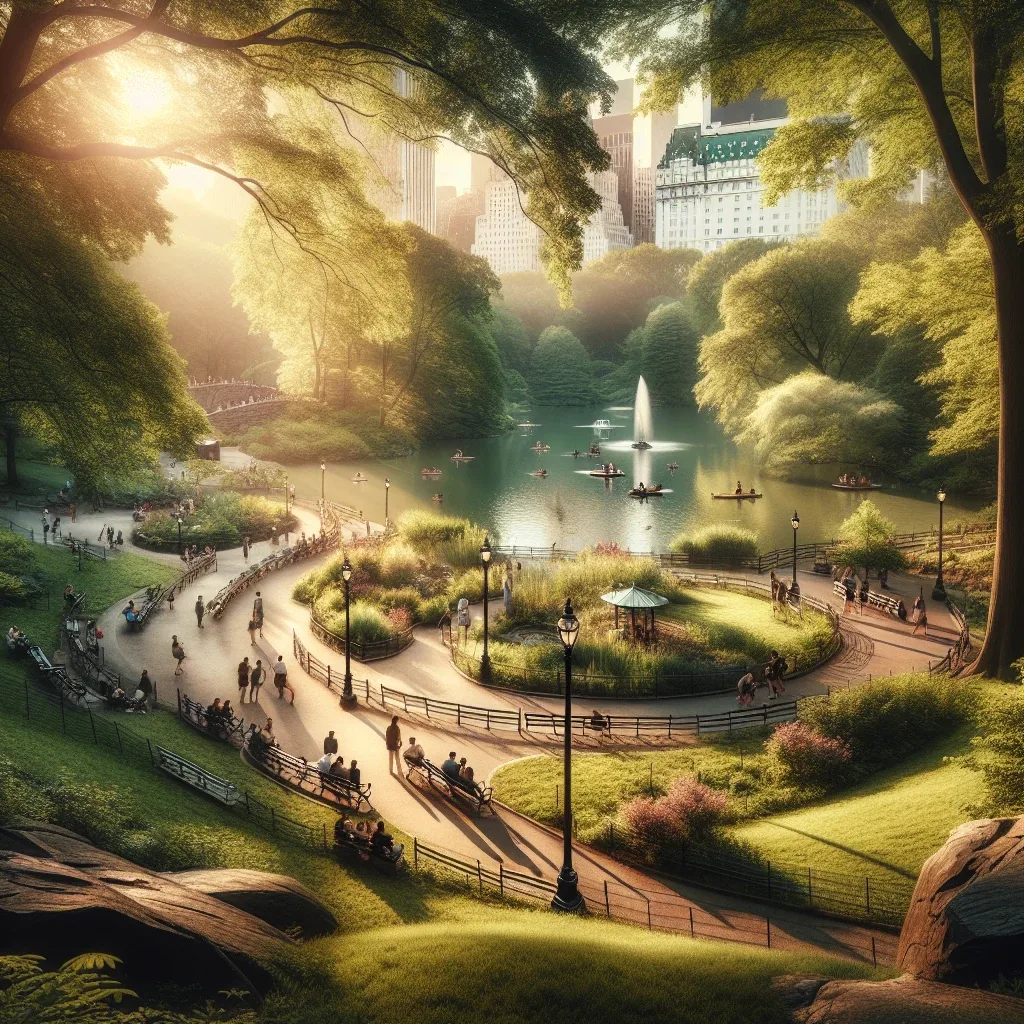
NEW YORK — Central Park, Manhattan’s sprawling 843-acre green heart, attracts an estimated 42 million visitors each year, solidifying its role as a vital economic, cultural, and recreational engine for New York City.
This immense influx of people underscores the park's unparalleled significance, from its meticulously maintained landscapes to its bustling cultural attractions and quiet natural retreats.
Unpacking Central Park's Economic and Social Impact
Studies commissioned by the Central Park Conservancy indicate that the park contributes hundreds of millions of dollars annually to the city’s economy through tourism, local business support, and property value enhancement. It directly and indirectly supports thousands of jobs.
Beyond financial metrics, Central Park offers immeasurable social benefits, serving as a democratic public space where diverse communities converge. From marathon runners to families picnicking on the Great Lawn, its accessibility is a cornerstone of New York life.
"Central Park is not just a park; it is a living, breathing testament to urban planning and community spirit," noted Dr. Eleanor Vance, an urban sociologist at Columbia University. "Its daily rhythms reflect the pulse of the city itself, offering both solace and spectacle."
The park's sheer scale, stretching 2.5 miles from 59th to 110th Street and 0.5 miles from Fifth to Eighth Avenue, provides a vast expanse for recreation unmatched in most major cities. This unique positioning makes it a global landmark.
A Sanctuary of Nature and Cultural Hub
Designed by Frederick Law Olmsted and Calvert Vaux in the mid-19th century, Central Park is a masterpiece of landscape architecture, blending naturalistic elements with formal structures. It is home to over 20,000 trees, 275 bird species, and diverse ecosystems.
The park’s ecological health is meticulously maintained by the Central Park Conservancy, which manages 75% of the park's annual budget through private donations. Their work ensures the preservation of iconic features like the Conservatory Garden and The Ramble.
Culturally, Central Park hosts an array of events, from free concerts at SummerStage to Shakespeare in the Park at the Delacorte Theater, drawing millions more visitors annually. These events contribute significantly to New York City’s vibrant arts scene.
Even on a brisk Tuesday morning, the faint strains of a street musician's saxophone drifted from the tunnel beneath Bethesda Terrace, a reminder of the park's ceaseless artistic energy. This cultural vibrancy is a key draw for both locals and tourists.
Balancing Preservation and Public Access in a Modern City
Managing such a heavily utilized public space requires a delicate balance between preservation and public access. The Conservancy continually implements innovative strategies to mitigate wear and tear while enhancing visitor experiences.
Recent initiatives include restorative projects on historically significant structures like the Swedish Cottage Marionette Theater and ongoing efforts to improve pedestrian pathways. These projects ensure the park remains beautiful and functional for future generations.
"Our goal is to ensure Central Park remains a pristine and accessible haven for everyone, while also protecting its delicate ecological balance and historic integrity," said Alice Chen, a spokesperson for the Central Park Conservancy. "It's a continuous, evolving process."
For additional insights into the park's offerings and ongoing projects, visitors can explore NewsNow's Central Park updates or the Conservancy's official publications.
The Future of Central Park: Innovation and Community Engagement
Looking ahead to 2026 and beyond, Central Park continues to evolve with the city around it. Discussions are ongoing regarding sustainable transportation within and around the park, including the potential for expanded car-free zones.
Community engagement plays a crucial role in shaping the park’s future, with regular public meetings and feedback mechanisms allowing New Yorkers to contribute their perspectives. This collaborative approach helps the park meet the needs of its diverse users.
As one of the world's most famous urban parks, Central Park serves as a model for green space management and public amenity provision. Its enduring appeal is a testament to its thoughtful design and dedicated stewardship, attracting an impressive number of people to explore Central Park's many attractions.
Frequently Asked Questions About Central Park's Impact
How many acres is Central Park and how does it compare to other parks?
Central Park spans 843 acres, making it one of the largest urban parks globally, though not the largest in NYC. Its size, coupled with its highly developed and integrated design within a dense urban core, makes it unique compared to many sprawling wilderness parks.
What are the primary sources of funding for Central Park's maintenance?
The Central Park Conservancy, a private non-profit organization, funds approximately 75% of the park's annual operating budget. The remaining portion comes from the New York City Department of Parks and Recreation, supplemented by specific grants and endowments.
How does Central Park contribute to the city's tourism industry?
As a top tourist destination, Central Park attracts millions of visitors who spend money on hotels, restaurants, shops, and transportation. This tourism generates significant revenue for the city and supports numerous local businesses and their employees.
Related Articles
More in Urban Policy & Development →
NYC Mayor Mamdani Booed at Union Square October 7 Vigil
Mayor Mamdani faced boos and protests at a Union Square vigil Thursday marking the Oct. 7 attacks, highlighting deep community divisions in NYC.
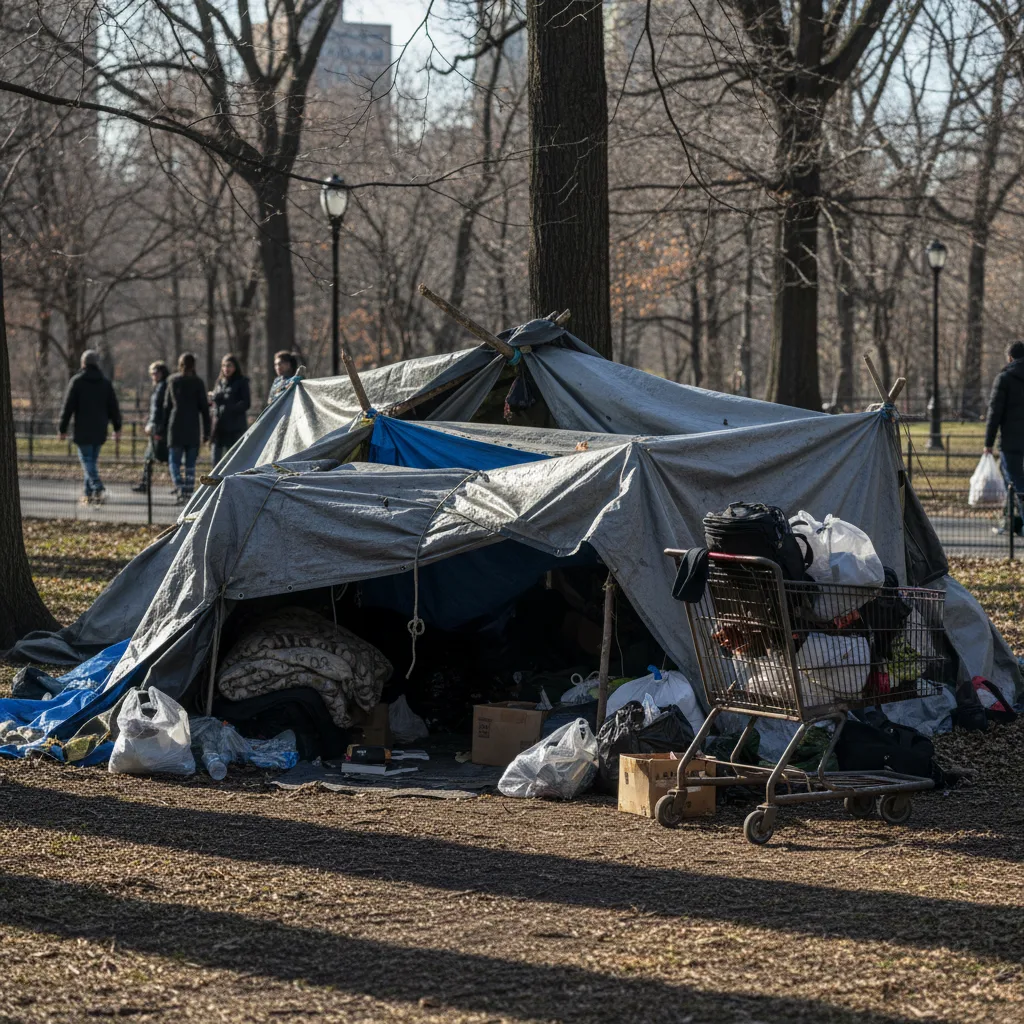
NYC Homeless Encampments Spotted Across Manhattan, Raising Concerns
Multiple homeless encampments have been spotted across Manhattan, raising significant concerns about urban policy and public safety. City officials are under pressure to address the growing homelessness crisis.
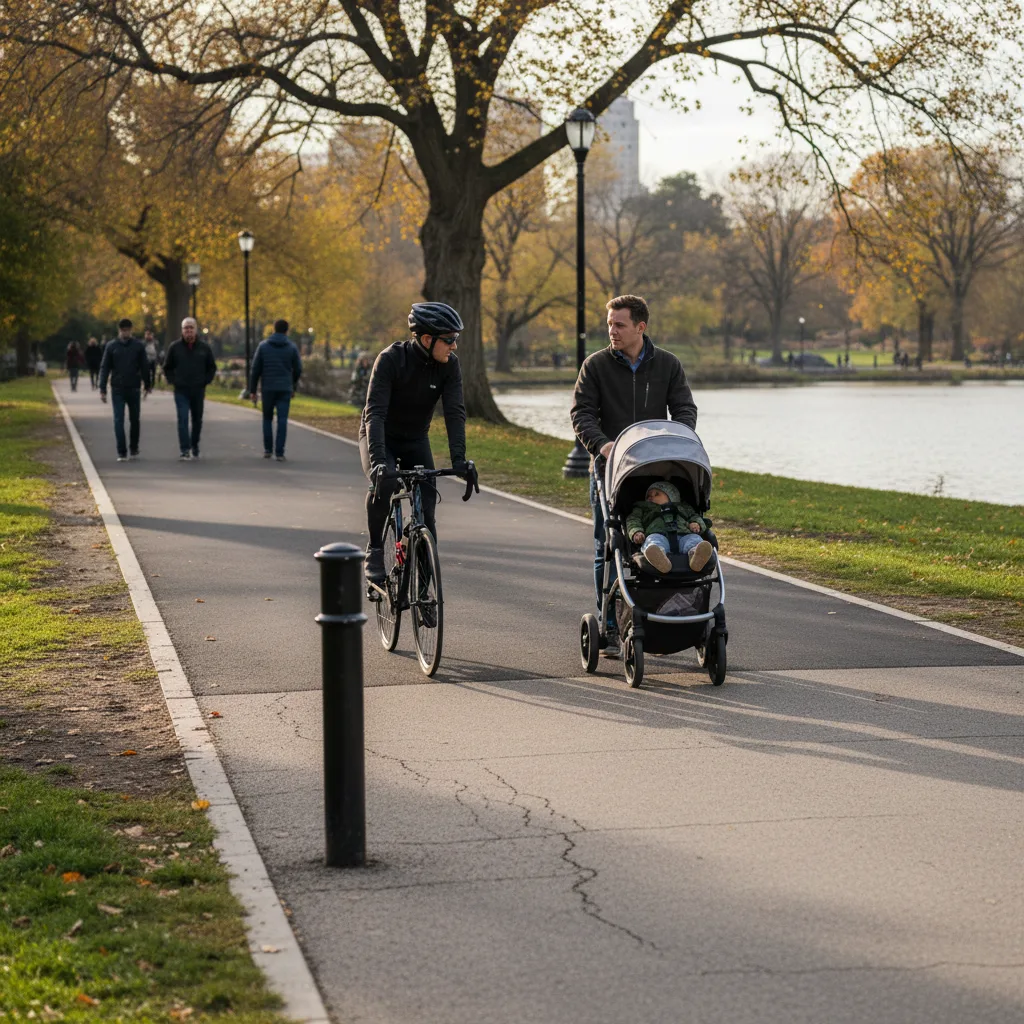
Safety Advocate Blames Park Redesign for Rising Central Park Cyclist Crashes
Safety advocates blame recent Central Park redesigns for a pedestrian's death and rising cyclist crashes, calling for urgent review of infrastructure.
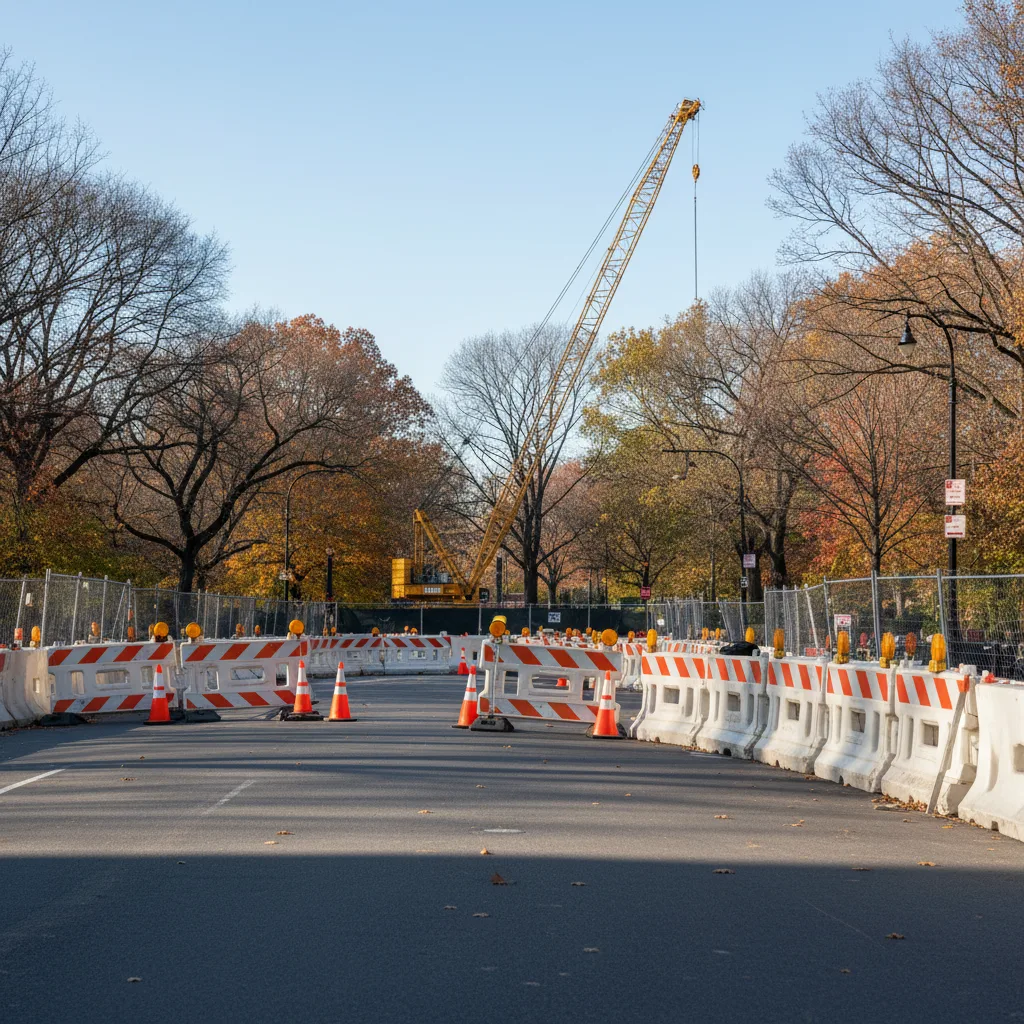
NYC DOT Advises Central Park Area Traffic Disruptions September 27
NYC DOT issued advisories for major traffic disruptions near Central Park on September 27, 2026, due to a parade and crane operations. Expect delays.

Davis Center at Harlem Meer Unveils State-of-the-Art Facilities
The new Davis Center at the Harlem Meer in Central Park's north end now features a state-of-the-art pool, ice rink, and multi-use turf field, enhancing community recreational options.
NYC City Record Confirms September 21, 2026, Publication Schedule
The NYC City Record confirmed its September 21, 2026, publication schedule, detailing administrative notices, procurement, and public hearings. This ensures transparency for municipal operations and public access to vital city information.