


Central Park Carriage Horse Dennis Dies Near 72nd Street Gate
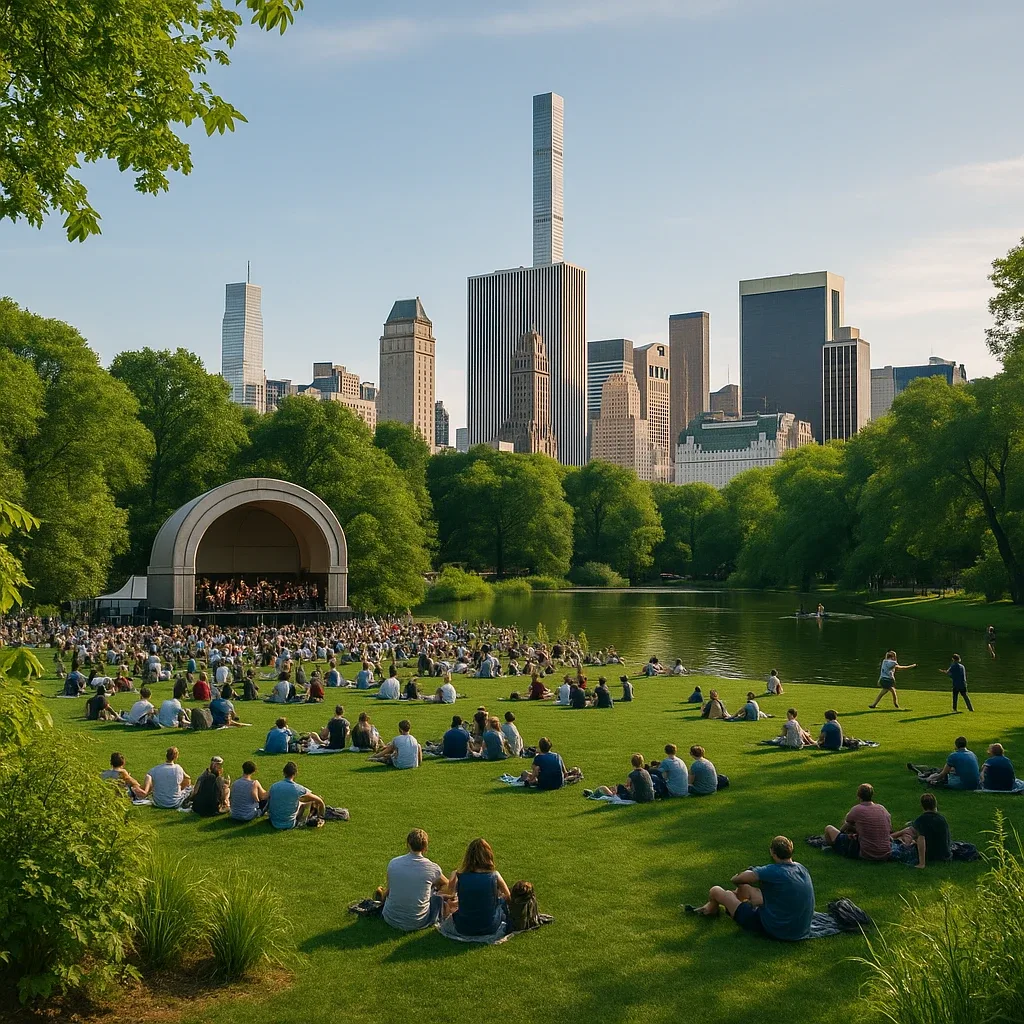
NEW YORK — Local carriage drivers and animal welfare advocates faced immediate scheduling changes and heightened veterinary inspections Tuesday evening after a 16-year-old horse named Dennis collapsed and died near the East 72nd Street park entrance, ABC7 New York confirmed. The incident disrupted late-night park access and triggered an immediate deployment of NYPD's Mounted Unit to the scene.
First Responders Arrive Near Bethesda Terrace Transverse
Officers from the 22nd Precinct responded to a 911 call at approximately 8:30 p.m. regarding an equine medical emergency. A cold winter breeze rustled the bare oak branches along the Mall as police cordoned off the path near the Bethesda Terrace transverse.
First responders attempted to administer emergency care, but the horse was pronounced dead at the scene. According to the ABC7 New York coverage of the central park incident, a specialized transport vehicle was dispatched to remove the animal's remains for a forensic necropsy.
Department of Health Orders Veterinary Audit of Stables
Following the sudden loss, the New York City Department of Health and Mental Hygiene mandated an immediate physical audit of the stable facility where Dennis was housed. Veterinarians will examine all remaining animals in the fleet to ensure compliance with municipal health codes.
Inspectors are reviewing daily logs to verify if Dennis had been cleared for duty prior to the fatal evening shift. Under current city regulations, carriage horses must undergo biannual veterinary examinations and receive regular rest periods.
This audit occurs amid ongoing public safety discussions in the area. For more information on security and carriage monitoring, readers can access the report on the 320 Central Park West safety patrols online.
Animal Welfare Groups Renew Demands for Electric Carriages
Advocacy groups gathered near the scene of the collapse within hours, holding signs demanding an immediate transition to electric horseless carriages. Representatives from New Yorkers for Clean, Livable, and Safe Streets (NYCLASS) argued that the urban environment is inherently hazardous for draft animals.
"The death of Dennis is another tragic reminder that horses do not belong in congested city streets," NYCLASS executive director Edita Birnkrant said in a statement. The group is urging the City Council to fast-track pending legislation that would phase out the horse-drawn carriage industry entirely.
Industry Advocates Point to Strict Carriage Guidelines
Representatives from the Historic Horse Carriage Association defended their operations, stating that Dennis had received exemplary care throughout his tenure. The association pointed out that temperatures were well within the legally permitted operating range at the time of the collapse.
Spokesperson Christina Hansen told reporters that Dennis had shown no prior signs of illness or physical distress. The organization cautioned against drawing premature conclusions before the official necropsy results are released by Cornell University's veterinary diagnostics lab.
Rerouting and Safety Measures Set for Nighttime Operations
The NYPD temporarily closed the eastern drive to all non-emergency vehicles while investigators cleared the area. This safety measure caused minor traffic delays along the Fifth Avenue boundary as tourist traffic was redirected.
Operating the horse-drawn carriages in Central Park in the dark has been a recurring point of contention among local community boards. Safety advocates have previously called for enhanced reflective gear and stricter speed limits for all vehicles sharing the park's interior loop.
Frequently Asked Questions
What happens to carriage horses when they are retired from service in New York City?
Most retired carriage horses are sent to specialized sanctuaries, private farms, or adoptive families outside the metropolitan area. Organizations like the Equine Welfare Alliance work with carriage owners to coordinate placement in verified equine havens where they can live out their lives. Retirements are documented and monitored by the city's Department of Health.
Are there temperature restrictions for carriage horses operating in Central Park?
Yes, municipal law prohibits carriage horses from working when temperatures exceed 90 degrees Fahrenheit or fall below 19 degrees Fahrenheit. The Department of Health monitors official weather readings at the Central Park weather station to enforce these safety thresholds. Violations can result in heavy fines and suspension of operating licenses.
Related Articles
More in Visitor Guide →
A Guide to Central Park's Top Activities and Best Things to Do in 2026
Discover the best things to do in Central Park, NYC, with our comprehensive 2026 guide to iconic landmarks, activities, and hidden gems for visitors.
A Guide to What to Know About the Vatican Obelisk in Central Park 2026
Discover what to know about the Vatican Obelisk (Cleopatra's Needle) in Central Park, its history, journey to NYC, and where to find it in 2026.
A Complete Guide to the Central Park Reservoir: What to Know Before You Visit
Discover everything you need to know about the Central Park Reservoir: its history, running track, wildlife, best views, and visitor tips for 2026.
A Guide to Central Park's Top 5 Pizzerias: The Best Slices Near You in NYC
Discover the top 5 pizzerias near Central Park, NYC. This guide helps you find the best slices, from historic institutions to modern favorites.
Central Park Offers Daily Public Access From 6 AM to 1 AM
Central Park maintains extensive daily public access from 6:00 am to 1:00 am, offering a continuous urban sanctuary for millions of visitors.
Central Park Conservancy Updates Calendar with Fall Foliage Trackers
The Central Park Conservancy has updated its calendar with fall foliage trackers and seasonal activities, guiding visitors to experience the park's autumn beauty and diverse offerings. The new resources aim to enhance planning for iconic views and events.