


Conservancy Releases Official Central Park Map Wildlife Spotting Guide
NEW YORK — "Understanding the behaviors of our urban wildlife helps keep both visitors and animals safe," Central Park Conservancy Director of Horticulture Ken Chaya said Thursday. Chaya's statement accompanied the release of a new comprehensive field guide aimed at educating the public on local species. The digital publication profiles seven distinct animal populations residing in the park's woodlands and water bodies.
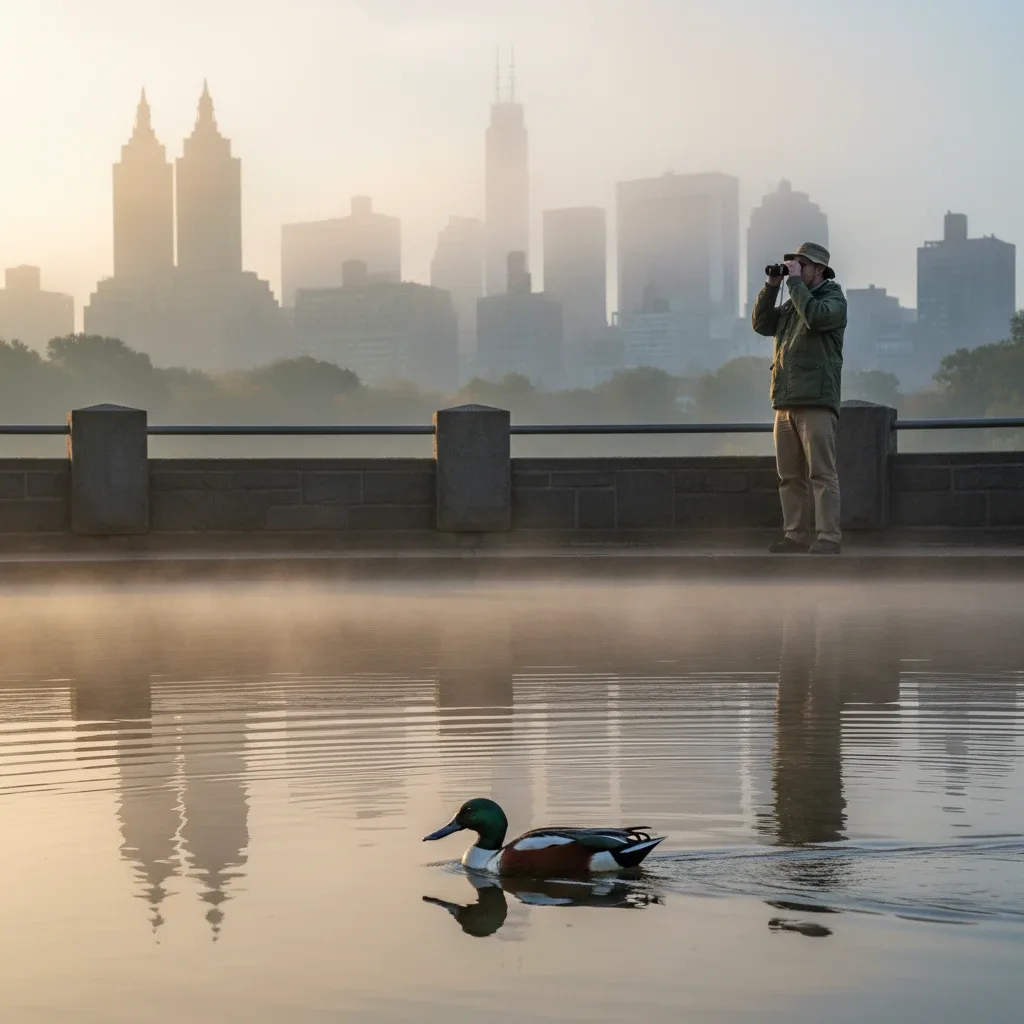
Park officials recommend checking the newly updated central park map to locate official viewing paths and wildlife sanctuaries. A quiet morning mist hung over the Jacqueline Kennedy Onassis Reservoir, where northern shovelers and mallards glided silently across the glassy water.
New Digital Central Park Map Marks Top Birding and Sighting Spots
The release of the guide comes at a time of increased interest in urban ecology and bird watching. The interactive publication highlights specific regions, such as the Ramble and the Hallett Nature Sanctuary, where diverse species are most active. Visitors can use the updated central park map to navigate directly to these protected woodland paths without disturbing nesting habitats.
Conservationists have noted that clear public mapping helps reduce off-trail foot traffic, which can damage delicate ground flora. The map also identifies designated quiet zones where wildlife spotting is most successful during the early morning hours. This strategic resource aims to balance visitor recreation with ecological preservation.
Seven Key Mammals and Avian Species Living in Wooded Sanctuary
The official guide profiles seven prominent animals that have successfully adapted to life inside Manhattan's largest green space. These include the eastern gray squirrel, the red-tailed hawk, the raccoon, the North American beaver, and several species of migratory songbirds. Each profile includes detailed illustrations, habitat descriptions, and behavioral guidelines for park visitors.
Park naturalists have tracked a steady increase in the diversity of nesting bird populations over the past several seasons. The presence of apex predators like hawks indicates a healthy, functioning urban food web. The conservation guide outlines how these species contribute to insect control and seed dispersal across the forest canopy.
Urban Ecology Experts Urge Safe Distances for Mammal Encounters
"We want the public to appreciate the rich biodiversity of our woodlands, but we must emphasize the importance of keeping a respectful distance," urban wildlife biologist Dr. Elizabeth Hamby said Friday. Hamby urged visitors never to feed or attempt to touch any wild animals, particularly raccoons and coyotes.
Feeding wildlife disrupts their natural foraging behaviors and can lead to dangerous dependency on human food sources. The guide provides practical tips on how to safely photograph animals without causing them stress or physical harm. Simple guidelines, such as securing trash bin lids, are critical to minimizing negative human-animal interactions.
Interactive Central Park Map Highlights Sensitive Seasonal Habitats
The digital application includes seasonal overlays showing which areas are closed to the public during critical nesting periods. By consulting the updated central park map, birders can identify temporary detours designed to protect fledglings. The system also tracks real-time rare bird sightings reported by the local birding community.
This technology-driven approach has been praised by conservation groups for fostering a deeper connection between residents and urban nature. Park rangers utilize the mapping data to coordinate educational walking tours and volunteer restoration projects. The interactive tool is available for download on all major mobile platforms.
Historical Conservation Initiatives Protect Hidden Ramble Ecosystems
Central Park was originally designed in the mid-19th century to incorporate a variety of naturalistic landscapes, including the densely wooded Ramble. Over the decades, dedicated restoration campaigns have successfully re-established native plant species and cleared invasive weeds. These historic efforts have created a sustainable refuge for wildlife amidst the surrounding high-rise development.
For more information on wildlife tracking projects and species identification, visitors can read the report on wildlife tracking initiatives in the Ramble. Complete details regarding the conservation of natural habitats are accessible through the official Central Park wildlife guide.
Frequently Asked Questions
What are the most common bird species that visitors can spot in the Ramble? The Ramble is a premier bird-watching location that hosts more than 230 bird species throughout the year, including colorful warblers, wood ducks, and red-tailed hawks. During the spring and autumn migration seasons, the area serves as a critical stopover point along the Atlantic Flyway. Visitors are encouraged to bring binoculars and remain on designated paths.
How should a park visitor respond if they encounter a coyote or other large mammal? If a visitor spots a coyote, they should maintain a safe distance and avoid running away, which can trigger the animal's chase instinct. Making loud noises, waving arms, and standing tall are effective ways to assert presence and encourage the animal to move along. Any sightings should be reported to park rangers or the NYC urban park service.
Where can I download the official interactive wildlife map of the park? The official interactive map is available for free download on the Central Park Conservancy's website and through their dedicated mobile application. The digital map features real-time updates on trail conditions, seasonal closures, and designated wildlife viewing locations. Printed copies can also be obtained at major visitor centers throughout the park.
Related Articles
More in Wildlife & Nature →
Central Park Boathouse Bird Watching Tour Offers Educational Experience
Central Park Boathouse offers an educational bird watching tour, providing visitors an opportunity to observe avian species. This experience connects locals with nature, enhancing appreciation for park wildlife.
Central Park Event Calendar Features Climate Week Activities September 27
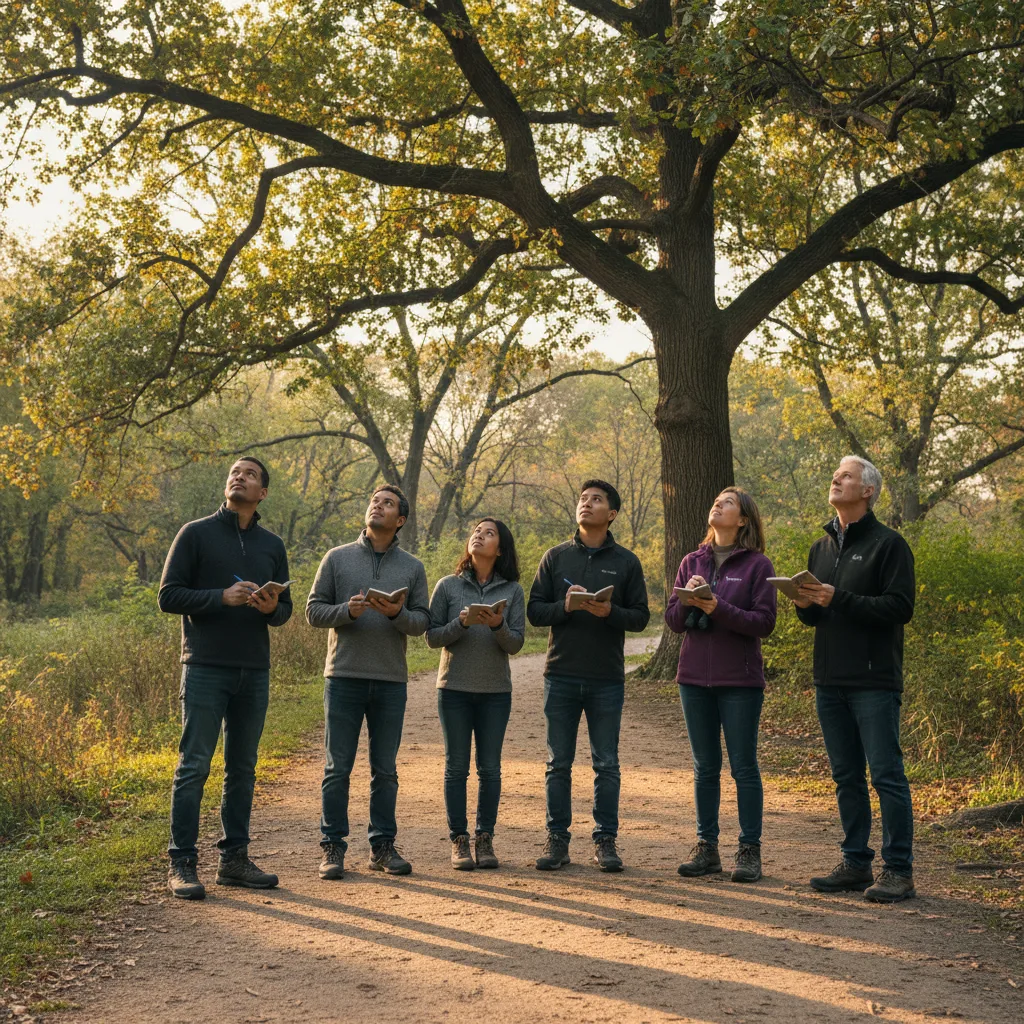
Central Park's event calendar for September 27, 2026, included a Climate Week-aligned "Journal, Meditation, + Bird Walk," promoting environmental awareness.
Wildlife Conservation Society Awards Lovejoy Prize at Central Park Zoo
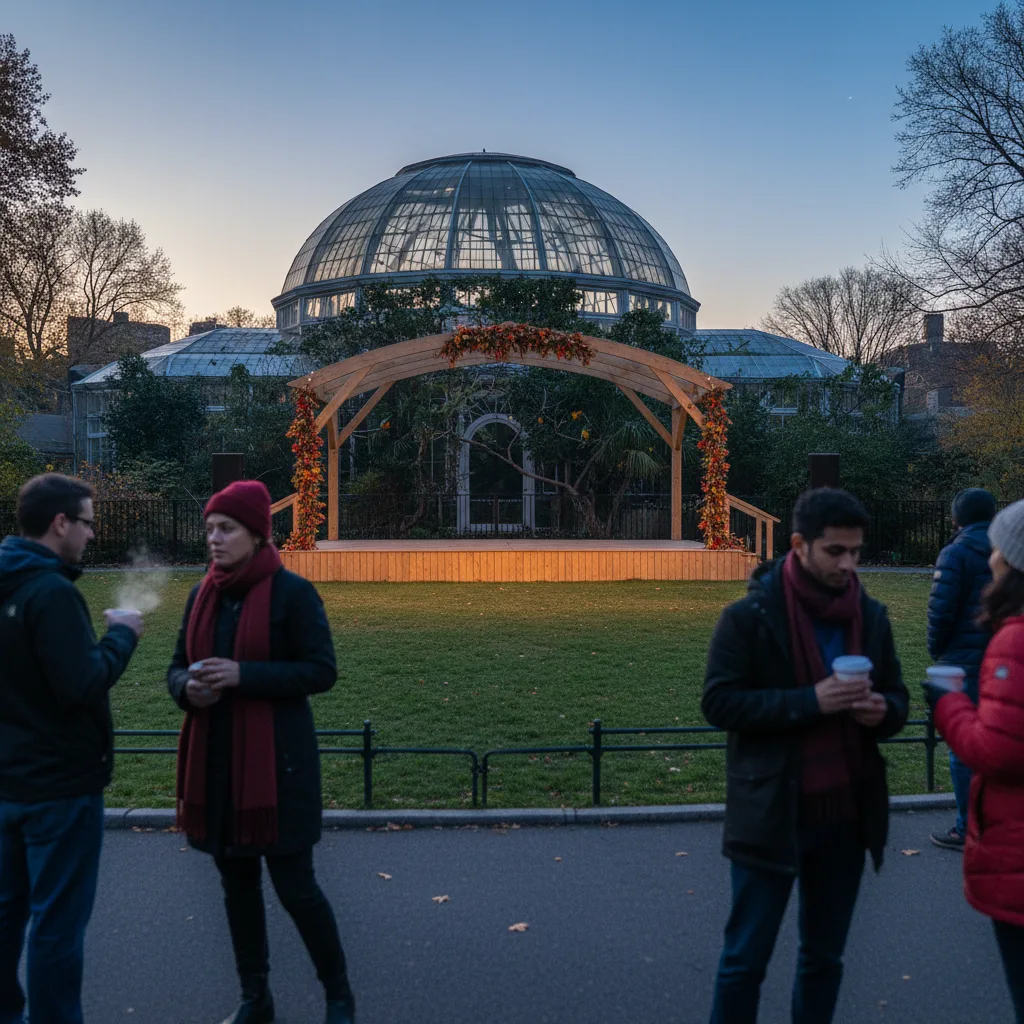
Wildlife Conservation Society awards 2026 Thomas E. Lovejoy Prize today at Central Park Zoo during Climate Week in New York City.
A Guide to Central Park's Wildlife: What to Know About the Park's Animals and Ecosystem
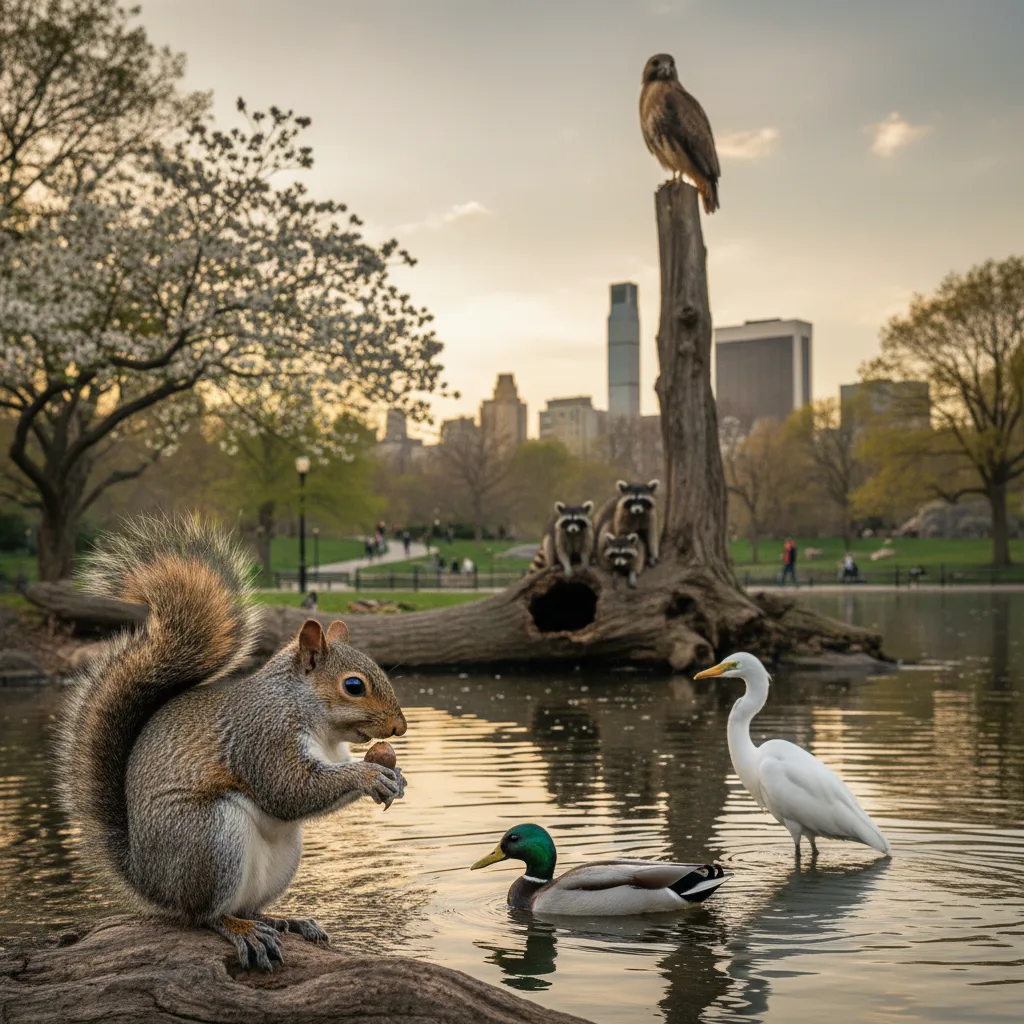
Discover the diverse Central Park wildlife, from birds and mammals to aquatic life. Learn responsible observation tips and conservation efforts for 2026.
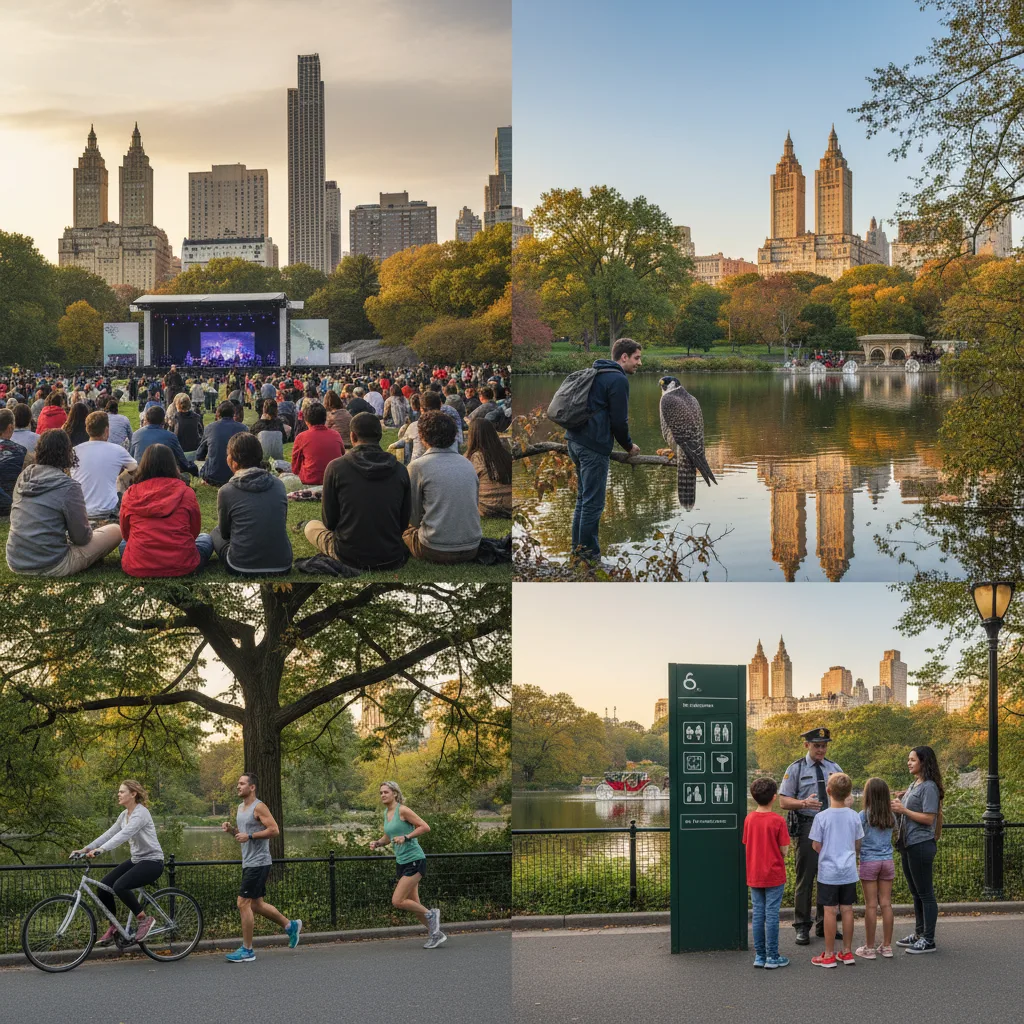
A Guide to Central Park's Top Activities and Best Things to Do in 2026
Discover the best things to do in Central Park, NYC, with our comprehensive 2026 guide to iconic landmarks, activities, and hidden gems for visitors.
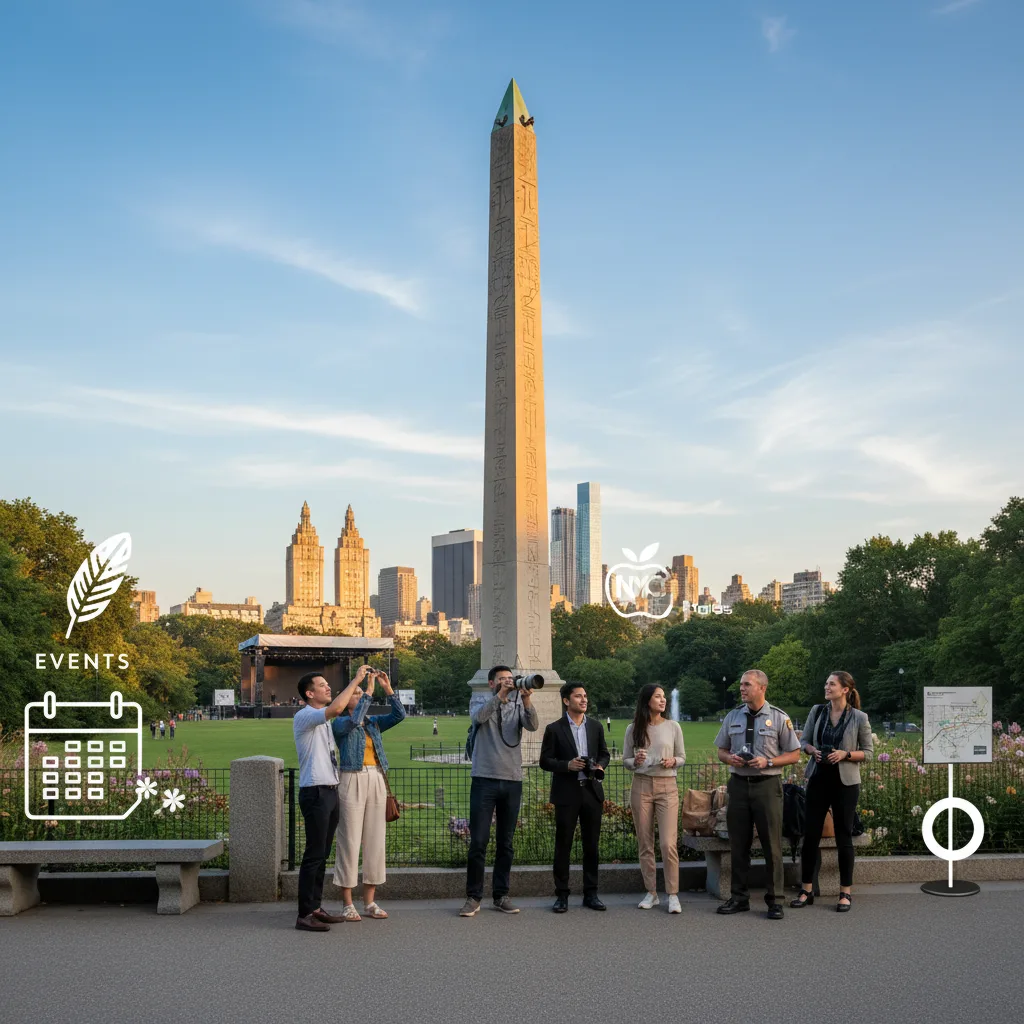
A Guide to What to Know About the Vatican Obelisk in Central Park 2026
Discover what to know about the Vatican Obelisk (Cleopatra's Needle) in Central Park, its history, journey to NYC, and where to find it in 2026.