


Central Park Zoo Madagascar Exhibit Draws Record 340,000 Visitors
NEW YORK — Exactly 14 rare red ruffed lemurs have successfully transitioned to their newly renovated outdoor habitat, Central Park News reported Friday. The wildlife conservation project represents a major milestone for the popular central park zoo madagascar exhibit as attendance numbers climb.
Climate-Controlled Habitats Protect Endangered Tropical Species
The updated exhibit features simulated rainforest canopies and automated humidity misting systems designed to replicate the tropical climate of eastern Madagascar. According to zoo curators, these technological updates are essential for encouraging natural nesting behaviors among the endangered primates.
Conservationists have worked for over eighteen months to redesign the enclosure's interior climbing structures. The new layout provides the lemurs with increased vertical movement, which veterinary teams say is crucial for maintaining muscle tone in older animals.
Director Craig Piper Celebrates Successful Breeding Milestone
"The birth of two healthy lemur pups within this newly designed space validates our long-term conservation planning," Central Park Zoo Director Dr. Craig Piper said Friday morning. Piper added that the facility's participation in the Species Survival Plan is vital for preventing the extinction of rare island species.
According to the Central Park News wildlife update, the zoo's educational programs have also been expanded to highlight the ecological threats facing Madagascar's unique ecosystems. Interactive digital kiosks now allow younger visitors to track conservation efforts funded by the Wildlife Conservation Society.
Advanced Veterinary Facility Enhances Daily Care Standards
To support the specialized needs of the tropical animals, the zoo completed a minor renovation of its on-site veterinary clinic. The upgrade includes state-of-the-art diagnostic imaging equipment that allows veterinary staff to conduct routine checkups with minimal stress to the animals.
This capital investment mirrors ongoing animal care debates across the city. Public interest in wildlife and animal welfare remains high, especially after recent incidents like the Dennis carriage horse collapse in Central Park brought animal health standards into the local political spotlight.
Annual Visitor Traffic Surpasses Historic Spring Benchmarks
Total attendance at the wildlife center has reached 340,000 visitors so far this year, representing a 12 percent increase over the previous season. Ticket sales help fund global field conservation projects in over twenty tropical nations.
To accommodate the larger weekend crowds, zoo staff have implemented a timed-entry reservation system. This operational change has successfully reduced wait times at the main entrance near East 64th Street.
Conservation Strategies Safeguard At-Risk Island Ecosystems
Researchers at the facility are currently studying the vocalization patterns of the red ruffed lemurs to better understand their social structures. The data collected in Manhattan is shared directly with field biologists working in Madagascar's Masoala National Park.
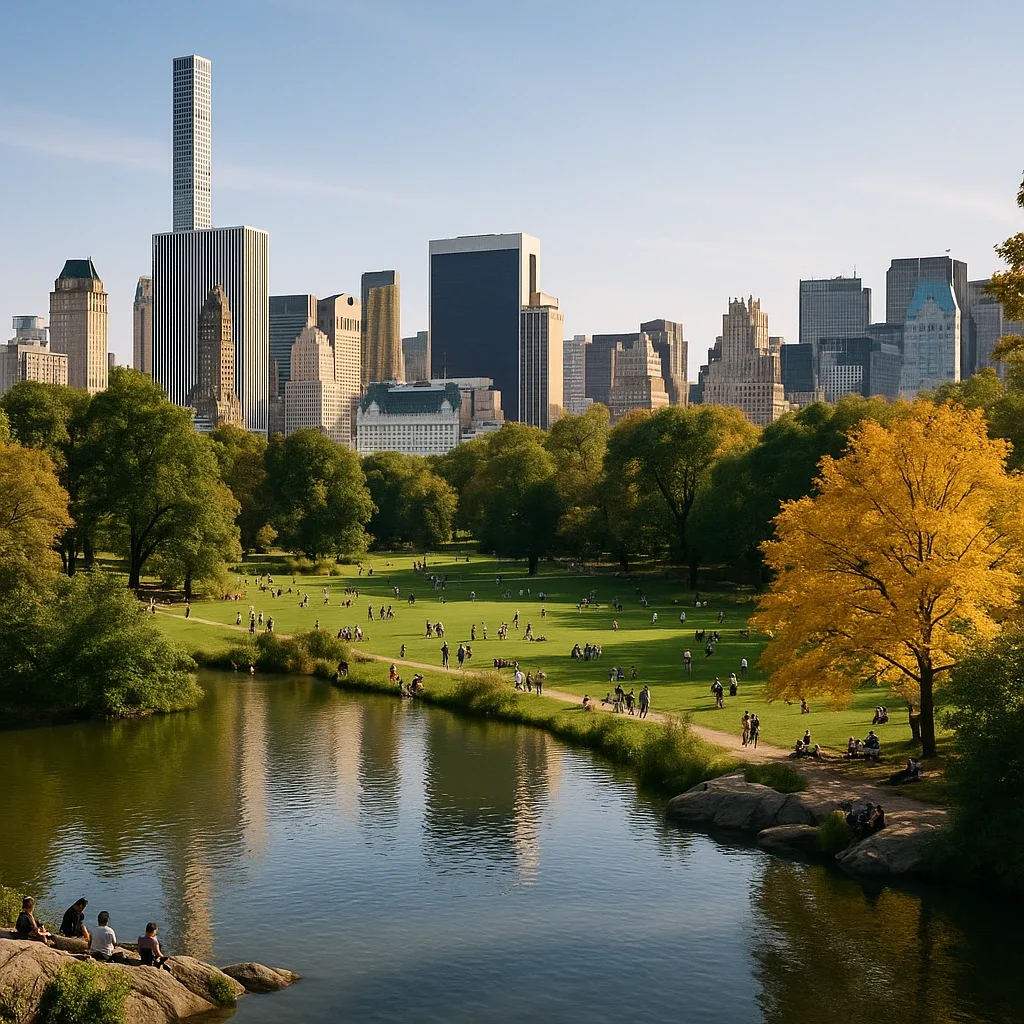
As the humid afternoon air settled over the zoo's central courtyard, visitors stood quietly near the glass viewing windows, watching the lemurs swing effortlessly between the lush green branches. The peaceful tropical setting offered a stark, beautiful contrast to the towering Midtown skyscrapers just a few blocks away.
Frequently Asked Questions
What is the best time of day to view the animals in the central park zoo madagascar exhibit? The lemurs and other tropical species are typically most active during the morning feeding hours between 10 a.m. and 11:30 a.m. Zoo keepers also conduct daily educational talks at the exhibit during these times.
Are the tickets for the zoo included in general park admission? No, the zoo is managed by the Wildlife Conservation Society and requires a separate admission ticket. Visitors are encouraged to purchase their tickets online in advance to secure their preferred entry time.
How does this exhibit support global wildlife conservation? A portion of every ticket sale directly funds habitat protection programs in Madagascar. The zoo also participates in the Species Survival Plan, a cooperative breeding program designed to maintain genetic diversity among endangered species.
Related Articles
More in Wildlife & Nature →
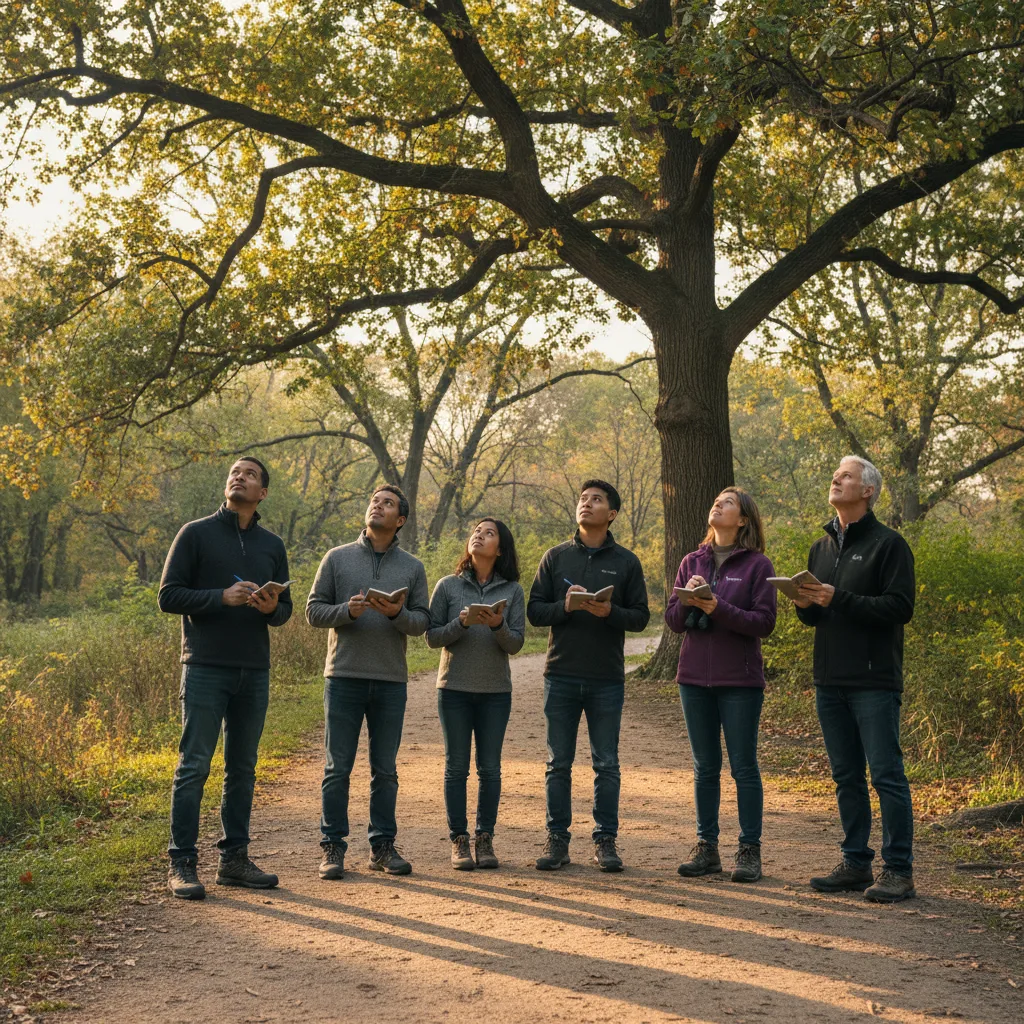
Central Park Boathouse Bird Watching Tour Offers Educational Experience
Central Park Boathouse offers an educational bird watching tour, providing visitors an opportunity to observe avian species. This experience connects locals with nature, enhancing appreciation for park wildlife.
Central Park Event Calendar Features Climate Week Activities September 27
Central Park's event calendar for September 27, 2026, included a Climate Week-aligned "Journal, Meditation, + Bird Walk," promoting environmental awareness.
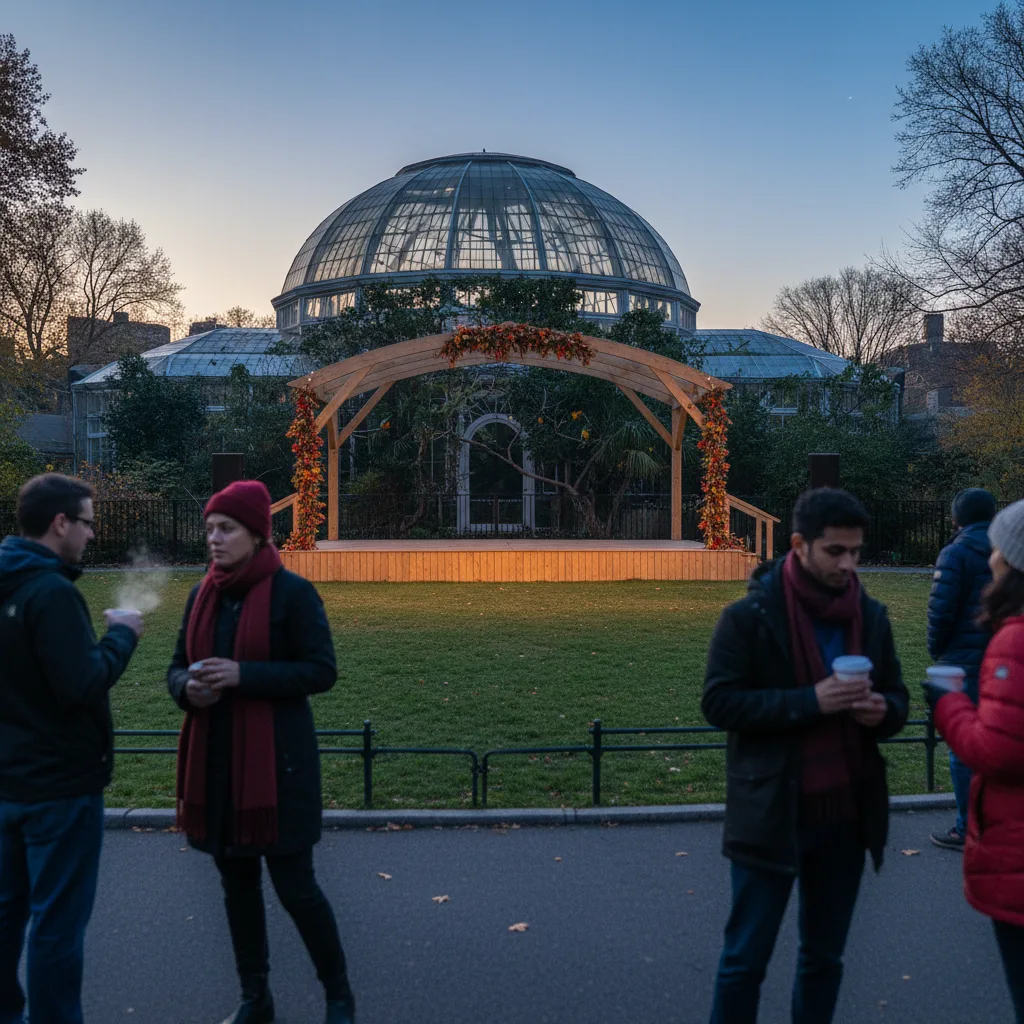
Wildlife Conservation Society Awards Lovejoy Prize at Central Park Zoo
Wildlife Conservation Society awards 2026 Thomas E. Lovejoy Prize today at Central Park Zoo during Climate Week in New York City.
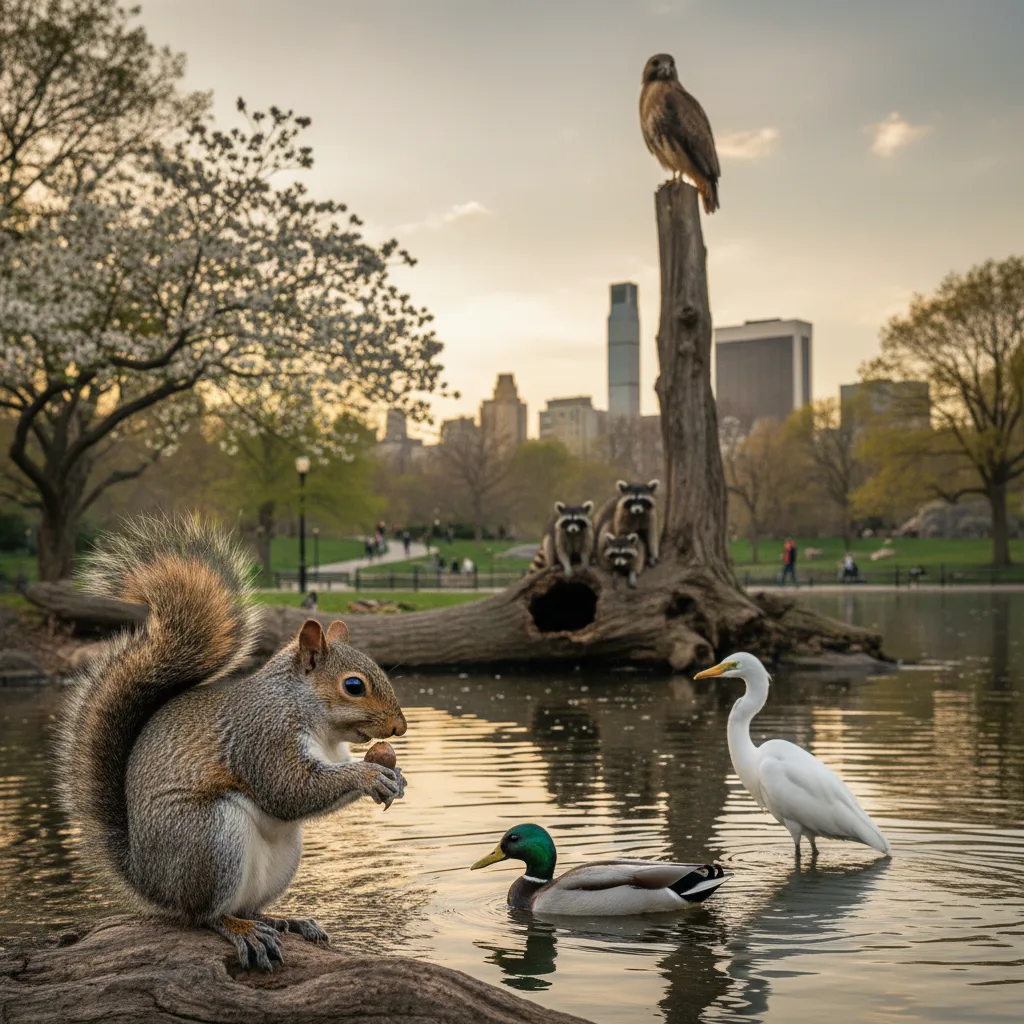
A Guide to Central Park's Wildlife: What to Know About the Park's Animals and Ecosystem
Discover the diverse Central Park wildlife, from birds and mammals to aquatic life. Learn responsible observation tips and conservation efforts for 2026.
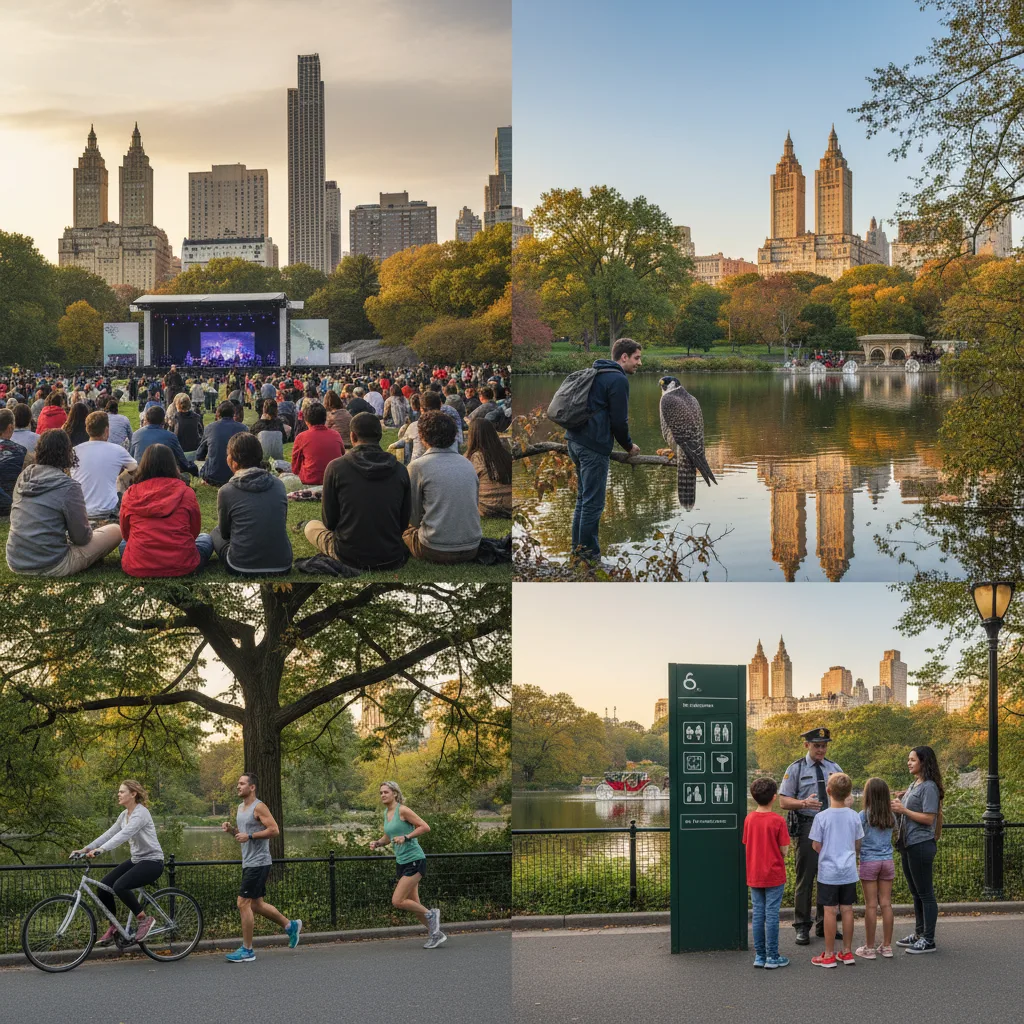
A Guide to Central Park's Top Activities and Best Things to Do in 2026
Discover the best things to do in Central Park, NYC, with our comprehensive 2026 guide to iconic landmarks, activities, and hidden gems for visitors.
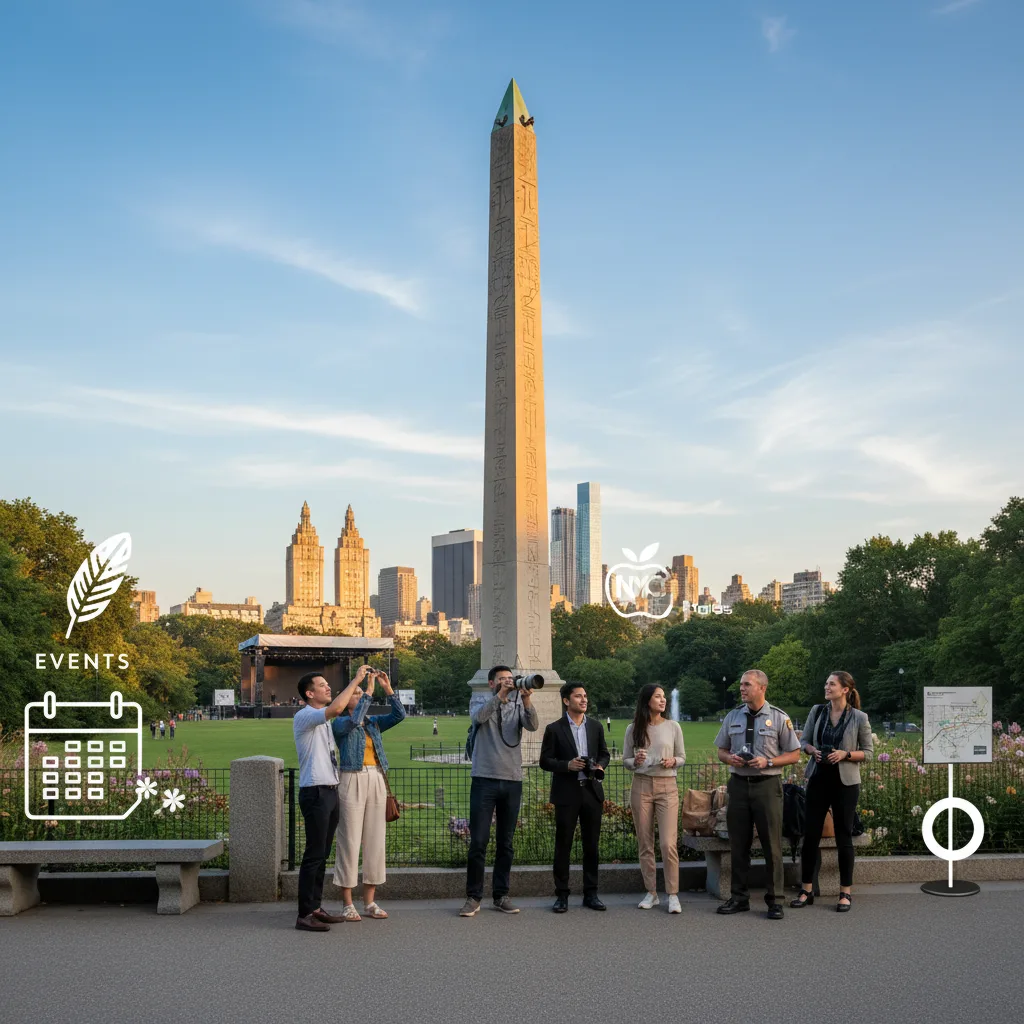
A Guide to What to Know About the Vatican Obelisk in Central Park 2026
Discover what to know about the Vatican Obelisk (Cleopatra's Needle) in Central Park, its history, journey to NYC, and where to find it in 2026.