


Central Park Prepares for Mid-Next Week Strong Winds, February 13, 2026 National Incident Report Noted

NEW YORK, NY – Central Park's maintenance teams are activating precautionary measures in anticipation of strong winds forecast for the middle of next week, as indicated in national incident management reports dated February 13, 2026. While the specific incident report from the National Interagency Fire Center (NIFC) primarily focuses on wildfire activity and national weather trends, its mention of strong winds across central regions serves as a general alert for various localities, including urban green spaces like Central Park, to review their wind preparedness protocols.
The Central Park Conservancy, responsible for the park's 20,000 trees, regularly monitors weather forecasts to mitigate potential hazards. Strong winds pose risks such as falling branches, uprooted trees, and debris, which can impact visitor safety and park infrastructure. Proactive measures are crucial to minimize damage and ensure a safe environment for the millions of people who visit the park annually.
Proactive Tree Management and Safety Inspections
In preparation for the anticipated wind event, Conservancy arborists and grounds crews are conducting accelerated inspections of older and more vulnerable trees throughout the park. This includes assessing canopy health, identifying dead or weakened limbs, and performing preventative pruning where necessary. Areas with a higher concentration of mature trees, such as the Ramble and the North Woods, receive particular attention. These diligent efforts aim to reduce the likelihood of wind-related incidents and protect the park's valuable arboreal collection.
Public Advisory and Post-Wind Event Protocols
Visitors to Central Park during periods of high winds will be advised to exercise caution, especially when walking near large trees or through wooded areas. Public announcements and signage will be deployed to inform visitors of potential risks. Following any significant wind event, park crews will conduct thorough sweeps to clear fallen branches and debris, assess any damage, and ensure all pathways and attractions are safe for public use. The Conservancy's swift response and continuous monitoring are integral to preserving both the park's beauty and the safety of its patrons, drawing lessons from broader environmental management strategies highlighted in national reports.
Key Points:
- Central Park is preparing for strong winds forecast for mid-next week, noted in a February 13, 2026 national report.
- The Central Park Conservancy is initiating precautionary measures for its 20,000 trees.
- Arborists are conducting accelerated inspections and preventative pruning.
- Visitors will be advised to exercise caution during high wind periods.
- Post-wind event protocols include thorough debris clearing and damage assessment.
Related Articles
More in Wildlife & Nature →
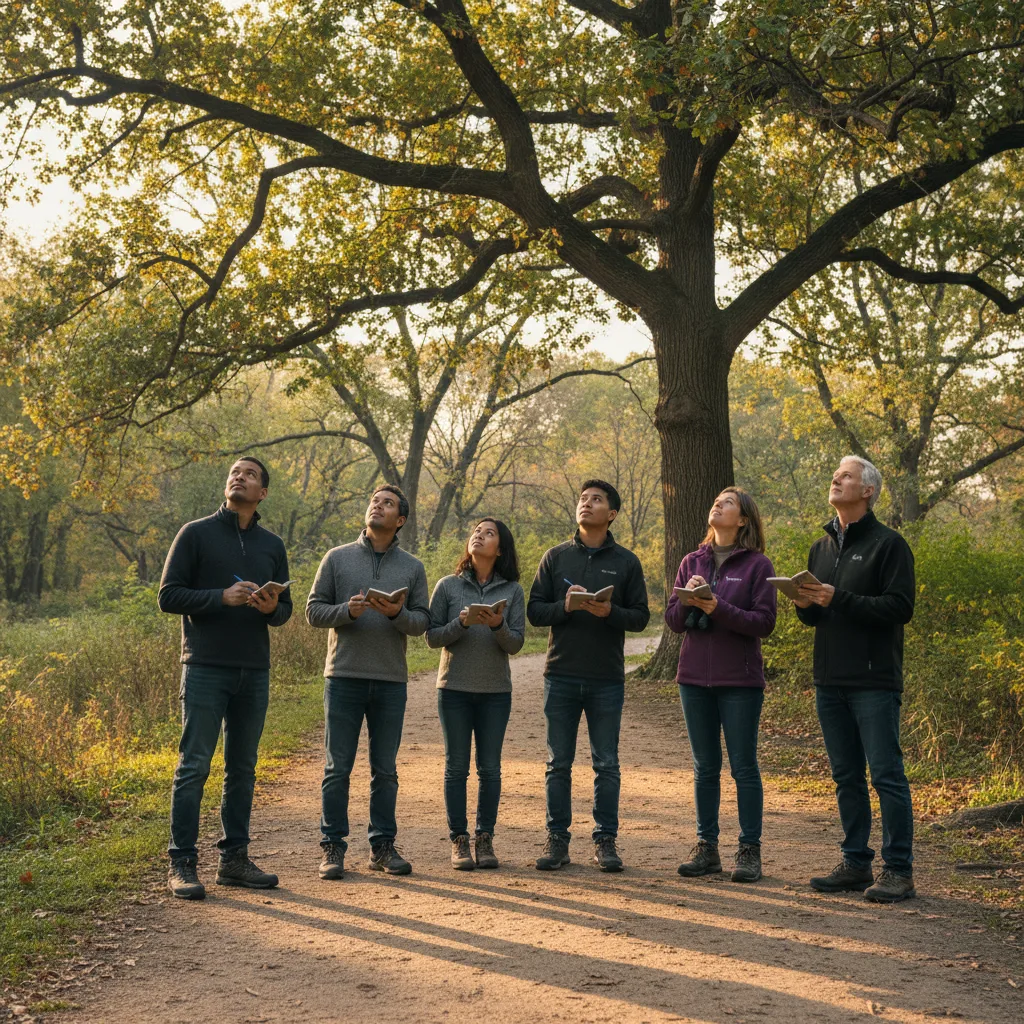
Central Park Boathouse Bird Watching Tour Offers Educational Experience
Central Park Boathouse offers an educational bird watching tour, providing visitors an opportunity to observe avian species. This experience connects locals with nature, enhancing appreciation for park wildlife.
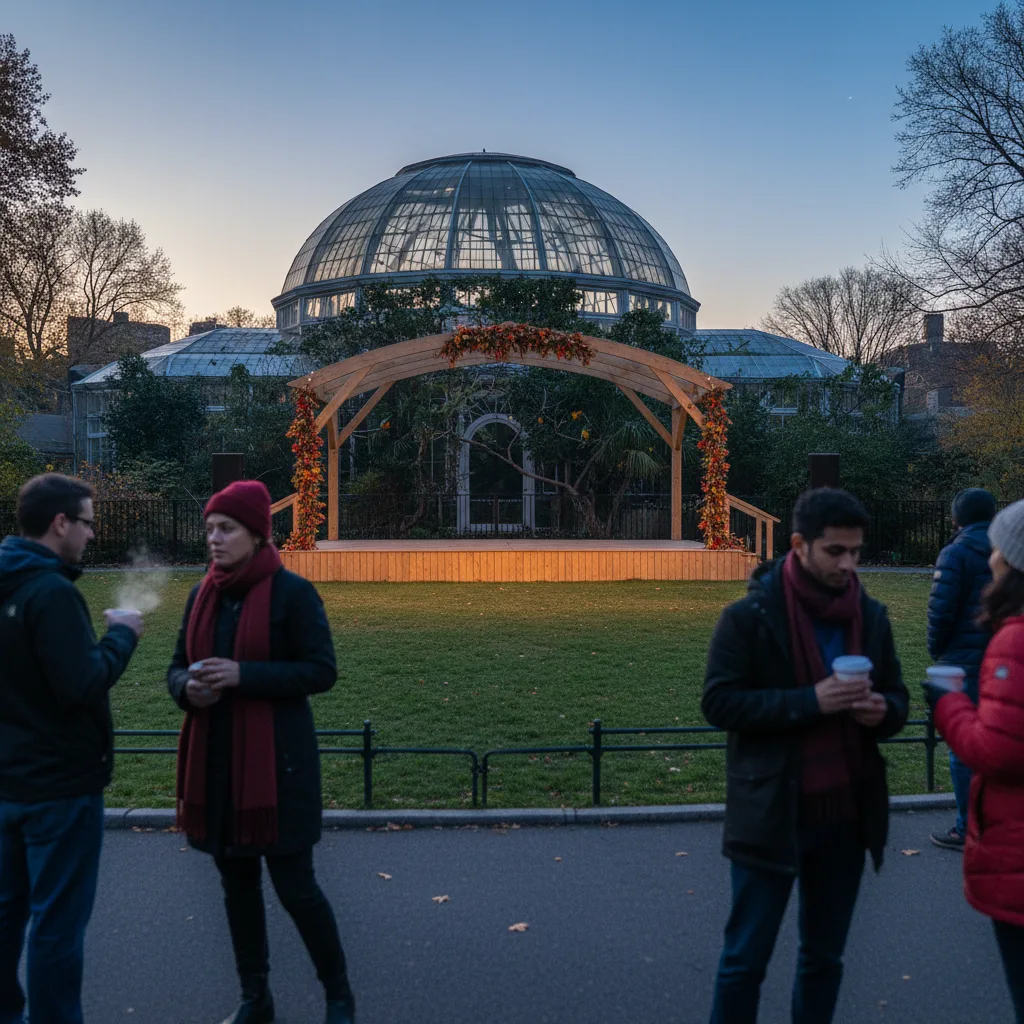
Central Park Event Calendar Features Climate Week Activities September 27
Central Park's event calendar for September 27, 2026, included a Climate Week-aligned "Journal, Meditation, + Bird Walk," promoting environmental awareness.
Wildlife Conservation Society Awards Lovejoy Prize at Central Park Zoo
Wildlife Conservation Society awards 2026 Thomas E. Lovejoy Prize today at Central Park Zoo during Climate Week in New York City.
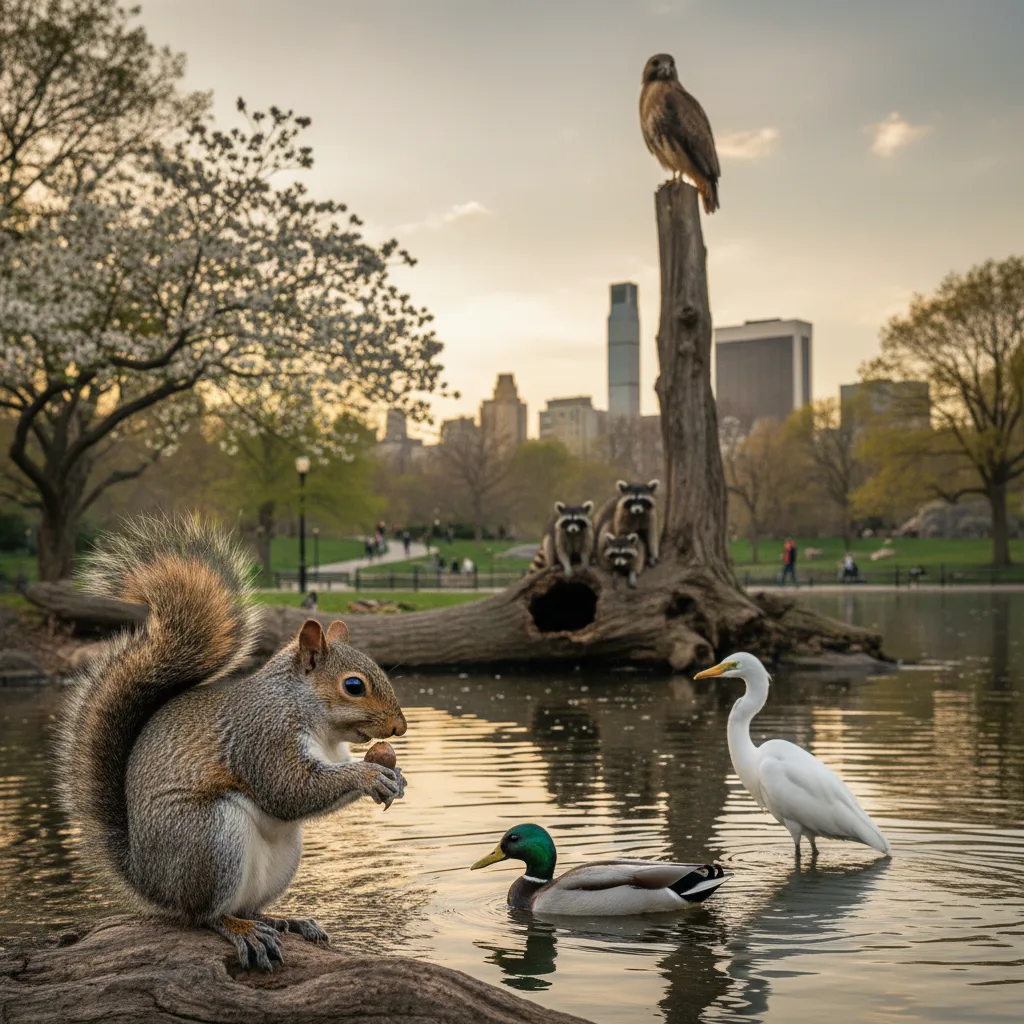
A Guide to Central Park's Wildlife: What to Know About the Park's Animals and Ecosystem
Discover the diverse Central Park wildlife, from birds and mammals to aquatic life. Learn responsible observation tips and conservation efforts for 2026.
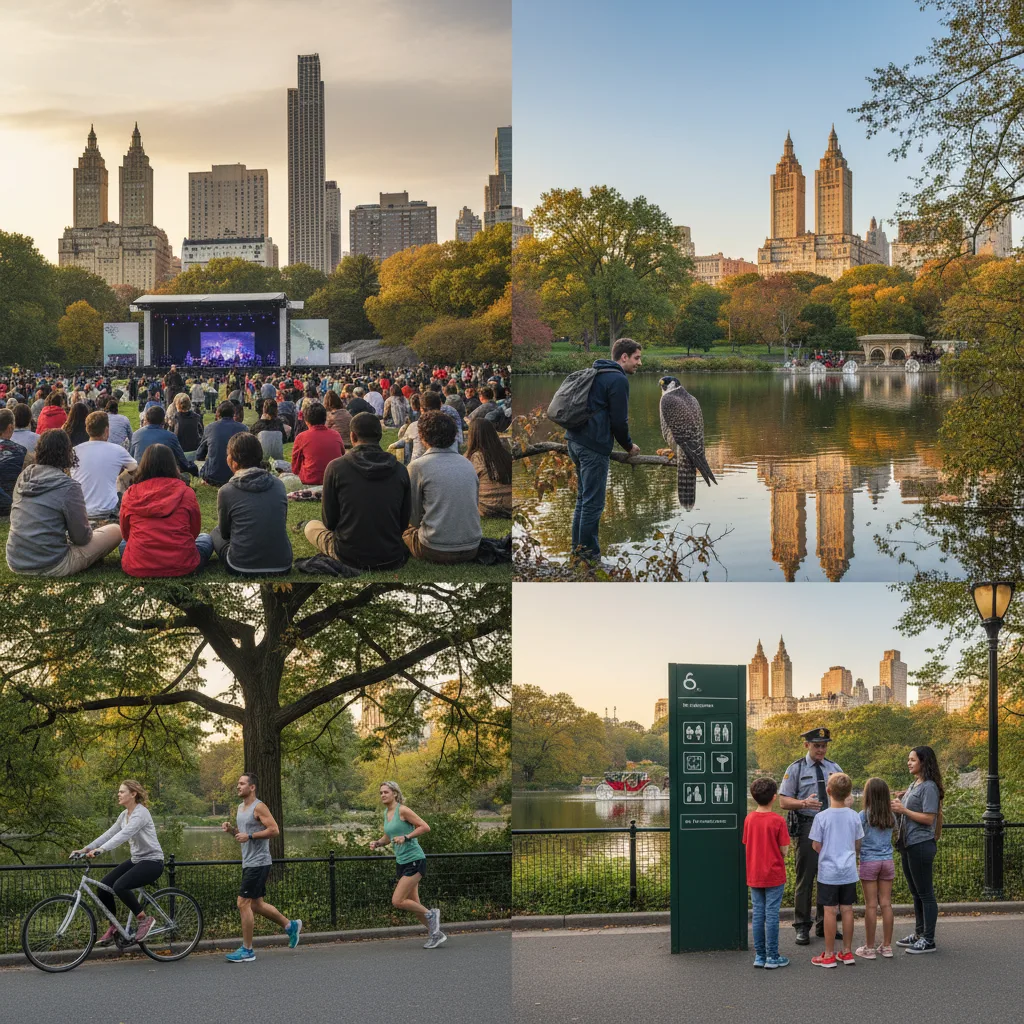
A Guide to Central Park's Top Activities and Best Things to Do in 2026
Discover the best things to do in Central Park, NYC, with our comprehensive 2026 guide to iconic landmarks, activities, and hidden gems for visitors.
A Guide to What to Know About the Vatican Obelisk in Central Park 2026
Discover what to know about the Vatican Obelisk (Cleopatra's Needle) in Central Park, its history, journey to NYC, and where to find it in 2026.