


Central Park Suspends Horse Carriage Rides After Incident, Debate Rekindles
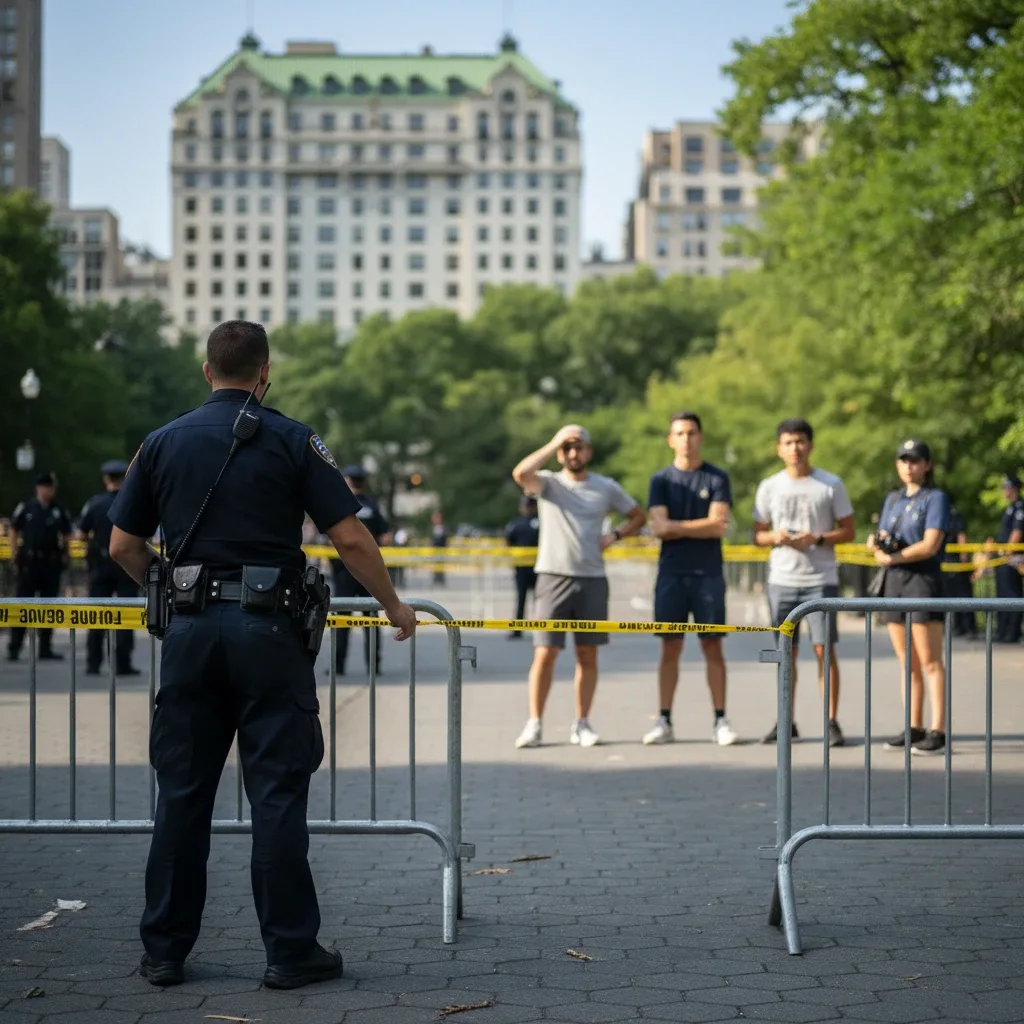
NEW YORK — Mayor Eric Adams announced a weekend suspension of Central Park horse carriage rides Wednesday following a runaway incident involving a horse named Ryder last week, according to NBC New York. The decision came amid renewed pressure from city leaders and animal welfare advocates to reevaluate or ban the long-standing tourist attraction.
Union Initiates Safety Stand-Down After Ryder Incident
The temporary halt was initiated by the Teamsters Local 553, the union representing carriage drivers, as a voluntary safety stand-down. This followed a harrowing incident on West 59th Street where Ryder, a 14-year-old mare, collapsed and then bolted, dragging its carriage and injuring a bystander near the Plaza Hotel, CBS News reported. The event, which occurred during a busy mid-morning as tourists were beginning to flock to the area, has brought immediate scrutiny to the industry.
City Hall and Activists Push for Ban
Mayor Adams, who has long expressed concerns about the welfare of carriage horses, reiterated his administration's commitment to finding alternatives. "We must ensure the safety of both our animals and our residents," Adams told reporters Wednesday at a press conference outside City Hall, emphasizing that discussions with industry stakeholders would continue. This incident, just blocks from the busy Central Park South entrance, has galvanized animal welfare organizations like NYCLASS, which has consistently advocated for a full ban on the carriages, proposing electric vehicles as a humane replacement.
Ryder's Condition and Veterinary Review
Ryder, the horse involved in the incident, received immediate veterinary attention following its collapse. Initial assessments indicated the mare may have been suffering from a neurological condition, according to reports cited by NBC New York. The horse was transported to a New Jersey equine facility for comprehensive evaluation, where veterinarians are now determining the extent of its injuries and overall health status. This critical review will play a role in future discussions about the mare's suitability for returning to work or retiring.
Historical Tensions Over Central Park Horse Carriages
The debate over Central Park horse carriages is not new; it has been a contentious issue in New York City for decades. Activists argue that the urban environment, with its traffic, noise, and pollution, is unsuitable for horses, often citing concerns about their living conditions and the physical demands of the job. Conversely, carriage operators and their supporters highlight the tradition's historical significance and the economic livelihoods it provides for approximately 200 drivers and stable workers. They argue that the horses are well-cared for and that incidents are rare, often emphasizing the rigorous regulations already in place by the city's Department of Health and Mental Hygiene.
Economic Impact and Proposed Electric Replacements
The potential ban of horse carriages carries significant economic implications for a niche industry that has operated in Central Park since the 19th century. Carriage drivers estimate that an outright ban could displace dozens of workers, who would face an uncertain future. Animal welfare groups, backed by some city council members, propose a transition to electric, antique-style vehicles, offering job retraining and financial assistance to current drivers. This alternative, they suggest, would preserve the iconic tourist experience while addressing animal welfare concerns and reducing traffic congestion around the park's perimeter, particularly near Columbus Circle. This transition could cost the city an estimated $25 million, according to a recent economic impact study.
Regulatory Environment and Future Discussions
The Central Park horse carriage industry operates under strict city regulations covering horse health, working hours, and stable conditions. Following last week's incident, the city's Department of Health and Mental Hygiene is expected to review these regulations, potentially recommending stricter enforcement or new protocols. Public hearings are anticipated in the coming months, allowing both sides of the debate to present their cases to the City Council. The Mayor's office remains open to discussions with all stakeholders, including the Central Park Conservancy, about modernizing the park's historical attractions without compromising safety or animal welfare.
Frequently Asked Questions
What are the current rules for Central Park horse carriages?
Central Park horse carriages operate under stringent regulations established by the New York City Department of Health and Mental Hygiene. These rules dictate everything from the horses' daily working hours, mandatory rest periods, and veterinary care requirements to the types of harnesses and carriages allowed. Drivers must be licensed, and the horses undergo regular health inspections. For example, horses are typically not permitted to work when temperatures exceed 90 degrees Fahrenheit or drop below 18 degrees Fahrenheit.
How would a ban on horse carriages impact tourism?
A ban on horse carriages could lead to a shift in how tourists experience Central Park. While proponents of the ban argue that electric vehicles would offer a similar, yet more modern and humane, alternative, opponents suggest it would remove a classic and nostalgic attraction that draws visitors. Studies by local tourism boards have shown that a significant percentage of first-time visitors seek out the carriage rides as part of their quintessential New York experience, though specific economic impacts remain debated.
What are the electric carriage alternatives?
Advocates for replacing horse carriages with electric vehicles propose a fleet of specially designed, vintage-style electric carriages. These vehicles would replicate the aesthetic of traditional carriages but operate silently and without the need for animal power. Plans often include features like heated seating for colder months and climate control for warmer days. Some proposals suggest that these electric vehicles could be deployed by late 2026, pending city council approval and successful pilot programs, according to NYCLASS reports.
Related Articles
More in Urban Policy & Development →
NYC Mayor Mamdani Booed at Union Square October 7 Vigil
Mayor Mamdani faced boos and protests at a Union Square vigil Thursday marking the Oct. 7 attacks, highlighting deep community divisions in NYC.
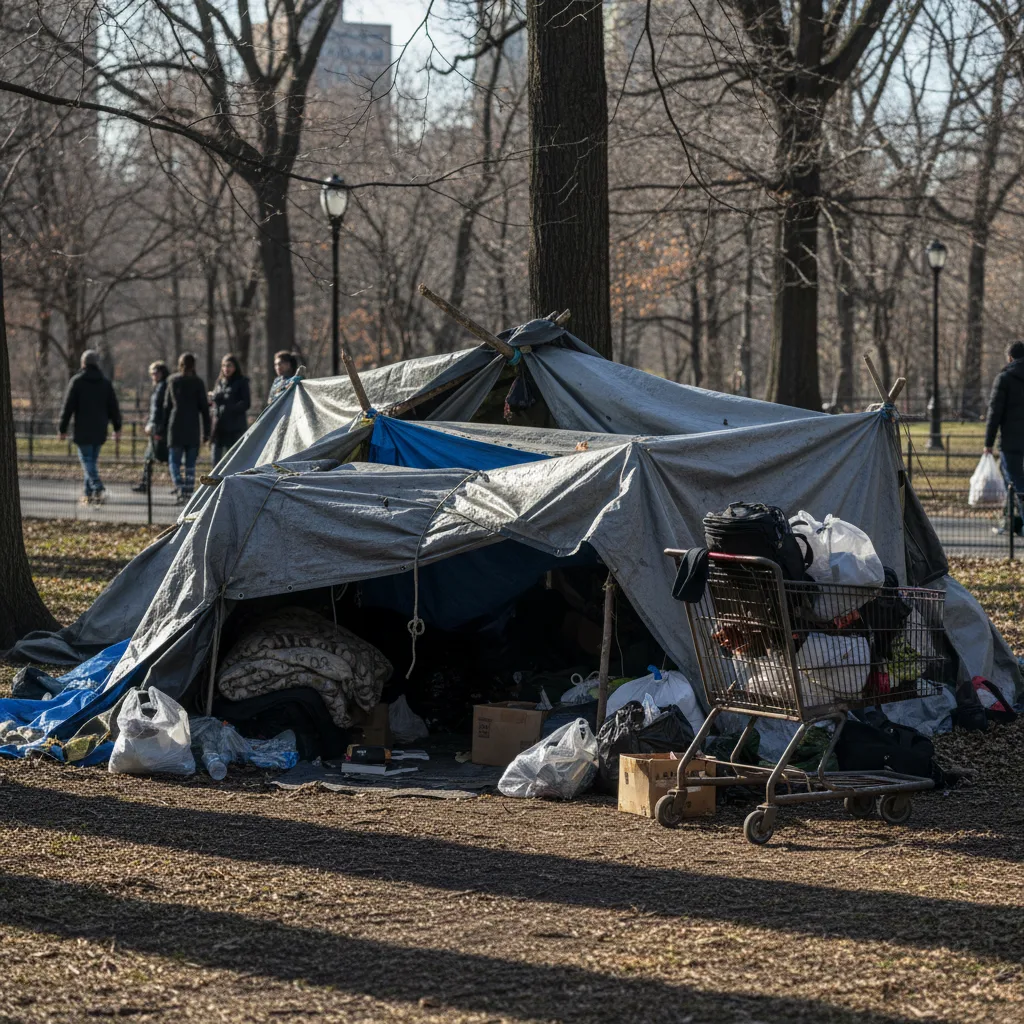
NYC Homeless Encampments Spotted Across Manhattan, Raising Concerns
Multiple homeless encampments have been spotted across Manhattan, raising significant concerns about urban policy and public safety. City officials are under pressure to address the growing homelessness crisis.
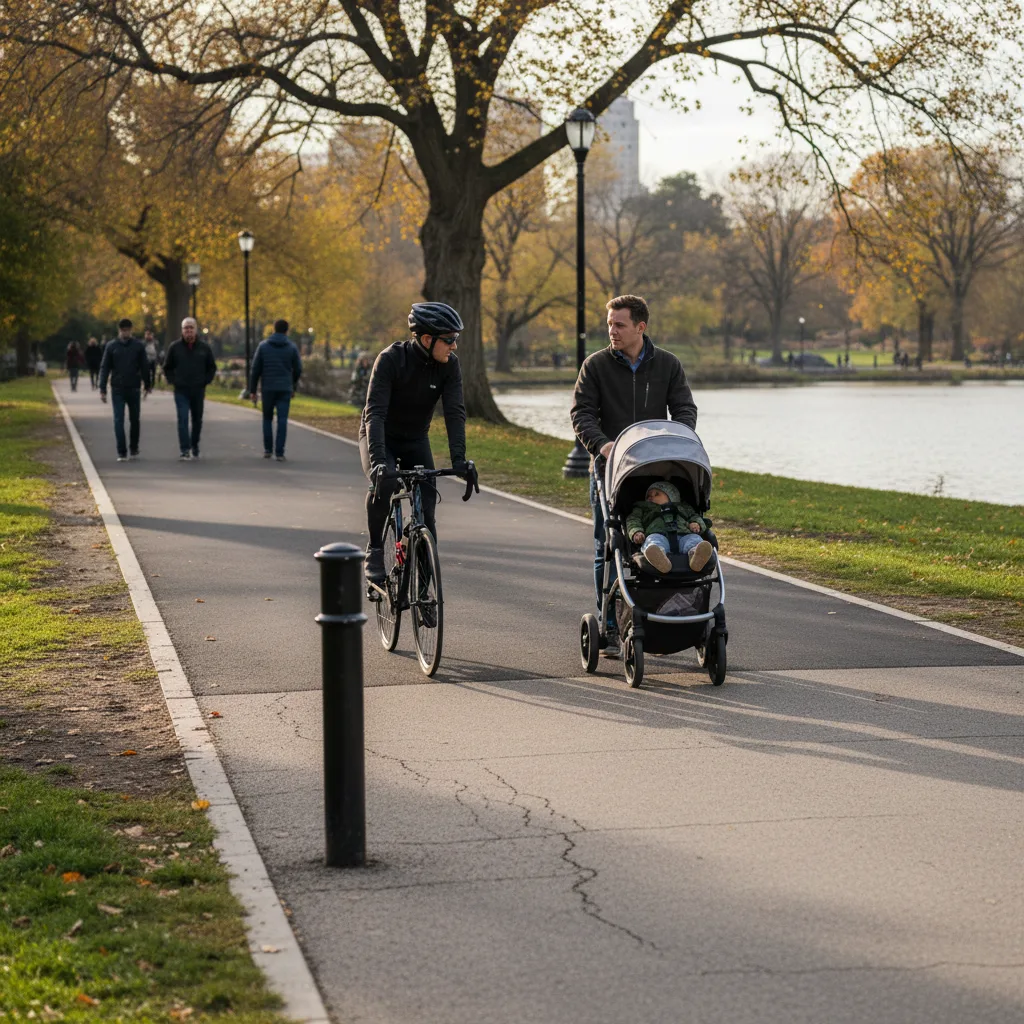
Safety Advocate Blames Park Redesign for Rising Central Park Cyclist Crashes
Safety advocates blame recent Central Park redesigns for a pedestrian's death and rising cyclist crashes, calling for urgent review of infrastructure.
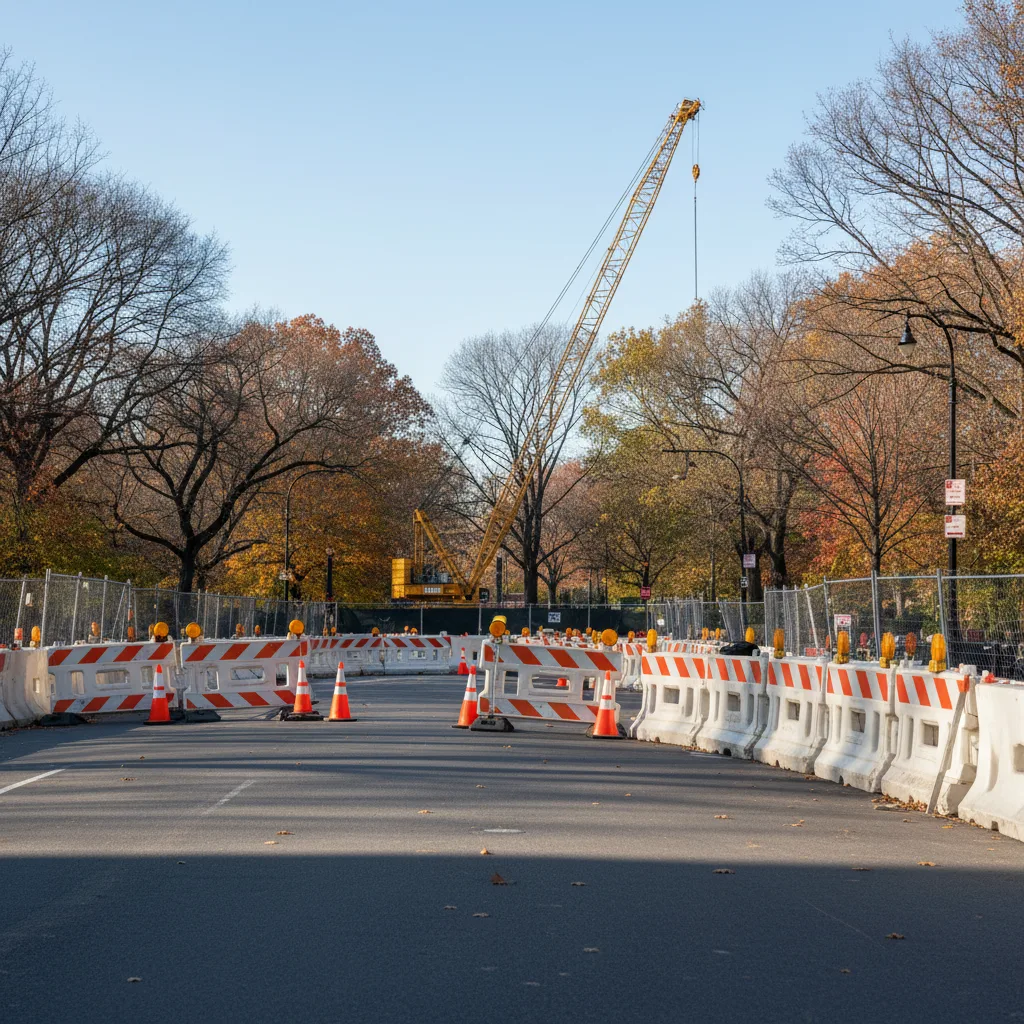
NYC DOT Advises Central Park Area Traffic Disruptions September 27
NYC DOT issued advisories for major traffic disruptions near Central Park on September 27, 2026, due to a parade and crane operations. Expect delays.

Davis Center at Harlem Meer Unveils State-of-the-Art Facilities
The new Davis Center at the Harlem Meer in Central Park's north end now features a state-of-the-art pool, ice rink, and multi-use turf field, enhancing community recreational options.

NYC City Record Confirms September 21, 2026, Publication Schedule
The NYC City Record confirmed its September 21, 2026, publication schedule, detailing administrative notices, procurement, and public hearings. This ensures transparency for municipal operations and public access to vital city information.