


NYPD Deploys 3 Tactical Surveillance Units Near Central Park Tower
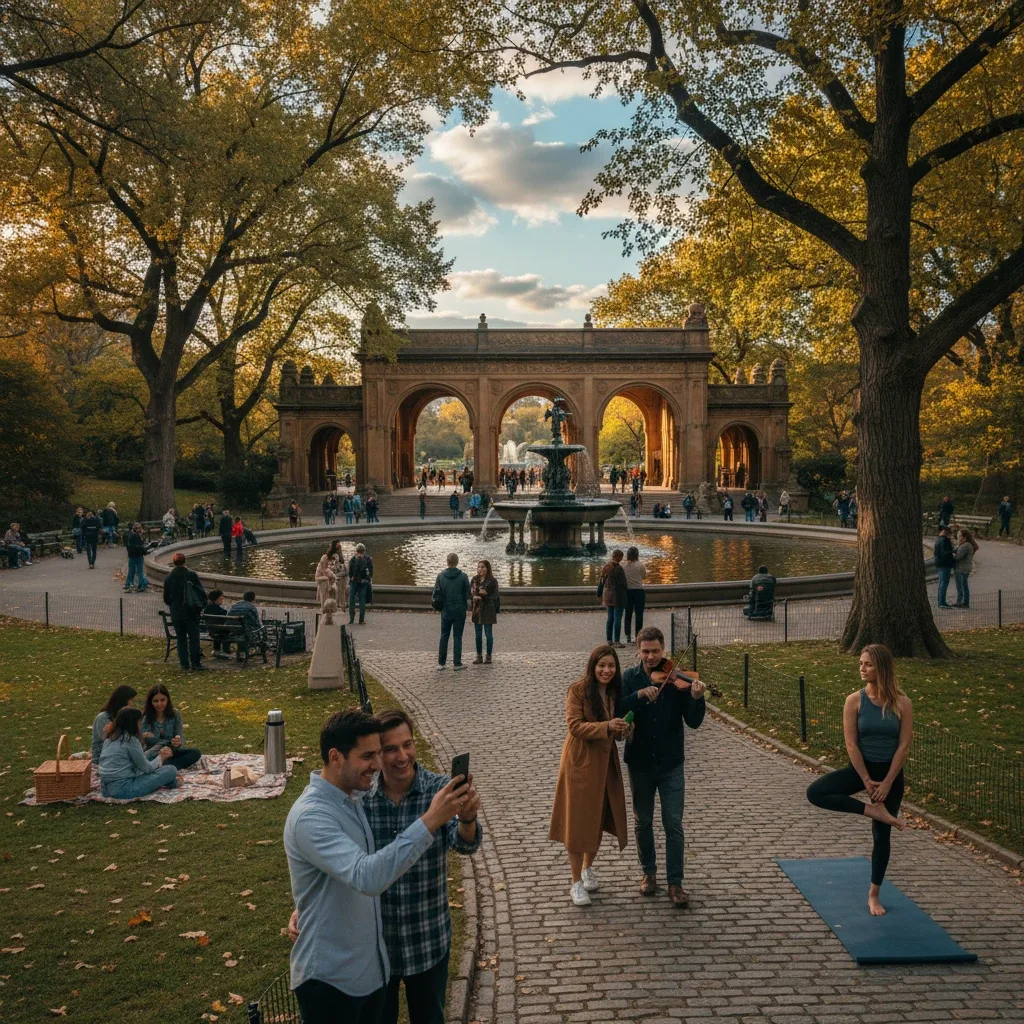
NEW YORK — NYPD deployed three tactical surveillance towers near the southern perimeter of Central Park Thursday, FOX 5 New York confirmed. The temporary installations represent a security expansion directly visible from the lower levels of Central Park Tower.
Security Perimeter Surges Around Central Park Tower Residences
The Midtown North Precinct initiated the security deployment along the West 59th Street corridor to address recent public safety concerns raised by local residential boards. The mobile observation towers are elevated twenty feet in the air, providing officers with an unobstructed view of the highly trafficked park entrances.
According to FOX 5 New York's local coverage, the tactical units will remain in place through the end of the summer tourist season. The deployment represents a direct collaboration between the NYPD's technical assistance unit and private neighborhood safety details.
Heightened Surveillance Near Central Park Tower Monitors South Transverse
Commanding officers selected the specific deployment locations to maximize visual coverage of the pedestrian walkways leading toward Wollman Rink and the Hallett Nature Sanctuary. These areas experience some of the highest foot traffic densities in Manhattan, particularly during late afternoon hours.
"Integrating static observation towers with mobile foot patrols creates a visible deterrent," Inspector James Taylor said Thursday. "Our goal is to ensure that both local residents and international visitors feel entirely secure while enjoying the public spaces of the park."
Community leaders from the Upper West Side have expressed support for the increased visibility, noting that visible patrols help deter petty theft and vandalism. The Central Park precinct has also committed to increasing the frequency of its specialized bicycle patrols along the southern loop.
Precinct Commander Outlines Technology Integration Strategy
The surveillance towers are equipped with high-definition cameras that feed real-time video directly to the NYPD Joint Operations Center. This technology allows dispatchers to coordinate responses to crowded areas without deploying excessive ground personnel.
According to precinct records, the southern sector of the park has seen a twelve percent decrease in reported property crimes since the initial testing of the mobile towers began last month. The department plans to evaluate crime data weekly to determine if additional units are needed.
Opponents of the elevated towers have raised concerns regarding the visual impact on the historic park landscape, arguing that the industrial structures detract from the natural environment. Park preservationists have requested that the city utilize less intrusive security technologies in future deployments.
Community Council Debates Drone Surveillance Privacy Standards
The deployment of advanced monitoring systems has sparked a wider conversation regarding the balance between public safety and personal privacy in Manhattan's premier green space. These debates follow a series of municipal initiatives, including heightened park safety measures, which introduced specialized park patrols further north.
During a community board meeting on Tuesday night, residents questioned how the collected video footage would be stored and who would have access to the data. Precinct representatives clarified that all recorded material is subject to strict municipal retention policies and is automatically deleted after thirty days unless flagged for an active investigation.
Privacy advocates plan to monitor the deployment closely, urging the city to establish clear guidelines regarding facial recognition technology. The NYPD has stated that facial recognition is not currently being utilized in conjunction with the temporary tower feeds.
Patrol Deployments Shift to Address Peak Evening Transverse Traffic
In addition to the surveillance towers, the city is implementing temporary traffic adjustments to manage pedestrian surges during evening concert events. These measures include coordinating Midtown traffic diversion programs near Central Park South to keep intersections clear of gridlock.
Traffic enforcement agents will be stationed at key crossings along Seventh Avenue and Broadway to assist pedestrians exiting the park. The coordinated safety program is scheduled to remain active during all major weekend events throughout the summer.
Park administrators expect the combined security and traffic measures to significantly improve pedestrian flow near the southern gates. The Midtown North Precinct plans to release an updated safety assessment report in early September.
Frequently Asked Questions
How long will the temporary NYPD surveillance towers remain in place?
The NYPD plans to maintain the three tactical surveillance towers at their current locations until September 15, 2026, which marks the traditional end of the high-volume summer tourist season. Following this period, the precinct will evaluate crime statistics and community feedback to determine if the units should be redeployed during future holiday seasons or major public events.
What specific areas of the park are visible from the elevated towers?
The towers are positioned to monitor the main pedestrian entry points at Central Park South, including the pathways leading toward Wollman Rink, the Pond, and the Gapstow Bridge. The cameras do not monitor the interior private residences of Central Park Tower or adjacent buildings. The system is calibrated to focus strictly on public transit lanes and pedestrian thoroughfares.
How can park visitors report public safety concerns directly to the local precinct?
Visitors can contact the Central Park Precinct, also known as the 22nd Precinct, directly at their stationhouse located near the center of the park at 86th Street. For non-emergencies, the public is encouraged to use the city's 311 system or speak directly with the auxiliary officers stationed near the mobile command vehicles. Emergency situations should always be reported by dialing 911.
Related Articles
More in Visitor Guide →
A Guide to Central Park's Top Activities and Best Things to Do in 2026
Discover the best things to do in Central Park, NYC, with our comprehensive 2026 guide to iconic landmarks, activities, and hidden gems for visitors.
A Guide to What to Know About the Vatican Obelisk in Central Park 2026
Discover what to know about the Vatican Obelisk (Cleopatra's Needle) in Central Park, its history, journey to NYC, and where to find it in 2026.
A Complete Guide to the Central Park Reservoir: What to Know Before You Visit
Discover everything you need to know about the Central Park Reservoir: its history, running track, wildlife, best views, and visitor tips for 2026.

A Guide to Central Park's Top 5 Pizzerias: The Best Slices Near You in NYC
Discover the top 5 pizzerias near Central Park, NYC. This guide helps you find the best slices, from historic institutions to modern favorites.
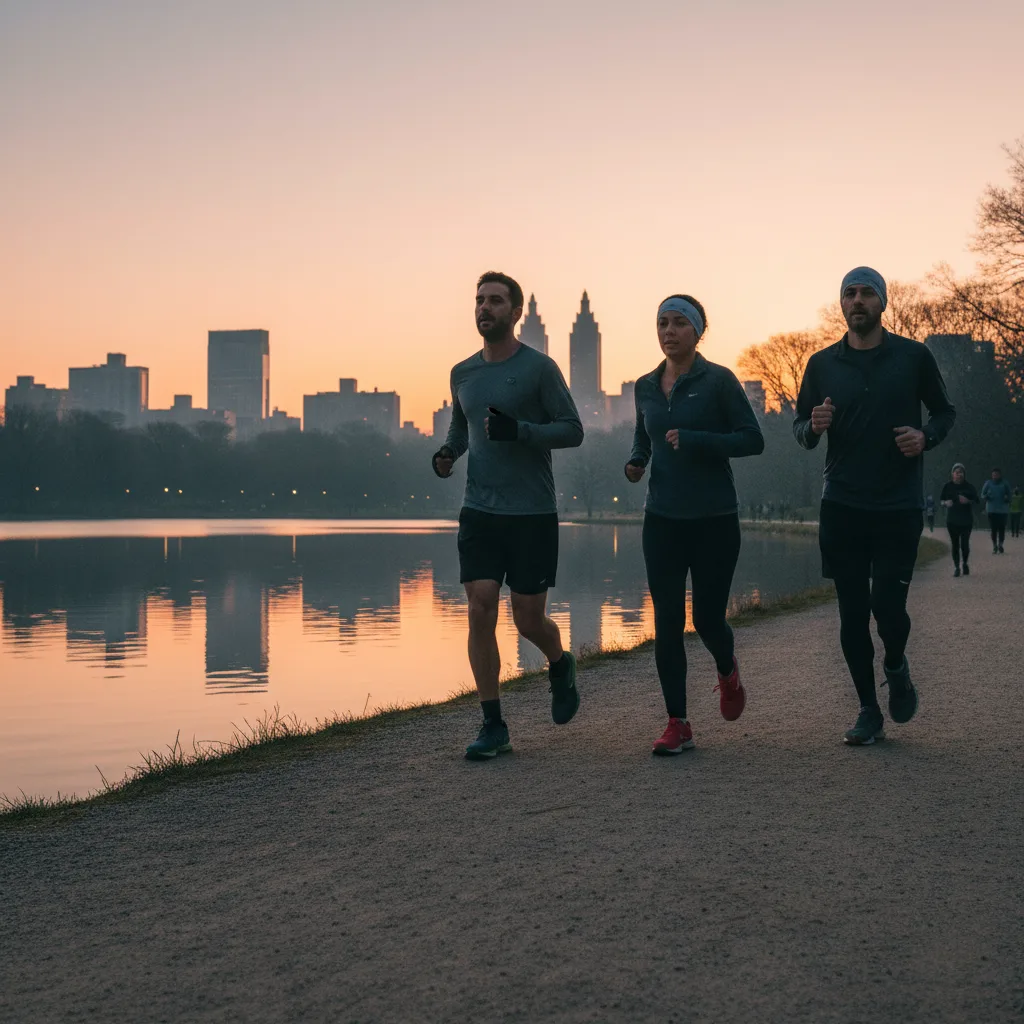
Central Park Offers Daily Public Access From 6 AM to 1 AM
Central Park maintains extensive daily public access from 6:00 am to 1:00 am, offering a continuous urban sanctuary for millions of visitors.
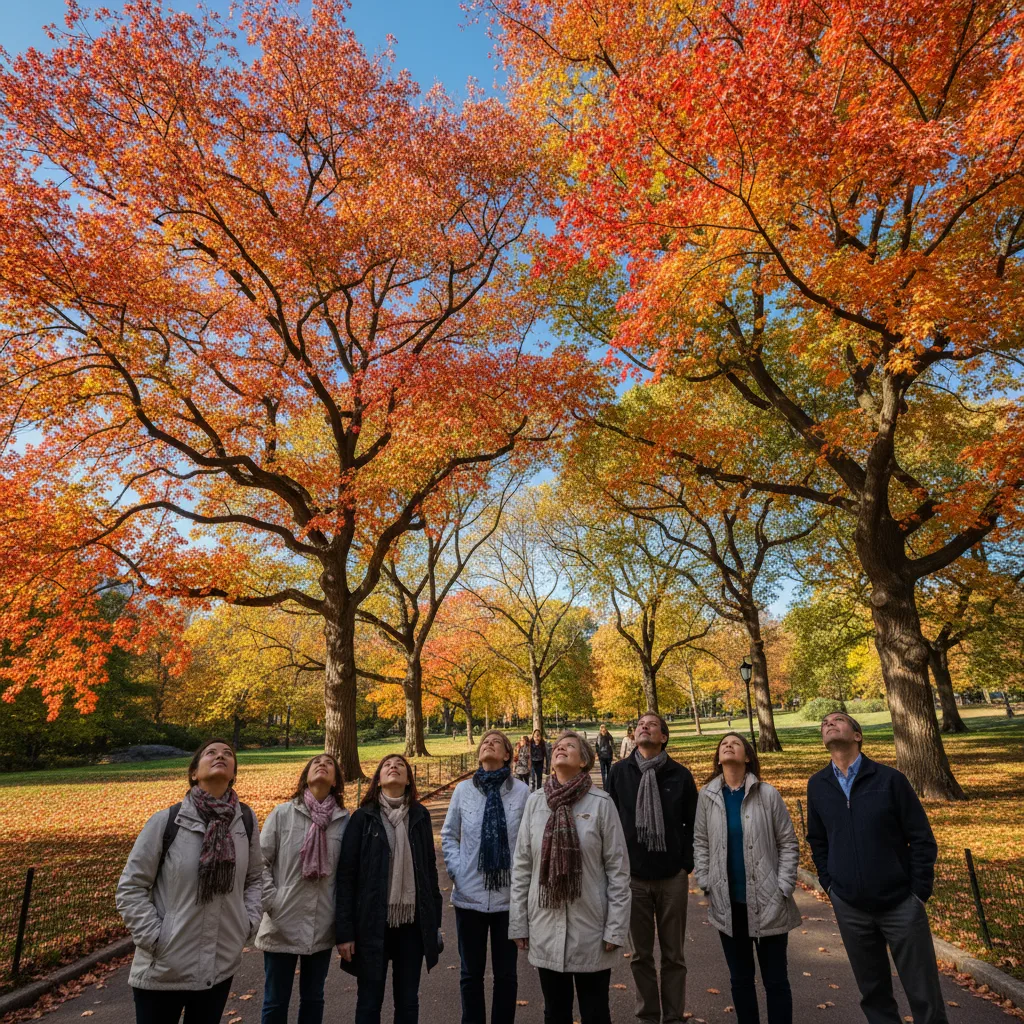
Central Park Conservancy Updates Calendar with Fall Foliage Trackers
The Central Park Conservancy has updated its calendar with fall foliage trackers and seasonal activities, guiding visitors to experience the park's autumn beauty and diverse offerings. The new resources aim to enhance planning for iconic views and events.