


Central Park's Urban Wildlife Flourishes Amidst Conservation Efforts

NEW YORK — “Central Park is much more than just a manicured landscape; it is a vital, living ecosystem, and its preservation is a continuous, dedicated effort by countless individuals,” proclaimed Dr. Evelyn Reed, Chief Ecologist for the Central Park Conservancy. Her remarks, made during a recent public lecture at the Charles A. Dana Discovery Center on July 18, 2026, highlighted the ongoing success and challenges of managing urban wildlife within New York City’s most iconic green space. This 843-acre oasis teems with diverse flora and fauna, thriving amidst the concrete jungle thanks to concerted conservation programs.
The park serves as a critical stopover for migratory birds, a refuge for small mammals, and a living laboratory for urban ecology studies. Its biodiversity is a testament to careful planning and active management that has evolved over decades. Conservation efforts range from habitat restoration to public education, ensuring both wildlife protection and visitor enjoyment of this natural marvel.
Protecting a Migratory Bird Haven
Central Park is renowned among birdwatchers as one of the best urban birding spots in the world. Over 200 species of birds, including warblers, hawks, and waterfowl, are observed in the park annually, many of them migratory. The Ramble, a 38-acre woodland located at the heart of the park, is particularly crucial as a nesting and feeding ground.
The Central Park Conservancy implements strict protocols to protect these avian residents and visitors. This includes careful management of vegetation to provide optimal cover and food sources, as well as minimizing human disturbance in sensitive areas. “Every spring, thousands of birds depend on Central Park as a critical refueling stop on their incredible journeys,” noted Dr. Reed, emphasizing the park’s continental significance. Bird counts conducted in May 2026 recorded an exceptionally high number of rare species, indicating the health of the park’s ecosystem.
Managing Diverse Mammal Populations
Beyond birds, Central Park supports a surprisingly diverse array of mammalian life. Squirrels, raccoons, opossums, and even coyotes have been sighted within its boundaries. Managing these populations requires a delicate balance between ensuring animal welfare and addressing potential human-wildlife conflicts. The Conservancy employs humane trapping and relocation methods when necessary, alongside public awareness campaigns.
Educational programs for park visitors emphasize responsible interactions with wildlife, such as not feeding animals and maintaining a respectful distance. This proactive approach helps to prevent habituation and minimizes negative encounters. And the careful stewardship of natural habitats, like the Great Lawn’s perimeter and the wooded areas around the Reservoir, provides essential shelter and foraging opportunities for these creatures.
Wetland Restoration and Water Quality Initiatives
The park's various water bodies, including the Lake, the Pond, and the Harlem Meer, are integral to its ecological health, supporting fish, turtles, and amphibians. Significant restoration projects have focused on improving water quality and restoring wetland habitats, which act as natural filters and provide crucial breeding grounds. These efforts are particularly visible around the northern parts of the park, near 110th Street, where significant re-naturalization projects have been undertaken.
In 2025, the Conservancy completed a major project to enhance the ecological integrity of the Gill, a small stream and wetland area within the Ramble. This involved removing invasive species and planting native flora, leading to a noticeable increase in amphibian populations in 2026. Such initiatives are vital for the overall health of the park's interconnected ecosystems. And they demonstrate a long-term commitment to enhancing the park's biodiversity for future generations.
The Role of Public Education in Conservation
Public engagement is a cornerstone of Central Park’s conservation strategy. The Conservancy offers numerous free educational programs, guided nature walks, and workshops for all ages. These initiatives aim to foster a deeper appreciation for the park’s natural wonders and encourage responsible stewardship among its millions of visitors. The Dana Discovery Center hosts regular exhibits and activities focused on ecological themes.
School groups regularly visit the park, participating in hands-on learning experiences about local flora and fauna. By educating the next generation, the Conservancy hopes to instill a lasting commitment to urban conservation. And this commitment extends beyond the park's boundaries, inspiring similar efforts in green spaces across the city and beyond. Explore Central Park news for updates on conservation efforts and park events.
Future Challenges and Sustainable Practices
Despite ongoing successes, Central Park’s urban wildlife faces continuous challenges, including climate change, invasive species, and increasing visitor traffic. The Conservancy is actively researching and implementing sustainable practices, such as native plant propagation and integrated pest management, to build resilience. These forward-thinking strategies are essential for maintaining the park's ecological balance.
The park remains a dynamic example of successful urban ecological management, demonstrating how nature can thrive in harmony with a dense human population. It stands as a testament to the power of dedicated conservation work and the enduring beauty of a well-loved natural space. And its ongoing evolution promises a healthier, more vibrant ecosystem for all who cherish this extraordinary public garden.
Frequently Asked Questions About Central Park Wildlife
What types of wildlife can be found in Central Park? Central Park is home to over 200 species of birds, including various migratory species, as well as small mammals like squirrels, raccoons, and opossums. Occasionally, larger mammals such as coyotes have also been sighted. How does Central Park protect its wildlife? The Central Park Conservancy implements various conservation efforts, including habitat restoration, invasive species removal, and careful vegetation management. They also conduct public education campaigns to promote responsible interaction with animals and minimize human disturbance. Can I feed the animals in Central Park? No, visitors are strongly advised not to feed any wildlife in Central Park. Feeding can alter animals' natural behaviors, make them dependent on humans, and lead to nutritional deficiencies or health problems. What are the best areas for birdwatching in Central Park? The Ramble is widely considered the premier birdwatching spot in Central Park, especially during spring and fall migrations. Other excellent locations include the Conservatory Garden, the Hallett Nature Sanctuary, and around the Reservoir. How can I learn more about Central Park’s ecological efforts? The Central Park Conservancy offers numerous free educational programs, guided nature walks, and workshops focused on the park's ecology and wildlife. The Charles A. Dana Discovery Center also hosts exhibits and resources for visitors interested in conservation.
Related Articles
More in Wildlife & Nature →
Central Park Boathouse Bird Watching Tour Offers Educational Experience
Central Park Boathouse offers an educational bird watching tour, providing visitors an opportunity to observe avian species. This experience connects locals with nature, enhancing appreciation for park wildlife.
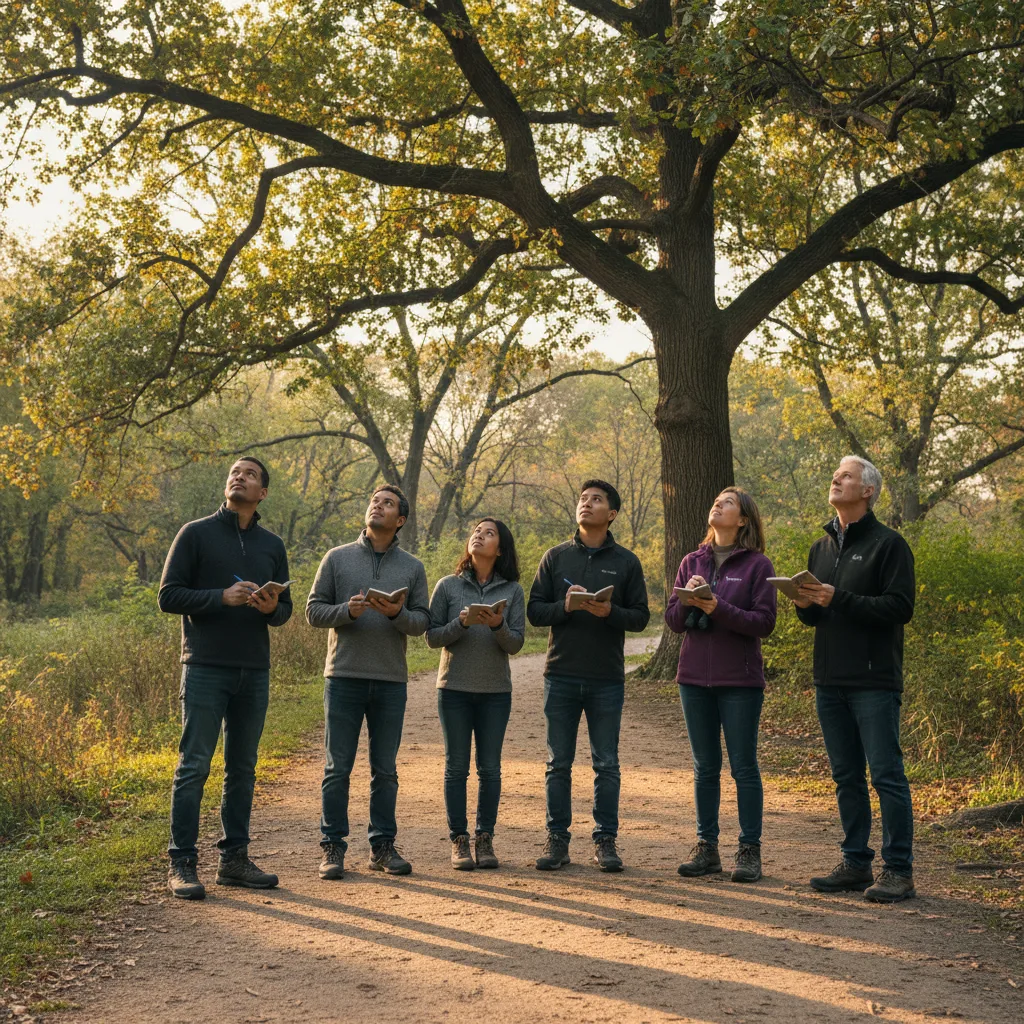
Central Park Event Calendar Features Climate Week Activities September 27
Central Park's event calendar for September 27, 2026, included a Climate Week-aligned "Journal, Meditation, + Bird Walk," promoting environmental awareness.
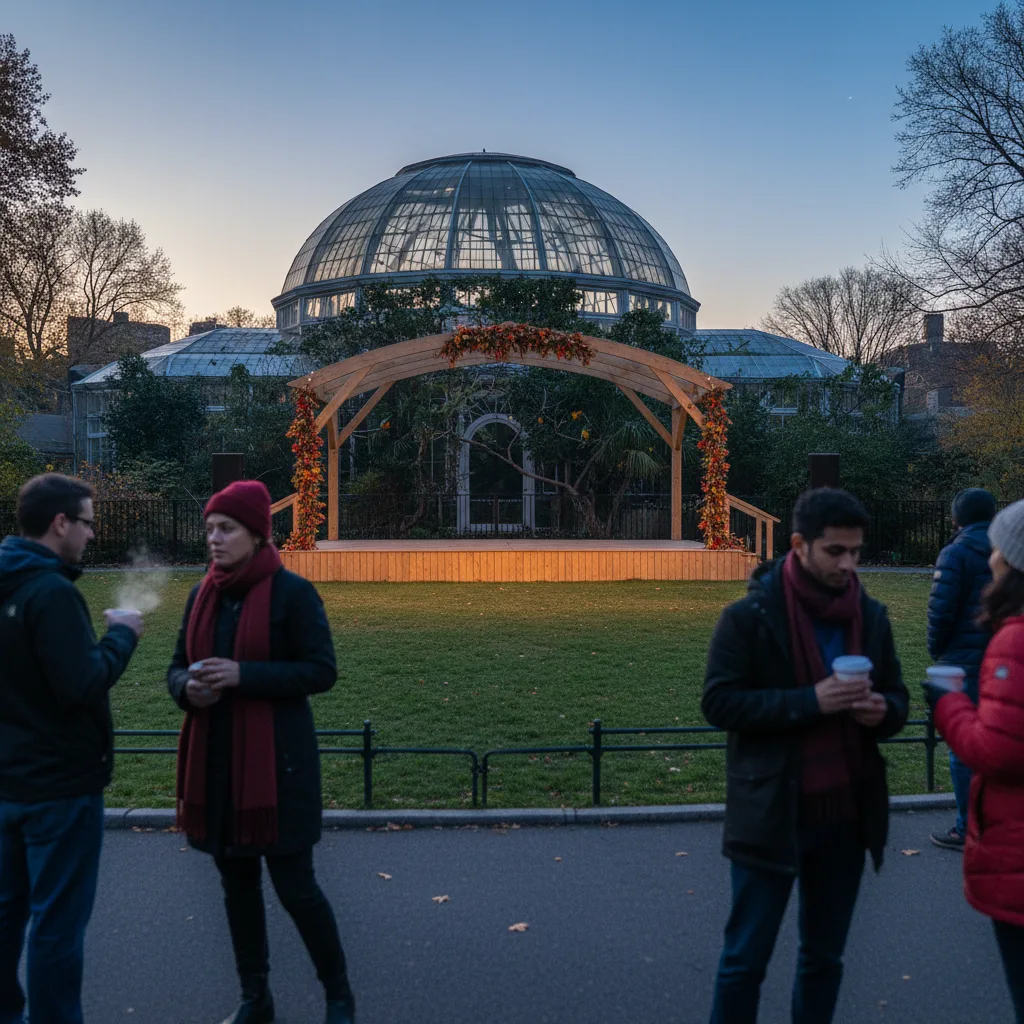
Wildlife Conservation Society Awards Lovejoy Prize at Central Park Zoo
Wildlife Conservation Society awards 2026 Thomas E. Lovejoy Prize today at Central Park Zoo during Climate Week in New York City.
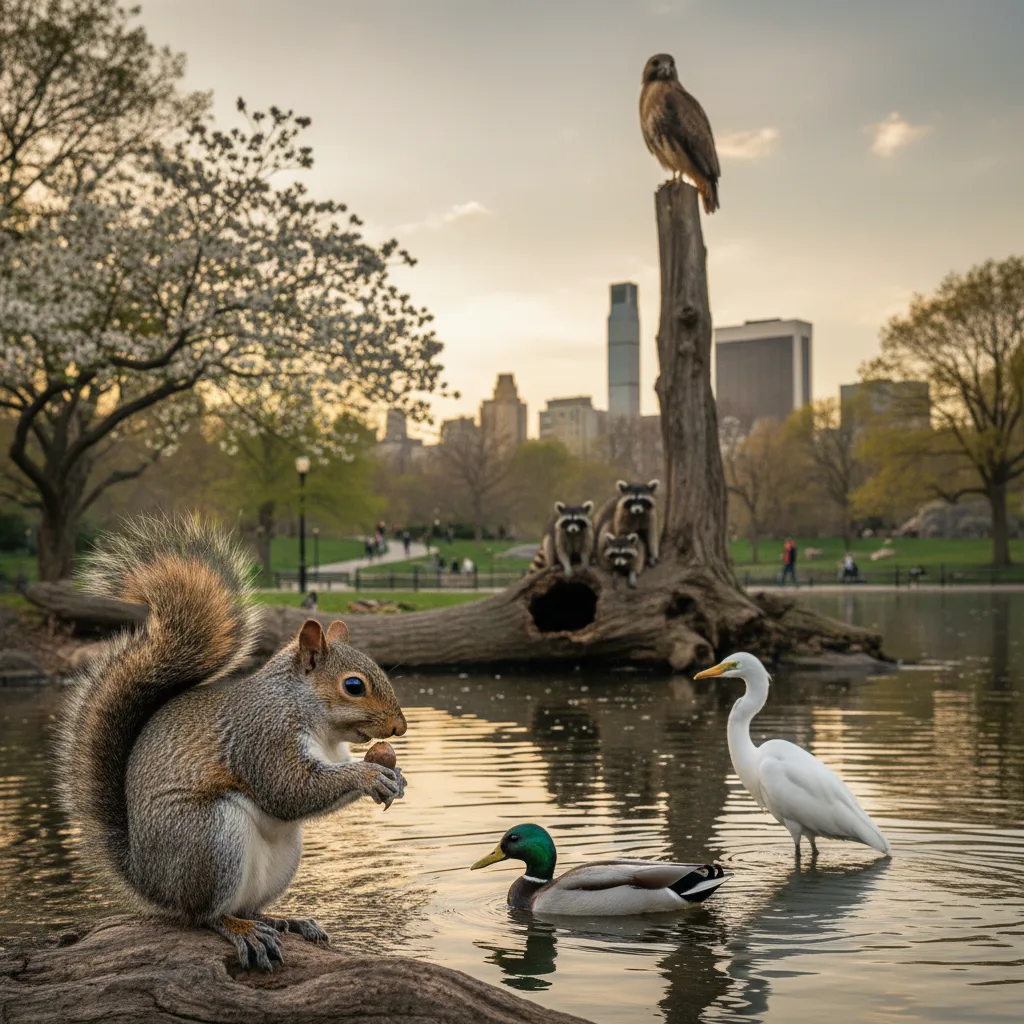
A Guide to Central Park's Wildlife: What to Know About the Park's Animals and Ecosystem
Discover the diverse Central Park wildlife, from birds and mammals to aquatic life. Learn responsible observation tips and conservation efforts for 2026.
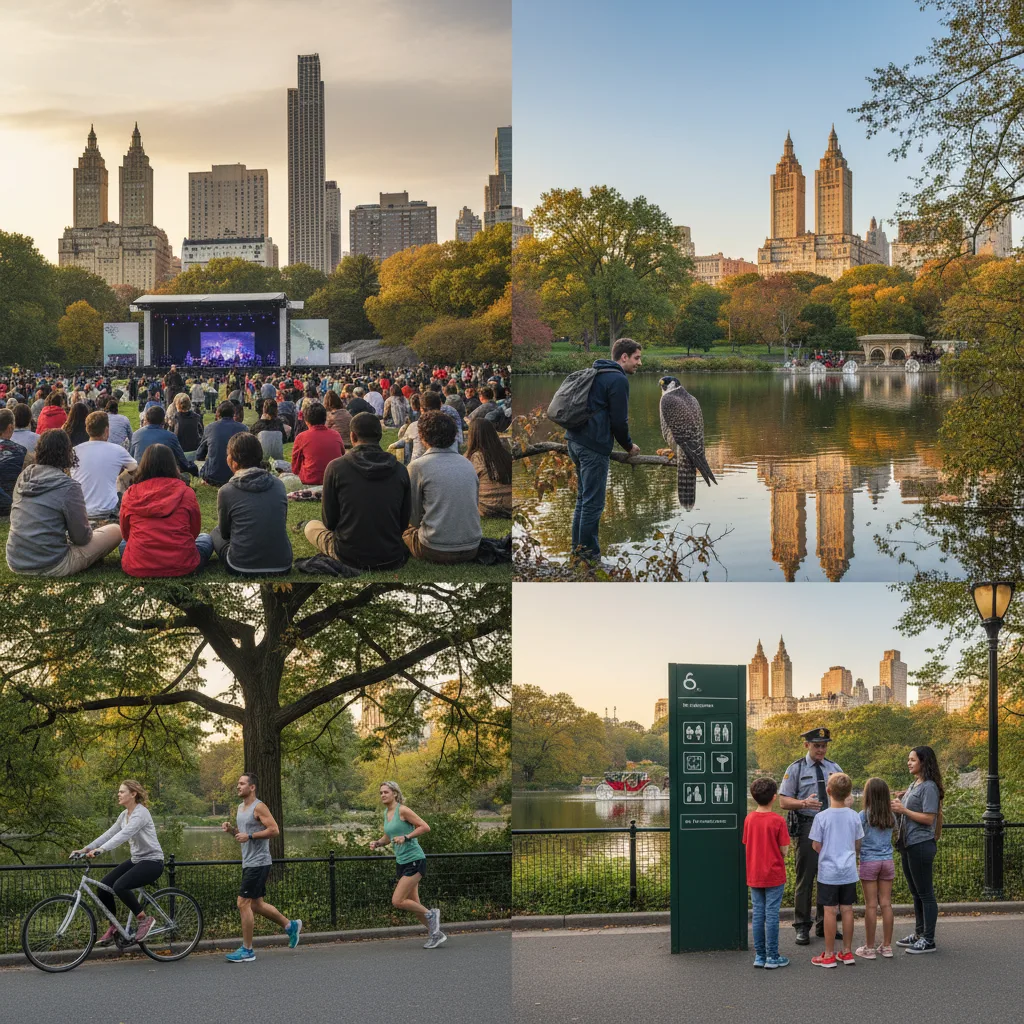
A Guide to Central Park's Top Activities and Best Things to Do in 2026
Discover the best things to do in Central Park, NYC, with our comprehensive 2026 guide to iconic landmarks, activities, and hidden gems for visitors.
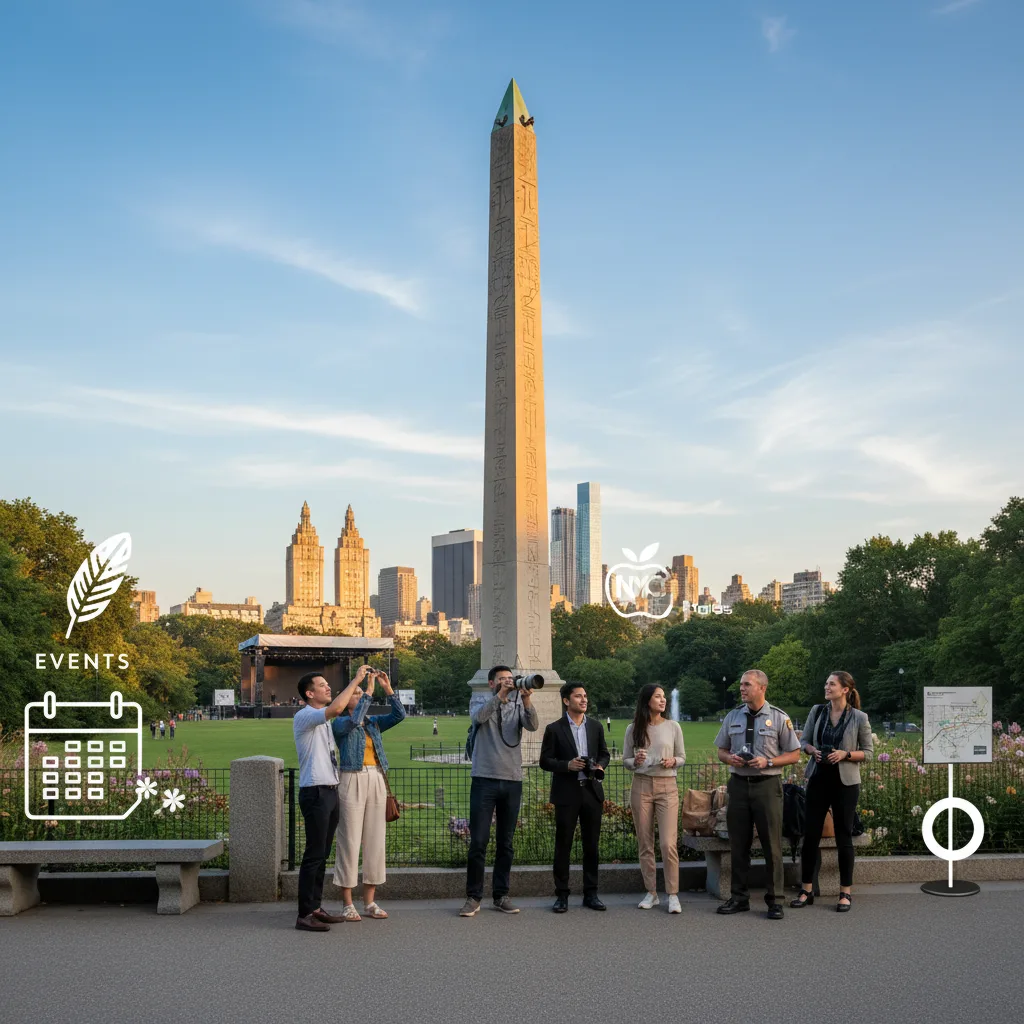
A Guide to What to Know About the Vatican Obelisk in Central Park 2026
Discover what to know about the Vatican Obelisk (Cleopatra's Needle) in Central Park, its history, journey to NYC, and where to find it in 2026.