


Central Park Visitors Surge 15% to 45 Million Annually by 2026
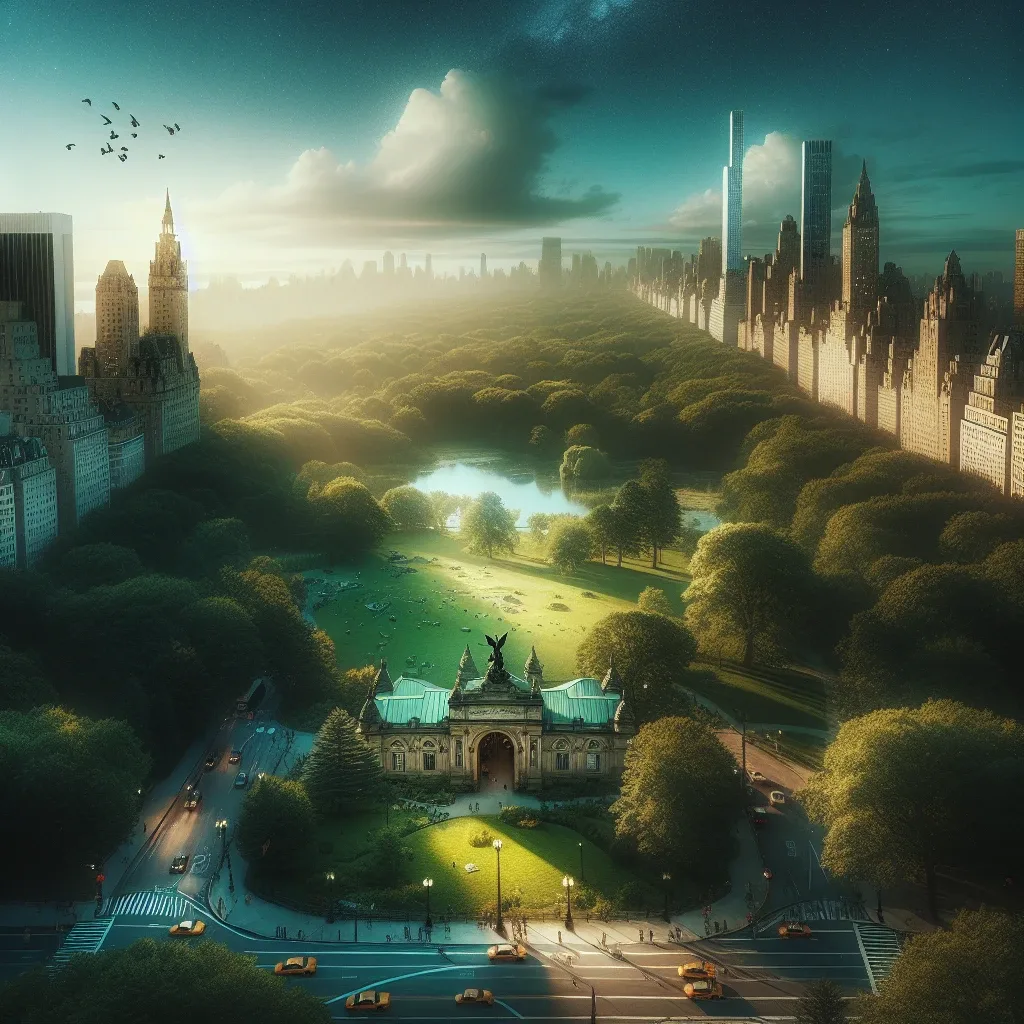
NEW YORK — Central Park recorded a significant 15% surge in annual visitors by the end of 2026, bringing the total number of people enjoying the iconic green space to an estimated 45 million. This unprecedented increase highlights both the park's enduring appeal and the mounting pressure on its delicate ecosystem and infrastructure.
The Central Park Conservancy reported this substantial rise, attributing it to a combination of post-pandemic tourism recovery and a growing appreciation for urban green spaces. The Conservancy, a private non-profit organization that manages the park in partnership with the City of New York, detailed these figures in its recent annual report.
Unprecedented Foot Traffic Strains Resources
The 45 million annual visitors represent a peak not seen in over two decades, according to historical data provided by the Central Park Conservancy. This influx places immense strain on the park's 843 acres, impacting everything from pedestrian pathways to crucial natural habitats.
Elizabeth Barlow Rogers, former Administrator of Central Park and president of the Central Park Conservancy, once highlighted the delicate balance required. The sheer volume of people navigating popular areas like Bethesda Terrace and Sheep Meadow necessitates constant maintenance and strategic planning. The Conservancy's 2026 operational budget saw a 7% increase, primarily to address these heightened demands.
Conservancy’s Strategic Response to Usage Demands
In response to the escalating visitor numbers, the Central Park Conservancy has unveiled a multi-year strategic plan focusing on sustainable management and infrastructure upgrades. This plan, projected to cost over $150 million, aims to mitigate the environmental impact while enhancing visitor experience.
Liam O'Malley, Director of Park Operations for the Conservancy, spoke to reporters from their offices near the Arsenal. "We are immensely proud that Central Park continues to be a vital respite for New Yorkers and global visitors," O'Malley stated. "But this popularity demands proactive measures to ensure its health for future generations. Our new plan directly addresses these challenges with innovative solutions."
Ecological Preservation Efforts Intensify
Central to the Conservancy's strategy are intensified ecological preservation efforts across the park. The North Woods, for instance, which comprises 40 acres of woodland and streams, has seen increased funding for invasive species removal and native plant restoration projects. This particular initiative is crucial for maintaining biodiversity within Manhattan’s urban core.
Park horticulturists have begun implementing new soil compaction remediation techniques along popular walking paths, especially those leading towards the Conservatory Garden. These efforts aim to protect tree roots and improve drainage in high-traffic zones. The Ramble, another ecologically sensitive area, received significant attention for erosion control and waterway revitalization.
Enhanced Infrastructure and Visitor Amenities
Beyond environmental concerns, the Conservancy is investing heavily in updating visitor infrastructure. Plans include renovating several park restrooms, upgrading signage throughout the entire park, and improving accessibility ramps at key entrances like those along Central Park South. These improvements are designed to better accommodate the large and diverse visitor base.
Improvements are also slated for areas surrounding key attractions, including enhancements near the Wollman Rink and the Harlem Meer. For comprehensive details on upcoming park events, readers can explore the latest Central Park news and activities. These infrastructure projects are expected to roll out in phases over the next three years, with initial work beginning near Grand Army Plaza in early 2027.
Funding and Community Engagement Initiatives
The $150 million strategic plan relies heavily on philanthropic contributions and ongoing public-private partnerships. The Conservancy launched a major capital campaign in late 2025, securing commitments from several prominent New York foundations and individual donors. Over $60 million has already been raised, according to their financial transparency reports.
Community engagement remains a cornerstone of the Conservancy's approach. Volunteer programs saw a 20% increase in participation in 2026, with over 10,000 individuals contributing their time to park maintenance and educational initiatives. The organization continues to solicit public feedback through surveys and town hall meetings to guide its long-term vision.
Frequently Asked Questions About Central Park Visitation
What are the primary reasons for the increase in Central Park visitors? The surge in visitor numbers is primarily attributed to a robust return of international tourism post-pandemic, combined with a heightened local appreciation for accessible outdoor recreational spaces. Digital platforms and social media also play a role in promoting the park's attractions.
How is the Central Park Conservancy managing the impact of increased foot traffic? The Conservancy is addressing this through a comprehensive strategic plan that includes infrastructure upgrades, enhanced ecological preservation programs for sensitive areas like the North Woods, and increased maintenance budgets. They also emphasize sustainable practices.
What specific areas of the park are seeing the most impact? High-traffic areas such as Bethesda Terrace, the areas around Sheep Meadow, and major pathways like the Mall are experiencing the most wear. Sensitive ecological zones like the Ramble and the North Woods also face challenges from increased human presence.
How can the public contribute to the park's preservation efforts? The public can contribute by adhering to park rules, staying on designated paths, not littering, and participating in volunteer programs. Financial donations to the Central Park Conservancy also directly support maintenance and restoration projects. You can find out more about supporting Central Park's future through various initiatives.
Related Articles
More in Wildlife & Nature →
Central Park Boathouse Bird Watching Tour Offers Educational Experience
Central Park Boathouse offers an educational bird watching tour, providing visitors an opportunity to observe avian species. This experience connects locals with nature, enhancing appreciation for park wildlife.
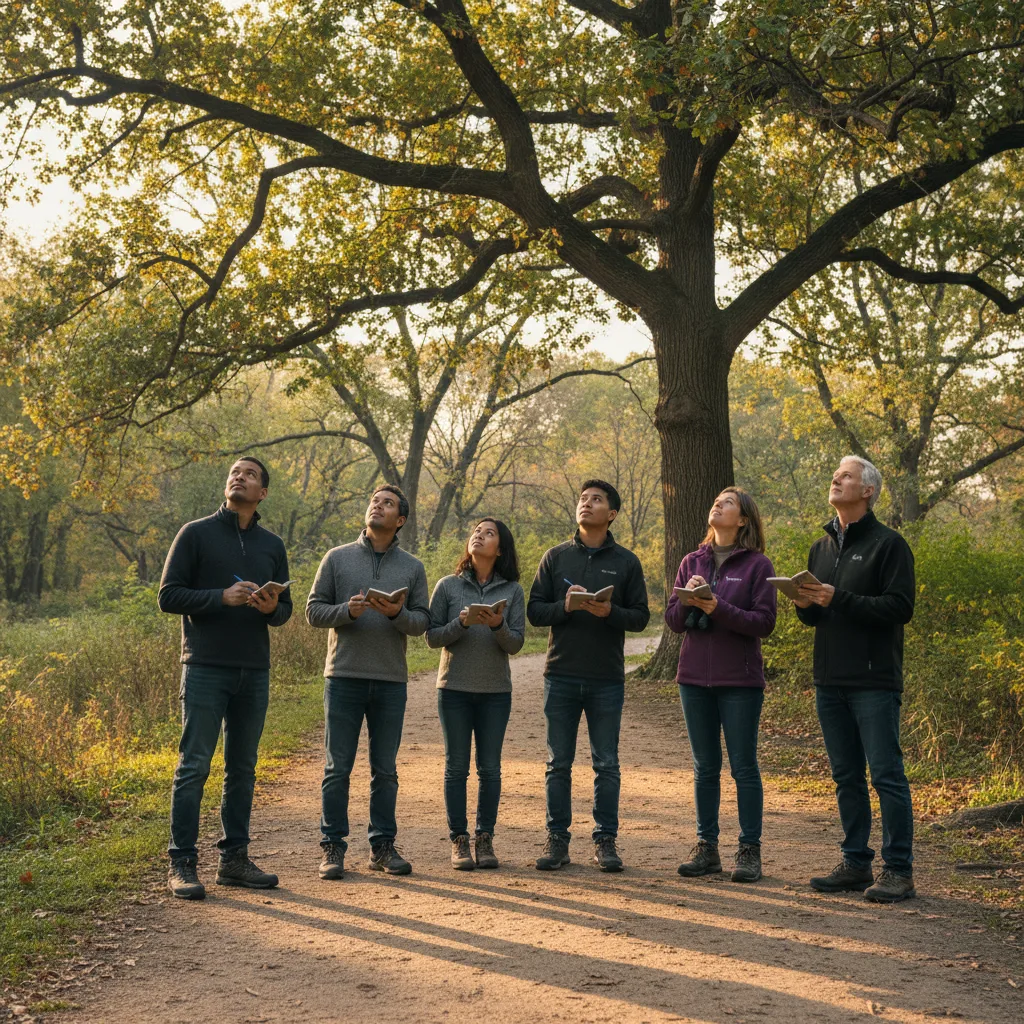
Central Park Event Calendar Features Climate Week Activities September 27
Central Park's event calendar for September 27, 2026, included a Climate Week-aligned "Journal, Meditation, + Bird Walk," promoting environmental awareness.
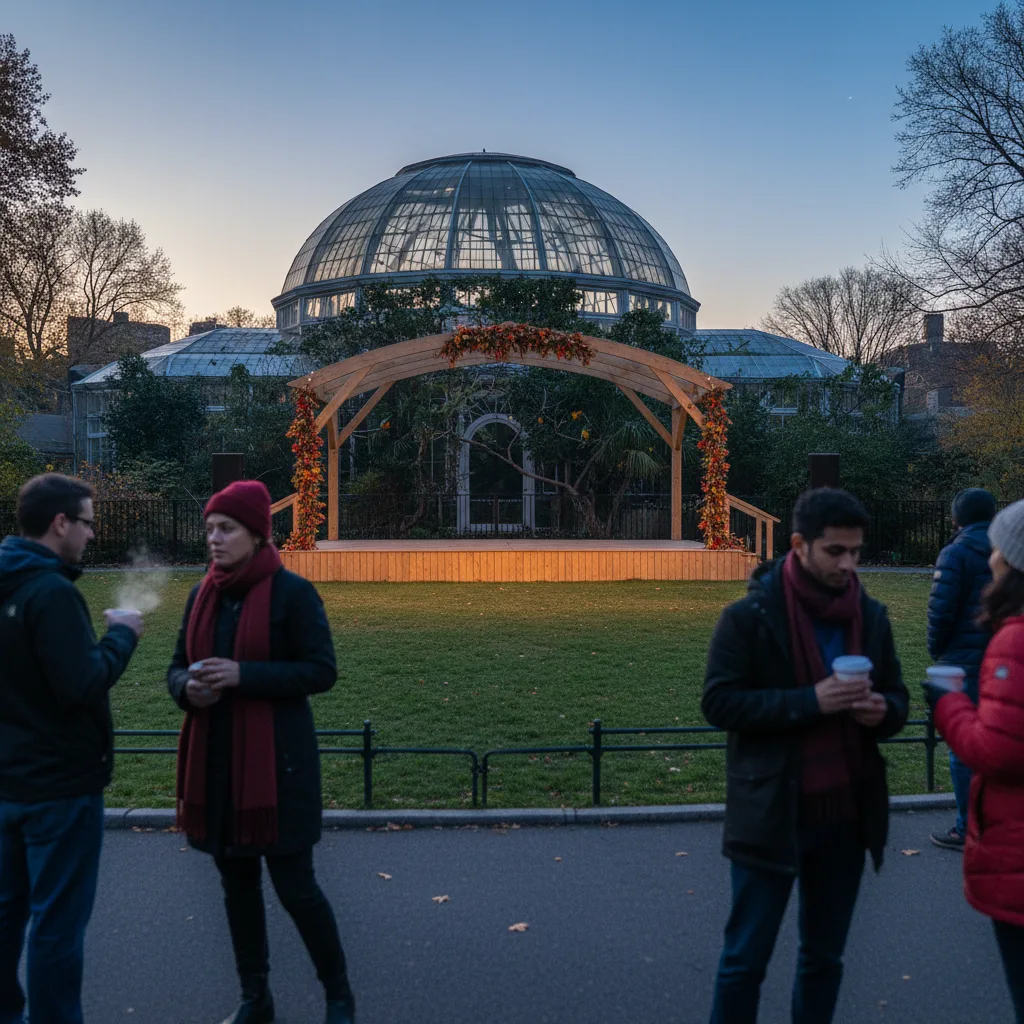
Wildlife Conservation Society Awards Lovejoy Prize at Central Park Zoo
Wildlife Conservation Society awards 2026 Thomas E. Lovejoy Prize today at Central Park Zoo during Climate Week in New York City.
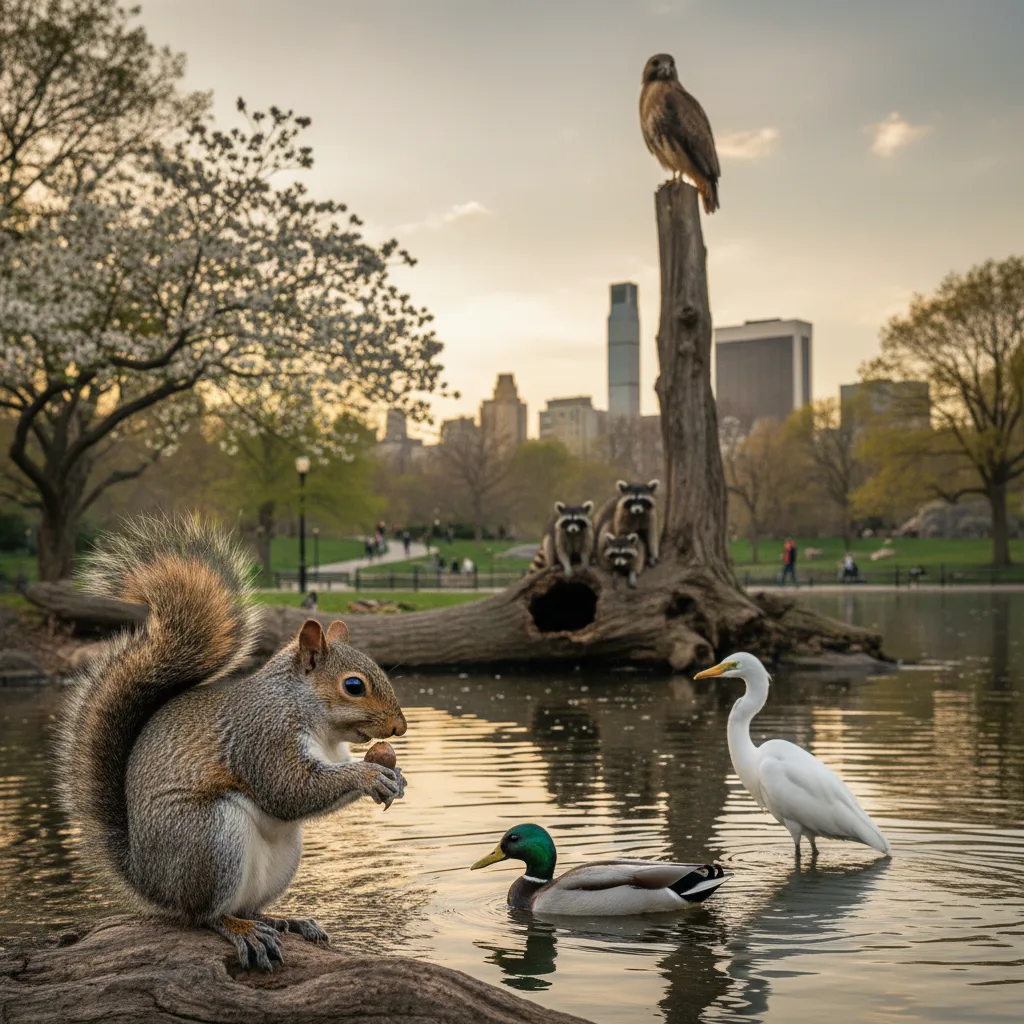
A Guide to Central Park's Wildlife: What to Know About the Park's Animals and Ecosystem
Discover the diverse Central Park wildlife, from birds and mammals to aquatic life. Learn responsible observation tips and conservation efforts for 2026.
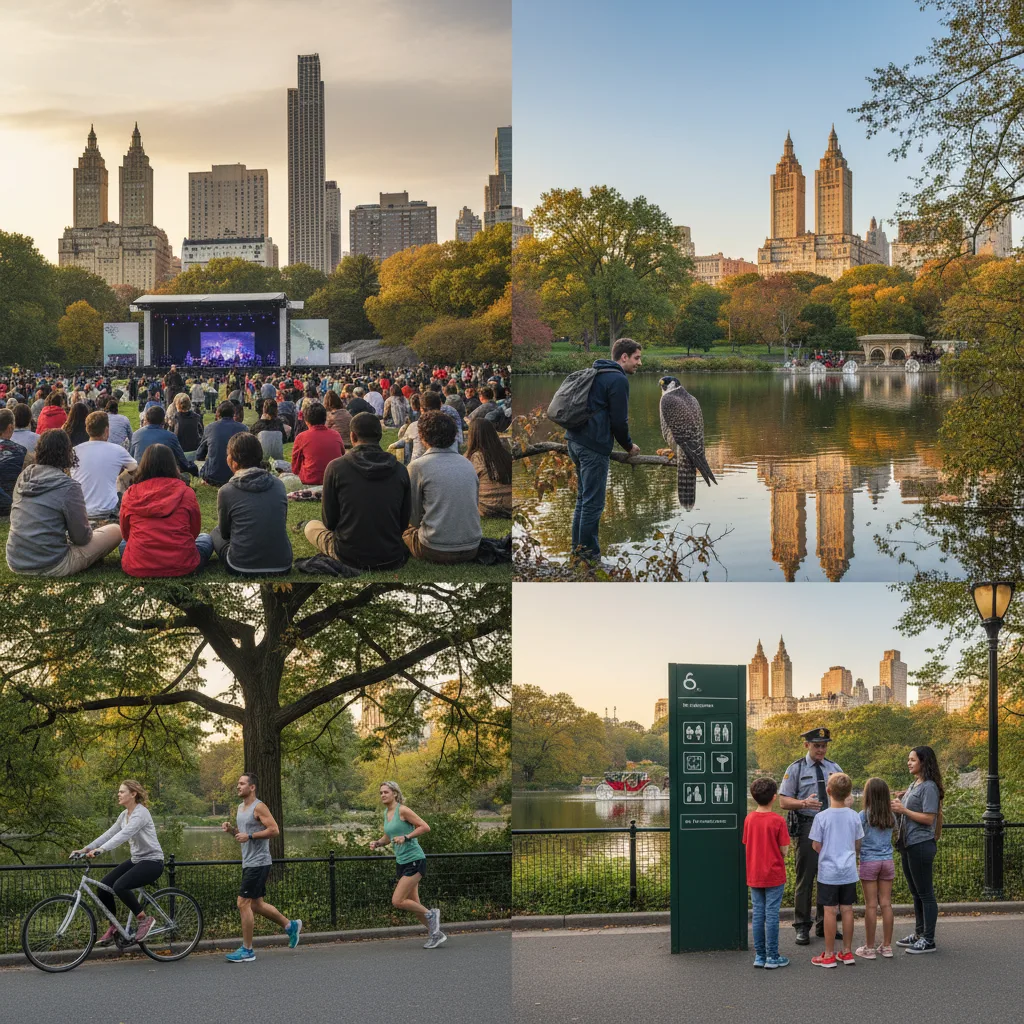
A Guide to Central Park's Top Activities and Best Things to Do in 2026
Discover the best things to do in Central Park, NYC, with our comprehensive 2026 guide to iconic landmarks, activities, and hidden gems for visitors.
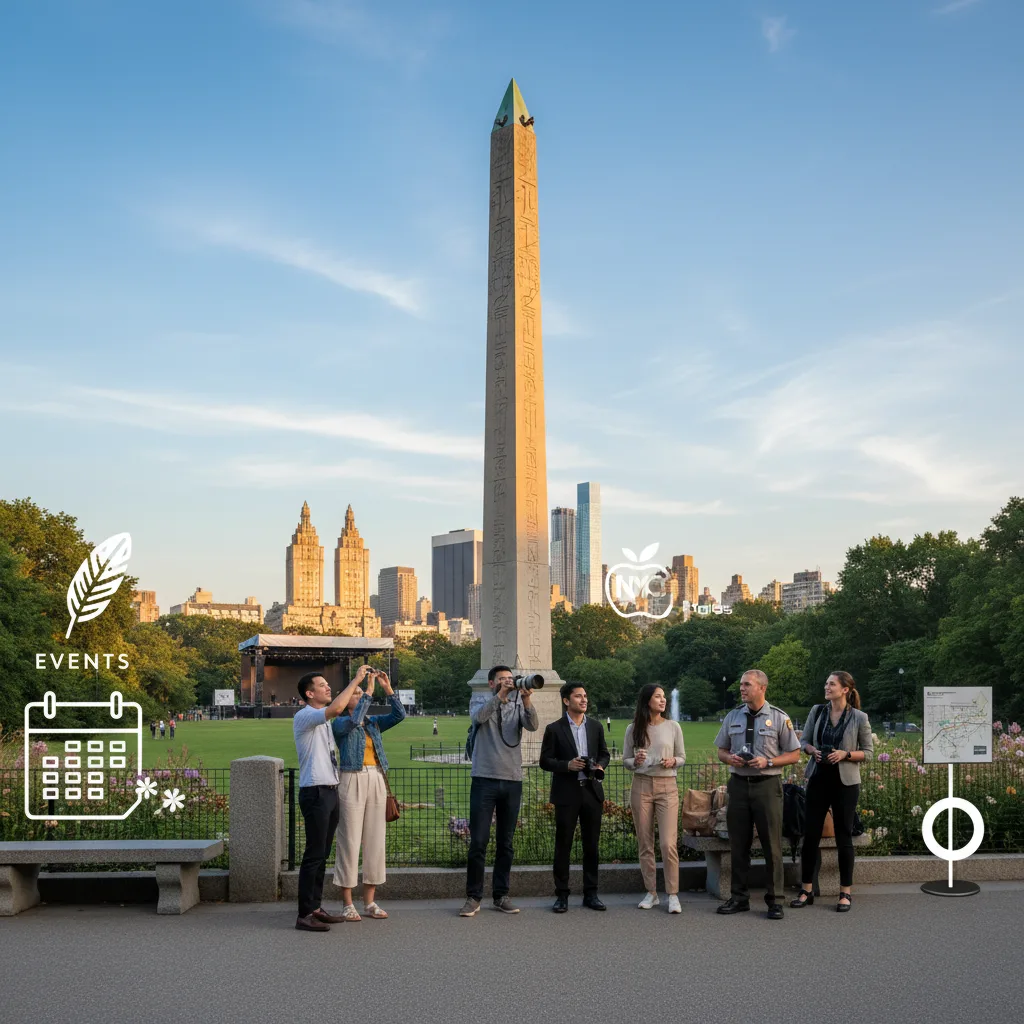
A Guide to What to Know About the Vatican Obelisk in Central Park 2026
Discover what to know about the Vatican Obelisk (Cleopatra's Needle) in Central Park, its history, journey to NYC, and where to find it in 2026.