


Central Park Witnesses Major Anti-Establishment Protest 2026

NEW YORK — Central Park served as a backdrop this past Saturday for one of New York City’s largest anti-establishment demonstrations of 2026, drawing tens of thousands of participants. The mass march, part of the broader "No Kings" movement, filled thoroughfares adjacent to the iconic park, expressing widespread discontent.
Organizers cited a collective urgency among participants to challenge existing political and economic frameworks. The sheer scale of the event underscored a significant moment of public expression in the city, with marchers converging from multiple points across Manhattan.
Voices From the Central Park March
Participants shared diverse motivations for joining the march, highlighting concerns ranging from governmental transparency to corporate influence. Sarah Kim, a 28-year-old artist from the Upper West Side, emphasized, “We’re here because people are rising up against systems that no longer serve them.”
Her sentiments echoed those heard among other marchers gathered near the park's perimeter, many of whom carried banners and chanted slogans calling for change. The vibrant atmosphere was largely peaceful, with an evident commitment to orderly demonstration.
Comparing NYC's Turnout to National Events
While nationwide "No Kings" protests occurred from New York to Denver, the NYC demonstration stood out for its substantial numbers, as reported by democracynow.org. This significant turnout solidified New York's role as a key hub for national protest movements.
Comparatively, official police estimates for the NYC event placed attendance in the high five figures, making it one of the largest single-day demonstrations in the city this year. The coordination required for such a large-scale event was extensive, involving numerous community and activist groups.
Impact on Central Park and Local Community
The protest’s proximity to Central Park meant that park-goers and local residents were direct witnesses to the historical event. While some sections of the park saw increased activity, core areas remained accessible, though with noticeable diversions.
Local businesses along Central Park South and Fifth Avenue experienced a mix of impacts, with some reporting heightened sales from demonstrators seeking refreshments, while others noted temporary access challenges. Community board members reported receiving feedback both praising and expressing concerns about the protest's scale.
Demands for Systemic Change and Future Actions
The "No Kings" movement articulated a broad platform demanding systemic reforms, including electoral justice, environmental protection, and an end to perceived corruption. Organizers indicated that Saturday's protest was a critical step in a sustained campaign.
Future actions are expected to include smaller, targeted demonstrations and continued efforts to engage policymakers and the public. The movement's leaders stressed the importance of consistent pressure to achieve their stated goals.
Law Enforcement and Public Safety
New York City Police Department officials confirmed a comprehensive security plan was in place, aimed at facilitating the peaceful exercise of free speech while ensuring public safety. No major arrests or incidents of violence were reported during the extensive march.
Officers maintained a visible presence along the protest route, directing traffic and ensuring clear pathways for both marchers and pedestrians. The coordinated effort allowed for a largely smooth execution of the massive demonstration.
Frequently Asked Questions Regarding Central Park Protests
Many wonder about the specific grievances driving these large-scale demonstrations; they are fueled by a broad spectrum of concerns including political disillusionment, economic inequality, and environmental urgency, reflecting widespread public demand for change. Residents often ask about the impact on Central Park itself; while the march routes were adjacent to the park, its main pathways and facilities generally remained open, albeit with some increased foot traffic and rerouted access points. The "No Kings" movement's goals are centered on advocating for systemic reforms across government and society, pushing for greater accountability and equity. For more context on these widespread demonstrations, individuals can refer to Democracy Now's coverage of the protests and related national efforts. Information on future related events is typically disseminated through local activist networks and news updates, encouraging continued public engagement.
Related Articles
More in Urban Policy & Development →
NYC Mayor Mamdani Booed at Union Square October 7 Vigil
Mayor Mamdani faced boos and protests at a Union Square vigil Thursday marking the Oct. 7 attacks, highlighting deep community divisions in NYC.
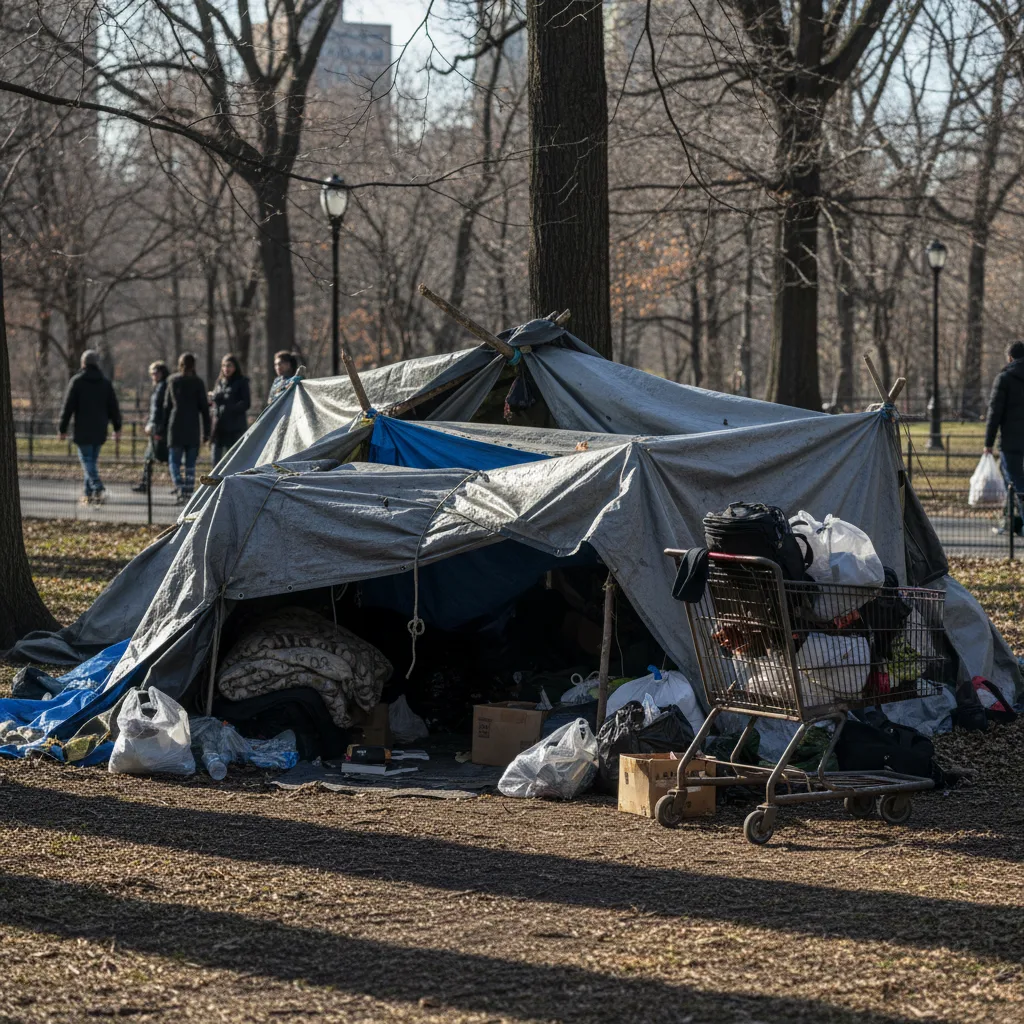
NYC Homeless Encampments Spotted Across Manhattan, Raising Concerns
Multiple homeless encampments have been spotted across Manhattan, raising significant concerns about urban policy and public safety. City officials are under pressure to address the growing homelessness crisis.
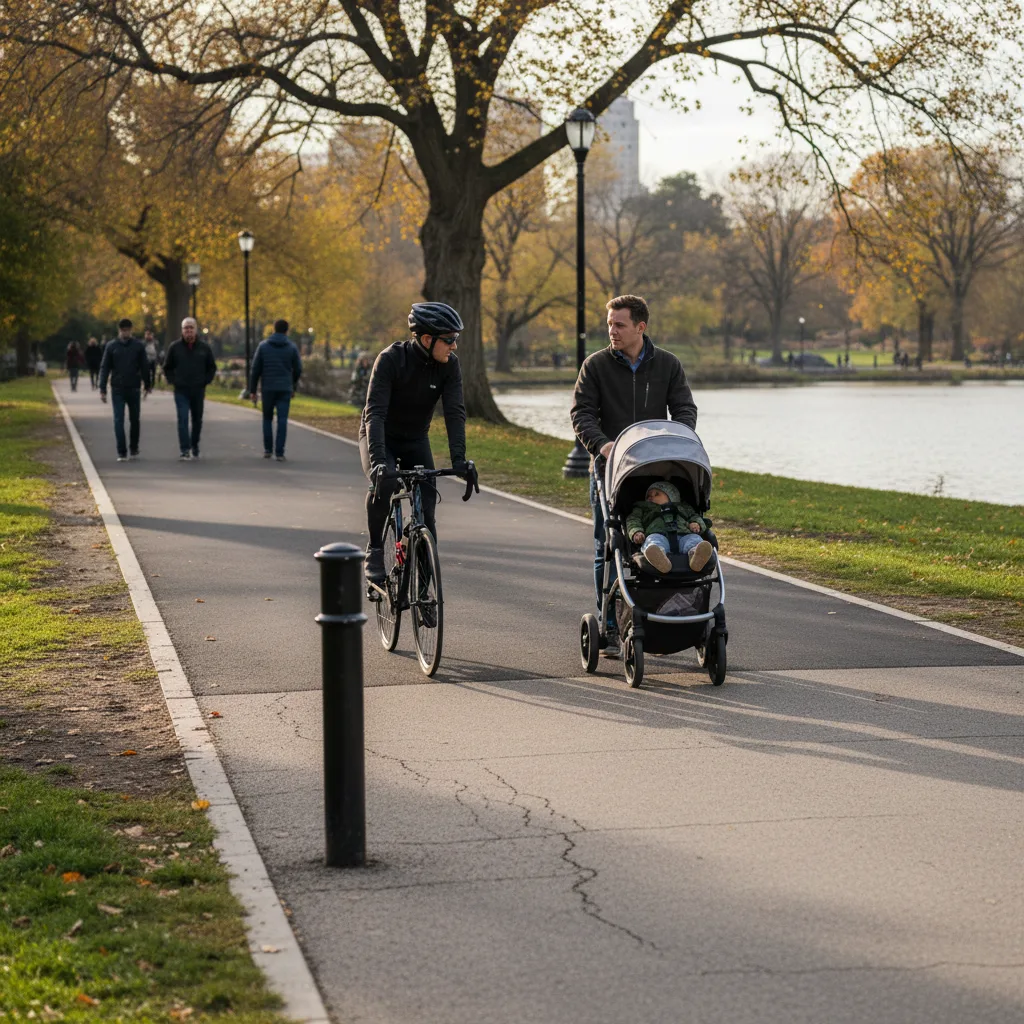
Safety Advocate Blames Park Redesign for Rising Central Park Cyclist Crashes
Safety advocates blame recent Central Park redesigns for a pedestrian's death and rising cyclist crashes, calling for urgent review of infrastructure.
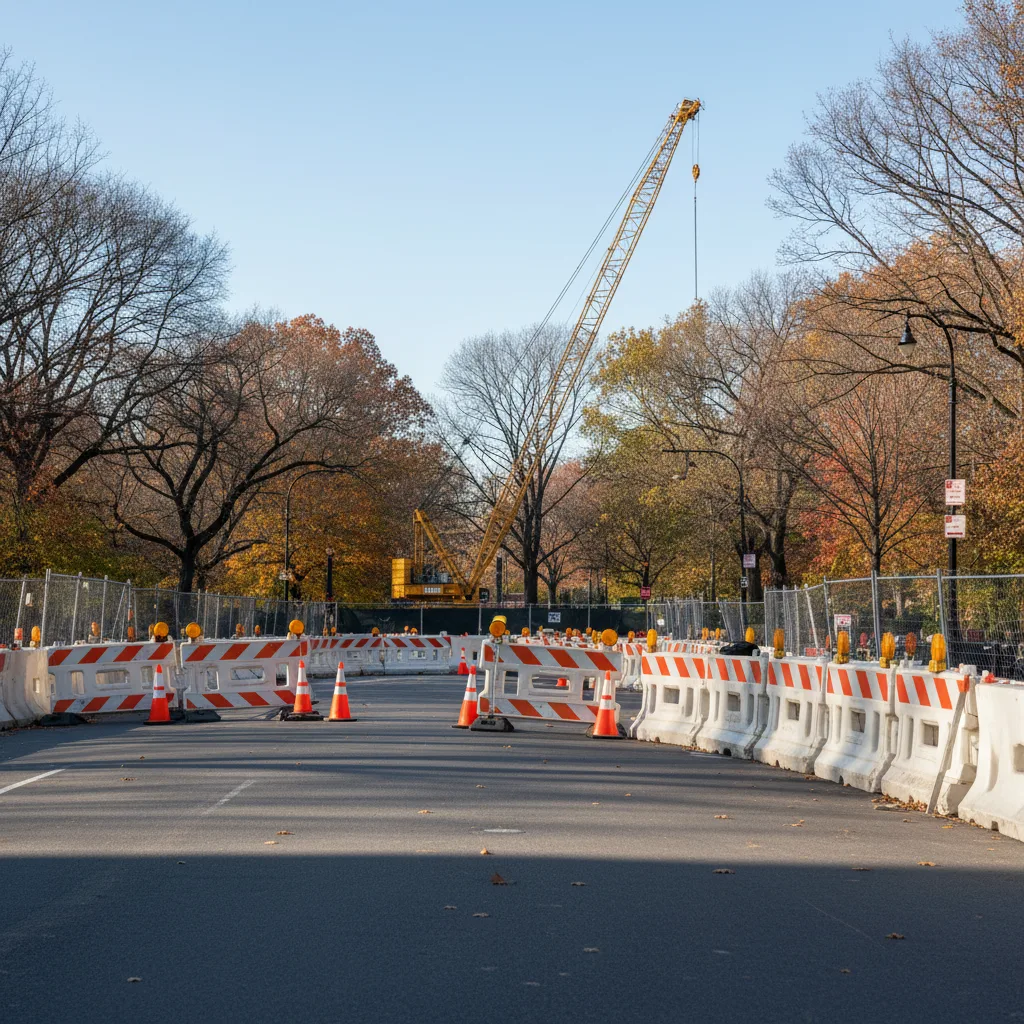
NYC DOT Advises Central Park Area Traffic Disruptions September 27
NYC DOT issued advisories for major traffic disruptions near Central Park on September 27, 2026, due to a parade and crane operations. Expect delays.
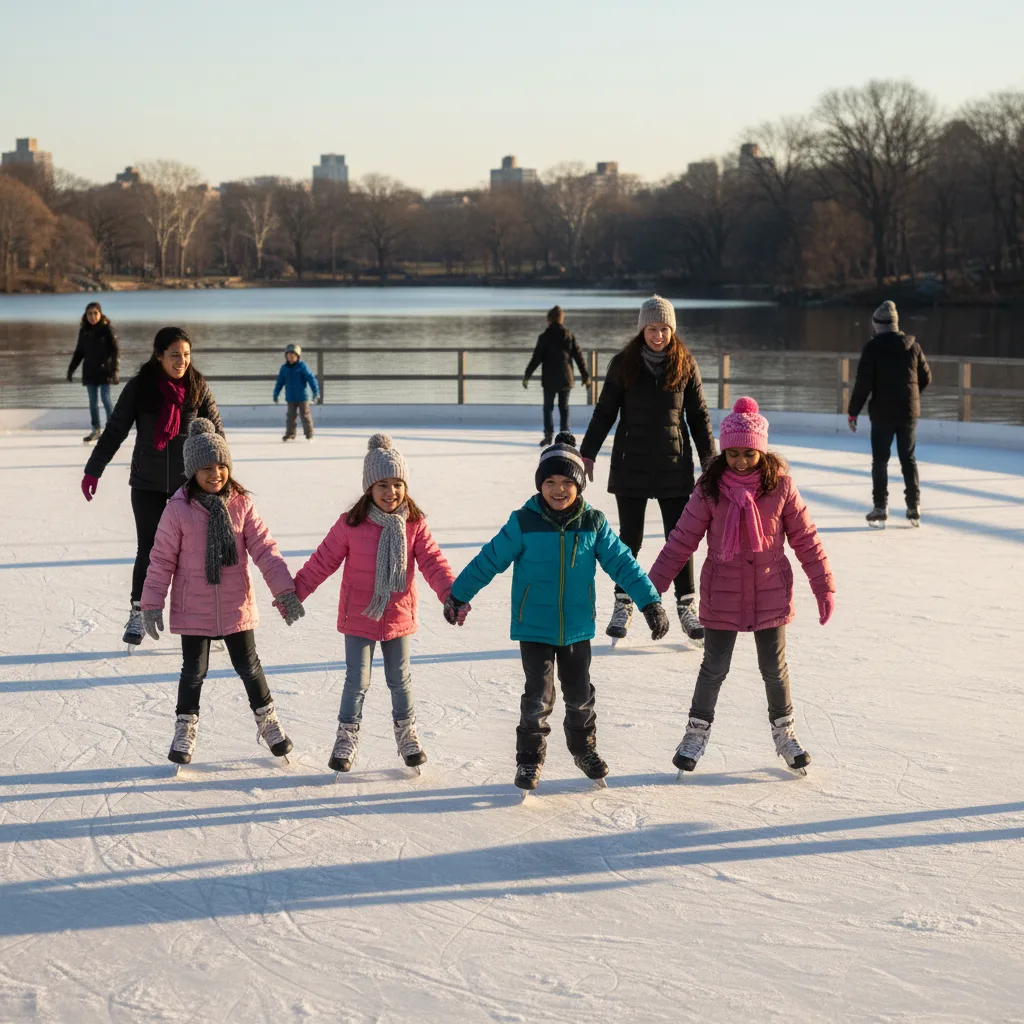
Davis Center at Harlem Meer Unveils State-of-the-Art Facilities
The new Davis Center at the Harlem Meer in Central Park's north end now features a state-of-the-art pool, ice rink, and multi-use turf field, enhancing community recreational options.
NYC City Record Confirms September 21, 2026, Publication Schedule
The NYC City Record confirmed its September 21, 2026, publication schedule, detailing administrative notices, procurement, and public hearings. This ensures transparency for municipal operations and public access to vital city information.